
What is Process Art?
- Show All
- Established
- Discoveries
- Show All
Artworks Related to Process Art
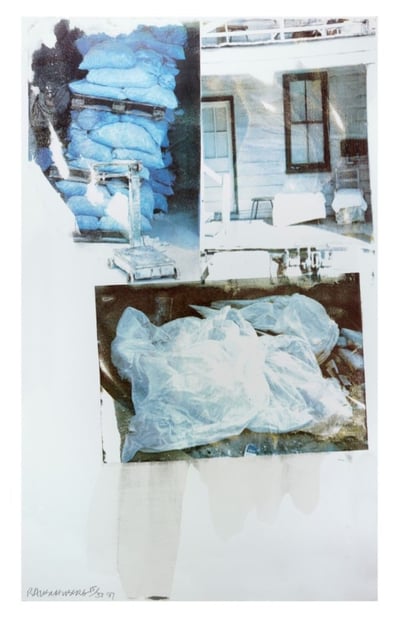
Robert Rauschenberg
Daydream (Speculations), 1997
Limited Edition Print
Screen-print
USD 12,950
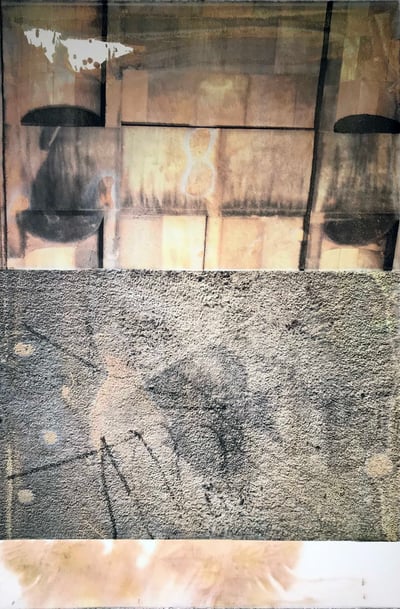
Robert Rauschenberg
Tribute 21: Education, 1994
Limited Edition Print
Lithograph
USD 4,950
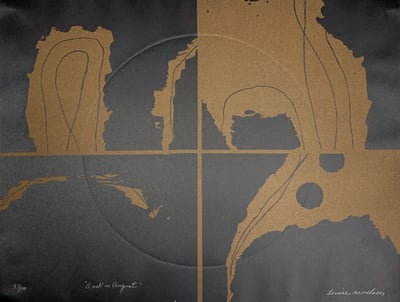
Louise Nevelson
Dusk in August from Portfolio 9, 1967
Limited Edition Print
Lithograph
USD 1,950
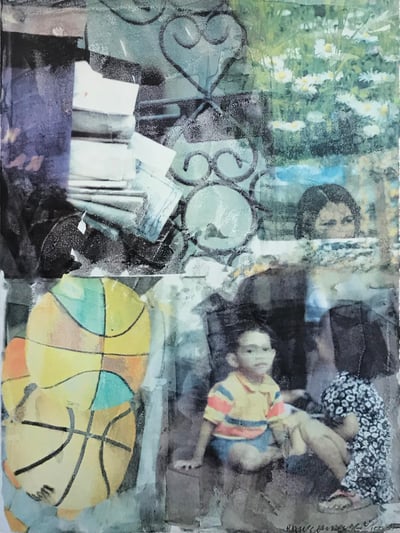
Robert Rauschenberg
Untitled (Doctor's of the world), 1997
Limited Edition Print
Lithograph
USD 6,750
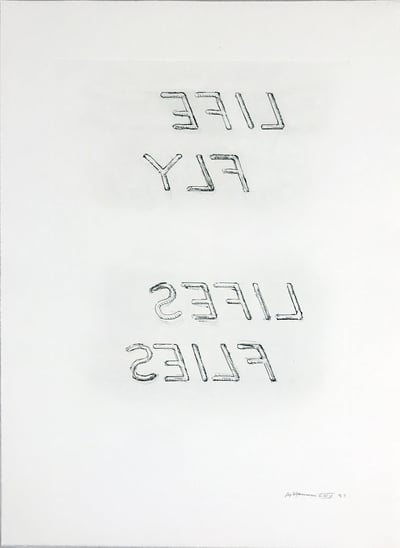
Bruce Nauman
Life fly Lifes Flies from the portfolio of Leo Castelli's 90th Birthday, 1997
Limited Edition Print
Etching
USD 3,750
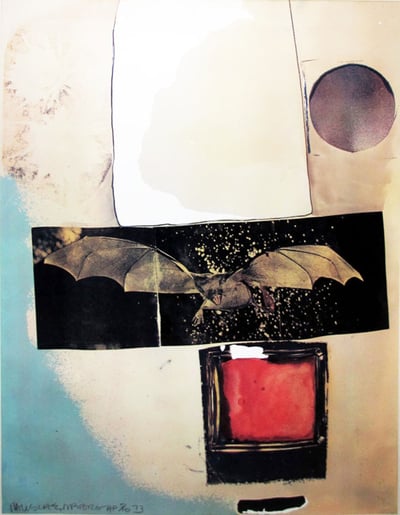
Robert Rauschenberg
Rays, 1973
Limited Edition Print
Lithograph
USD 9,950
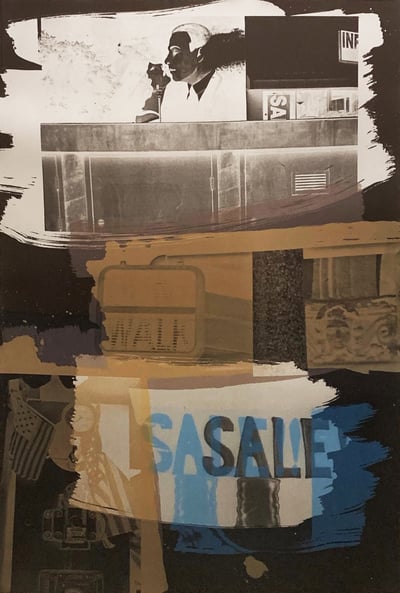
Robert Rauschenberg
Fence, 1992
Limited Edition Print
Lithograph
USD 9,250
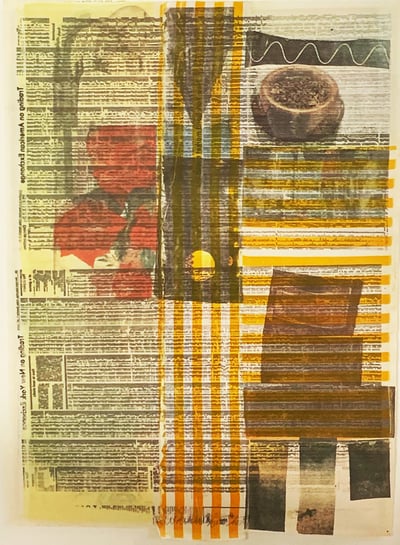
Robert Rauschenberg
One More & We Will Be More Than Halfway There, 1979
Limited Edition Print
Screen-print
USD 4,350
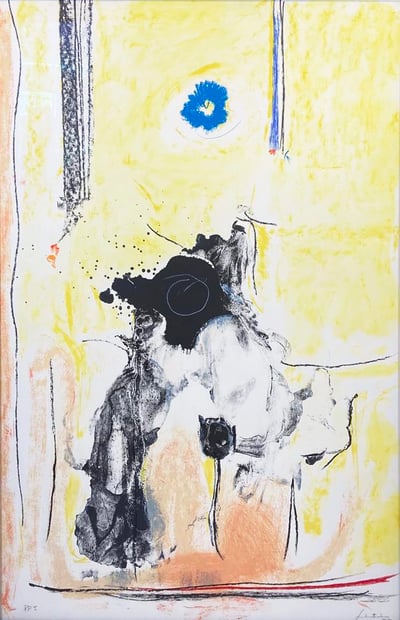
Helen Frankenthaler
Madame de Pompadour, 1985
Limited Edition Print
Lithograph
USD 14,250
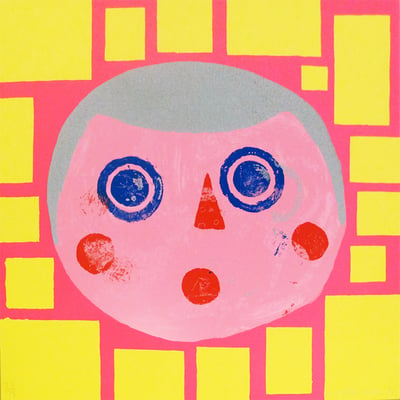
Donald Baechler
Coney Island V, 1994
Limited Edition Print
Screen-print
USD 1,950
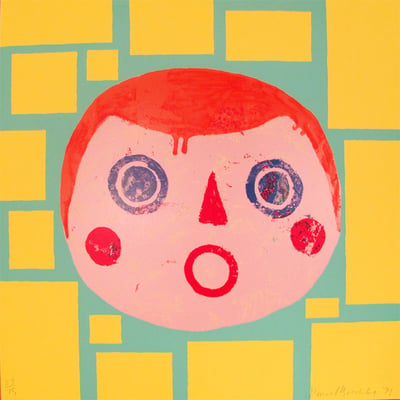
Donald Baechler
Coney Island I, 1994
Limited Edition Print
Screen-print
USD 1,950
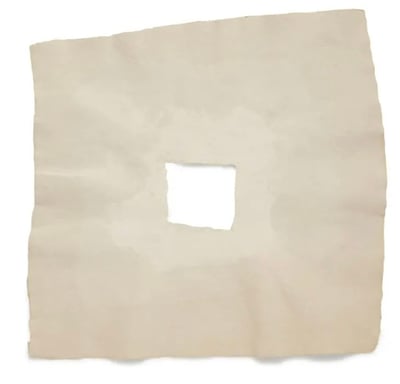
Robert Rauschenberg
Page III, 1974
Limited Edition Print
Mixed Media
Inquire For Price
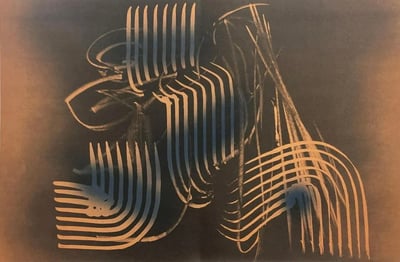
Hans Hartung
Lithograph V from Farandole, 1971
Limited Edition Print
Lithograph
USD 1,280
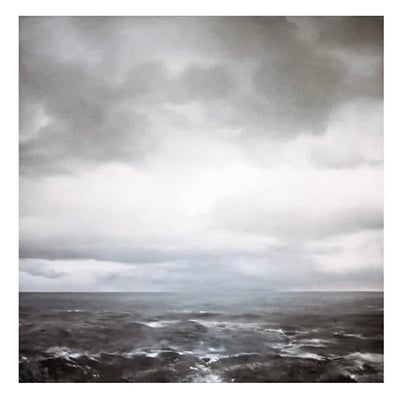
Gerhard Richter
Seestück (bewölkt), 1969/2022
Limited Edition Print
Digital Print on paper
GBP 4,150

Gerhard Richter
Tiger, 1965/2022
Limited Edition Print
Offset Print
GBP 3,180
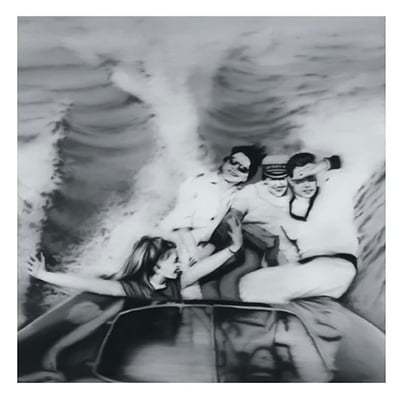
Gerhard Richter
Motorboot, 1965/2022
Limited Edition Print
Offset Print
GBP 5,300
Related Articles
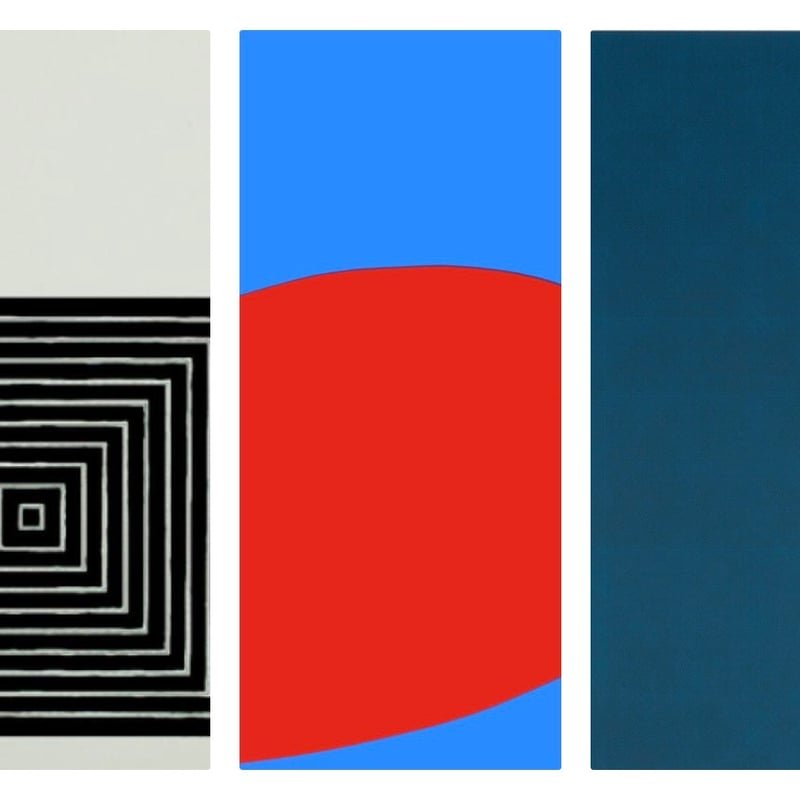
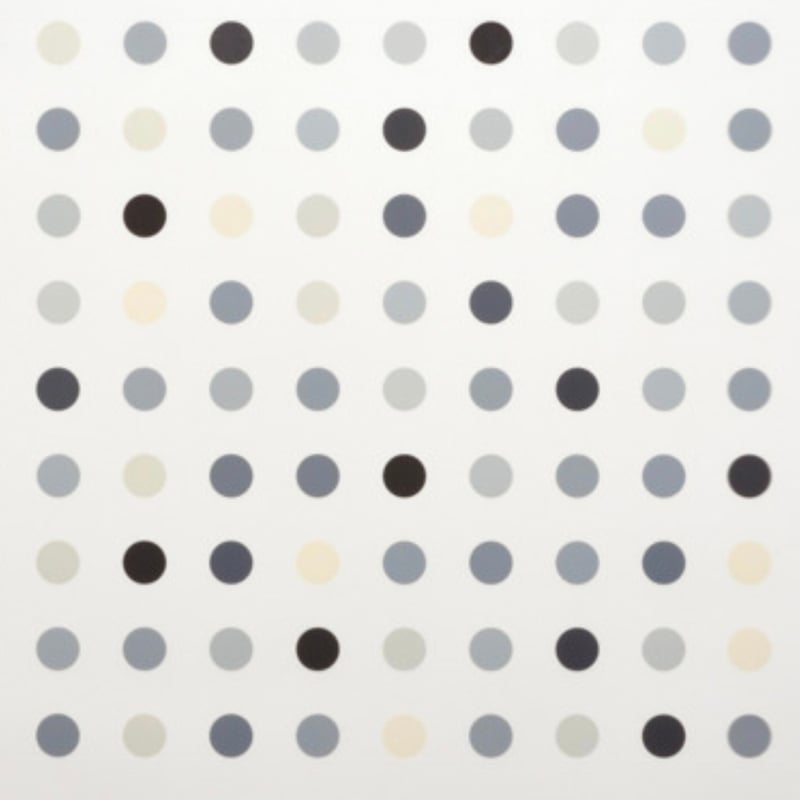
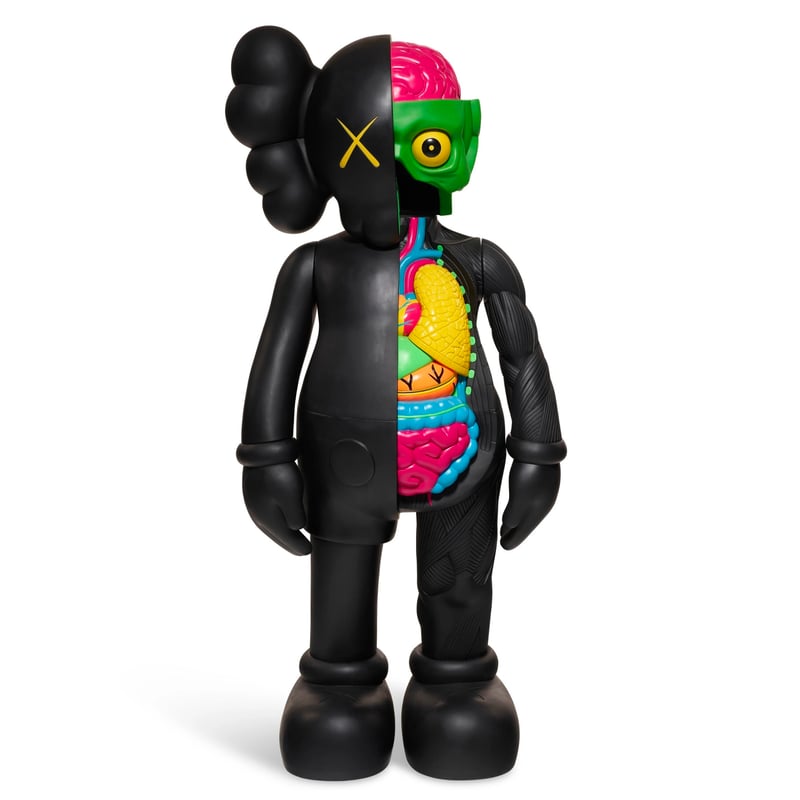

Concrete Art is an art movement founded by the Dutch artist Theo van Doesburg in the 1930s. The movement emphasizes pure abstraction, focusing on geometric shapes and colors without any reference to the natural world or symbolic meaning. Unlike other forms of abstract art, Concrete Art is entirely non-representational and is based on mathematical principles and precise execution. It aims to create universal, timeless works by using simple, clear forms that emphasize objectivity and clarity.
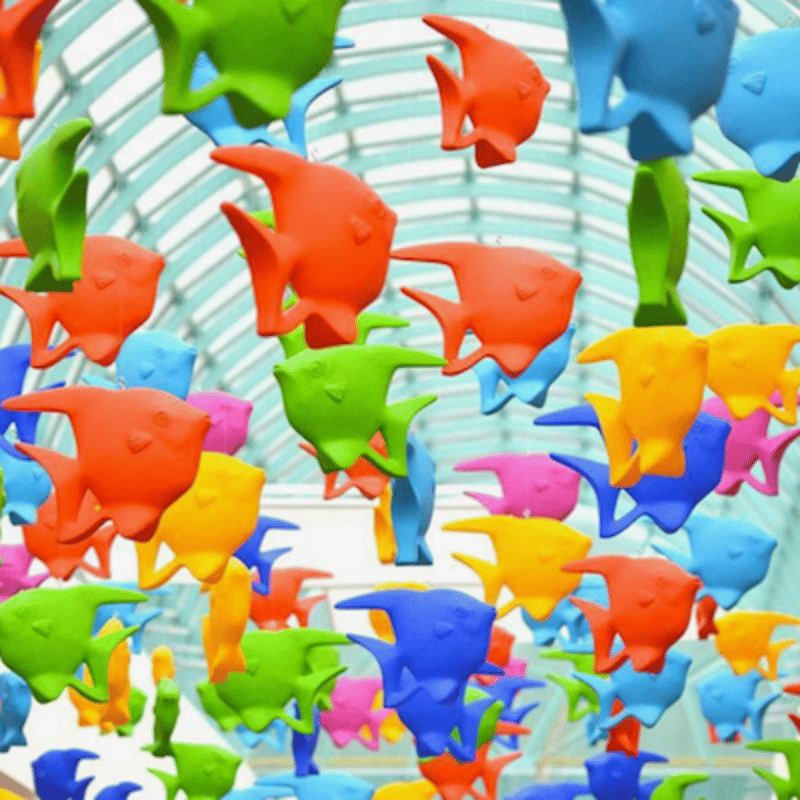
This Italian art movement includes artists from Italy, Belgium, and France who are known for creating public installations using recyclable plastic to craft massive animal sculptures. The artwork explores the rupture between the synthetic and natural worlds, with the plastic construction symbolizing the synthetic, and the animal forms representing the natural world.

Oil on board is a painting technique where oil paint is applied to either wood panels that have been sanded and primed or high-density cardboard covered with canvas. These surfaces offer the advantage of being more compact for storage compared to traditional stretched canvas on frames, while still providing a stable surface for painting.
Can't find your Answer?
Thank you! Your question has been sent — we'll get back to you shortly.
