
What is Process Art?
- Show All
- Established
- Discoveries
- Show All
Artworks Related to Process Art
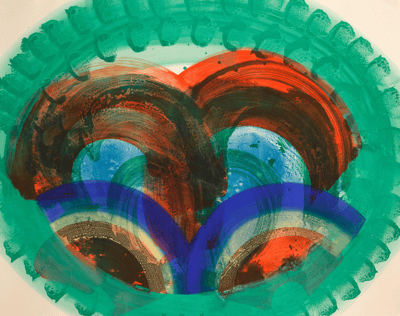
Howard Hodgkin
Red Palm, 1986-1987
Limited Edition Print
Lithograph
Currently Not Available
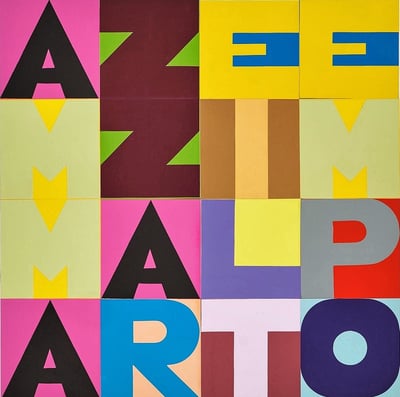
Alighiero Boetti
Ammazzare il tempo, 1983
Limited Edition Print
Serigraph
Currently Not Available
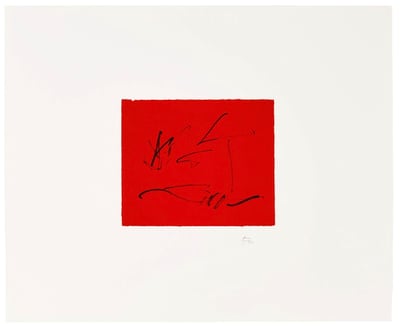
Robert Motherwell
Red Wind, 1987
Limited Edition Print
Lithograph
USD 5,400

Robert Rauschenberg
Untitled (Native American with Truck), 2000
Limited Edition Print
Pigment print
EUR 2,850
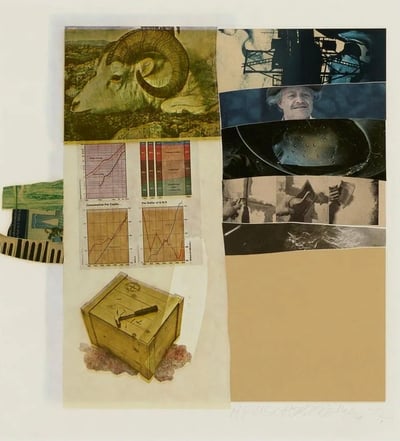
Robert Rauschenberg
Horsefeathers Thirteen I, 1972
Limited Edition Print
Mixed Media
Currently Not Available
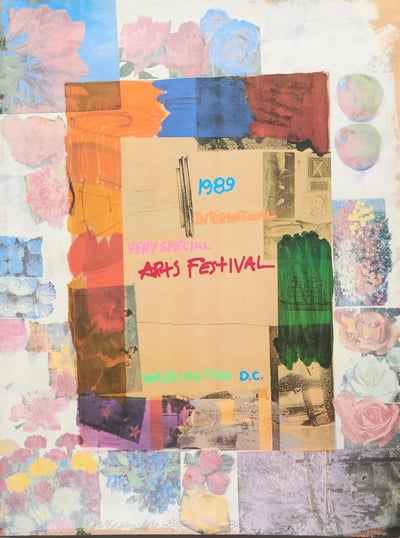
Robert Rauschenberg
International Very Special Arts Festival, 1989
Limited Edition Print
Lithograph
Inquire For Price
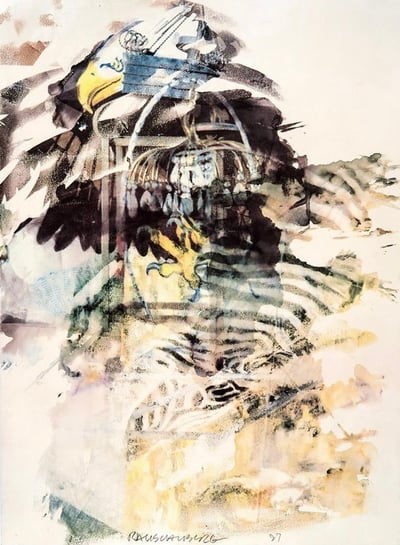
Robert Rauschenberg
Caucus, 1997
Limited Edition Print
Serigraph
USD 2,350
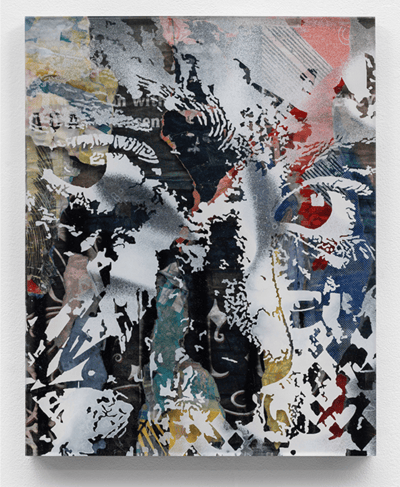
Vhils
Dessect Series #01, 2023
Limited Edition Print
Mixed Media
Currently Not Available
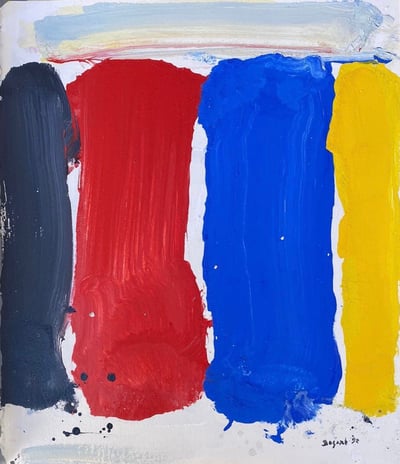
Bram Bogart
Composition no. 7, 1992
Painting
Mixed Media
EUR 8,500 - 12,000
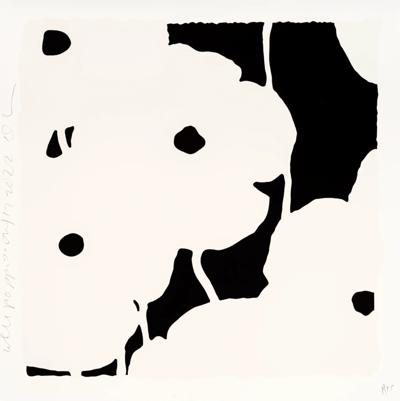
Donald Sultan
White Poppies, Sept 7, 2022, 2022
Limited Edition Print
Silkscreen
USD 4,250
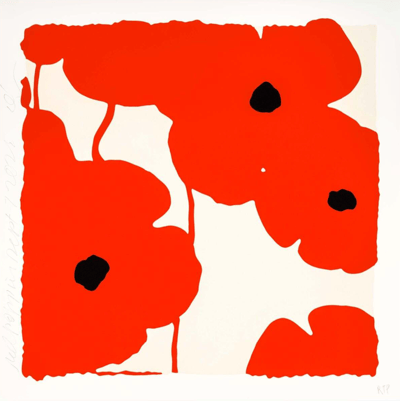
Donald Sultan
Red Poppies, Sept 7, 2022, 2022
Limited Edition Print
Silkscreen
USD 4,250
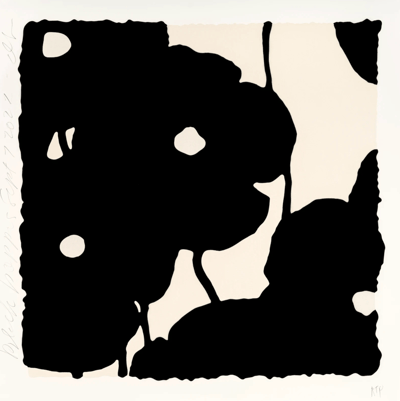
Donald Sultan
Black Poppies, Sept 7, 2022, 2022
Limited Edition Print
Silkscreen
USD 4,250
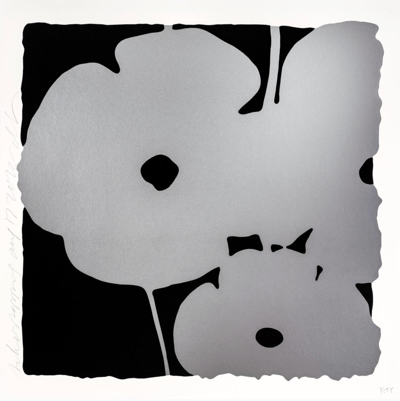
Donald Sultan
Silver Poppies, Sept 7, 2022 (against black), 2022
Limited Edition Print
Silkscreen
USD 4,250
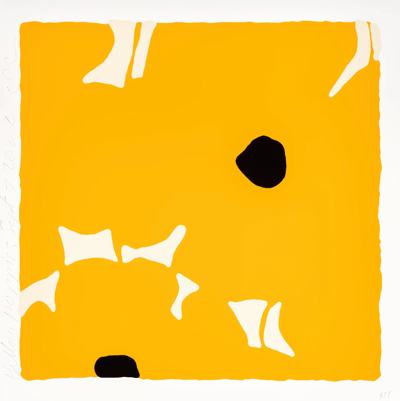
Donald Sultan
Yellow Poppies, Sept 7, 2022, 2022
Limited Edition Print
Silkscreen
USD 4,250
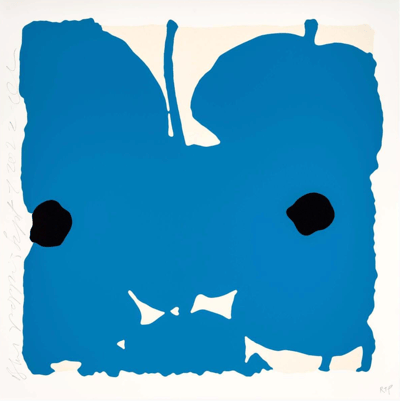
Donald Sultan
Blue Poppies, Sept 7, 2022, 2022
Limited Edition Print
Silkscreen
USD 4,250
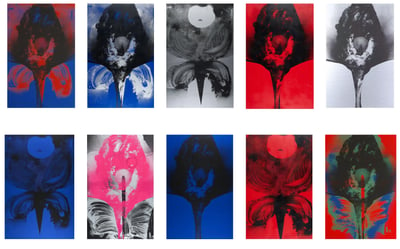
Otto Piene
Addis Abeba, 1972
Limited Edition Print
Silkscreen
EUR 19,500
Related Articles
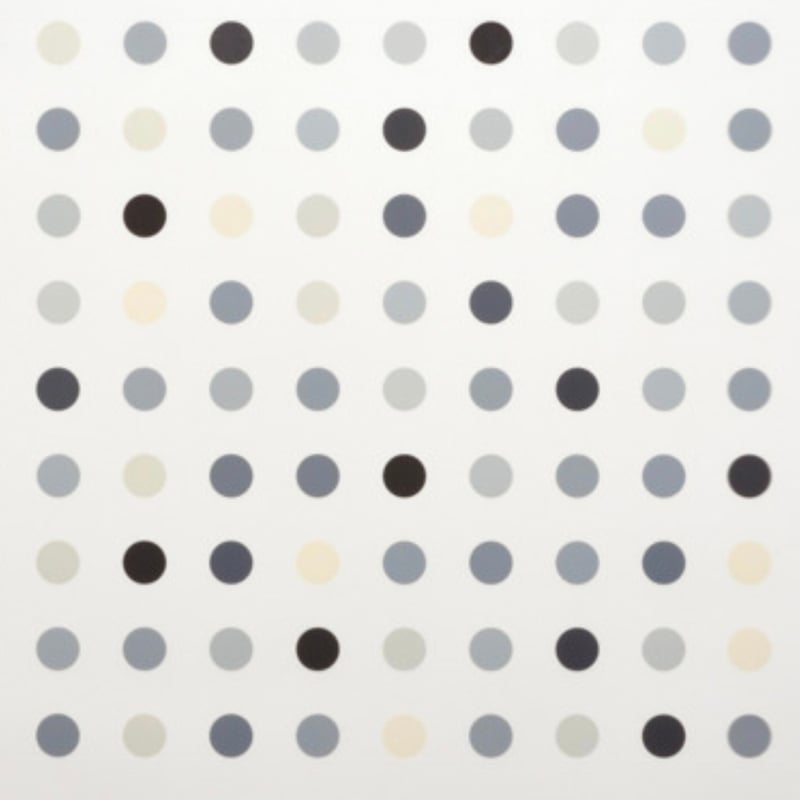
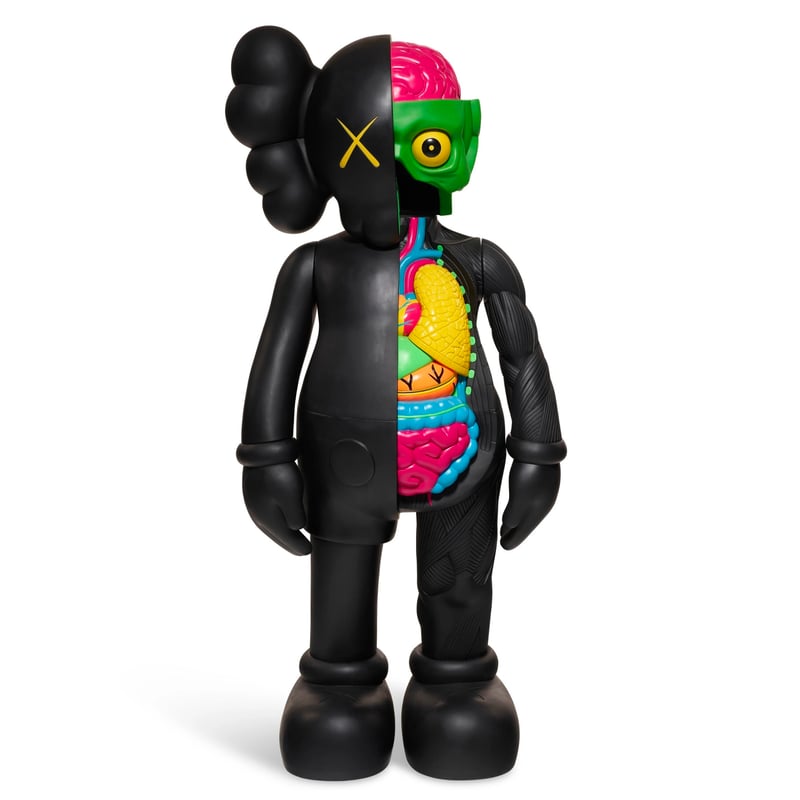

Crayon is a French word that means pencil. In art, a crayon is a stick made of colored wax, chalk, charcoal, or clay used for drawing and coloring. Crayons are typically made from paraffin wax, which is derived from petroleum, coal, or wood. Types of crayons include wax crayons, pastel crayons, and oil pastels.
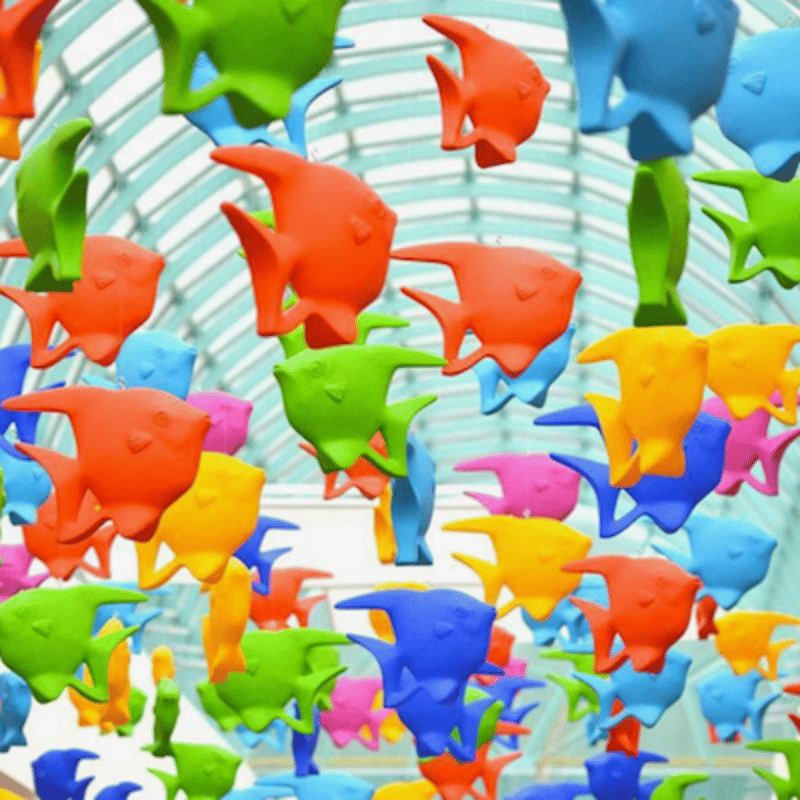
This Italian art movement includes artists from Italy, Belgium, and France who are known for creating public installations using recyclable plastic to craft massive animal sculptures. The artwork explores the rupture between the synthetic and natural worlds, with the plastic construction symbolizing the synthetic, and the animal forms representing the natural world.
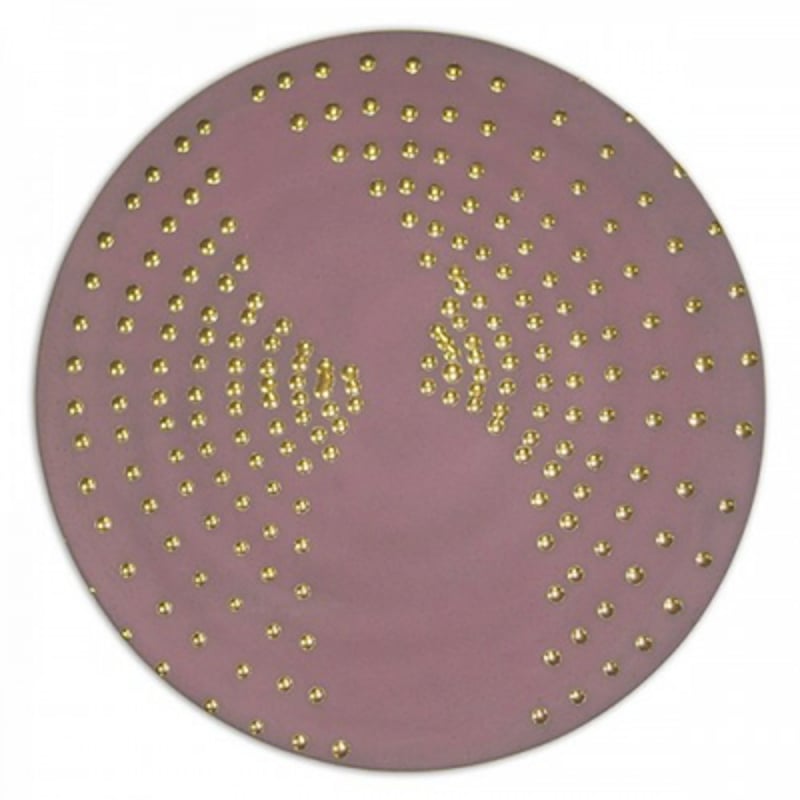
ZERO was an art movement founded by Otto Piene and Heinz Mack, aiming to develop into a large international and cross-border movement. The name ZERO originated from a magazine founded by Heinz Mack in 1957, which became a platform for the group's ideas. The magazine was published for several years before ceasing in 1967. The ZERO movement sought to create a new beginning in art, emphasizing light, space, and movement, and became influential in post-war European art.
Can't find your Answer?
Thank you! Your question has been sent — we'll get back to you shortly.
