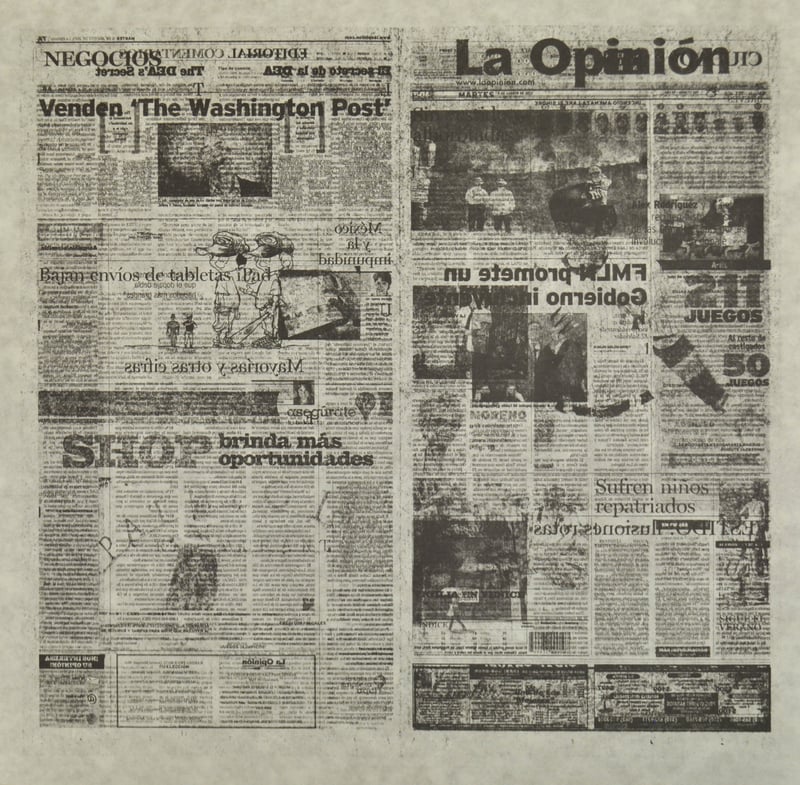
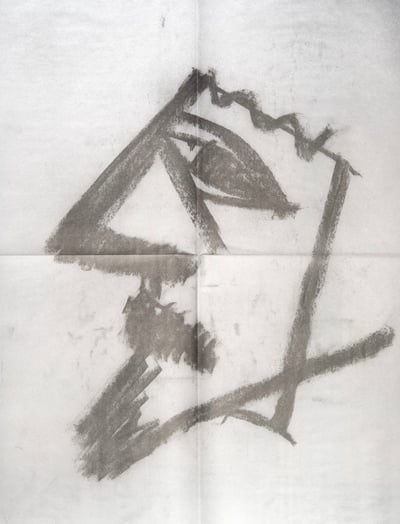
Untitled 1/8 (La Opinión), 2013
Form
Medium
Size
- Inches
- Centimeters
Edition
Price
- USD
- EUR
- GBP
- CHF
- Authenticity Guaranteed
- Insured Shipping
- Online Since 2005

Jacob Kassay
Untitled 6/10 (Radikal), 2013
Limited Edition Print
Lithograph
EUR 5,500

Jacob Kassay
Untitled 7/10 (Radikal), 2013
Limited Edition Print
Lithograph
EUR 5,500
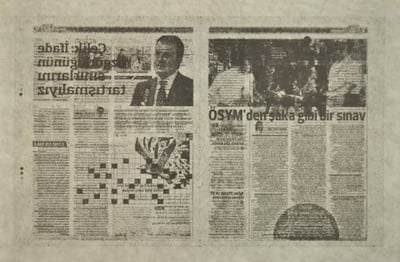
Jacob Kassay
Untitled 4/10 (Radikal), 2013
Limited Edition Print
Lithograph
EUR 5,500
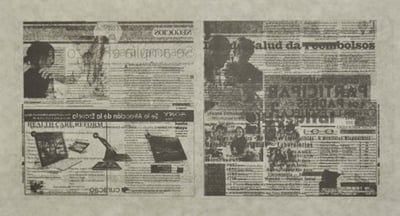
Jacob Kassay
Untitled 8/8 (La Opinión), 2013
Limited Edition Print
Lithograph
EUR 5,500
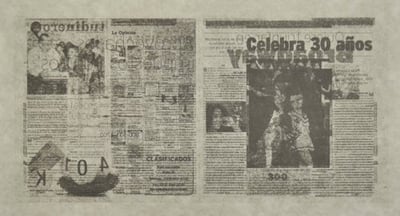
Jacob Kassay
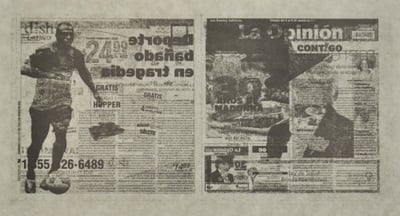
Untitled 7/8 (La Opinión), 2013
Limited Edition Print
Lithograph
EUR 5,500
Jacob Kassay
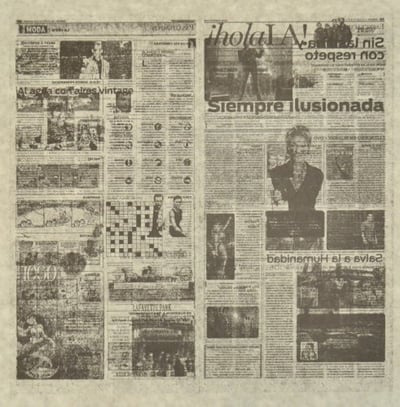
Untitled 6/8 (La Opinión), 2013
Limited Edition Print
Lithograph
EUR 5,500
Jacob Kassay
Untitled 4/8 (La Opinión), 2013
Limited Edition Print
Lithograph
EUR 5,500

Jacob Kassay
Untitled 3/8 (La Opinión), 2013
Limited Edition Print
Lithograph
EUR 5,500

Jacob Kassay
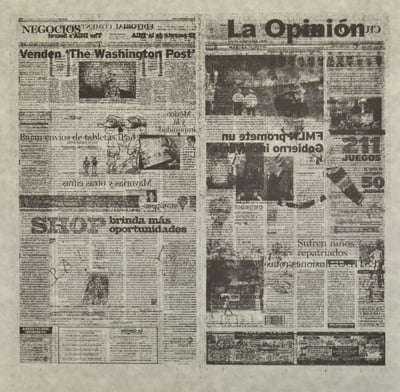
Untitled 2/8 (La Opinión), 2013
Limited Edition Print
Lithograph
EUR 5,500
Jacob Kassay
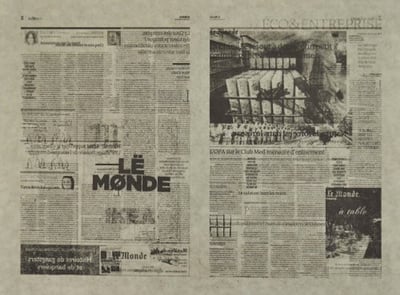
Untitled 1/8 (La Opinión), 2013
Limited Edition Print
Lithograph
EUR 5,500
Jacob Kassay
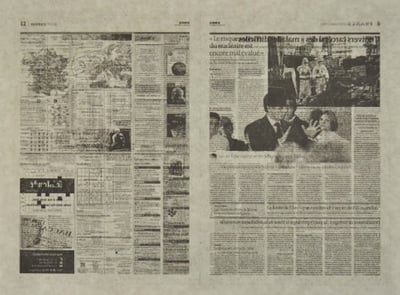
Untitled 6/7 (Le Monde), 2013
Limited Edition Print
Lithograph
EUR 5,500
Jacob Kassay
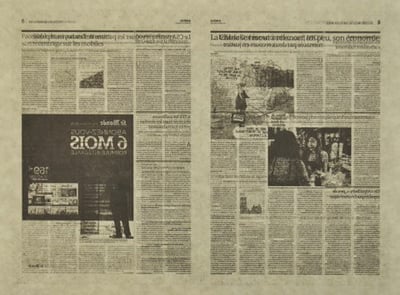
Untitled 5/7 (Le Monde), 2013
Limited Edition Print
Lithograph
EUR 5,500
Jacob Kassay
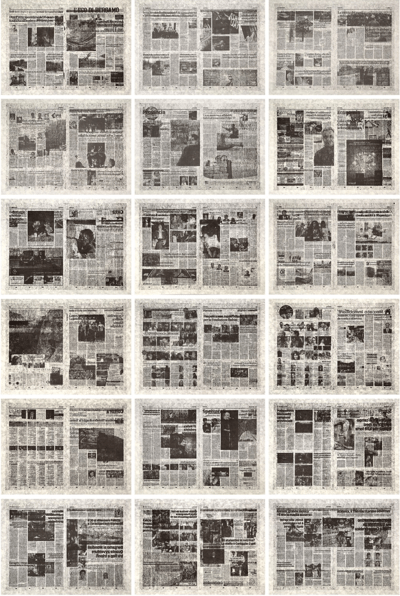
Untitled 2/7 (Le Monde), 2013
Limited Edition Print
Lithograph
EUR 5,500
Jacob Kassay
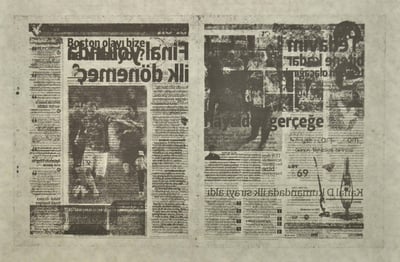
L'eco di Bergamo , 2014
Limited Edition Print
Lithograph
EUR 90,000 – 110,000
Jacob Kassay
Untitled 5/10 (Radikal), 2013
Limited Edition Print
Lithograph
EUR 5,500
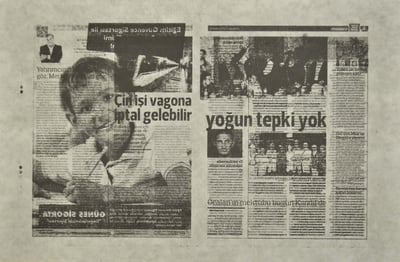
Jacob Kassay
Untitled 1/10 (Radikal), 2013
Limited Edition Print
Lithograph
EUR 5,500
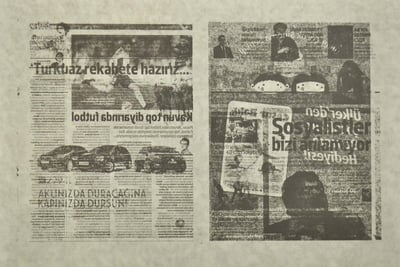
Jacob Kassay
Untitled 9/10 (Radikal), 2013
Limited Edition Print
Lithograph
EUR 5,500
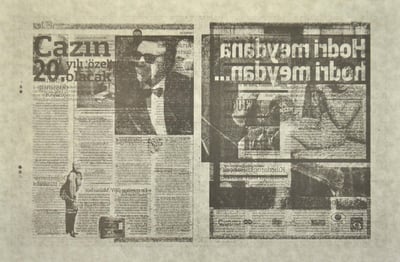
Jacob Kassay
Untitled 8/10 (Radikal), 2013
Limited Edition Print
Lithograph
EUR 5,500
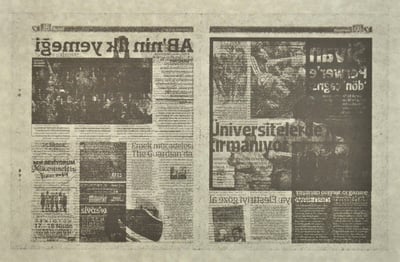
Jacob Kassay
Untitled 2/10 (Radikal), 2013
Limited Edition Print
Lithograph
EUR 5,500
Jacob Kassay
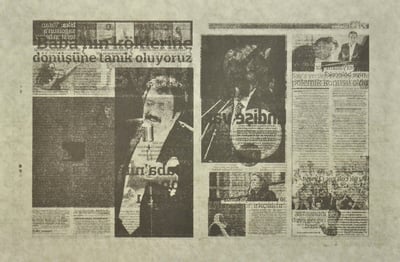
Untitled 10/10 (Radikal), 2013
Limited Edition Print
Lithograph
EUR 5,500
Jacob Kassay
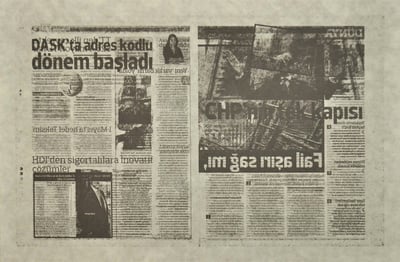
Untitled 3/10 (Radikal), 2013
Limited Edition Print
Lithograph
EUR 5,500
Jacob Kassay
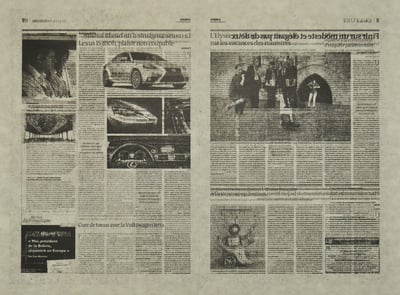
Untitled 3/7 (Le Monde), 2013
Limited Edition Print
Lithograph
EUR 5,500
Jacob Kassay
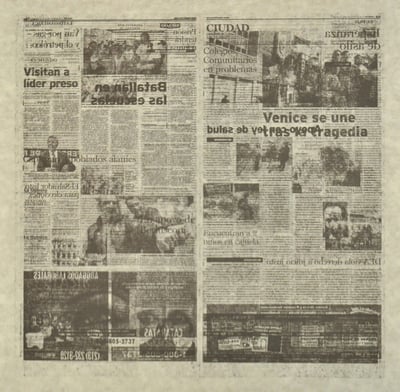
Untitled 5/8 (La Opinión), 2013
Limited Edition Print
Lithograph
EUR 5,500
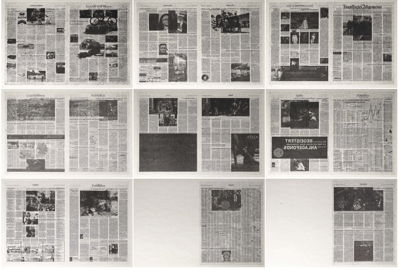
Jacob Kassay
Frankfurter Allgemeine, 2014
Limited Edition Print
Lithograph
EUR 45,000
Related Artists
Related Articles
Popular, Artists, Collecting - July 22, 2025
Investing in Emerging Artists: A Guide for Collectors
Learn how to invest wisely in emerging artists—spot talent early, manage risk, and build a meaningful, future-focused art collection.Read More
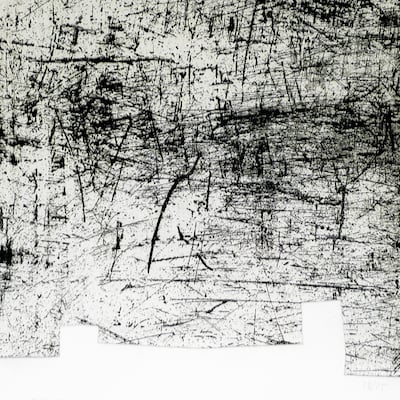
What is abstract art?
Abstract art uses form, shape, line, and color to create a visual experience without attempting to represent external reality. The composition exists independently of the world's visual references, focusing on expressing ideas and emotions through non-representational means.

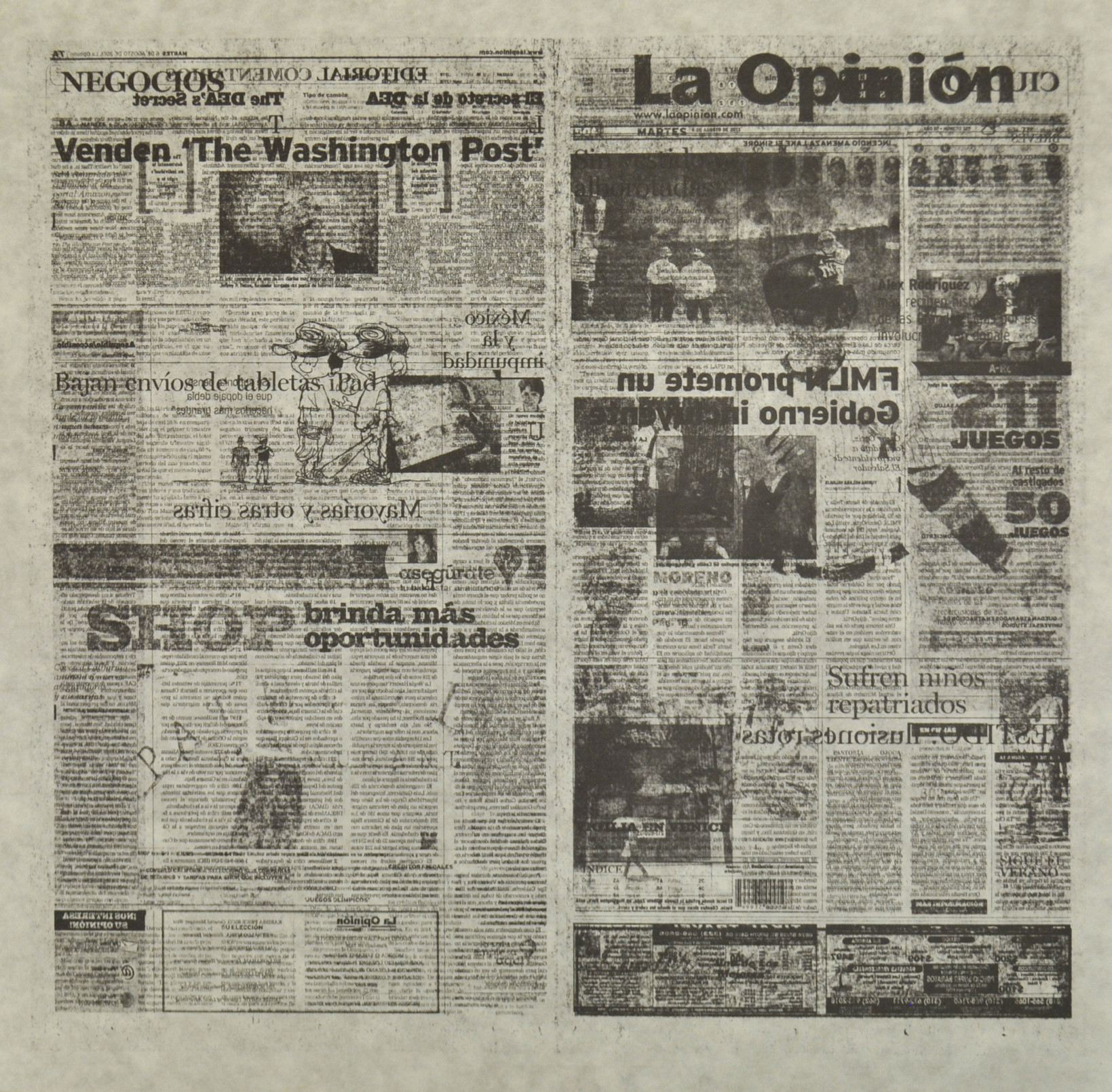
Jacob Kassay
Untitled 1/8 (La Opinión), 2013
62.5 x 62.5 cm


