
What is Superflat?
Superflat is an art movement founded by Takashi Murakami, heavily influenced by anime and manga. The term Superflat refers to the flattened forms found in Japanese animation, graphic art, fine arts, and pop culture, as well as the perceived superficiality of Japanese culture. Murakami's movement, which he self-proclaimed, is considered postmodern and critiques both the depth and shallowness of contemporary Japanese society. Superflat has been highly influential in bridging the gap between high art and popular culture.
A theory before it was a style
Superflat began not with a painting but with an argument. Takashi Murakami, trained to doctoral level in nihonga — traditional Japanese painting — proposed in 2000 that Japanese visual culture had never fully adopted Western perspective, and that a continuous line of "flatness" runs from Edo-period eccentrics such as Itō Jakuchū through ukiyo-e woodblock prints to anime cels, manga panels and video-game graphics. The exhibition Superflat, which Murakami curated at Parco Gallery in Tokyo in 2000 and which travelled to the Museum of Contemporary Art, Los Angeles in 2001, put commercial illustrators, animators and fine artists side by side to make the point that the hierarchy separating them was itself an illusion.
"The world of the future might be like Japan is today — super flat. Society, customs, art, culture: all are extremely two-dimensional."
Takashi Murakami, Superflat manifesto (2000)
Flatness with a double edge
The flatness is literal — hard outlines, unmodulated colour fields, compositions that refuse spatial depth — but it is also a diagnosis. Murakami linked the aesthetic to postwar Japan's consumer culture and to otaku fandom, arguing that after 1945 the distinctions between high and low, art and merchandise, had collapsed into a single glossy surface. Later exhibitions in his curatorial trilogy, notably Little Boy at Japan Society, New York in 2005, made the darker subtext explicit, reading kawaii cuteness as a response to atomic trauma and American occupation.
The studio as system
Superflat production mirrors its subject matter. Murakami's company Kaikai Kiki operates like a hybrid of Warhol's Factory and an animation studio: teams of assistants execute paintings from digital files, characters such as Mr. DOB and the smiling flowers recur across canvases, sculptures, plush toys and luxury-goods collaborations. Artists associated with the movement — among them Chiho Aoshima, Mr. and Aya Takano — emerged through Kaikai Kiki's stable, each pushing the anime-derived vocabulary in a personal direction, from Aoshima's digitally printed dreamscapes to Takano's wide-eyed, weightless figures. For collectors, understanding this deliberate blurring of art, brand and product is essential: the merchandising is not a dilution of the work but part of its argument.
Editions are central, not secondary
Because Superflat deliberately erases the line between artwork and product, prints and multiples carry more conceptual weight here than in most movements. Murakami's offset lithographs and silkscreens are often issued in large editions — frequently 300 or more — signed and numbered, and they circulate at accessible price points relative to unique paintings. This breadth is intentional, but it means the market is tiered: a signed, numbered edition from Kaikai Kiki is a different object from an open-edition poster or licensed merchandise, even when the image is identical. Always establish exactly which tier you are buying.
Authenticity and what to watch for
The movement's popularity has made it one of the most counterfeited corners of the contemporary print market. Genuine Murakami editions typically carry a pencil signature and edition number, and many bear a Kaikai Kiki stamp or embossed seal; documentation from a reputable gallery or the publisher matters as much as the marks themselves. Be wary of unsigned pieces described as "rare proofs", of edition numbers that do not match the documented run, and of images cropped or resized from the published format. With works by other artists in the Superflat orbit, provenance through recognised galleries or Kaikai Kiki itself is the cleanest assurance. When in doubt, compare paper stock, printing technique and dimensions against documented examples — offset lithography has a distinct dot pattern that differs visibly from a cheap digital reproduction.
Condition and care
Superflat's saturated, candy-bright palettes are the point — and they are vulnerable. Offset inks can fade under prolonged UV exposure, so frame prints behind UV-filtering glazing, keep them out of direct sunlight, and use acid-free mounts and hinges. Never dry-mount a signed edition; it is generally considered irreversible damage and affects value. For sculptural multiples and painted objects, avoid solvents entirely and dust with a soft brush. Condition drives value sharply in this market: because editions are large, collectors can afford to be selective, and examples with fading, handling creases or trimmed margins trade at significant discounts to pristine sheets. Buy the best-condition impression you can, keep the paperwork, and store anything unframed flat, interleaved with acid-free tissue.
Artworks Related to Superflat

Takashi Murakami
Kensei Skulls, 2010
Limited Edition Print
Offset Print
USD 2,400
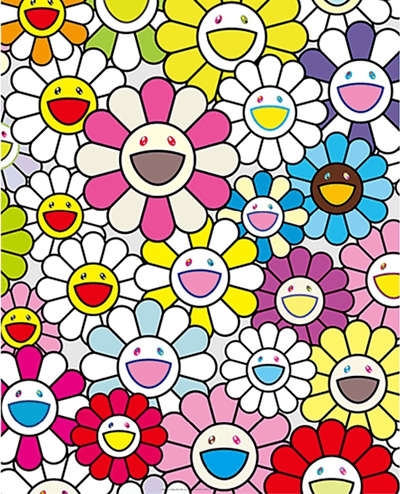
Takashi Murakami
Little Flower Painting: Pink, Purple and Many Other Colours, 2019
Limited Edition Print
Offset Print
GBP 2,340
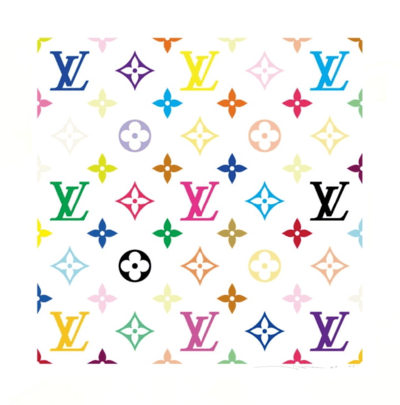
Takashi Murakami
LV White Murakami Multicolor Monogram, 2025
Limited Edition Print
Screen-print
GBP 17,000 - 21,500
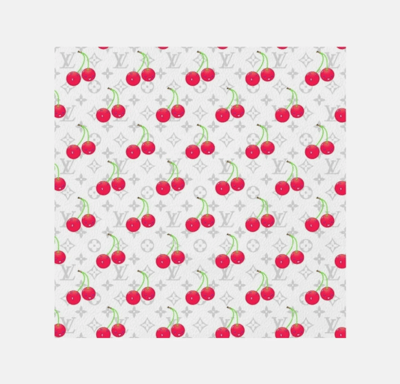
Takashi Murakami
Louis Vuitton Cherry White Leather, 2025
Limited Edition Print
Silkscreen
GBP 13,500 - 16,500
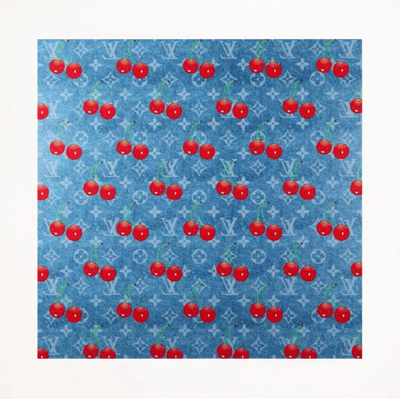
Takashi Murakami
Louis Vuitton Cherry Jeans, 2025
Limited Edition Print
Screen-print
GBP 13,500 - 16,500
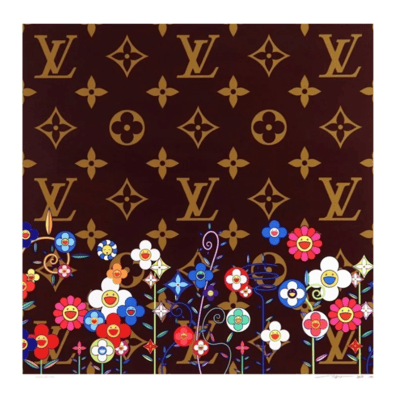
Takashi Murakami
Louis Vuitton Flower Garden, 2025
Limited Edition Print
Screen-print
GBP 17,500 - 22,000
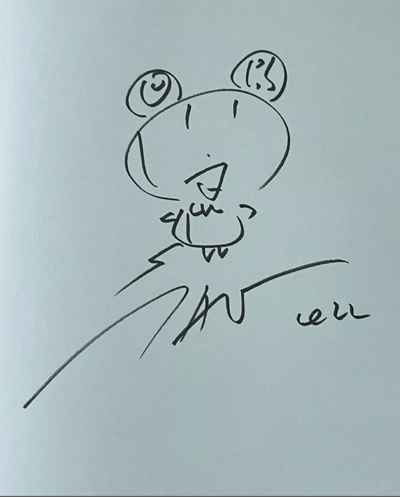
Takashi Murakami
Mr DOB, 2022
Drawing / Watercolor
Ink
GBP 15,000 - 19,500
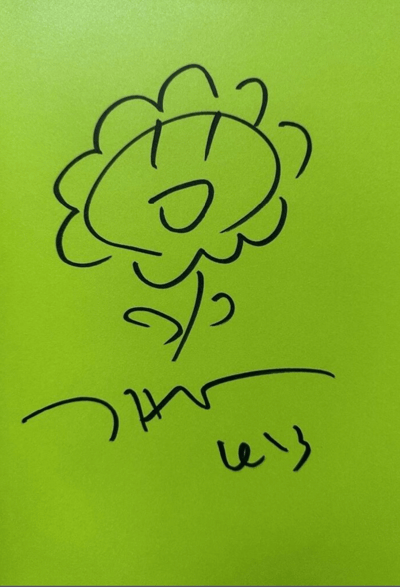
Takashi Murakami
Untitiled (Mr DOB), 2023
Drawing / Watercolor
Ink
GBP 17,500 - 22,700
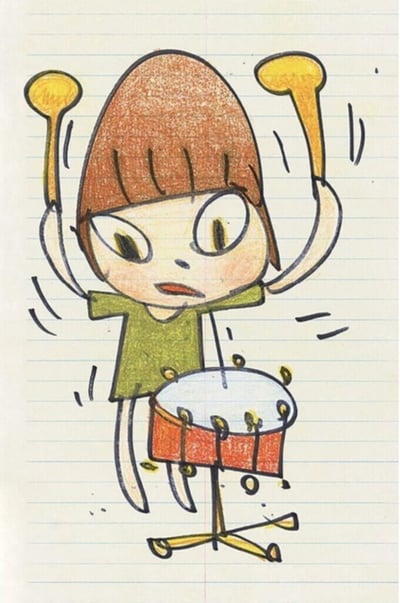
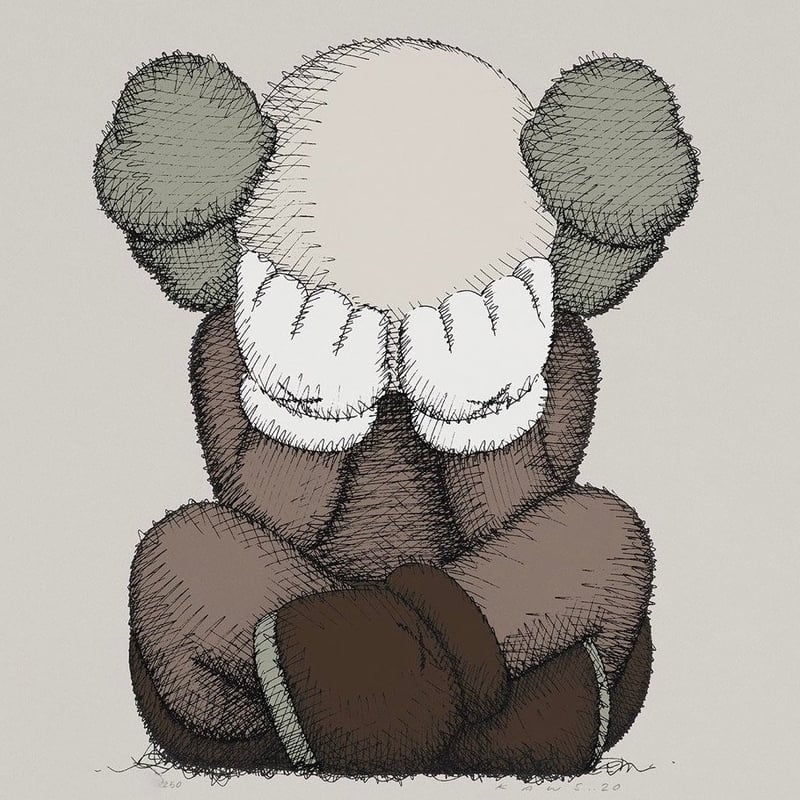
Yoshitomo Nara
Banging The Drum, 2020
Limited Edition Print
Offset Print
GBP 1,800
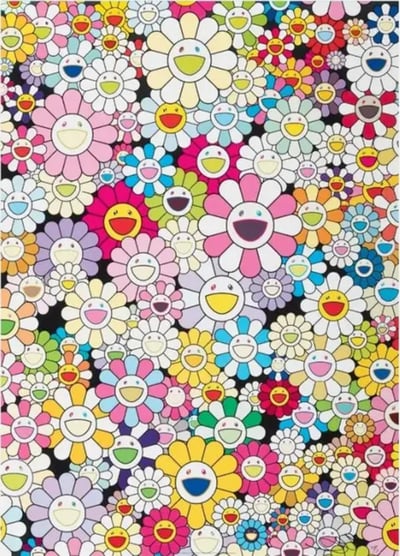
Takashi Murakami
Homage to Yves Klein, Multicolor A, 2012
Limited Edition Print
Offset Print
GBP 2,750 - 3,500
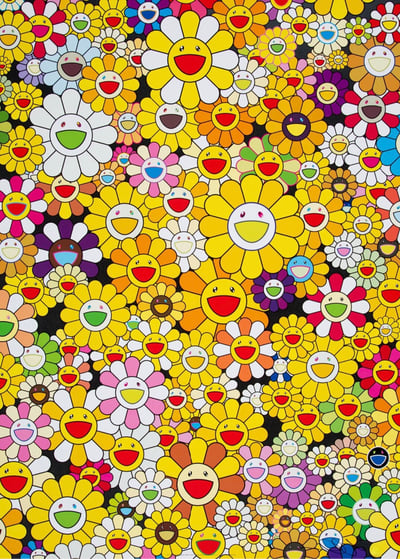
Takashi Murakami
An Homage to Monogold, 1960 A, 2012
Limited Edition Print
Offset Print
GBP 2,250 - 2,900
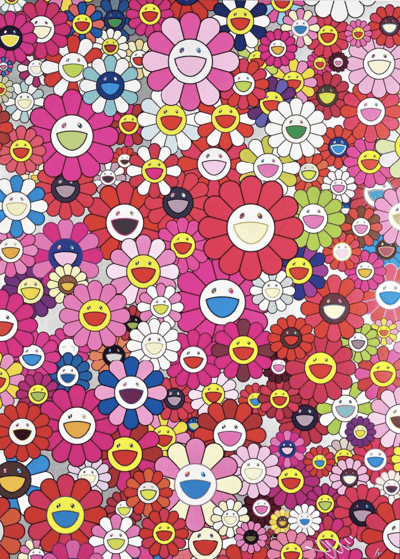
Takashi Murakami
Homage to Monopink, 1960 A, 2012
Limited Edition Print
Offset Print
GBP 2,250 - 2,900
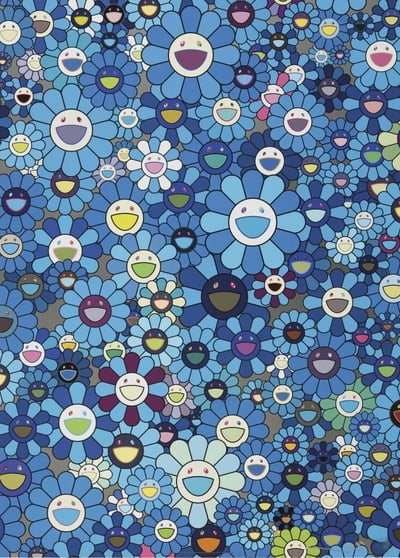
Takashi Murakami
An Homage to IKB, 1957 A, 2012
Limited Edition Print
Offset Print
GBP 2,500 - 3,200
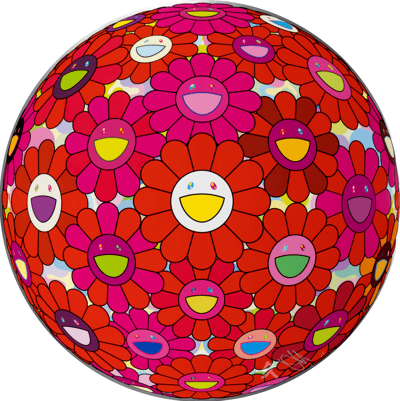
Takashi Murakami
Flowers of Gratitude, 2022
Limited Edition Print
Lithograph
GBP 1,800
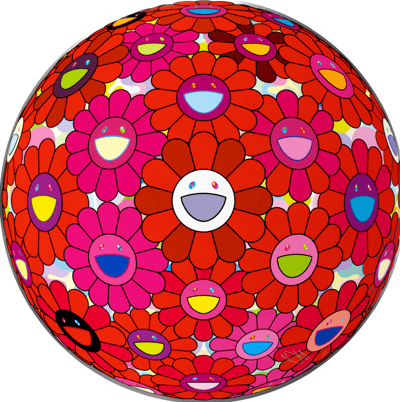
Takashi Murakami
Inside the Soul, 2022
Limited Edition Print
Offset Print
GBP 1,800
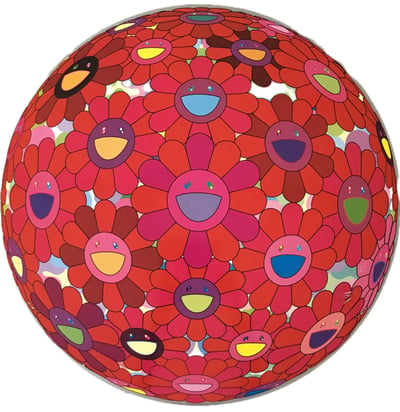
Takashi Murakami
Let Us Devote Our Hearts, 2022
Limited Edition Print
Offset Print
GBP 1,700
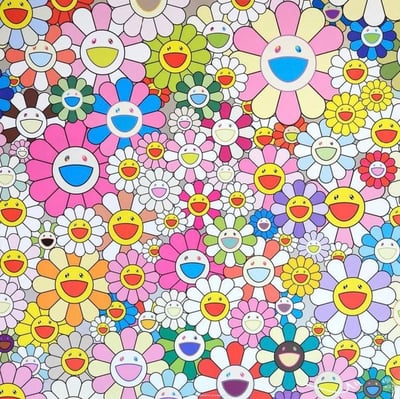
Takashi Murakami
Flower Smile, 2011
Limited Edition Print
Offset Print
GBP 3,000 - 4,000
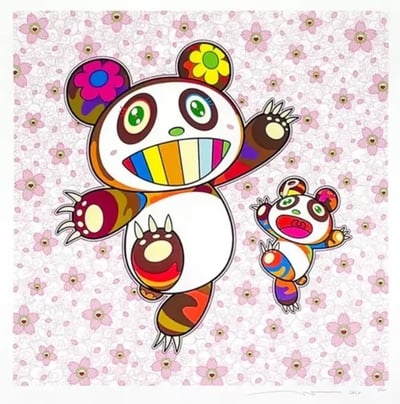
Takashi Murakami
Panda Mother and Baby in a Flurry of Cherry Blossom Petals, 2024
Limited Edition Print
Silkscreen
GBP 4,000 - 5,800
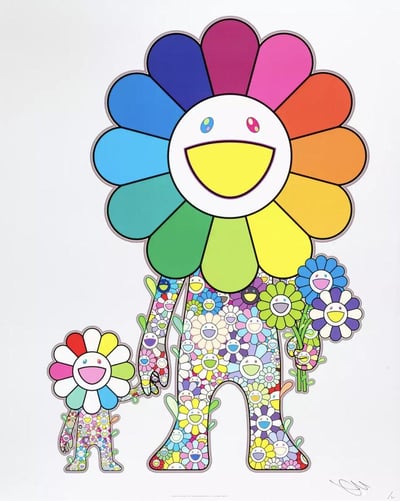
Takashi Murakami
Flower Parent and Child, 2021
Limited Edition Print
Offset Print
GBP 3,000 - 4,500
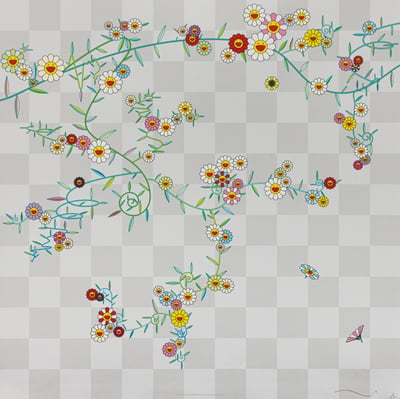
Takashi Murakami
CUBE 2, 2001
Limited Edition Print
Offset Print
GBP 1,950 - 2,500
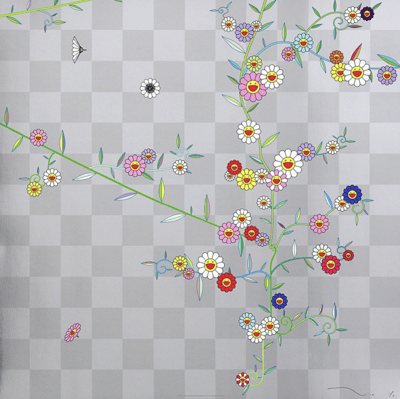
Takashi Murakami
Cosmos, 2000
Limited Edition Print
Offset Print
GBP 1,950 - 2,500
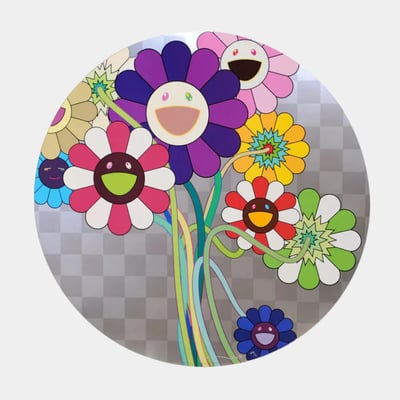
Takashi Murakami
Purple Flowers in a Bouquet, 2010
Limited Edition Print
Offset Print
GBP 1,950 - 2,500
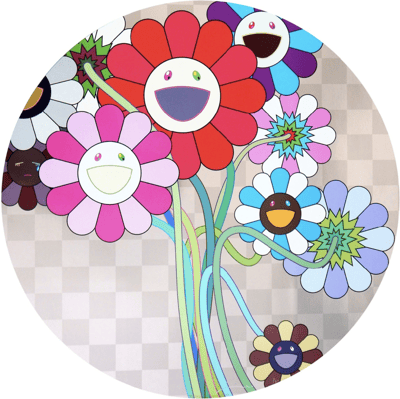
Takashi Murakami
Warhol/Silver, 2009
Limited Edition Print
Offset Print
GBP 2,340
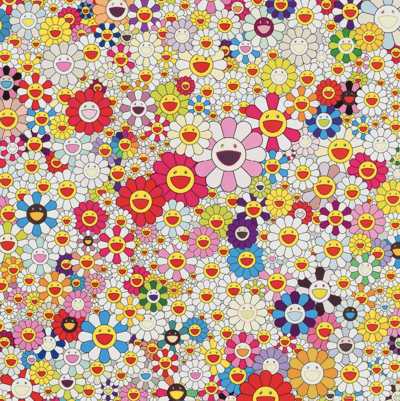
Takashi Murakami
Flowers in Heaven, 2010
Limited Edition Print
Offset Print
GBP 2,500 - 3,200
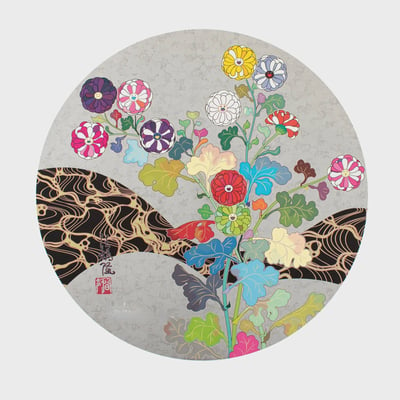
Takashi Murakami
Korin: The Land Beyond Death, Bathed in Light, 2022
Limited Edition Print
Offset Print
GBP 2,350
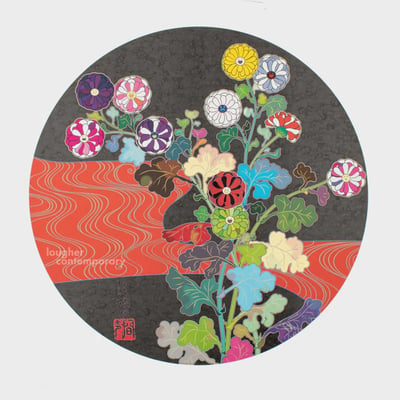
Takashi Murakami
Flowers Blooming in the Isle of the Dead, 2022
Limited Edition Print
Offset Print
GBP 1,950 - 2,500
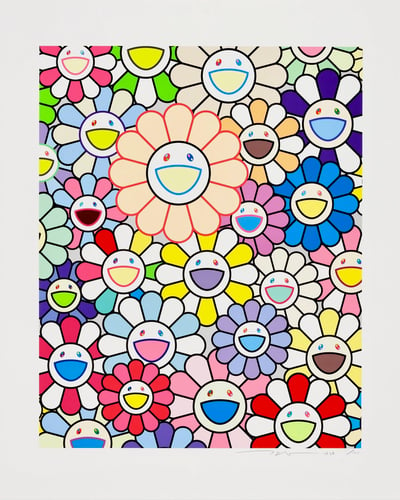
Takashi Murakami
Field of Flowers, 2020
Limited Edition Print
Archival Print
GBP 2,750 - 3,500
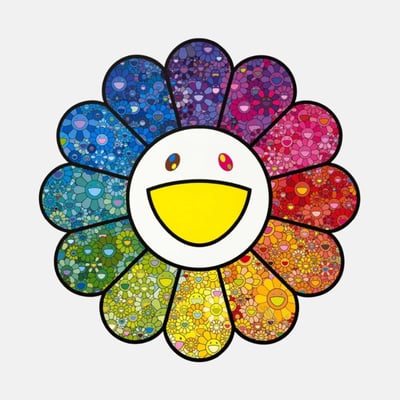
Takashi Murakami
Flower Sparkles!, 2024
Limited Edition Print
Offset Print
GBP 1,850
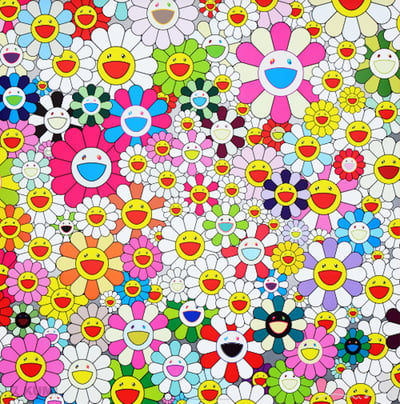
Takashi Murakami
Maiden in The Yellow Straw Hat, 2010
Limited Edition Print
Offset Print
GBP 2,750 - 3,500
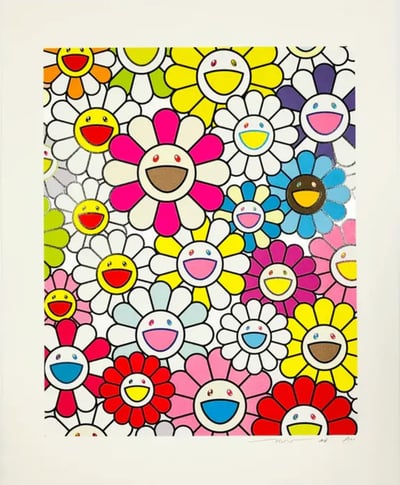
Takashi Murakami
A Little Flower Painting: Pink, Purple and Many Other Colours, 2018
Limited Edition Print
Silkscreen
GBP 3,250 - 4,200
Related Terms
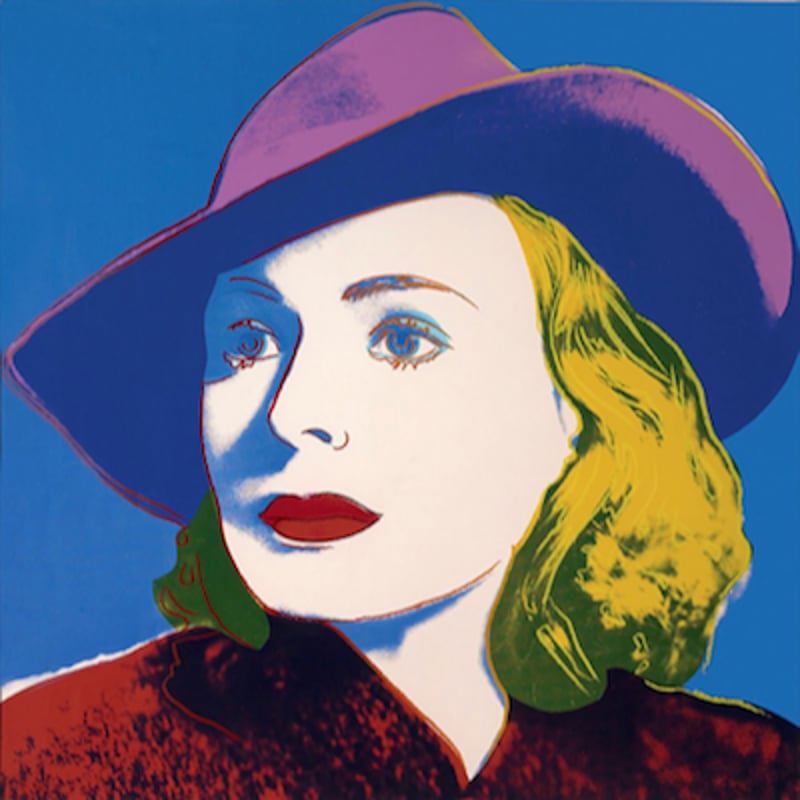
Pop Art is an art movement that began in Britain in 1955 and in the late 1950s in the U.S. It challenged traditional fine arts by incorporating imagery from popular culture, such as news, advertising, and comic books. Pop Art often isolates and recontextualizes materials, combining them with unrelated elements. The movement is more about the attitudes and ideas that inspired it than the specific art itself. Pop Art is seen as a reaction against the dominant ideas of Abstract Expressionism, bringing everyday consumer culture into the realm of fine art.

Contemporary art refers to avant-garde or innovative art created in the recent past or present day. The exact starting point of contemporary art varies depending on the institution, often tied to the founding year of museums or galleries that showcase the style. Contemporary art is characterized by its focus on current ideas, diverse media, and the exploration of new concepts and techniques.
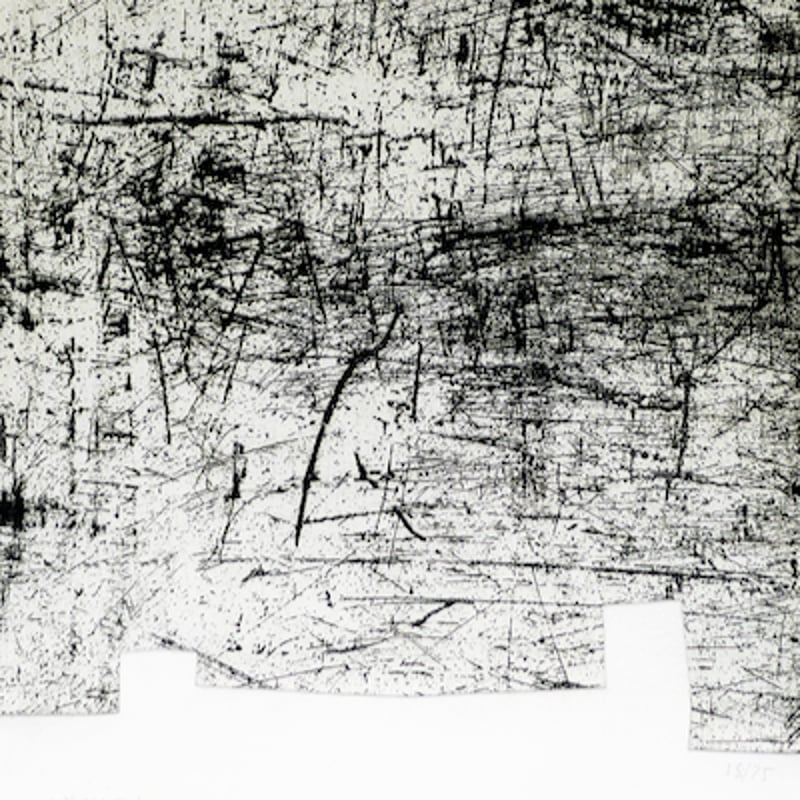
Abstract art uses form, shape, line, and color to create a visual experience without attempting to represent external reality. The composition exists independently of the world's visual references, focusing on expressing ideas and emotions through non-representational means.
Related Articles
Can't find your Answer?
Thank you! Your question has been sent — we'll get back to you shortly.
