
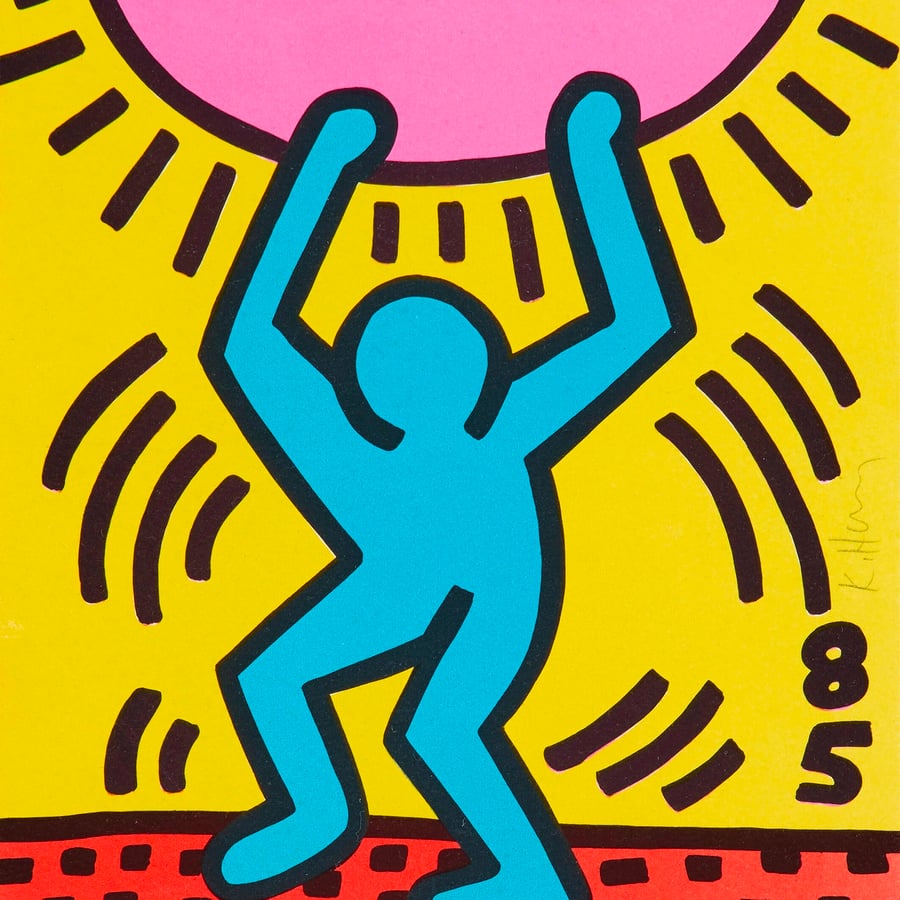
United States
The contemporary art scene in the United States is a dynamic fusion of diverse traditions and avant-garde explorations, resonating across the global art spectrum. Institutions like the Museum of Modern Art in New York and the Los Angeles County Museum of Art are central to this discourse, spotlighting artists from different backgrounds and mediums. Notable figures such as Jeff Koons, known for his monumental public sculptures, and Kara Walker, recognized for her poignant silhouettes and murals, contribute to the vibrant US artistic landscape. Major events like Art Basel Miami further underline the country's role as a nexus of contemporary art. Dive into the robust and compelling art scene of the United States on Composition Gallery's website.
- Show All
- Established
- Discoveries
- Show All
Artworks Related to United States
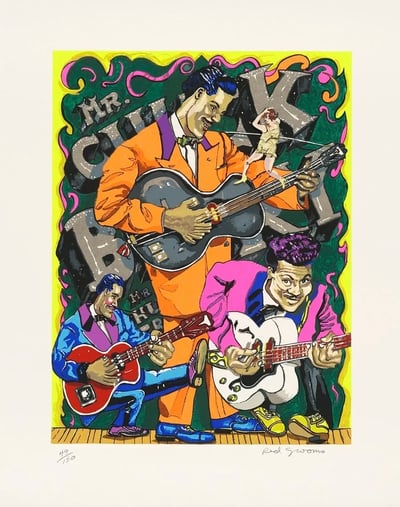
Red Grooms
Mr. Chuck Berry, 1978
Limited Edition Print
Collage
Inquire For Price
Julian Schnabel
Malfi (Set of Three), 1998
Limited Edition Print
Silkscreen
USD 9,250

Robert Indiana
The Hartley Elegies: The Berlin Series - KvF 5, 1990
Limited Edition Print
Serigraph
USD 7,900

Larry Zox
Untitled 1 from Niagara Series, 1980
Limited Edition Print
Mixed Media
USD 850
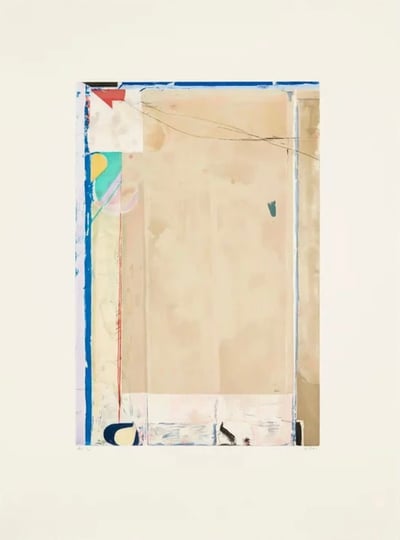
Richard Diebenkorn
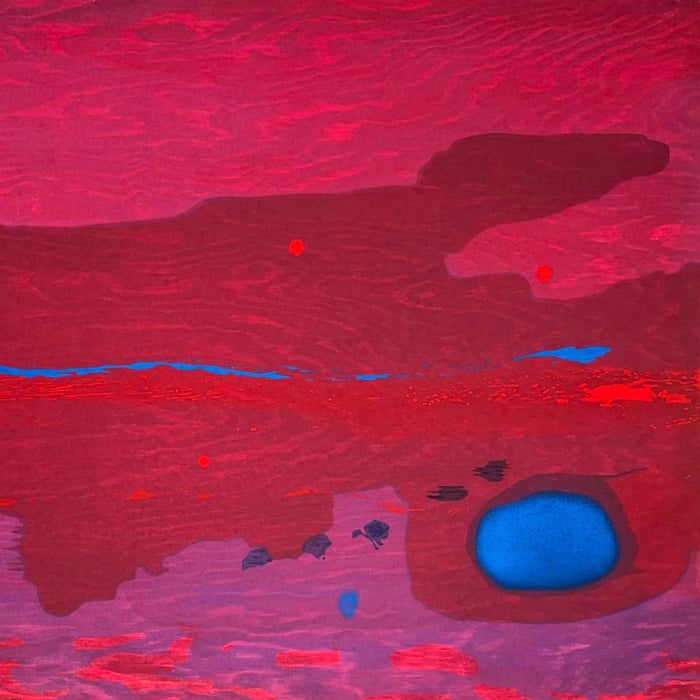
Touched Red, 1991
Limited Edition Print
Mixed Media
Inquire For Price
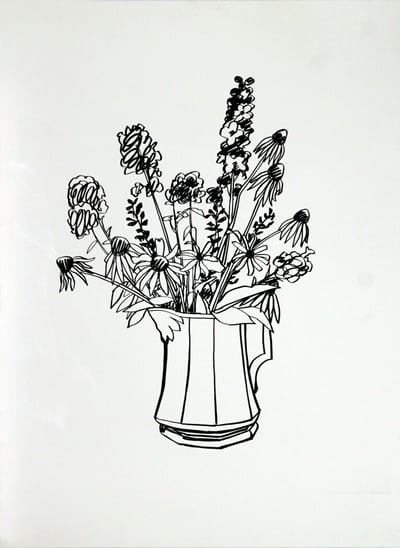
Tom Wesselmann
Country Bouquet for Tammy, 1989
Limited Edition Print
Screen-print
USD 3,000

Mel Bochner
Untitled (Four X Four X Four), 1990
Limited Edition Print
Screen-print
USD 1,450
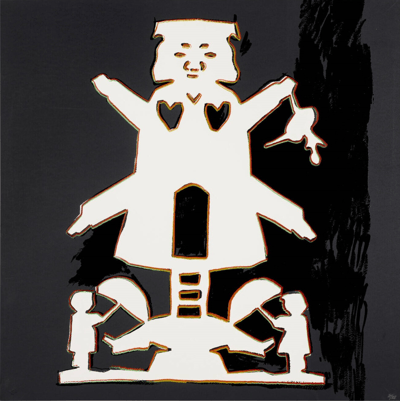
Andy Warhol
Hans Christian Andersen (Miller with two Ole Lukojes), 1987
Limited Edition Print
Screen-print
USD 8,400

Robert Indiana
Love, 1996
Limited Edition Print
Screen-print
Currently Not Available
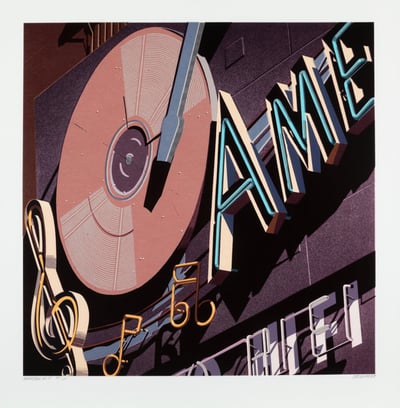
Robert Cottingham
American Hi-Fi, 2009
Limited Edition Print
Screen-print
USD 1,250
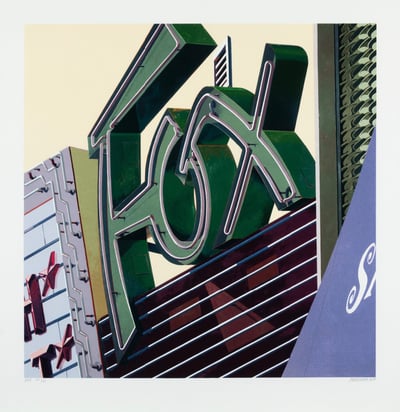
Robert Cottingham
Fox, 2009
Limited Edition Print
Screen-print
USD 1,250
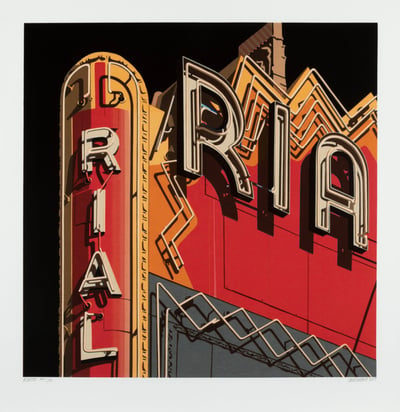
Robert Cottingham
Rialto, 2009
Limited Edition Print
Screen-print
Inquire For Price
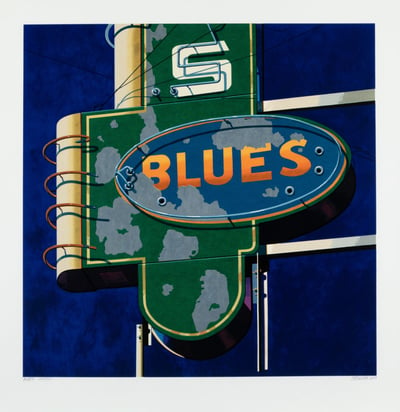
Robert Cottingham
Blues, 2009
Limited Edition Print
Screen-print
Inquire For Price

John Baldessari
Falling Star, 1989-90
Limited Edition Print
Mixed Media
Inquire For Price
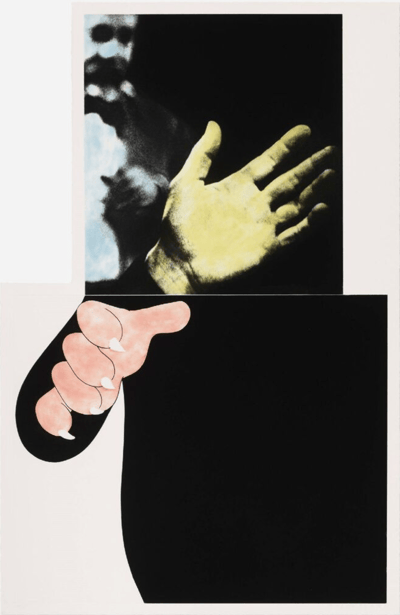
John Baldessari
Two Hands (With Distant Figure), 1989-1990
Limited Edition Print
Mixed Media
USD 5,500
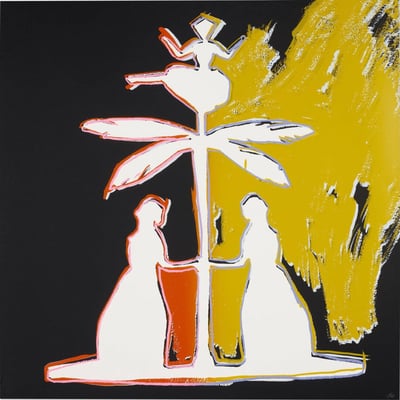
Andy Warhol
Hans Christian Andersen (Two Women by a Palm Tree with a Ballerina on Top of it), 1987
Limited Edition Print
Screen-print
USD 8,400
Related Articles
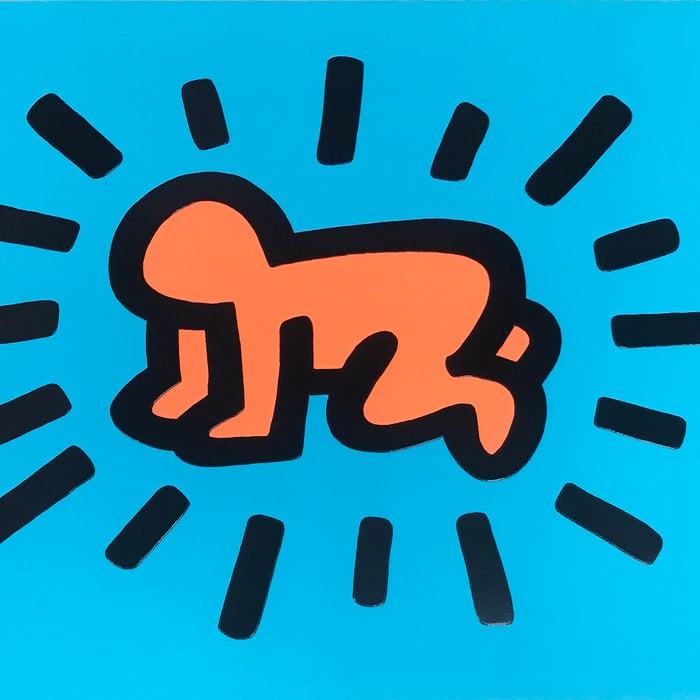
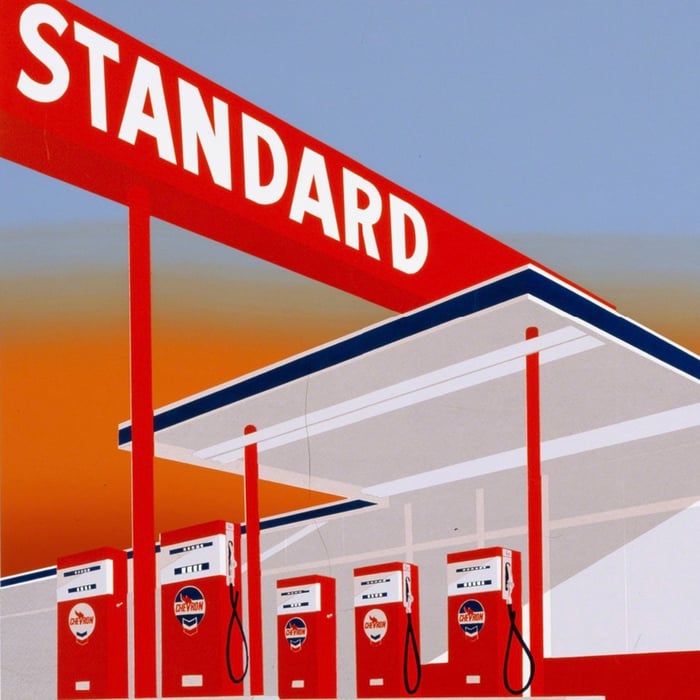

Contemporary art refers to avant-garde or innovative art created in the recent past or present day. The exact starting point of contemporary art varies depending on the institution, often tied to the founding year of museums or galleries that showcase the style. Contemporary art is characterized by its focus on current ideas, diverse media, and the exploration of new concepts and techniques.

Plaster is a mixture of heat-treated powdered gypsum combined with water to create a workable material. It can be used to make solid sculptures, cast in molds, carved, modeled, or attached to other materials. Artists have used plaster for both working models and finished artworks for centuries due to its versatility.
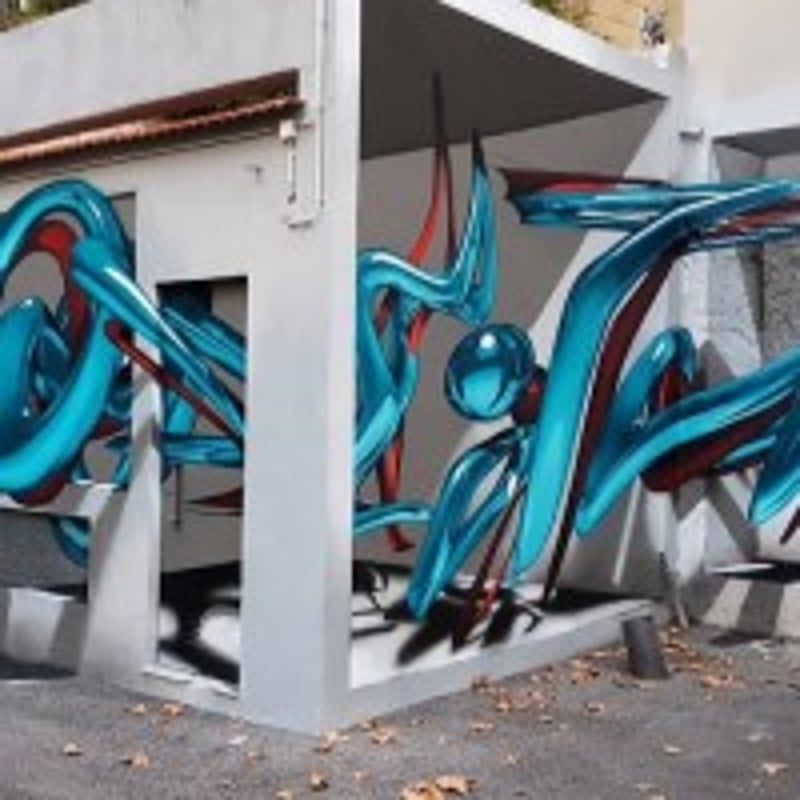
Hypermodernism is a cultural and artistic movement that emerged in the late 20th and early 21st centuries, characterized by an intense embrace of technology and a focus on speed, complexity, and the future. This movement often challenges traditional modernist values by emphasizing hyper-reality, where the boundaries between reality and virtuality blur. Hypermodernism is evident in architecture, design, and visual arts, where artists and creators use advanced digital tools and futuristic aesthetics to explore themes of globalization, identity, and the impact of technology on society.
Can't find your Answer?
Thank you! Your question has been sent — we'll get back to you shortly.
