
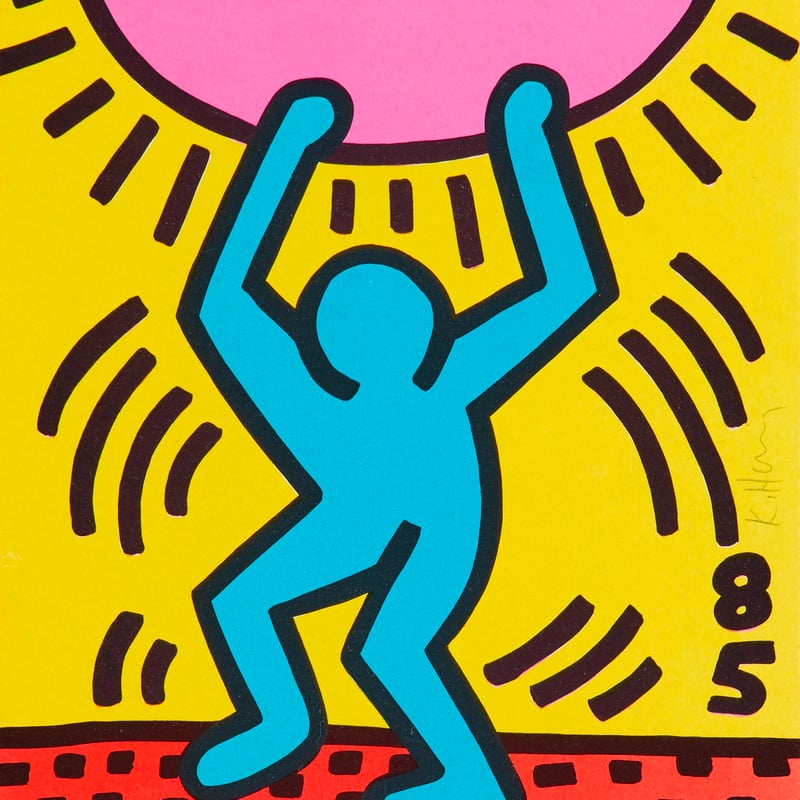
United States
The contemporary art scene in the United States is a dynamic fusion of diverse traditions and avant-garde explorations, resonating across the global art spectrum. Institutions like the Museum of Modern Art in New York and the Los Angeles County Museum of Art are central to this discourse, spotlighting artists from different backgrounds and mediums. Notable figures such as Jeff Koons, known for his monumental public sculptures, and Kara Walker, recognized for her poignant silhouettes and murals, contribute to the vibrant US artistic landscape. Major events like Art Basel Miami further underline the country's role as a nexus of contemporary art. Dive into the robust and compelling art scene of the United States on Composition Gallery's website.
- Show All
- Established
- Discoveries
- Show All
Artworks Related to United States
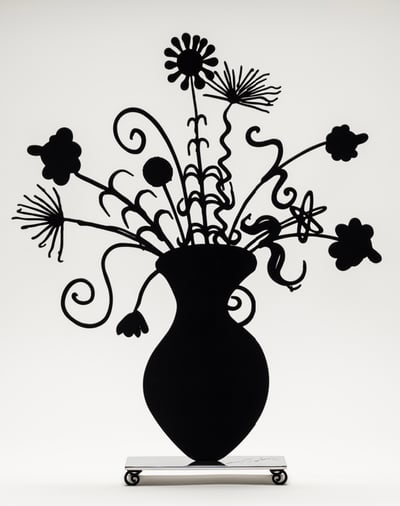
Kenny Scharf
Flores Black, 2020
Sculpture / Object
Mixed Media
USD 14,700

Donald Sultan
Lantern Flowers - Yellow/White background, 2017
Limited Edition Print
Silkscreen
USD 4,250
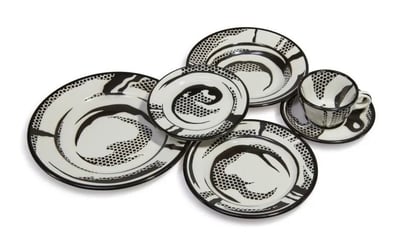
Roy Lichtenstein
Dinnerware: One Setting, 1966
Sculpture / Object
Ceramic
USD 4,300
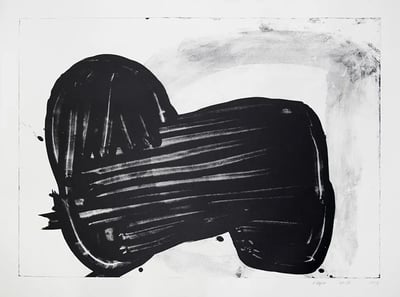
Joel Shapiro
Untitled (1), 1979
Limited Edition Print
Lithograph
USD 1,990
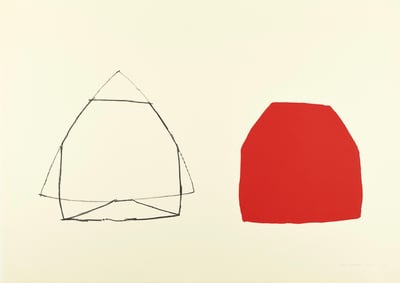
Joel Shapiro
Untitled (Double Red), 1980
Limited Edition Print
Lithograph
USD 1,990
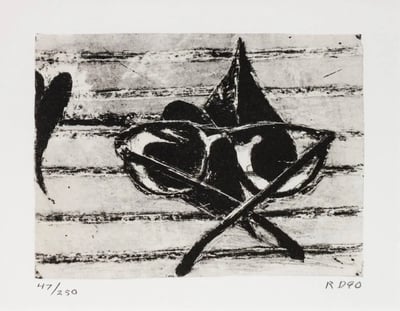
Richard Diebenkorn
Untitled (for Harvey Gantt), 1990
Limited Edition Print
Lithograph
USD 3,400

Richard Diebenkorn
Softground Y, 1982
Limited Edition Print
Etching
Currently Not Available
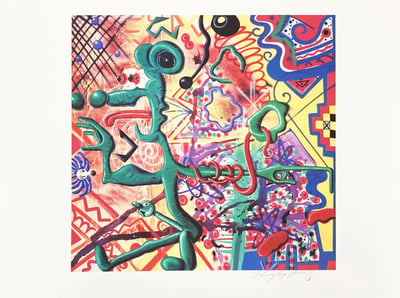
Kenny Scharf
Ratfinkbonerthunk, 1990
Limited Edition Print
Serigraph
Currently Not Available
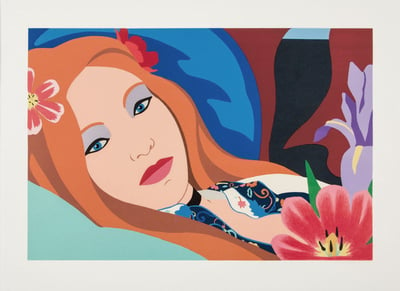
Tom Wesselmann
Lulu, 1982
Limited Edition Print
Lithograph
Currently Not Available
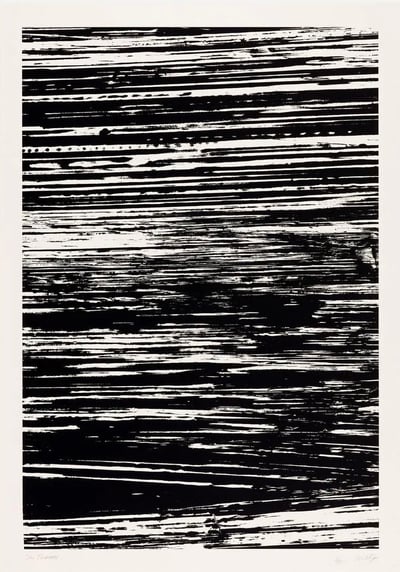
Ellsworth Kelly
The Thames, 2005
Limited Edition Print
Lithograph
USD 11,700

Tom Wesselmann
Monica sitting with Mondrian, 1989
Limited Edition Print
Screen-print
USD 40,000 - 45,000

James Rosenquist
Somewhere to Light, 1966
Limited Edition Print
Screen-print
USD 6,600
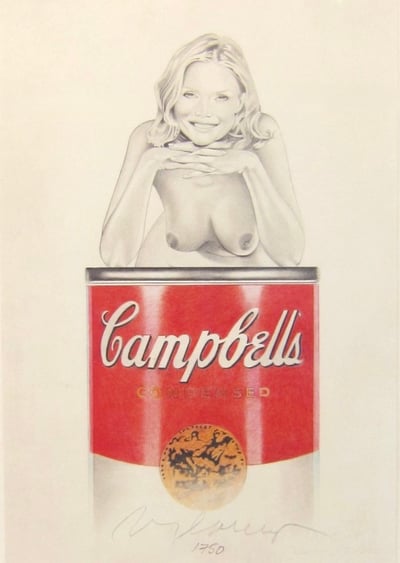
Mel Ramos
Suzy Soup, 2010
Limited Edition Print
Silkscreen
USD 6,600
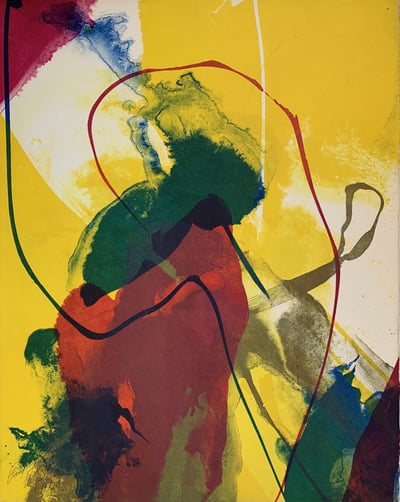
Paul Jenkins
Untitled (Vibrant Currents), 1972
Limited Edition Print
Lithograph
USD 3,300
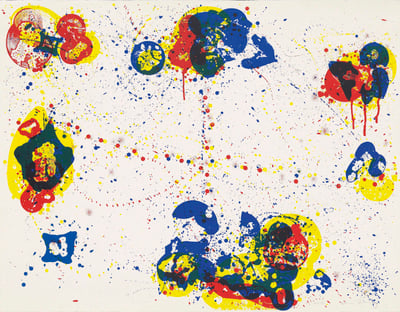
Sam Francis
Web (SFS-136), 1972
Limited Edition Print
Screen-print
USD 23,000
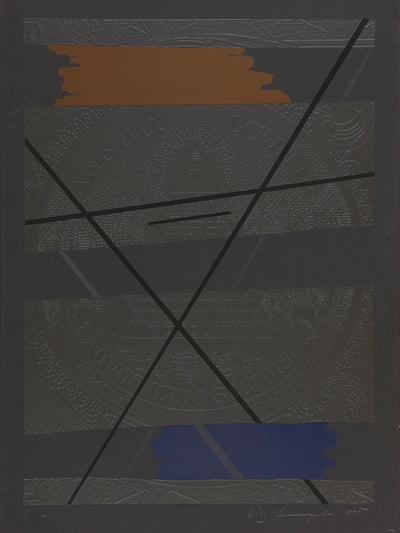
Allan D'Arcangelo
Beginnings, 1975
Limited Edition Print
Mixed Media
USD 1,500
Related Articles

Tansaekhwa, also known as monochrome painting, is a movement in Korean art that began in the mid-1970s. These artworks are characterized by the manipulation of painting materials, such as pushing paint, soaking the canvas, ripping paper, or other techniques that alter the medium. Tansaekhwa emphasizes texture, materiality, and the physical process of creating the artwork.
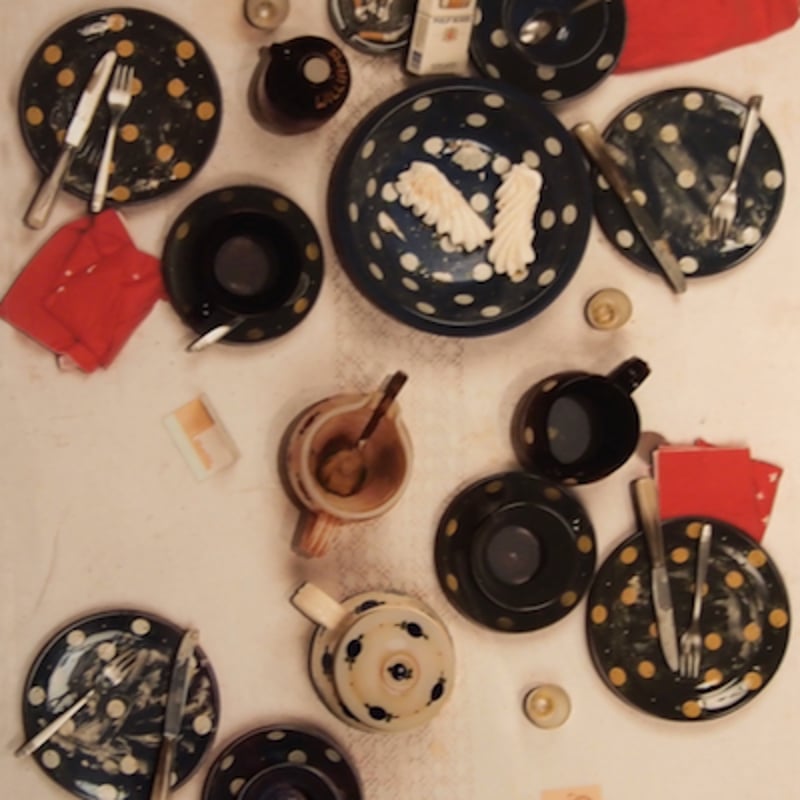
Nouveau Réalisme is an artistic movement founded in 1960 by art critic Pierre Restany and painter Yves Klein during a collective exhibition at a gallery in Milan. Restany wrote the original manifesto in April 1960, proclaiming the movement. In October of that year, nine artists, including Martial Raysse, Yves Klein, Daniel Spoerri, Jean Tinguely, Arman, Pierre Restany, and three Ultra-Lettrists—Jacques de la Villeglé, François Dufrêne, and Raymond Hains—signed the declaration. In 1961, the movement expanded to include Mimmo Rotella, Niki de Saint Phalle, Gérard Deschamps, and César. The movement emphasized a return to reality in art, often incorporating everyday objects and exploring the boundaries between art and life.
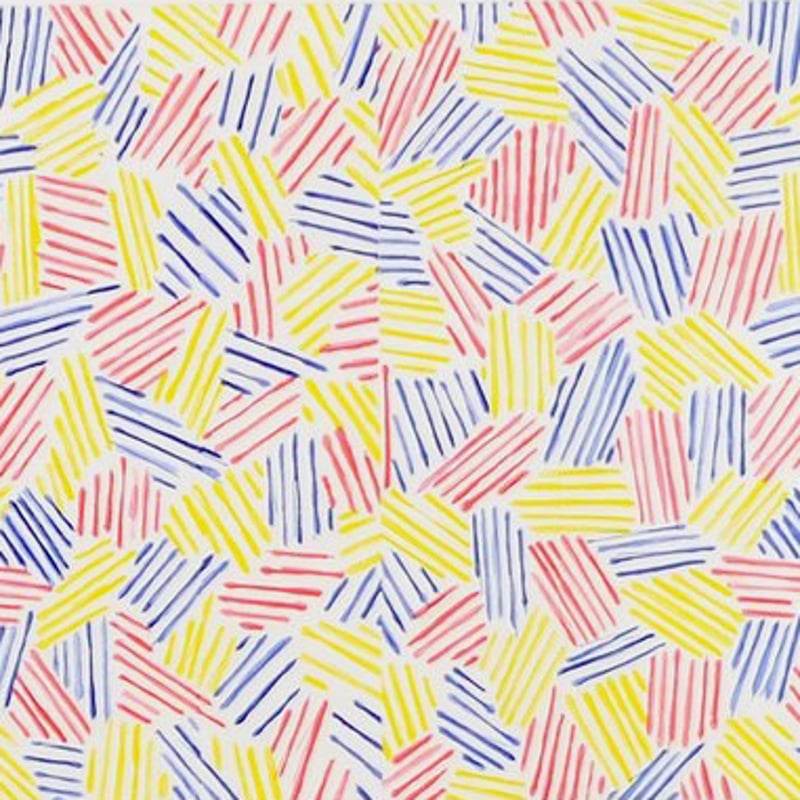
Intaglio is a printmaking technique where a design is incised below the surface of a metal or stone plate. Ink is applied to the plate, filling the incised lines or depressions, while the surface is wiped clean. The ink in the depressions is then transferred to paper using an etching press. Common intaglio techniques include engraving, etching, and drypoint.
Can't find your Answer?
Thank you! Your question has been sent — we'll get back to you shortly.
