Chalk is a natural mineral, primarily composed of calcium carbonate. In art, chalk refers to sticks used for drawing, made from a mixture of chalk, colored pigments, and gum Arabic. These sticks are (...) read more
Art Glossary
Definitions of Art Forms, Mediums, and Movements
Image View

Image © Parilov/Shutterstock
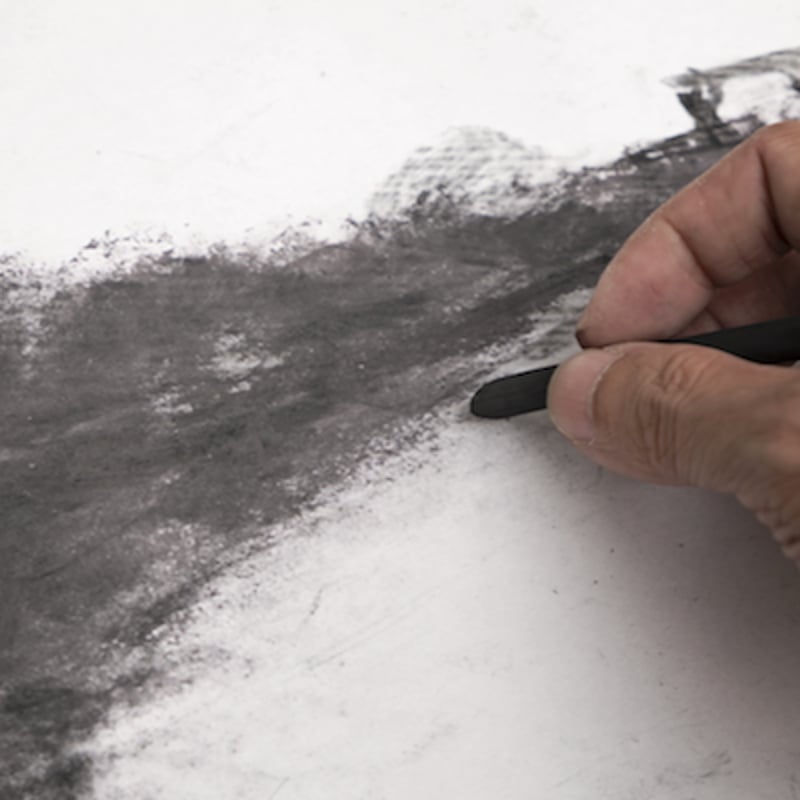
Charcoal is made from charred wood and is used in both initial sketches and finished drawings. It can be easily smudged or erased, making it versatile for corrections. To make charcoal drawings (...) read more

Chile's contemporary art scene vibrates with creativity, reflecting the nation's unique geographical and cultural diversity. Esteemed institutions such as the Museum of Contemporary Art in Santiago (...) read more

China's dynamic contemporary art landscape, steeped in profound cultural heritage, showcases the nation's vibrant artistic evolution. Noteworthy spaces like the Ullens Center for Contemporary Art and (...) read more

Clay is a natural material formed when rocks break down over time due to weathering. Water carries the fine particles of earth, which accumulate as a soft, sticky substance called muck. This muck is (...) read more

Collage is a production art technique commonly used in visual arts where a new artwork is created by assembling various materials. These materials can include ribbons, newspaper and magazine (...) read more
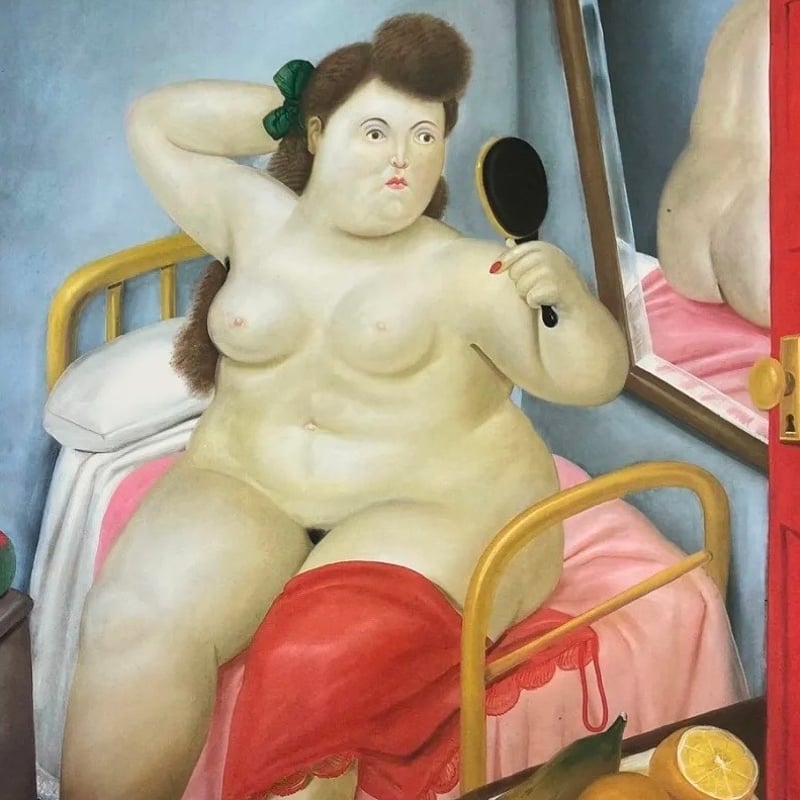
Colombia's vibrant contemporary art scene, a fusion of indigenous influences and modern movements, is a testament to its rich cultural heritage. The Museum of Modern Art in Bogotá and the Museum of (...) read more

Colored pencils consist of a core made from various colored pigments mixed with a binder, encased in wood. They can also be found as solid pigment sticks without the wooden casing. When drawing, the (...) read more
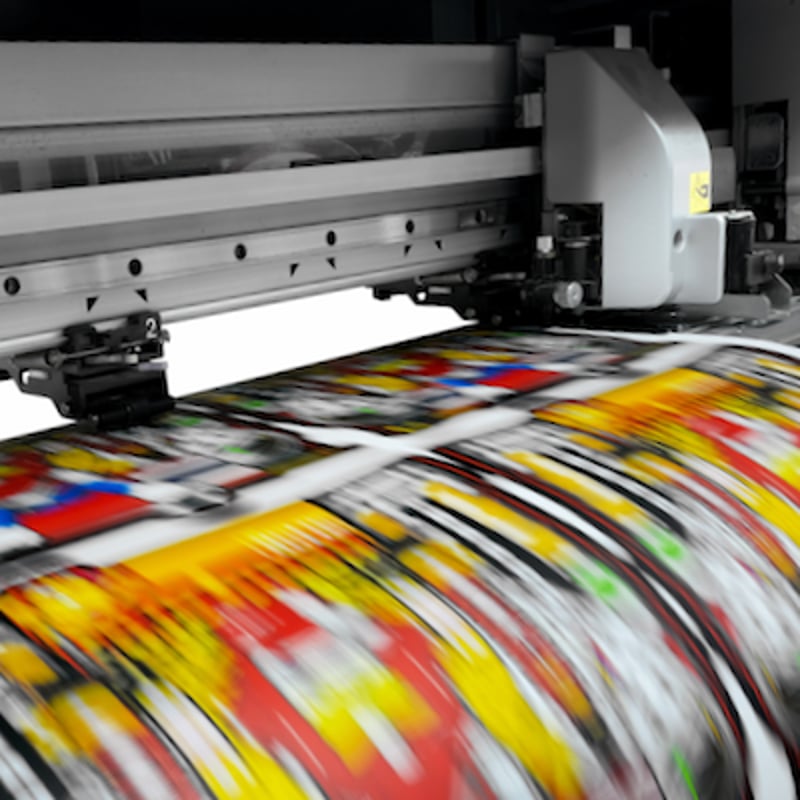
Computer printing involves using computer technology to reproduce fine art images as prints. In its basic form, this means creating digital versions of artwork that are printed onto paper. More (...) read more
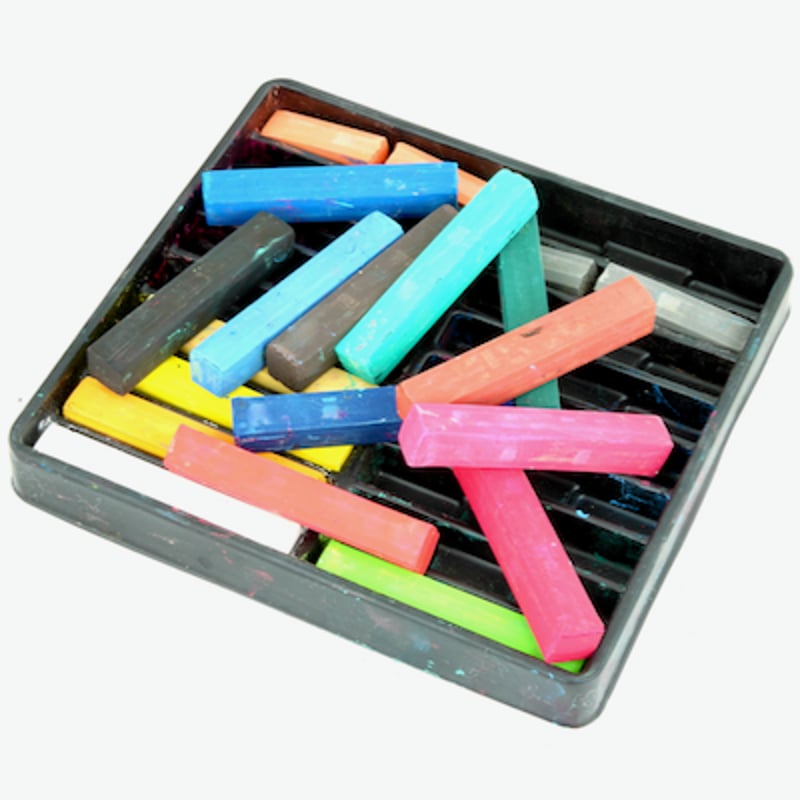
Conté is a vivid, waxy crayon invented by Nicolas-Jacques Conté in 1795. Artists use Conté crayons for detailed drawing, shading large areas, and blending colors. The tips can be sharpened with (...) read more

Crayon is a French word that means pencil. In art, a crayon is a stick made of colored wax, chalk, charcoal, or clay used for drawing and coloring. Crayons are typically made from paraffin wax, which (...) read more

Cuba's contemporary art scene offers a rich tapestry of creativity, profoundly shaped by its complex socio-political history. The Havana Biennial and the National Museum of Fine Arts are key hubs of (...) read more
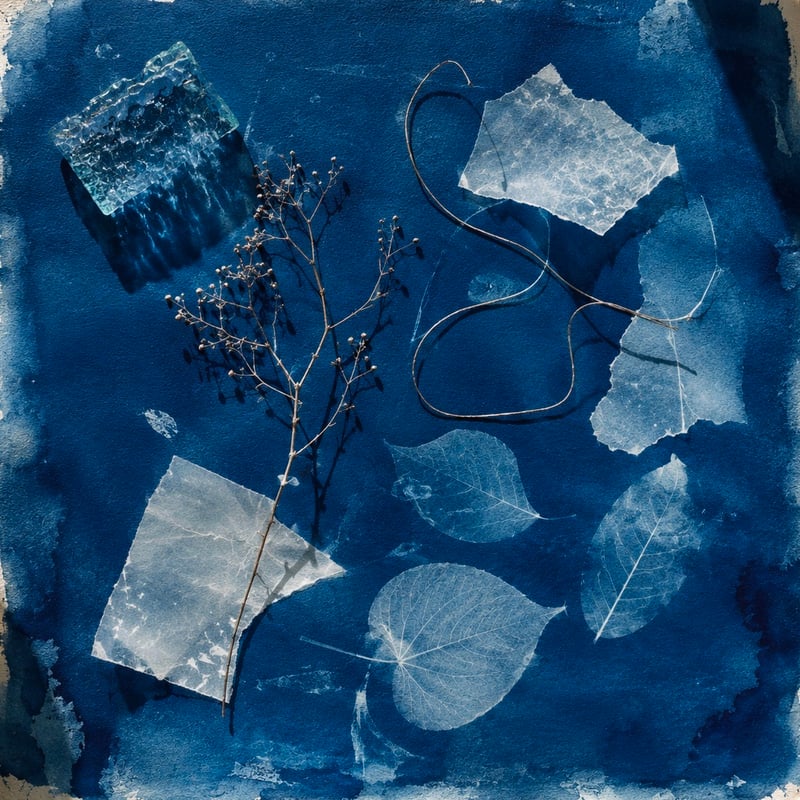
Cyanotype is a photographic technique that creates images in shades of blue, commonly known as blueprints. It involves coating a surface with a mixture of two chemicals, typically ferric ammonium (...) read more
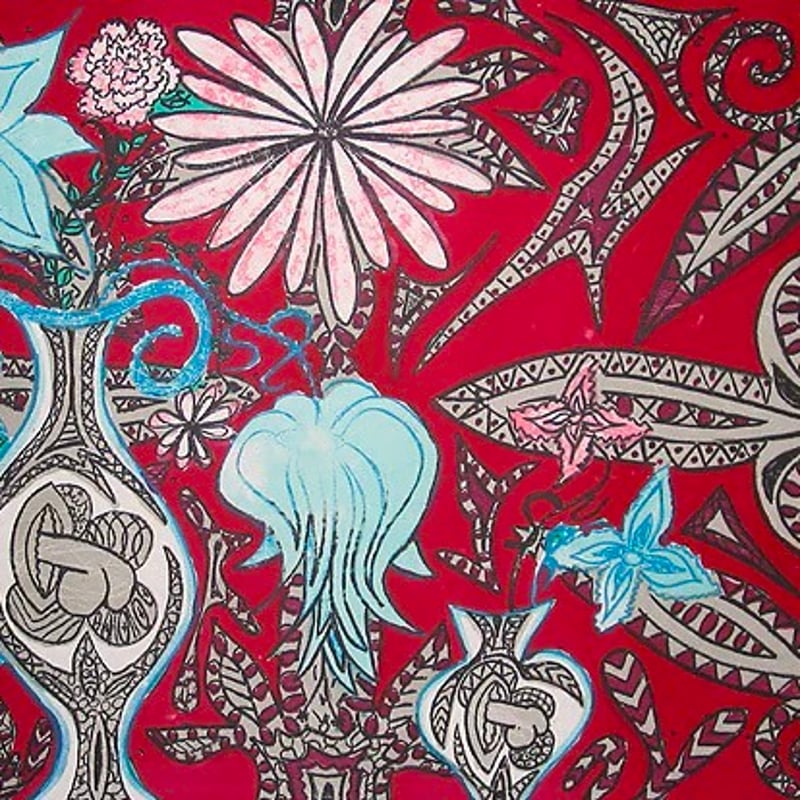
The Czech Republic boasts a vibrant contemporary art scene, rooted in its rich artistic heritage. The DOX Centre for Contemporary Art in Prague and the Moravian Gallery in Brno feature an array of (...) read more
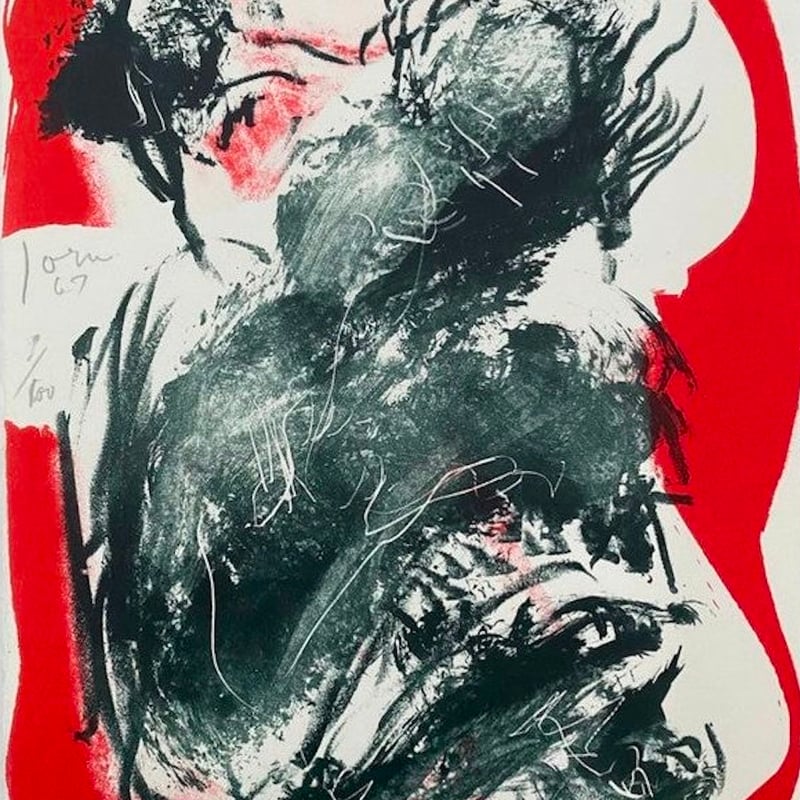
Denmark's thriving contemporary art scene, fueled by its rich design tradition and avant-garde influences, features a range of innovative artists. ARKEN Museum of Modern Art and the Louisiana Museum (...) read more

Digital art refers to art which is created using digital technology. It can be generated by computer, drawn or scanned with a tablet using a mouse. Video may be downloaded to computers so artists can (...) read more
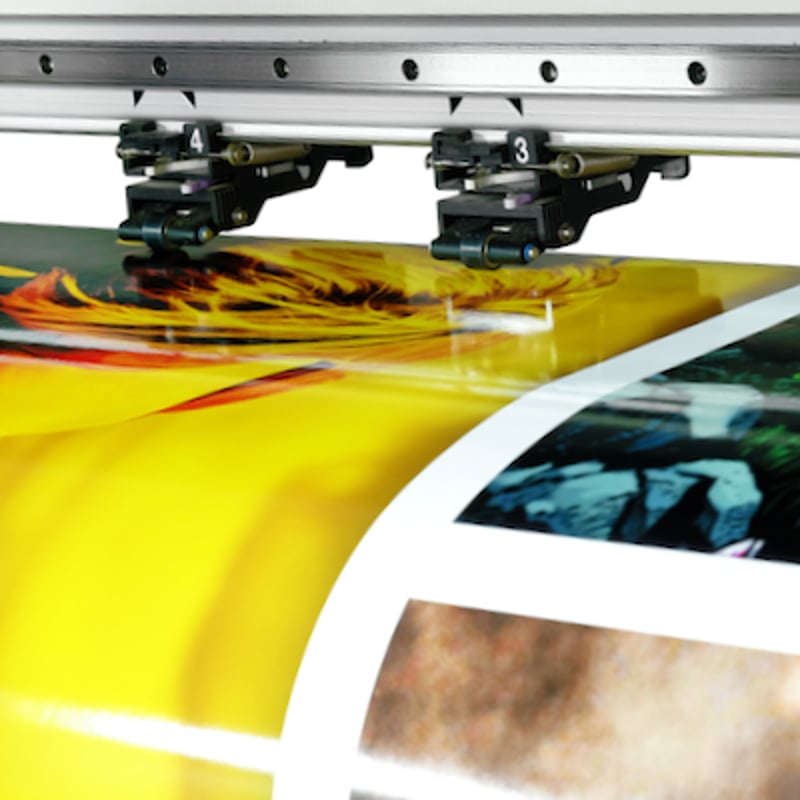
Digital print on paper refers to a digital image printed with archival-grade inks on high-quality, acid-free paper. This process ensures the print can last over twenty years if properly stored. The (...) read more
Digital print on canvas is a technology used to create fine art prints by reproducing digital photographs or artwork on canvas. The digital images are sent to professional printers that accurately (...) read more
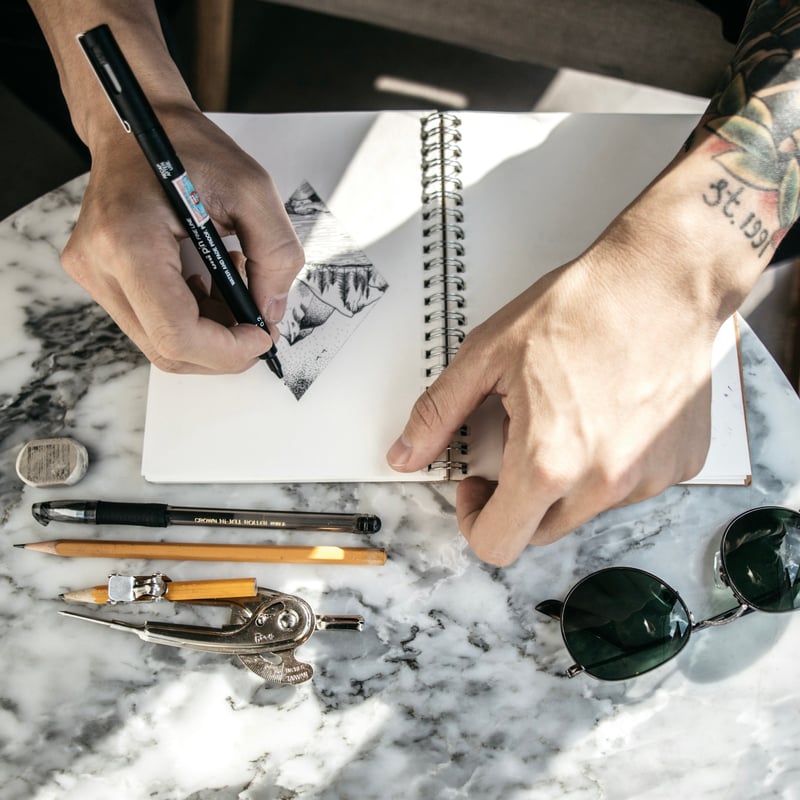
Drawing and watercolor are two traditional art techniques which stand alone as media, but are often used in conjunction with each other. Drawing can create the basic outlines for watercolor painting. (...) read more

Drypoint is an intaglio printmaking technique where an image is incised onto a plate using a sharp, pointed tool, typically a needle made of metal or diamond. Traditionally, copper plates were used, (...) read more
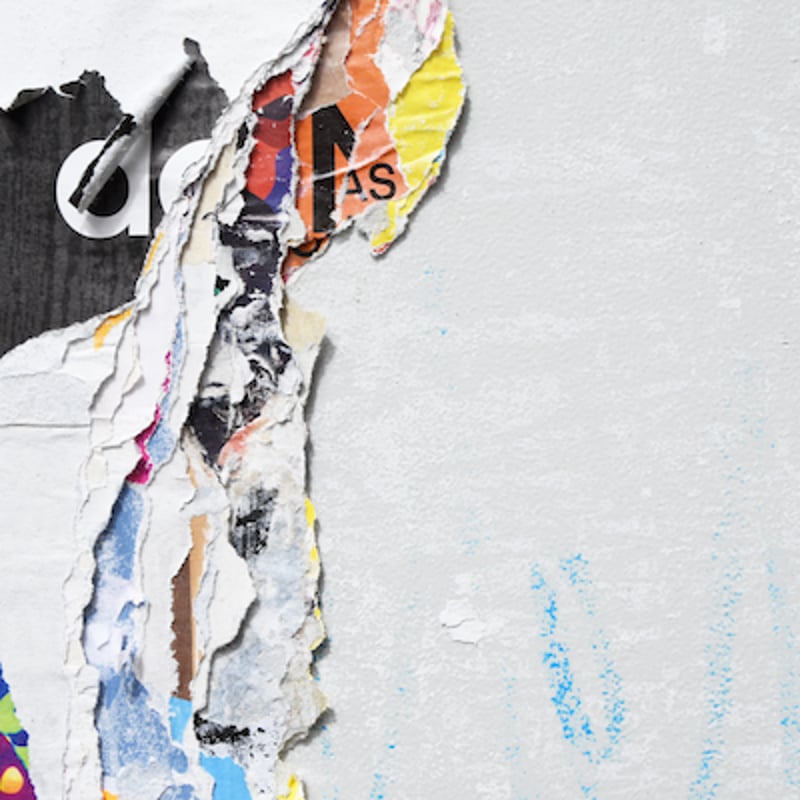
Décollage is an art technique involving the removal, cutting, or tearing away of parts of an original image. The term comes from the French word meaning to take off or to unstick. Artists use this (...) read more
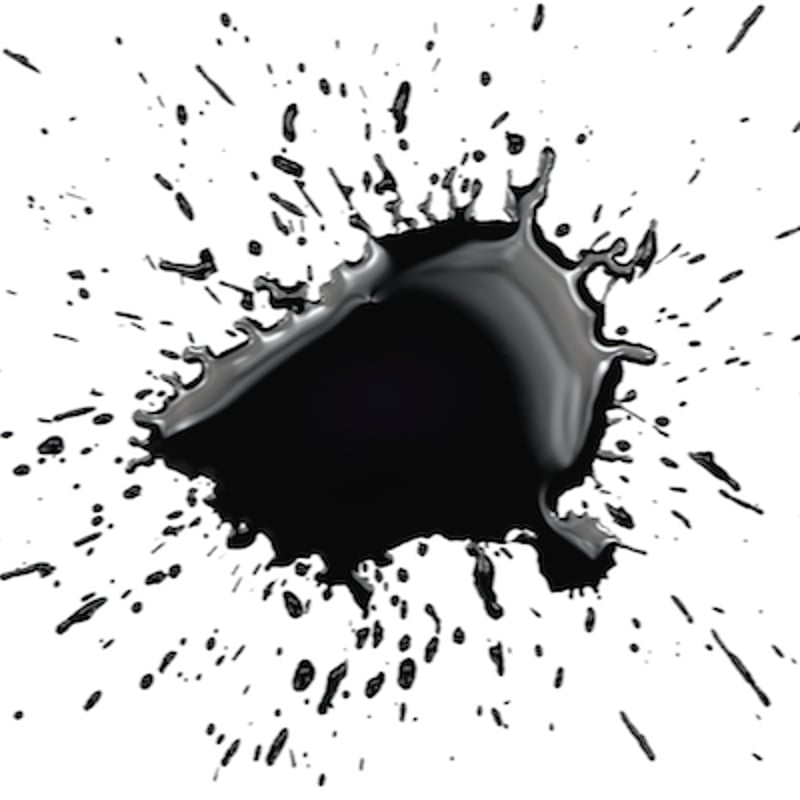
India ink is a medium made from fine soot, known as lampblack, combined with water and a binder, usually shellac, to create a black, waterproof ink. It has been used in India since the 4th century (...) read more
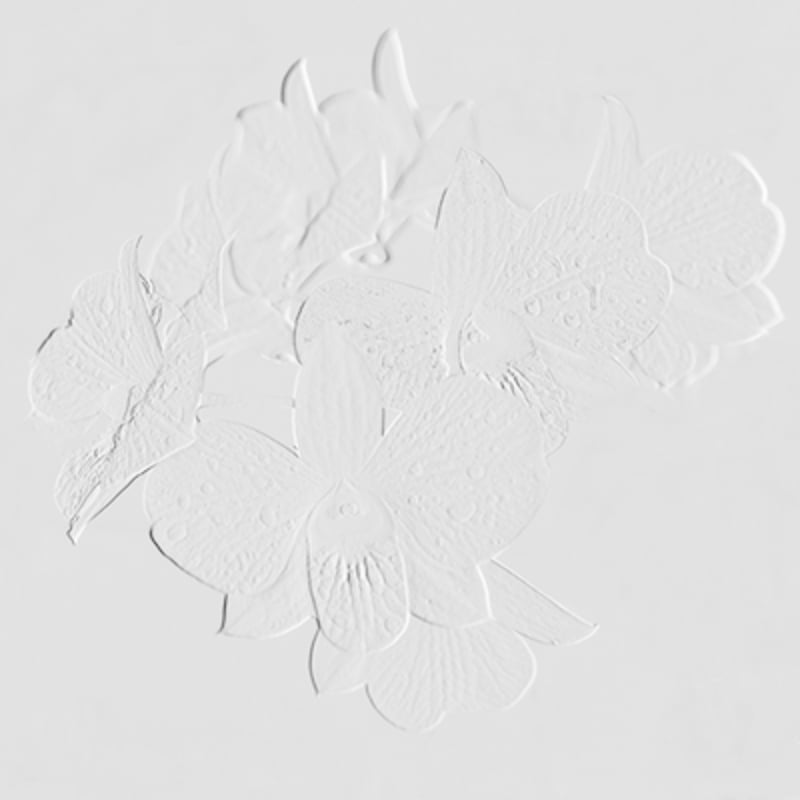
Embossing is a technique used to create raised designs or images on a surface, typically paper. Artists achieve this effect by altering the shape of the paper, often by pressing it from the reverse (...) read more

Engraving is a printmaking technique where a metal plate or surface is directly cut using a sharp engraving tool called a burin. The tool creates deep lines or grooves, which are then filled with (...) read more