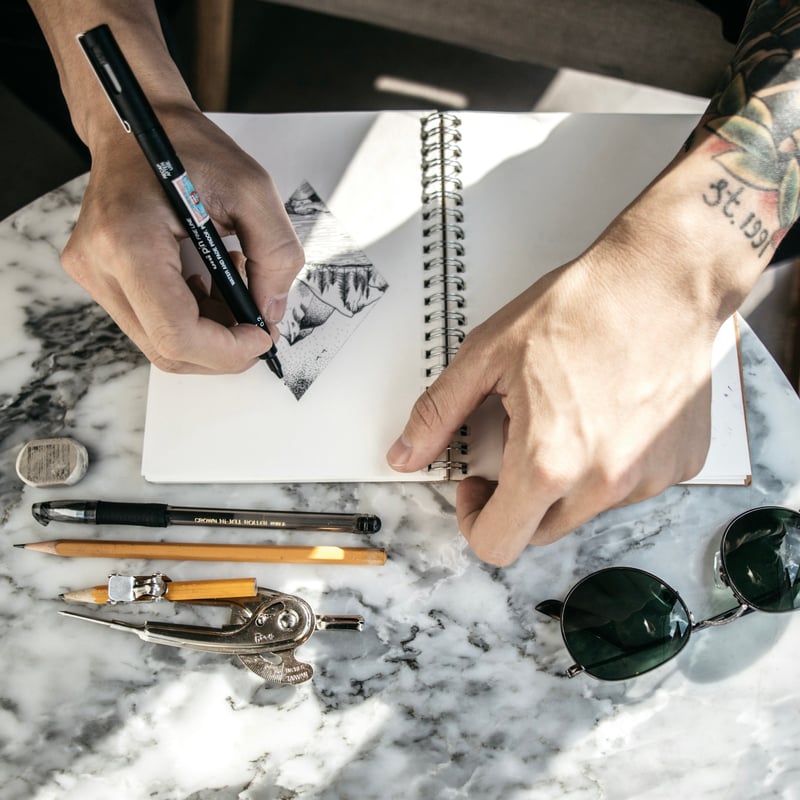
What is a drawing/watercolor?
Drawing and watercolor are two traditional art techniques which stand alone as media, but are often used in conjunction with each other. Drawing can create the basic outlines for watercolor painting. Drawing over dried watercolor or using watercolor pencils are combined media techniques.
- Show All
- Established
- Discoveries
- Show All
Artworks Related to Drawing / Watercolor

Walasse Ting
Natasha, 1997
Drawing / Watercolor
Mixed Media
Inquire For Price
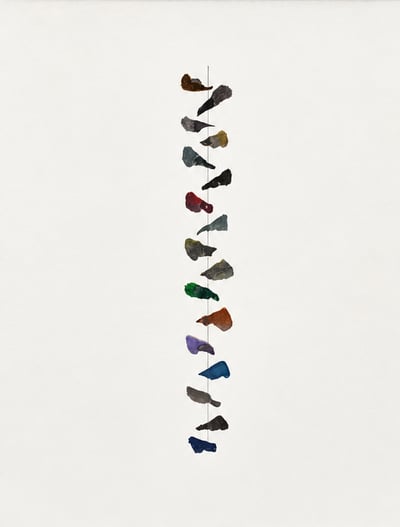
Richard Tuttle
Gouache for Yvon Lambert, 1973
Drawing / Watercolor
Gouache
EUR 14,300
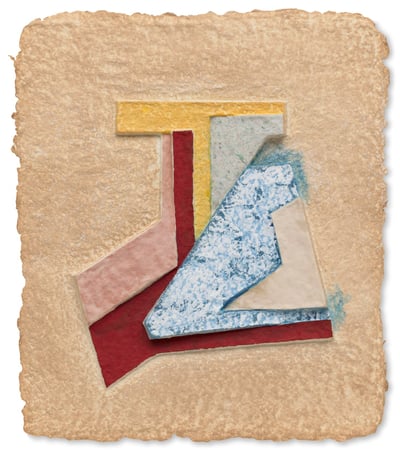
Frank Stella
Nowe Miastro (IV), from the Paper Relief Project, 1975
Drawing / Watercolor
Collage
USD 11,450
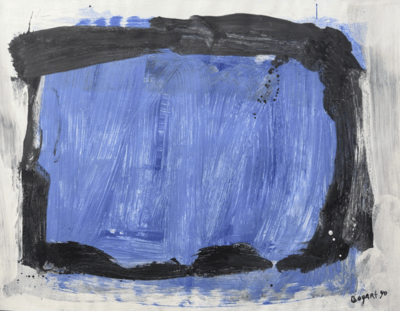
Bram Bogart
Composition abstraite, 1990
Drawing / Watercolor
Gouache
EUR 5,850
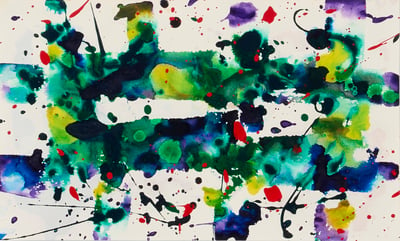
Sam Francis
Untitled (SF78-1010), 1978
Drawing / Watercolor
Acrylic on paper
EUR 21,200
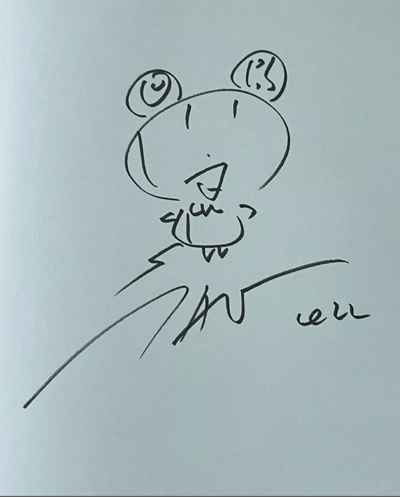
Takashi Murakami
Mr DOB, 2022
Drawing / Watercolor
Ink
GBP 15,000 - 19,500
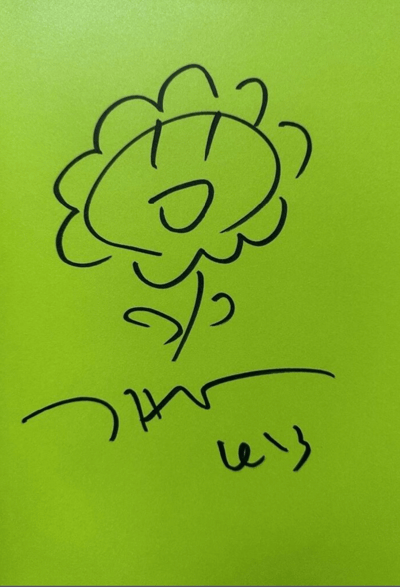
Takashi Murakami
Untitiled (Mr DOB), 2023
Drawing / Watercolor
Ink
GBP 17,500 - 22,700
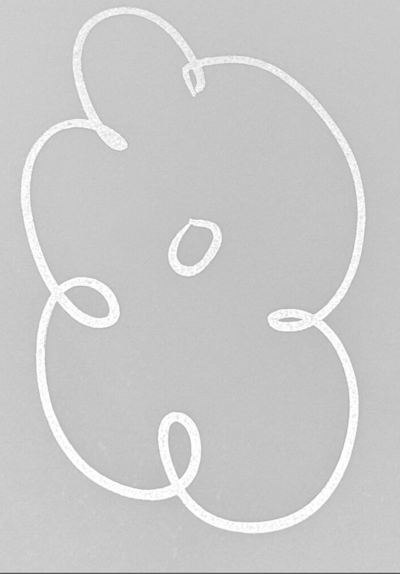
Jeff Koons
Untitled (flower), 1993
Drawing / Watercolor
Ink
GBP 35,000 - 45,000
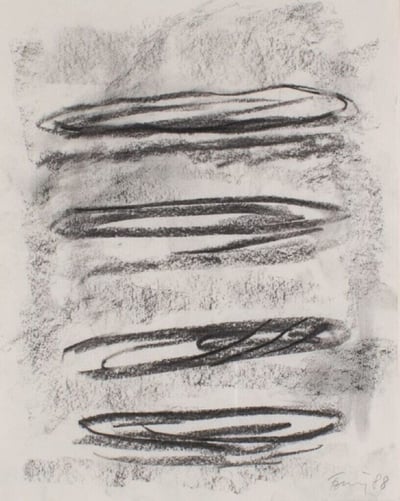
Gunther Forg
Untitled, 1988
Drawing / Watercolor
Charcoal
Inquire For Price
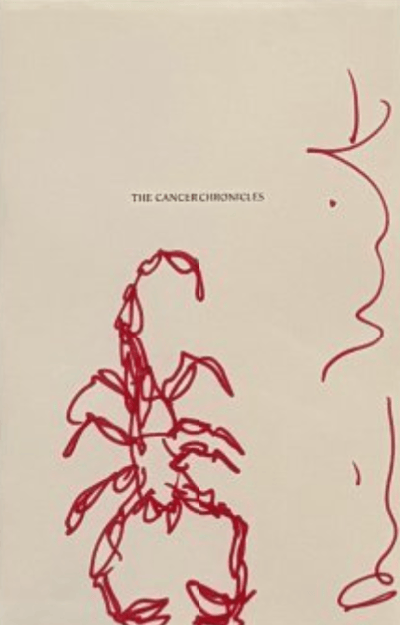
Damien Hirst
Untitled - Scorpion, 2003
Drawing / Watercolor
Pen and ink
Inquire For Price
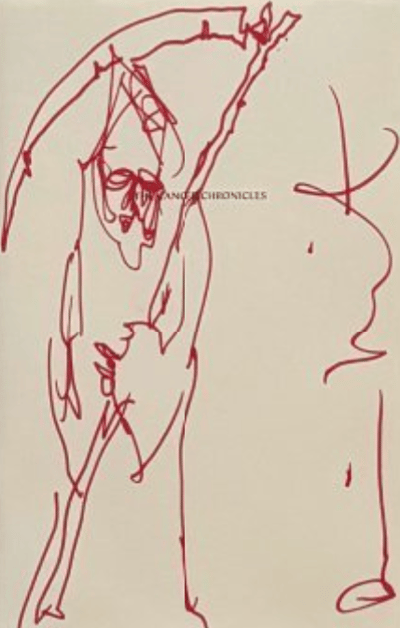
Damien Hirst
Untitled - grim reaper, 2003
Drawing / Watercolor
Mixed Media
Inquire For Price
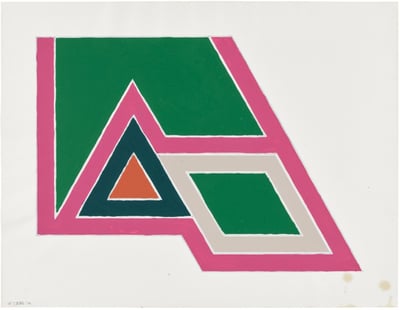
Frank Stella
Untitled (study for Sanbornville, from Eccentric Polygons), 1970
Drawing / Watercolor
Mixed Media
Inquire For Price
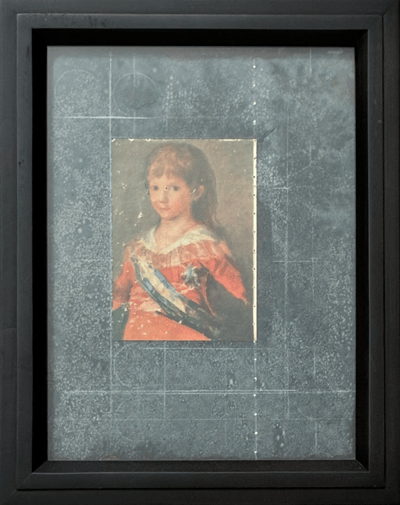
Joseph Cornell
Untitled, c. 960s
Drawing / Watercolor
Collage
Inquire For Price
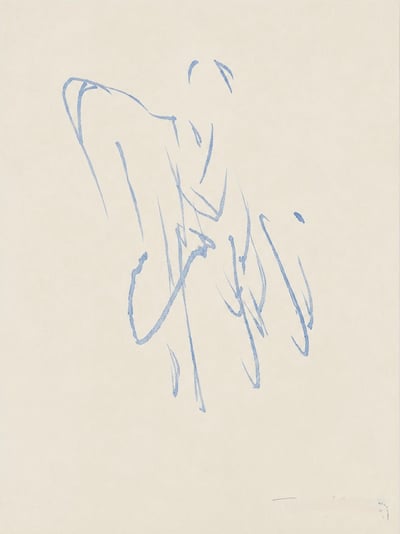
Jean Tinguely
Meta – Matic N9, 1960
Drawing / Watercolor
Pen and ink
EUR 500
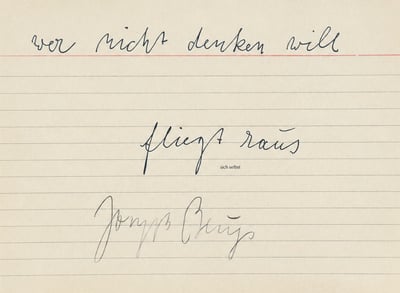
Joseph Beuys
Sich selbst (wer nicht denken will fliegt raus), 1977
Drawing / Watercolor
Mixed Media
EUR 700
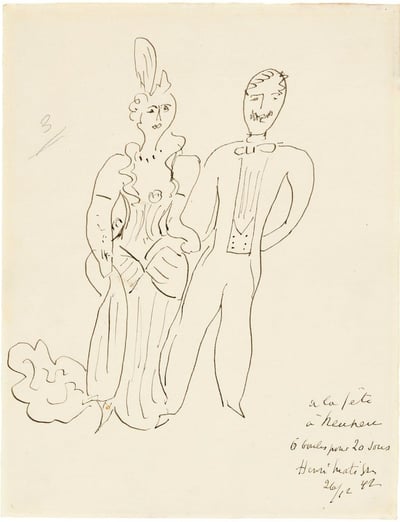
Henri Matisse
Homme et Femme, 1942
Drawing / Watercolor
Ink
Inquire For Price
Related Articles

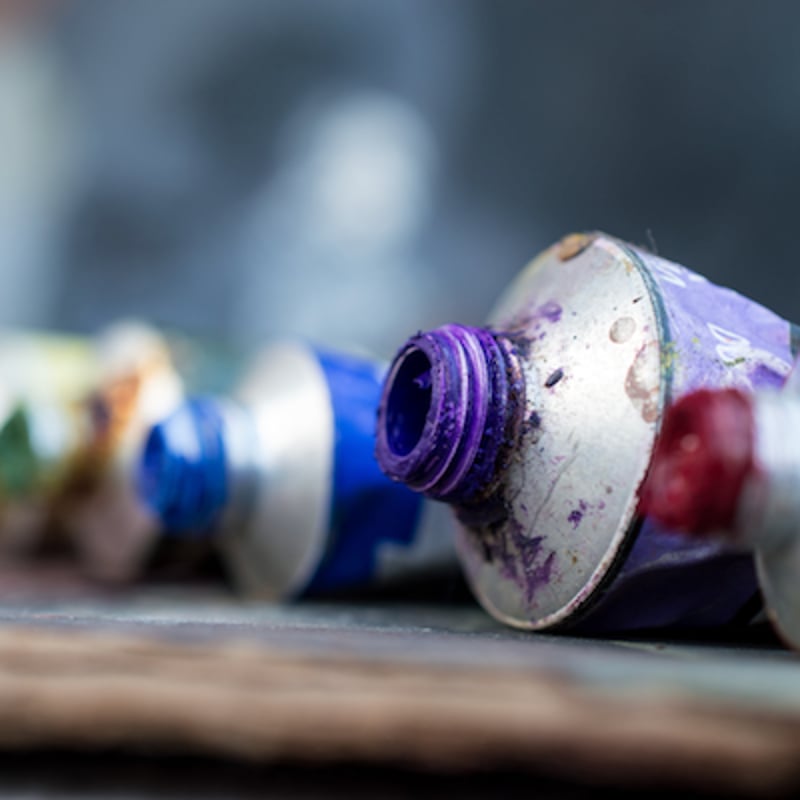
Tempera is a paint traditionally made by mixing colored pigments with egg yolk. It dries quickly and is highly durable, with some examples dating back to 100 AD still in existence. Modern tempera paint often uses glue size as a binder instead of egg yolk. Tempera is known for its bright colors and fine, detailed application, making it popular for panel paintings and icons.

A Polaroid print is an instant photograph produced using a Polaroid camera, which develops the image immediately after exposure. The camera's internal processing allows the photograph to develop and appear within minutes. The term Polaroid is also used more generally to refer to instant photographs and films produced by similar technologies.
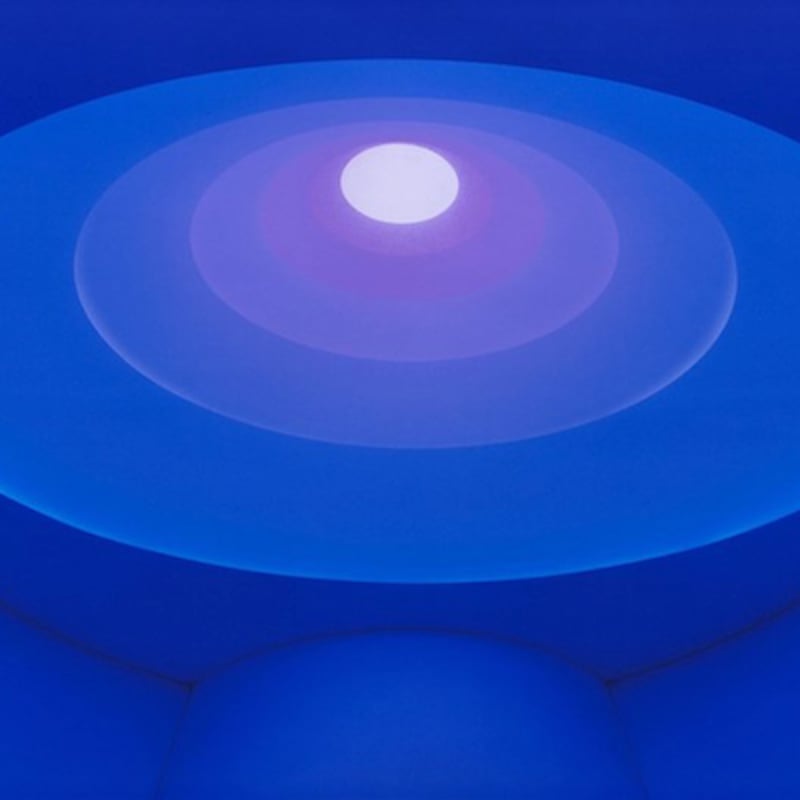
The Light and Space Movement refers to loosely affiliated art movements connected to minimalism, geometric abstraction, and op art that originated in Southern California in the 1960s. Greatly influenced by artist John McLaughlin, these artists focused on sensory phenomena such as light, perception, and space as central elements of their work. They also incorporated cutting-edge technologies from the aerospace and engineering industries to develop light-filled and sensuous objects, creating immersive experiences that emphasize the viewer's perception.
Can't find your Answer?
Thank you! Your question has been sent — we'll get back to you shortly.
