
Cuba
Cuba's contemporary art scene offers a rich tapestry of creativity, profoundly shaped by its complex socio-political history. The Havana Biennial and the National Museum of Fine Arts are key hubs of Cuban artistic expression. Artists like Yoan Capote and Tania Bruguera powerfully merge art with activism, contributing to Cuba's dynamic art landscape. Visit Composition Gallery's website to further explore the compelling world of Cuban contemporary art.
- Show All
- Established
- Discoveries
- Show All
Artworks Related to Cuba
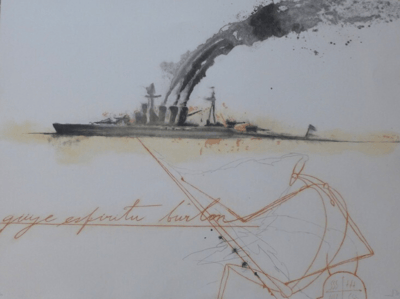
José Bedia
Güije espíritu burlón, 2009
Limited Edition Print
Etching
EUR 1,800
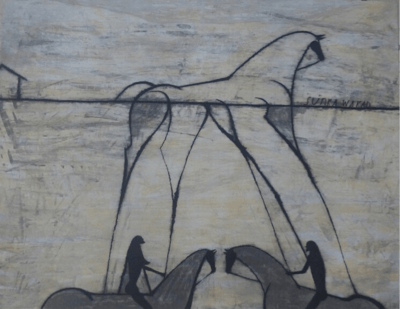
José Bedia
Sunka Wakan, 2007
Limited Edition Print
Etching
EUR 1,800
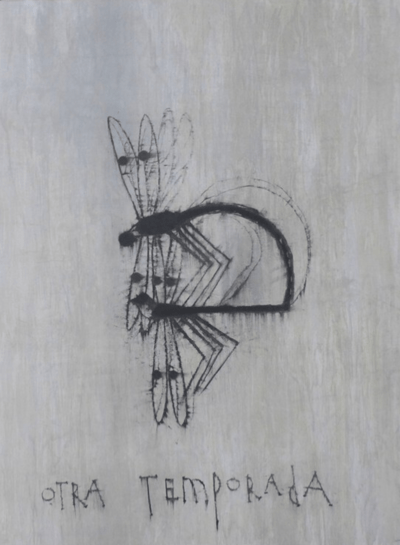
José Bedia
Otra temporada, 2008
Limited Edition Print
Etching
EUR 1,800
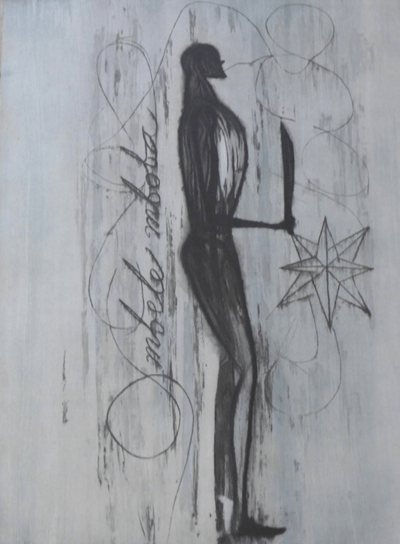
José Bedia
Mbele mboba, 1997
Limited Edition Print
Etching
EUR 1,800
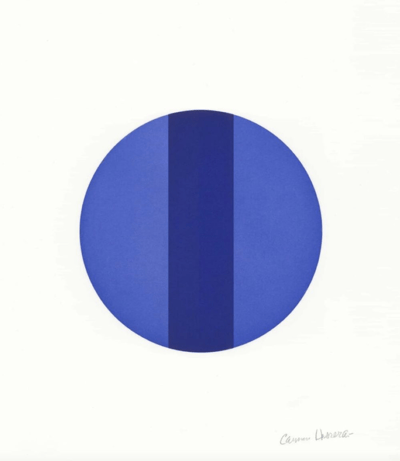
Carmen Herrera
Untitled (Vertical Blue Band), 2018
Limited Edition Print
Intaglio
Currently Not Available
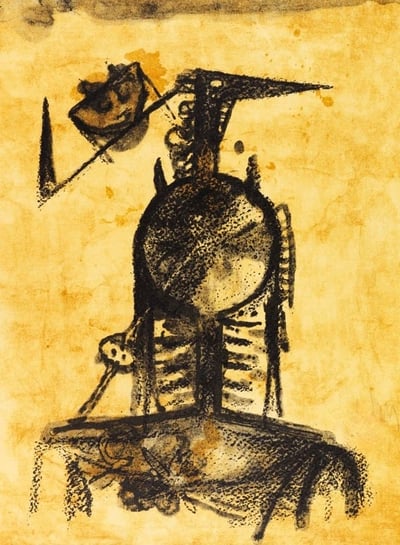
Wifredo Lam
Jean Cassou, 1975
Limited Edition Print
Lithograph
EUR 980
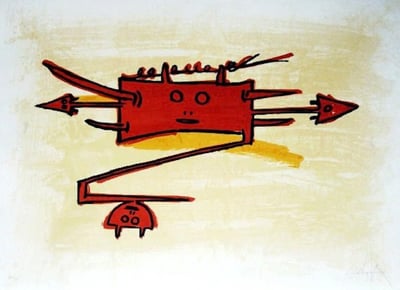
Wifredo Lam
El último viaje del buque fantasma VI, 1976
Limited Edition Print
Lithograph
EUR 850
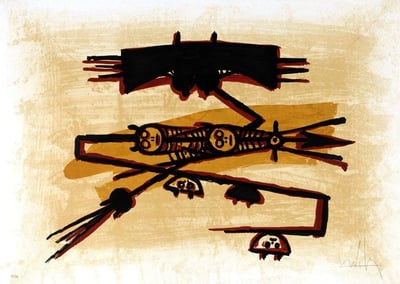
Wifredo Lam
El último viaje del buque fantasma III, 1976
Limited Edition Print
Lithograph
EUR 850
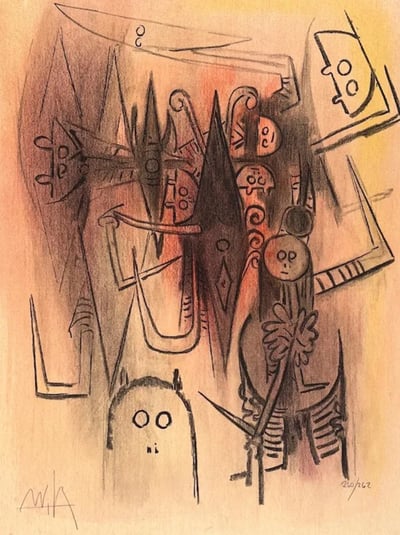
Wifredo Lam
Clairière (from Pleni Luna), 1974
Limited Edition Print
Lithograph
EUR 1,550
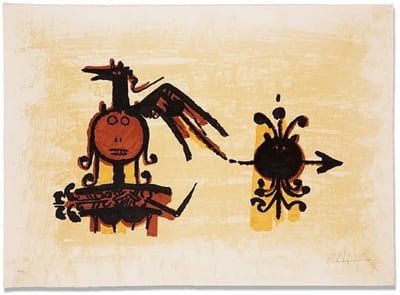
Wifredo Lam
The Last Voyage of the Ghost Ship 4, 1976
Limited Edition Print
Lithograph
EUR 1,350
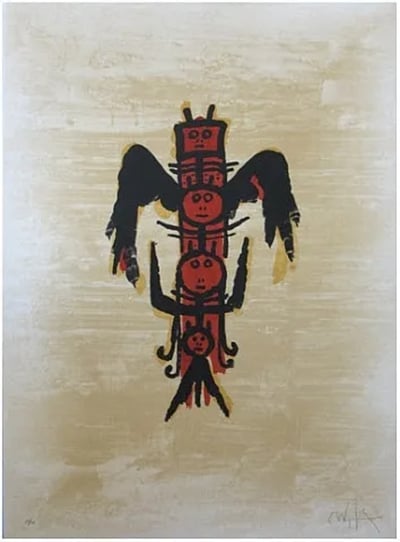
Wifredo Lam
The Last Voyage of the Ghost Ship 2, 1976
Limited Edition Print
Lithograph
EUR 1,350
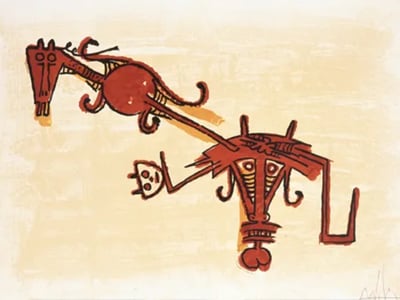
Wifredo Lam
The Last Voyage of the Ghost Ship 1, 1976
Limited Edition Print
Lithograph
EUR 1,350
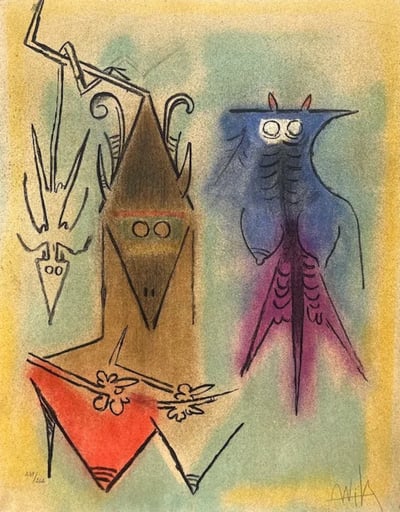
Wifredo Lam
Pleni Luna ( Demons familiers), 1974
Limited Edition Print
Lithograph
Currently Not Available
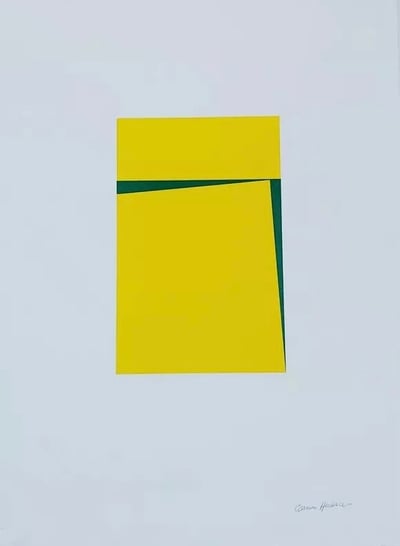
Carmen Herrera
Untitled (Yellow Divide), 2018
Limited Edition Print
Silkscreen
GBP 7,750
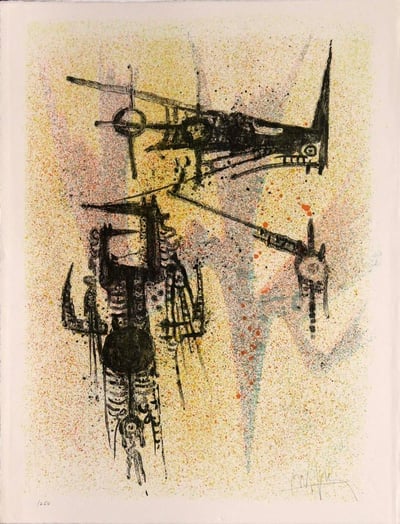
Wifredo Lam
Untitled (from the Flight), 1968
Limited Edition Print
Lithograph
USD 1,100

Carmen Herrera
Rojo y Negro (Red and Black), 1993
Limited Edition Print
Screen-print
GBP 5,400
Related Articles
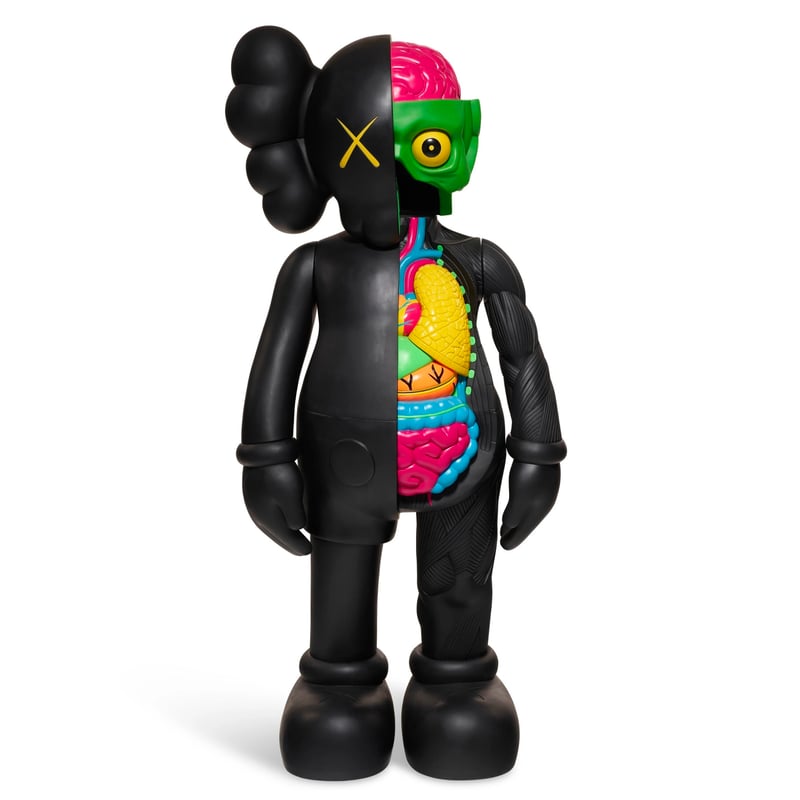

Digital art refers to art which is created using digital technology. It can be generated by computer, drawn or scanned with a tablet using a mouse. Video may be downloaded to computers so artists can manipulate images filmed with a video camera.
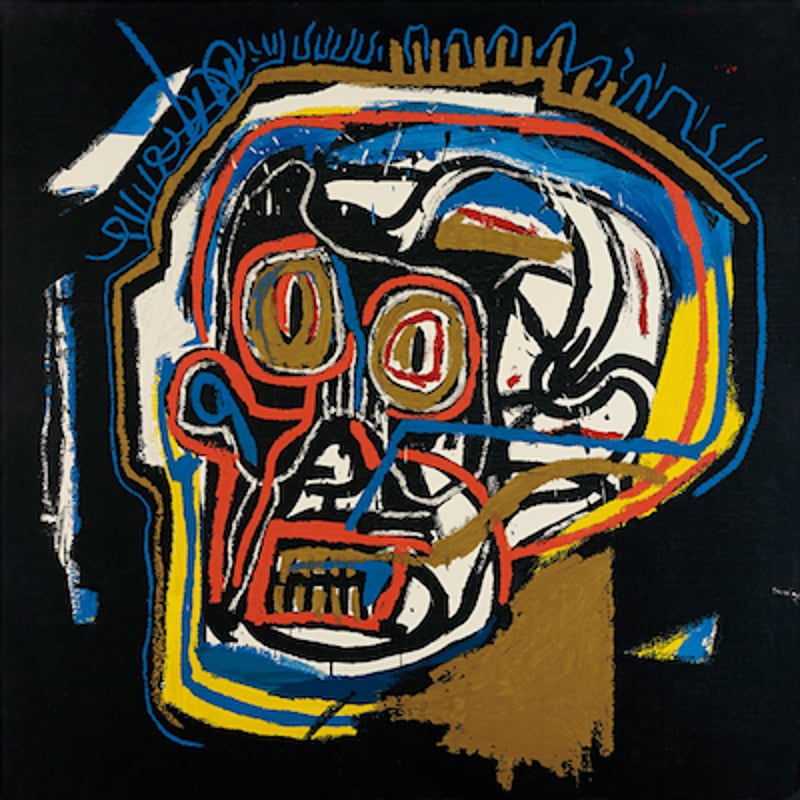
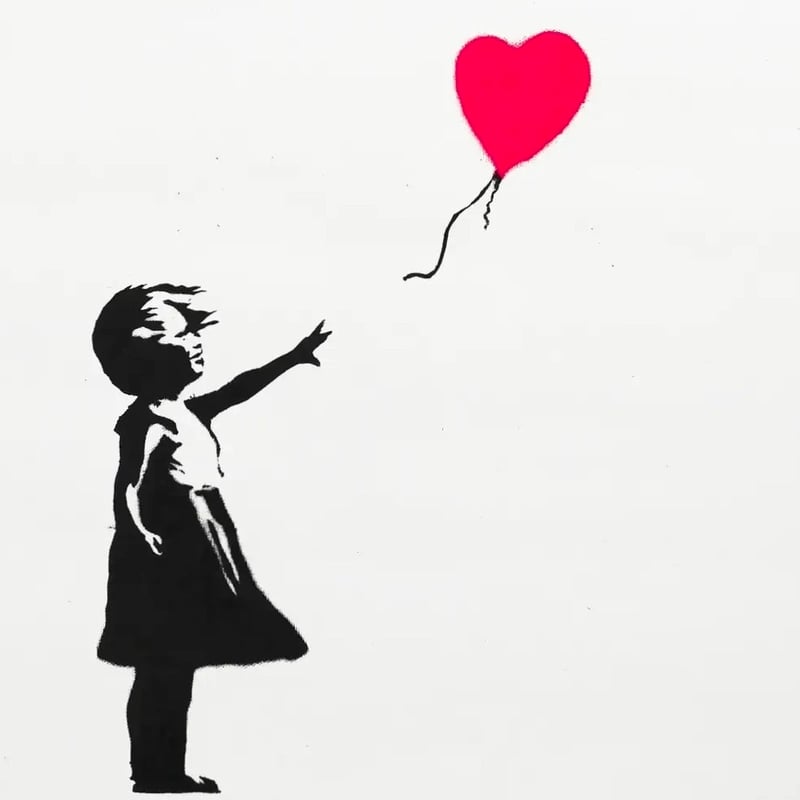
Street Art is artwork created and executed in public spaces, outside of traditional art venues. It gained popularity during the 1980s graffiti art boom and has since evolved into various forms and styles. Common forms of Street Art include pop-up art, sticker art, stencil graffiti, and street installations or sculptures. Terms like guerrilla art, neo-graffiti, post-graffiti, and urban art are often used interchangeably to describe this genre, which challenges conventional ideas about where and how art should be displayed.

Massurrealism is a portmanteau word coined by American artist James Seehafer in 1992. He observed a trend among postmodern artists who blended themes and aesthetic styles with mass media, including elements of pop art. Massurrealism is a development of surrealism that emphasizes the technological effects on the imagery of contemporary surrealism. The key difference between massurrealism and surrealism is that the latter was founded in Europe at the beginning of the 20th century, while massurrealism is rooted in the influence of modern technology and media.
Can't find your Answer?
Thank you! Your question has been sent — we'll get back to you shortly.
