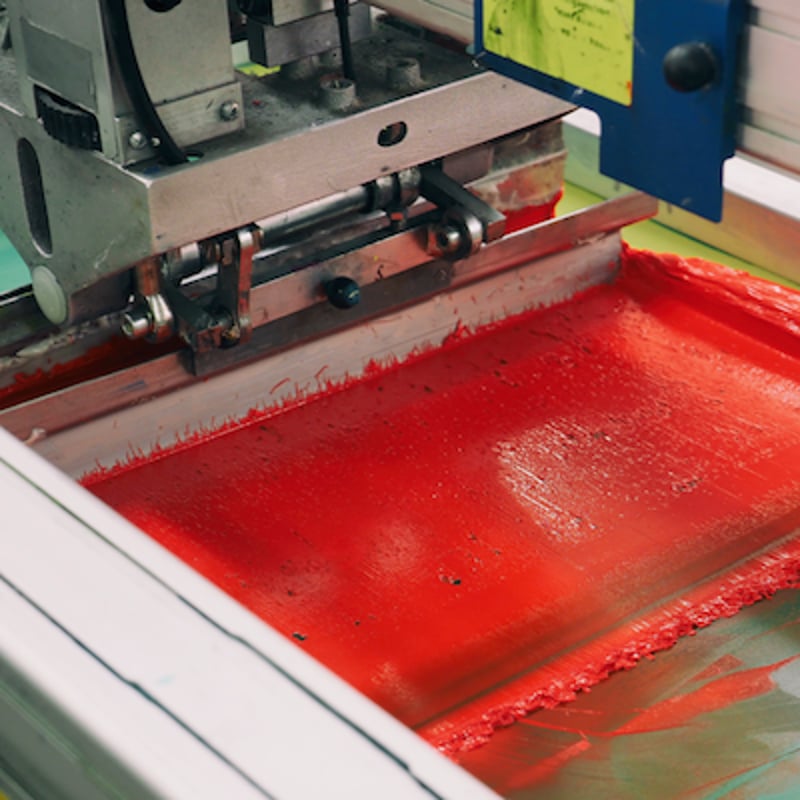
What is a silkscreen?
- Show All
- Established
- Discoveries
- Show All
Artworks Related to Silkscreen
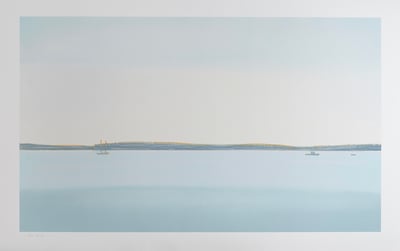
Alex Katz
Landscape, 2017
Limited Edition Print
Silkscreen
EUR 10,150

Bridget Riley
Going Across, 2001
Limited Edition Print
Silkscreen
Currently Not Available
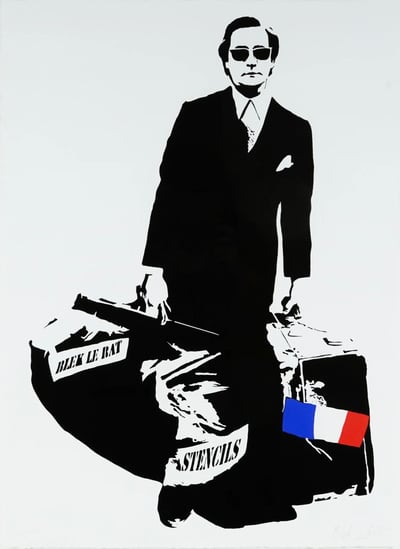
Blek Le Rat
Man Who Walks Through Walls, 2007
Limited Edition Print
Silkscreen
EUR 2,250
Andy Warhol
Private Listing
Limited Edition Print

Julian Schnabel
Roy, 1998
Limited Edition Print
Silkscreen
USD 4,800

Julian Schnabel
Guiseppe (Brooding on the vast Abyss), 1998
Limited Edition Print
Silkscreen
USD 4,800
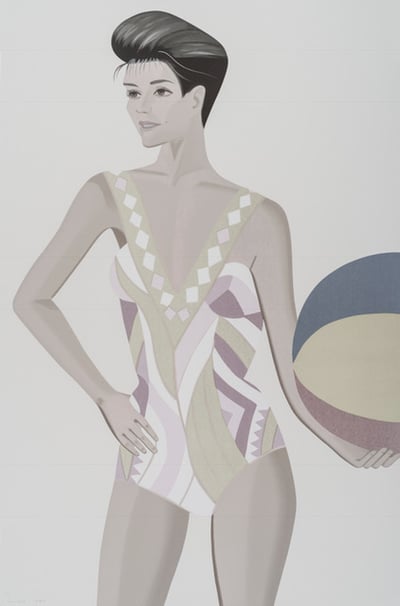
Alex Katz
Chance 3 (Darinka), 2016
Limited Edition Print
Silkscreen
USD 20,000 - 25,000

Alex Katz
Wildflowers, 2017
Limited Edition Print
Silkscreen
USD 20,000 - 30,000

Julian Schnabel
Bandini from View of Dawn in the Tropics Series, 1998
Limited Edition Print
Silkscreen
USD 4,700
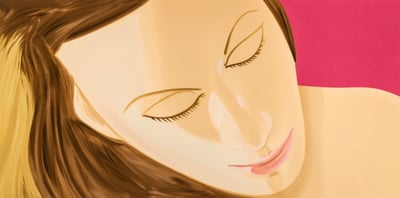
Alex Katz
Red Dancer 2, 2019
Limited Edition Print
Silkscreen
USD 25,000 - 30,000
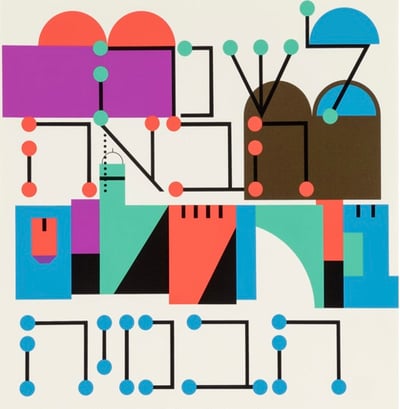
Yaacov Agam
Haggadah – Le Shana Haba’Ah (Next Year In Jerusalem), 1985
Limited Edition Print
Silkscreen
USD 450
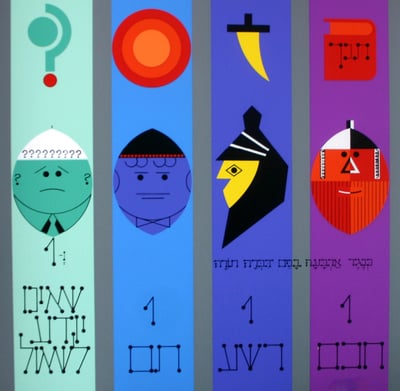
Yaacov Agam
Haggadah – Four Sons, 1985
Limited Edition Print
Silkscreen
USD 450
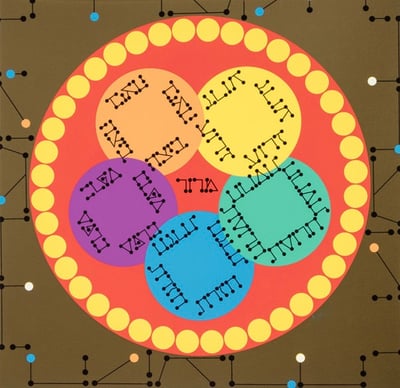
Yaacov Agam
Haggadah – Hakerara (The Seder Plate), 1985
Limited Edition Print
Silkscreen
USD 450
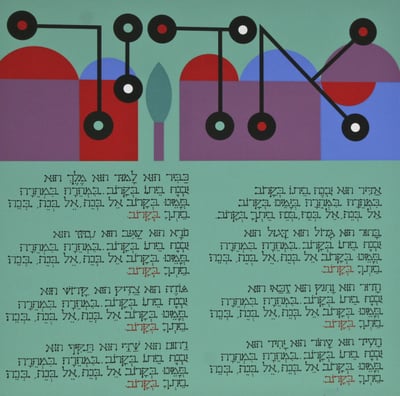
Yaacov Agam
Haggadah – Adir (Greatest), 1985
Limited Edition Print
Silkscreen
USD 450
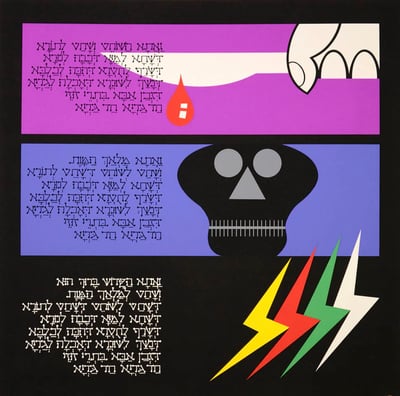
Yaacov Agam
Haggadah – Had Gadya #3 (The Little Lamb), 1985
Limited Edition Print
Silkscreen
USD 450

Yaacov Agam
Haggadah – Had Gadya #2 (The Little Lamb), 1985
Limited Edition Print
Silkscreen
USD 450
Related Articles

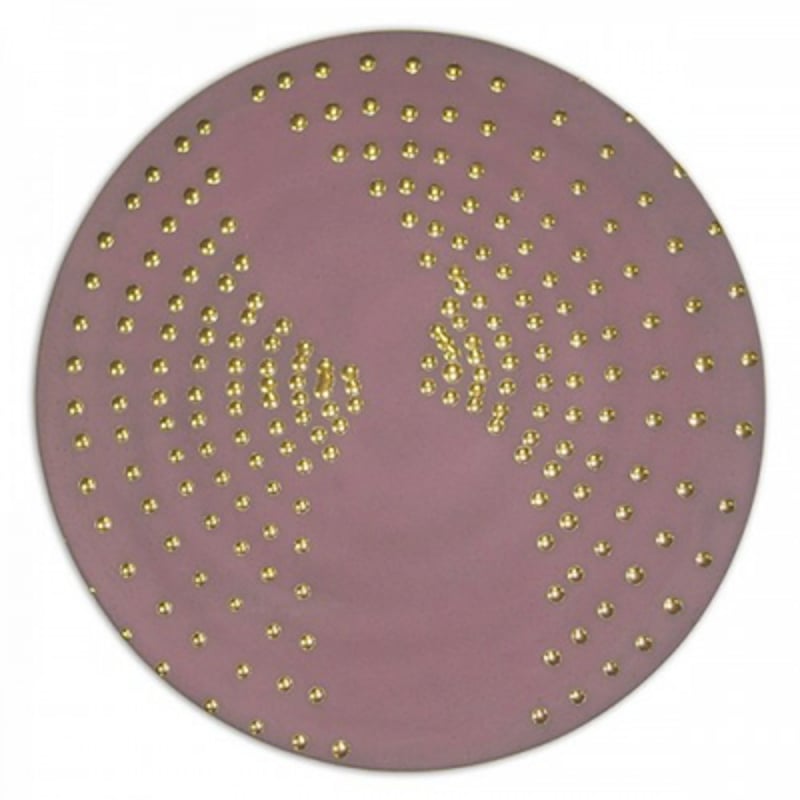
ZERO was an art movement founded by Otto Piene and Heinz Mack, aiming to develop into a large international and cross-border movement. The name ZERO originated from a magazine founded by Heinz Mack in 1957, which became a platform for the group's ideas. The magazine was published for several years before ceasing in 1967. The ZERO movement sought to create a new beginning in art, emphasizing light, space, and movement, and became influential in post-war European art.

Queer Aesthetics refers to an art movement that emerged in the 1980s, focusing on themes of homosexuality, lesbianism, and broader issues of identity and gender. This movement gained momentum in the context of the AIDS crisis and the feminist movement, challenging traditional representations of sexuality and gender. Queer Aesthetics often explores the fluidity of gender and identity, as seen in the works of artists like Nan Goldin, who is known for her photography of individuals with ambiguous or non-conforming gender presentations.
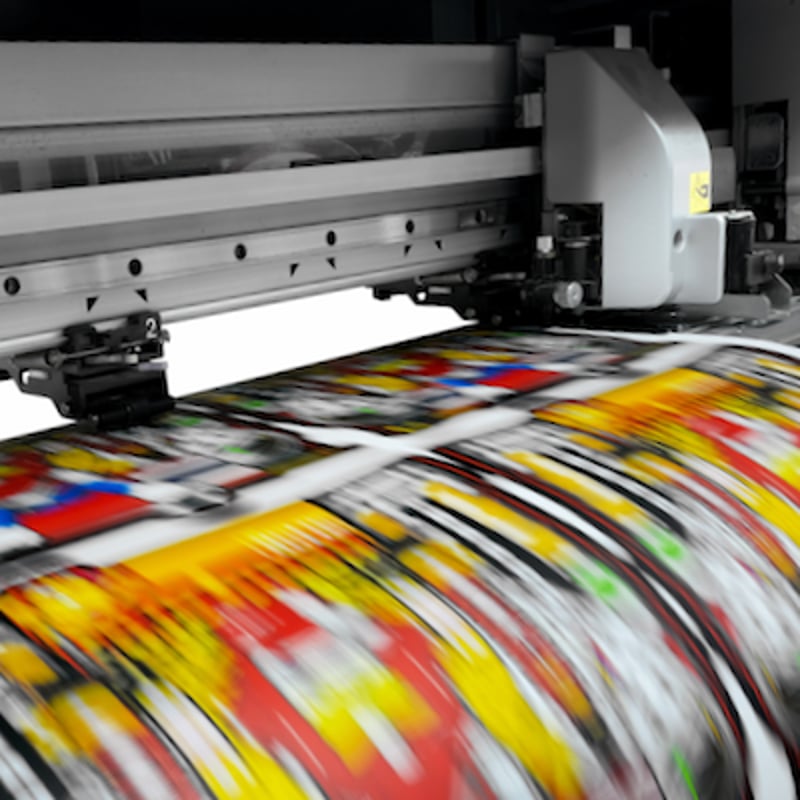
Computer printing involves using computer technology to reproduce fine art images as prints. In its basic form, this means creating digital versions of artwork that are printed onto paper. More advanced techniques allow artists to program computers to generate original art, which is then printed using various printing technologies.
Can't find your Answer?
Thank you! Your question has been sent — we'll get back to you shortly.
