
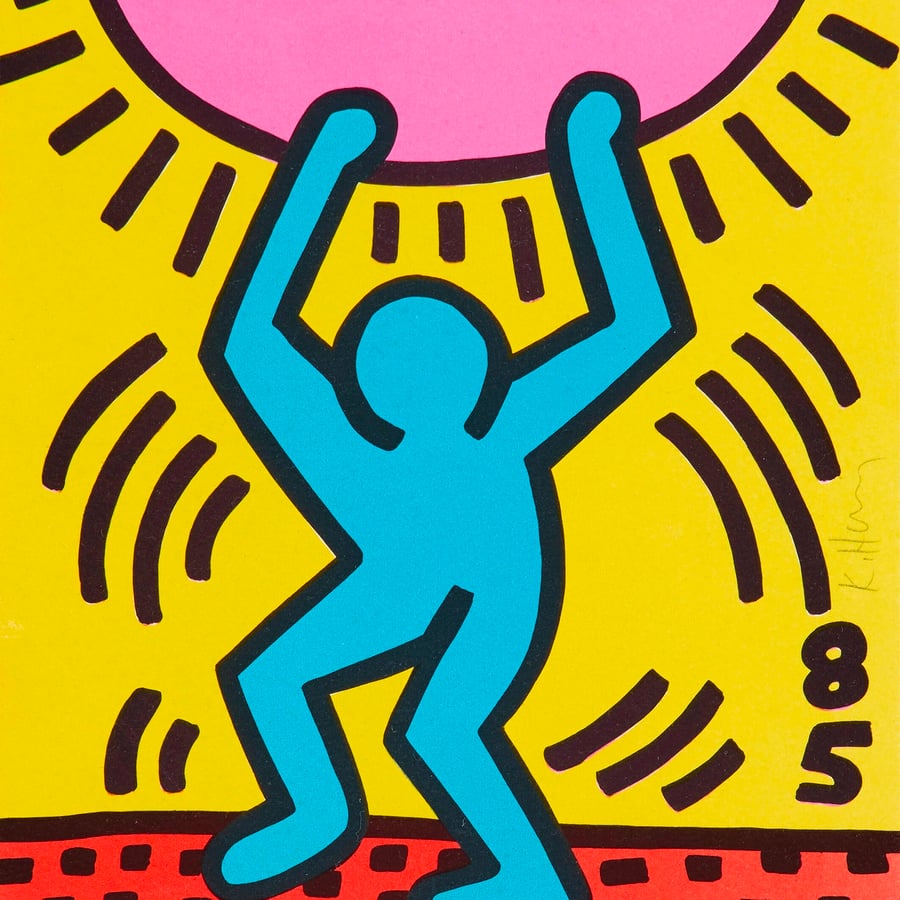
United States
The contemporary art scene in the United States is a dynamic fusion of diverse traditions and avant-garde explorations, resonating across the global art spectrum. Institutions like the Museum of Modern Art in New York and the Los Angeles County Museum of Art are central to this discourse, spotlighting artists from different backgrounds and mediums. Notable figures such as Jeff Koons, known for his monumental public sculptures, and Kara Walker, recognized for her poignant silhouettes and murals, contribute to the vibrant US artistic landscape. Major events like Art Basel Miami further underline the country's role as a nexus of contemporary art. Dive into the robust and compelling art scene of the United States on Composition Gallery's website.
- Show All
- Established
- Discoveries
- Show All
Artworks Related to United States

Frank Stella
Gran Cairo (from multicolored squares), 1970
Limited Edition Print
Lithograph
Currently Not Available

Andy Warhol
The Witch (F. & S. II.261), 1981
Limited Edition Print
Screen-print
USD 50,000 - 60,000
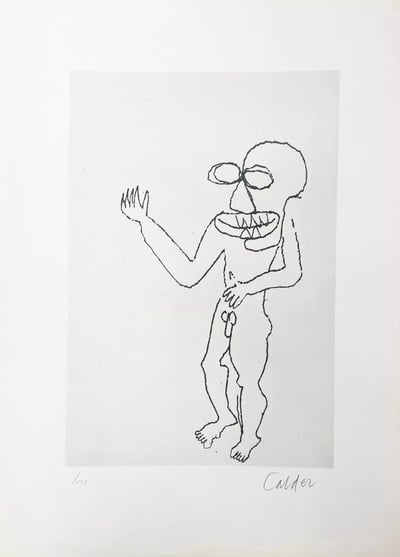
Alexander Calder
Santa Claus VIII, 1974
Limited Edition Print
Etching
USD 1,000

Alexander Calder
Santa Claus VII, 1974
Limited Edition Print
Etching
USD 1,150

Alexander Calder
Santa Claus VI, 1974
Limited Edition Print
Etching
USD 1,000
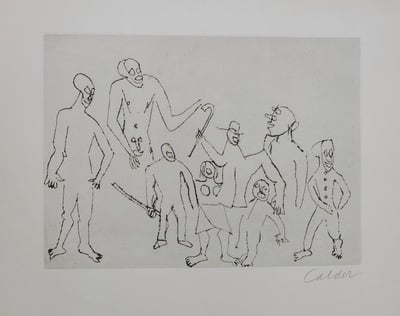
Alexander Calder
Santa Claus IV, 1974
Limited Edition Print
Etching
USD 1,000
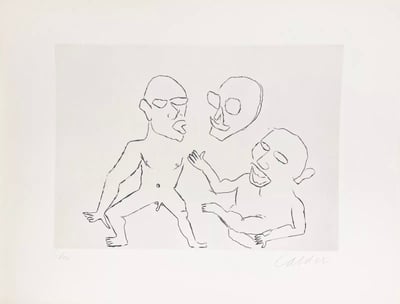
Alexander Calder
Santa Claus III, 1974
Limited Edition Print
Etching
Inquire For Price
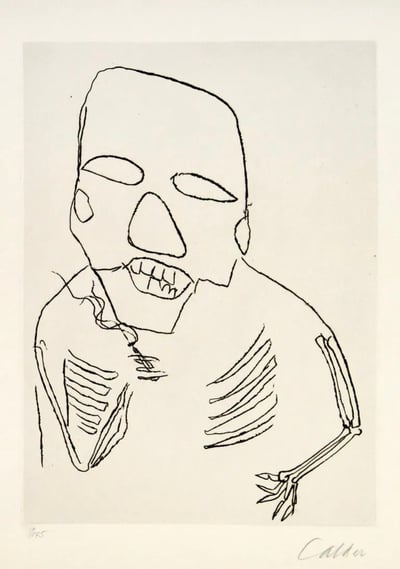
Alexander Calder
Santa Claus I, 1974
Limited Edition Print
Etching
USD 1,000

Alexander Calder
Papouse, 1969
Limited Edition Print
Lithograph
Currently Not Available

Alexander Calder
McGovern for McGovernment , 1972
Limited Edition Print
Screen-print
USD 1,850

Alexander Calder
McGovern for Government, 1974
Limited Edition Print
Lithograph
USD 1,350

Alexander Calder
Clown, 1976
Limited Edition Print
Lithograph
USD 6,190
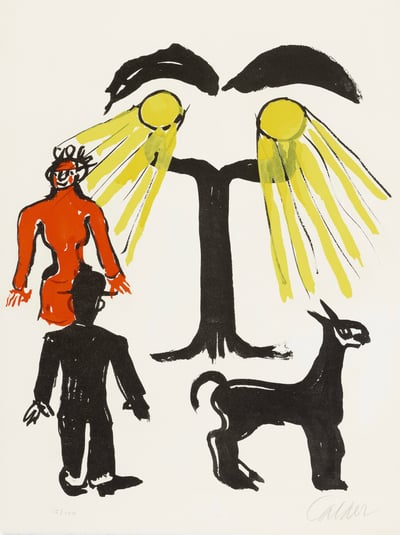
Alexander Calder
Cinema on Hommage a Man Ray, 1974
Limited Edition Print
Lithograph
USD 2,600
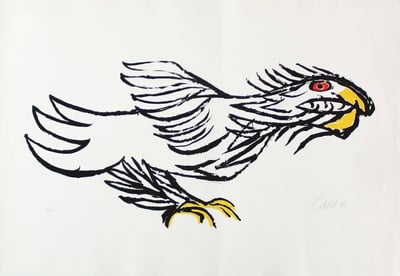
Alexander Calder
L'Aigle, 1973
Limited Edition Print
Lithograph
USD 4,450

Andy Warhol
Open this end (Paper dress), 1962-1964
Limited Edition Print
Mixed Media
Inquire For Price
Jim Dine
Private Listing
Drawing / Watercolor
Related Articles
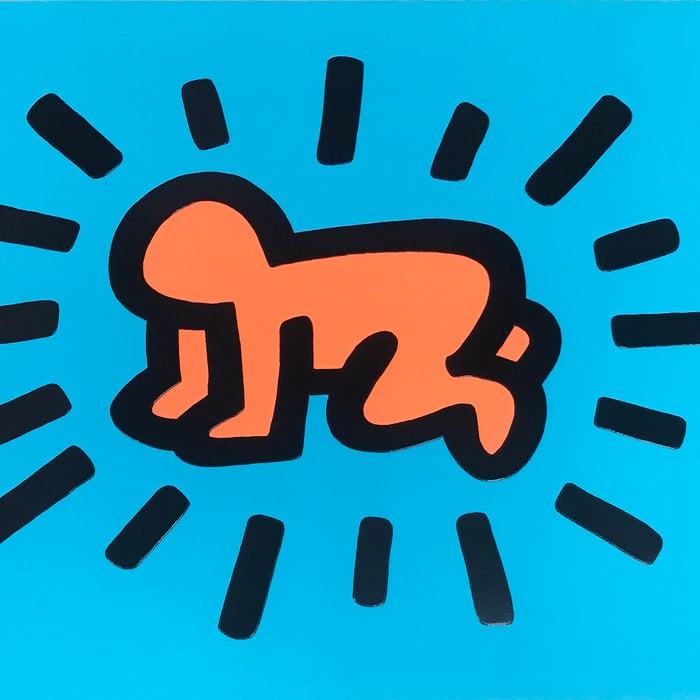
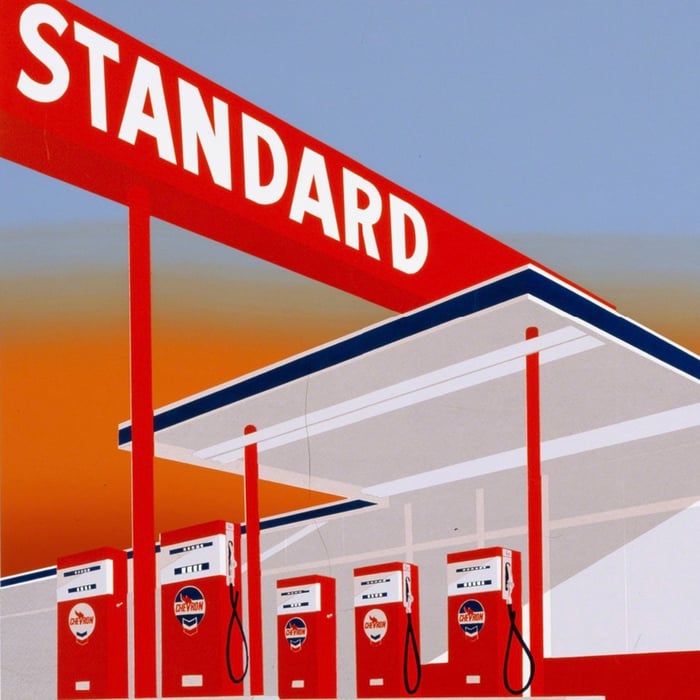
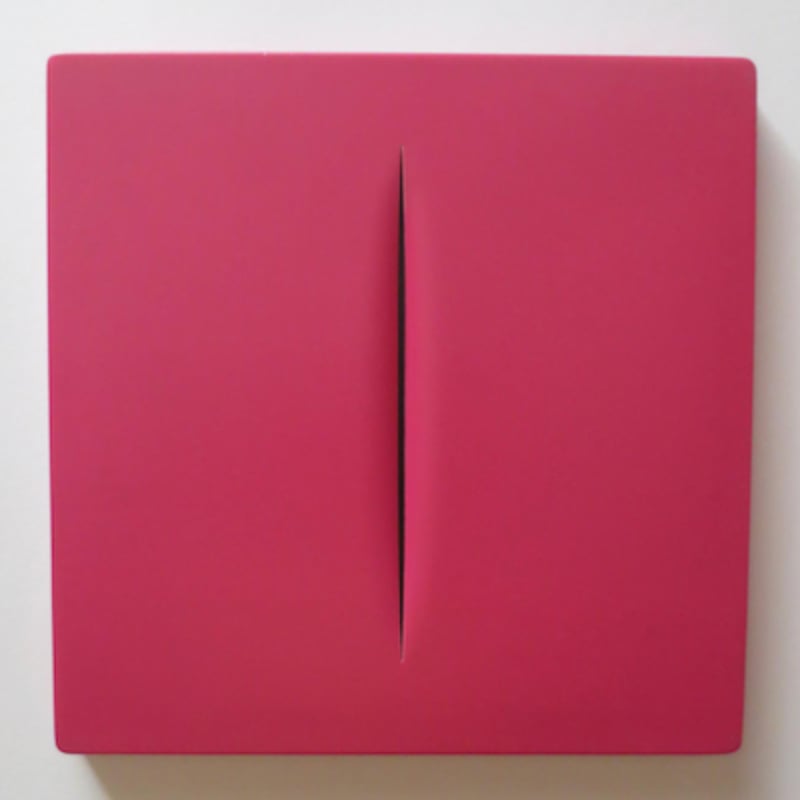
Spatialism is an art movement that originated in Italy in 1947, founded by Lucio Fontana with the intention of synthesizing sound, color, movement, and space into a new form of art. The movement's central ideas were outlined in Fontana's first manifesto, published in 1947, where he introduced the concept of spatial art to capture the spirit of the post-war era. His ideas were further developed in five subsequent manifestos. Although Fontana's ideas were sometimes considered vague, his influence was significant, as he was one of the first European artists to emphasize art as a performance and gesture.
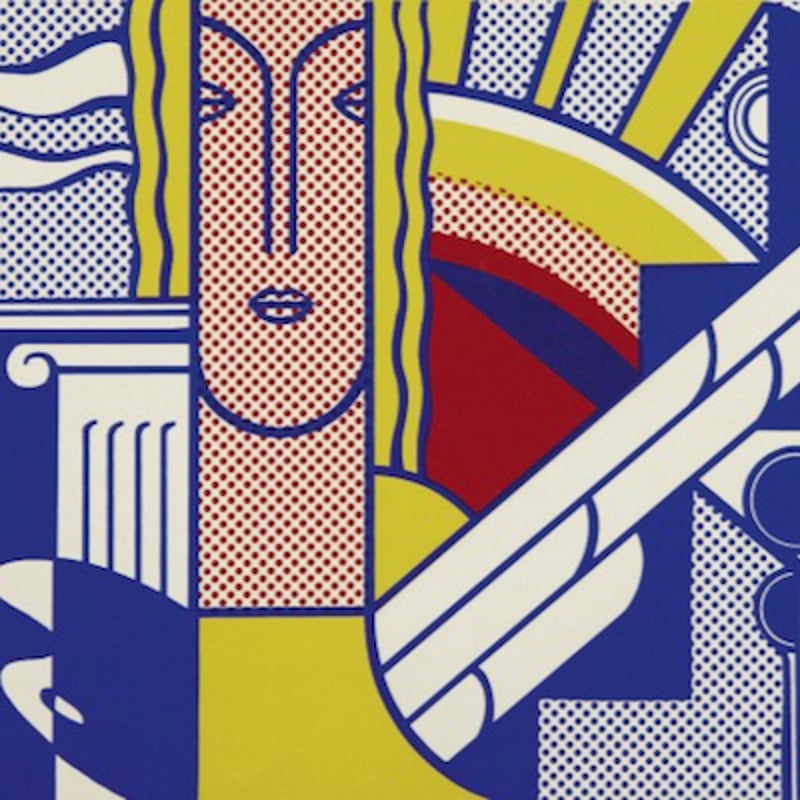
Late Modernism refers to the continuation and evolution of Modernist principles in art, architecture, and literature from the mid-20th century into the late 20th century. This movement maintains a focus on form, abstraction, and the rejection of traditional styles, but it often incorporates more complexity and ambiguity compared to early Modernism. Late Modernism explores themes such as alienation, identity, and the fragmentation of reality, reflecting the social and cultural shifts of the post-war period. It is seen in the works of architects like Louis Kahn and artists like Francis Bacon, who pushed the boundaries of Modernism while responding to the changing world around them.
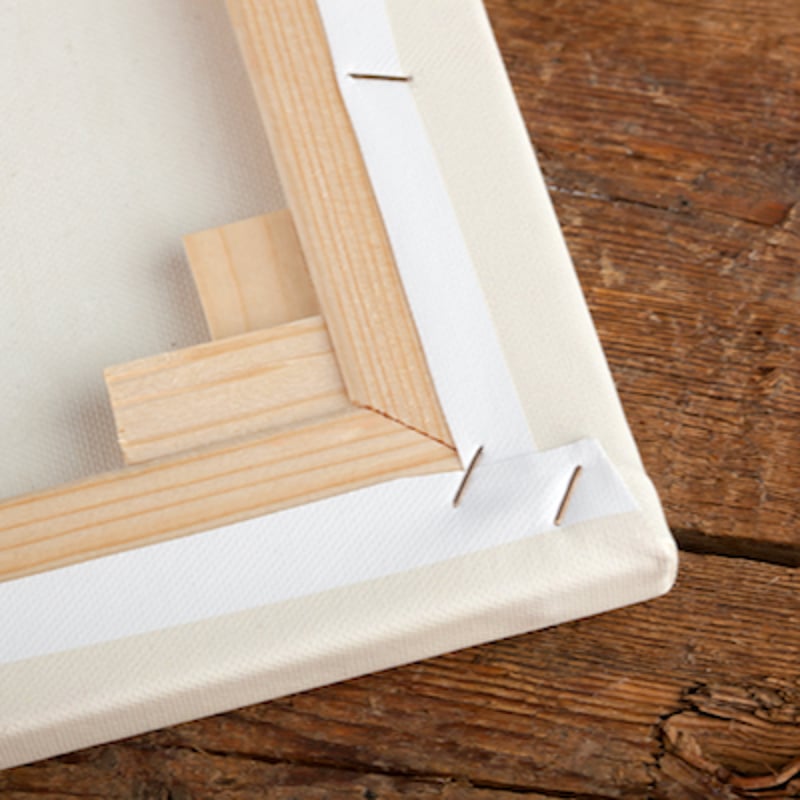
Recto and verso are terms used to describe the right and left pages of an open book, or the front and back of a sheet of paper. In both cases, recto refers to the right-hand page or the front of the paper, while verso refers to the left-hand page or the back of the paper. These terms are commonly used in bookbinding, printmaking, and art to distinguish between the two sides of a sheet.
Can't find your Answer?
Thank you! Your question has been sent — we'll get back to you shortly.
