Postminimalism refers to a range of art styles that emerged in the 1960s, following the Minimalism movement. While Minimalism focused on simplicity and impersonality, Postminimalist artists retained (...) read more
Art Glossary
Definitions of Art Forms, Mediums, and Movements
Image View
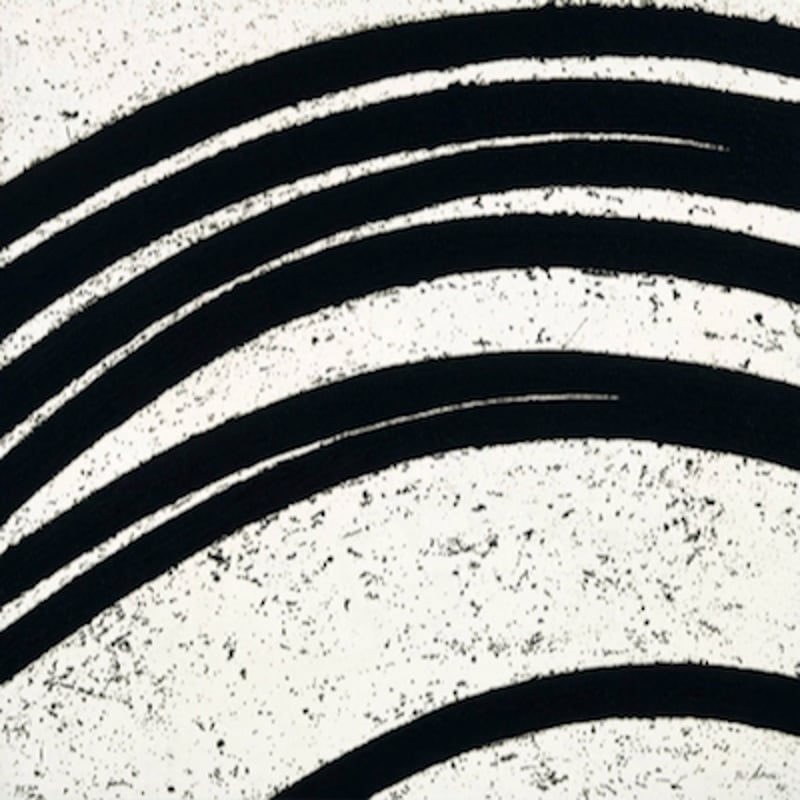
Artwork by Richard Serra

Postmodernism is an art movement that emerged as a reaction against authority and traditional boundaries, seeking to blur the lines between art and everyday life. It aimed to bridge the gap between (...) read more

Process Art is an artistic movement and creative approach where the focus is on the act of creation rather than the final product. The term process in this context refers to the various stages of (...) read more

Queer Aesthetics refers to an art movement that emerged in the 1980s, focusing on themes of homosexuality, lesbianism, and broader issues of identity and gender. This movement gained momentum in the (...) read more

Readymade is the term coined by French artist Marcel Duchamp to describe artworks created from manufactured objects. Duchamp selected ordinary, functional items that he felt had visual indifference, (...) read more
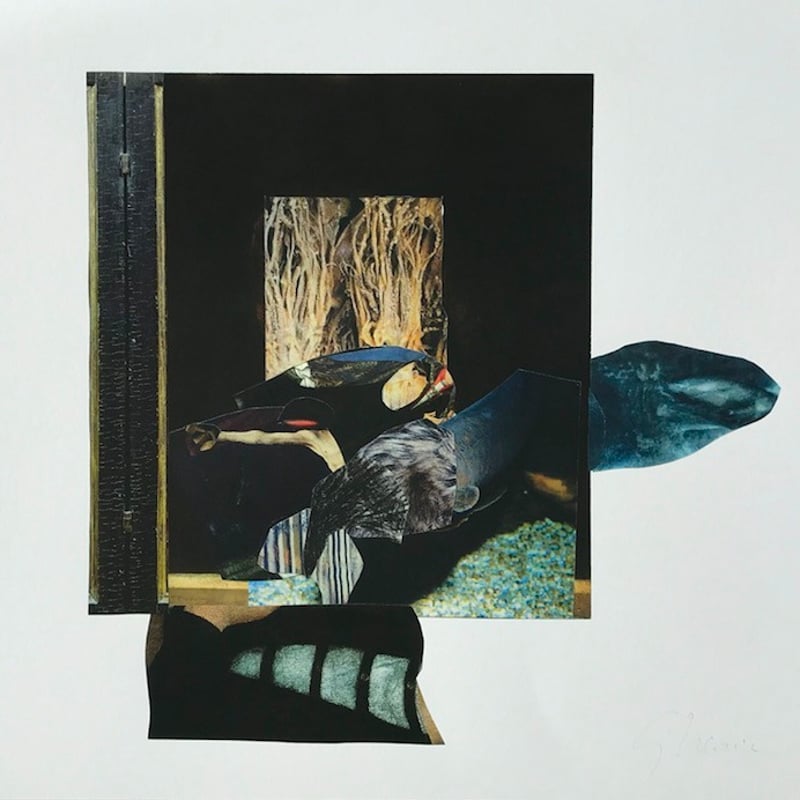
Romania's contemporary art scene is a thrilling blend of historical narratives and fresh perspectives. Pioneering artists such as Adrian Ghenie and Mircea Cantor are carving out innovative artistic (...) read more
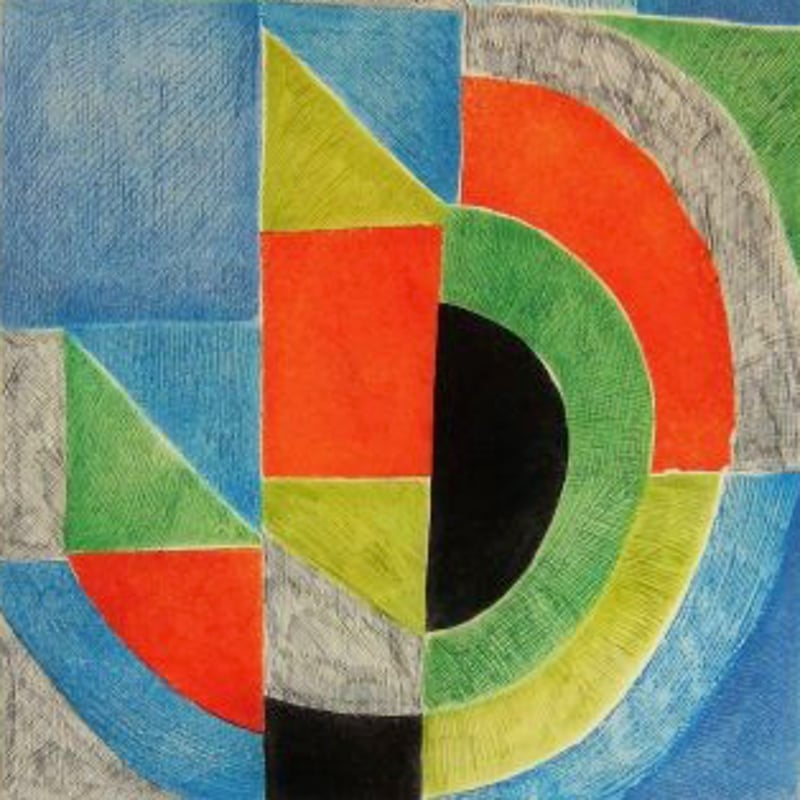
Réalités Nouvelles means new realities and refers to an exhibiting society founded in 1939 in Paris by Sonia Delaunay. The Salon des Réalités Nouvelles was dedicated to promoting abstract art, which (...) read more
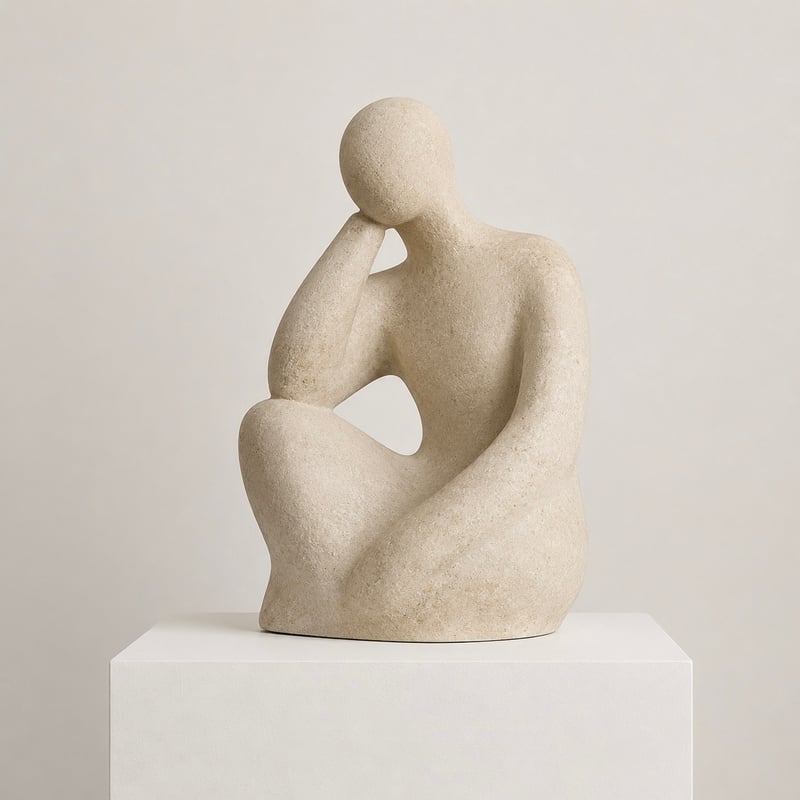
A sculpture is a three-dimension object made using any one of the basic sculpting processes. These include carving, casting, constructing or modeling. Carving materials may be bone, ivory, stone or (...) read more
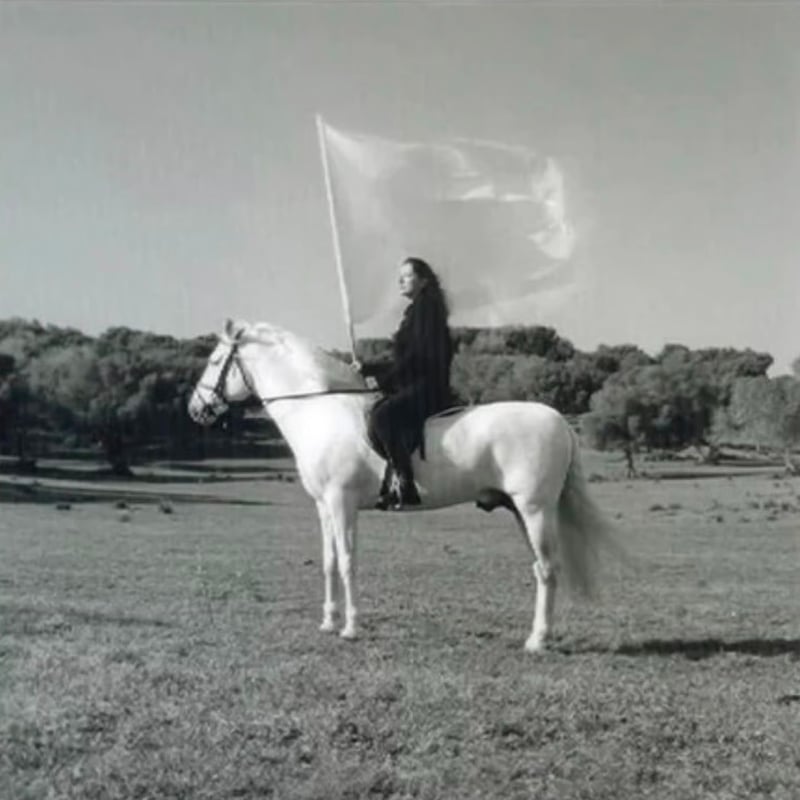
Serbia's vibrant contemporary art scene is a nexus of past and future, where history intertwines with fresh creativity. Artists like Marina Abramovi? and Ivana Baši? generate conversation, pushing (...) read more
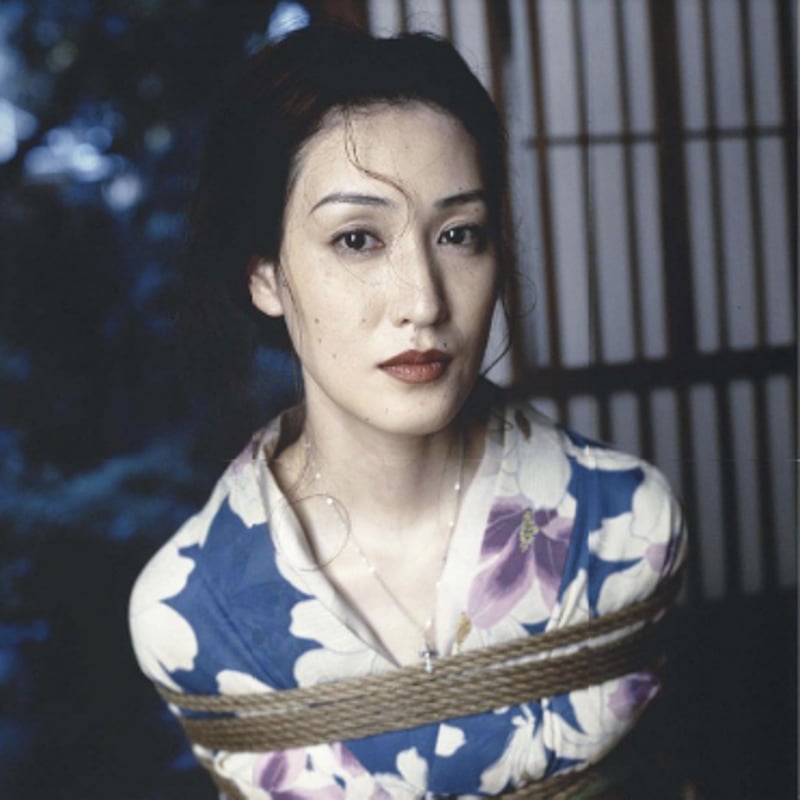
Shock Art is an art movement that uses disturbing images, scents, or sounds to provoke a strong, often shocked, reaction from viewers. It is often regarded as a form of social commentary, with (...) read more

Site-Specific Art is a form of artwork created to exist in a particular location, with the artist considering the site as an integral part of the creative process. Robert Irwin was a key figure in (...) read more
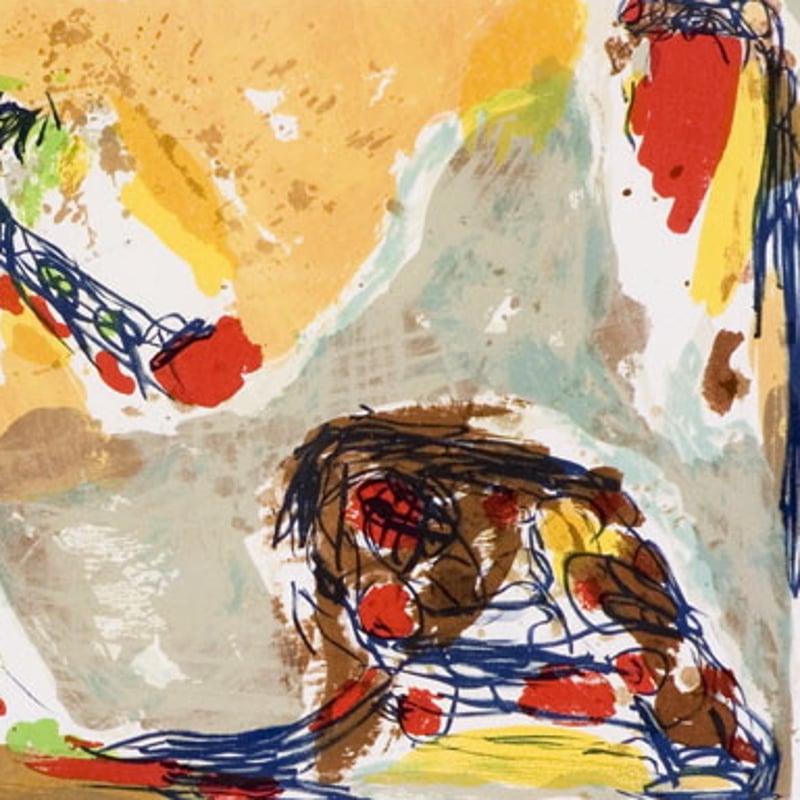
Situationism is a psychological theory that gained prominence in 1968, following the publication of a monograph by Walter Mischel that sparked the Person-situation debate. This theory argues that (...) read more
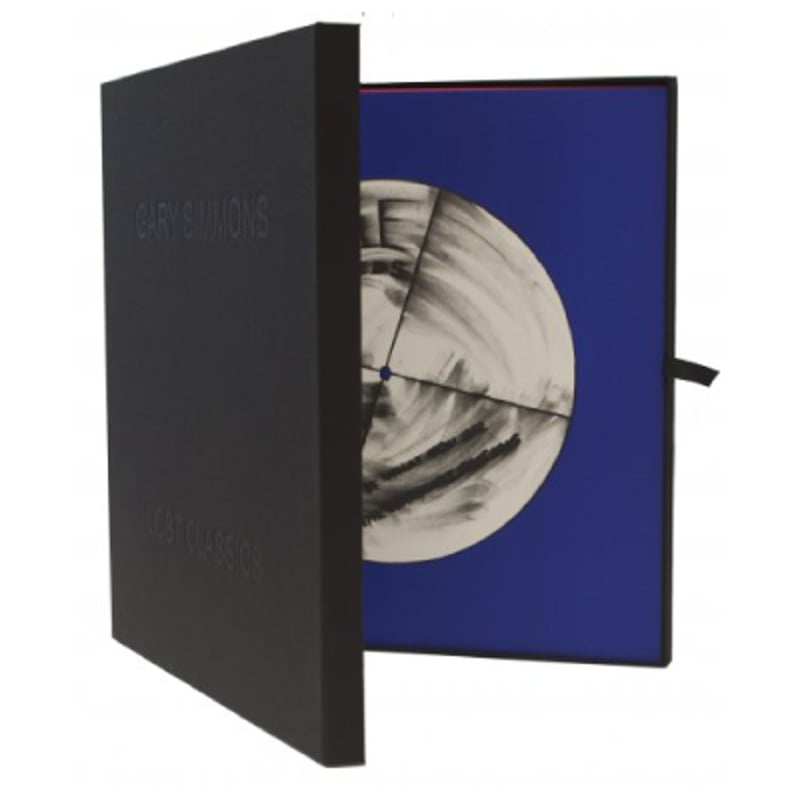
Sound Art is an artistic discipline where sound is used as the primary medium. Like other contemporary art genres, Sound Art is inherently interdisciplinary, engaging with a variety of subjects (...) read more
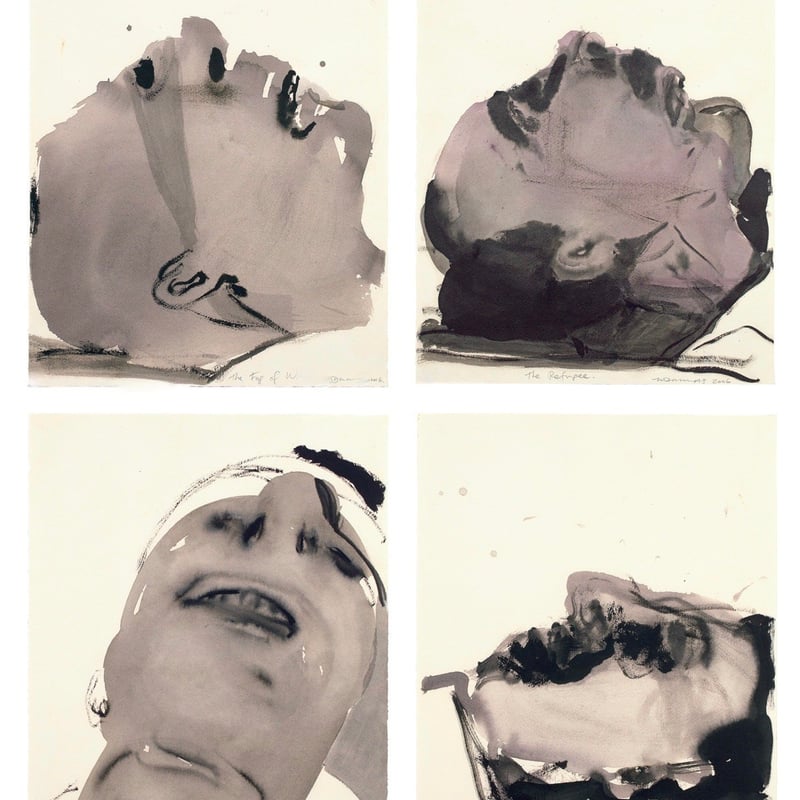
South Africa's contemporary art scene is a dynamic blend of heritage and innovation. Renowned artists like William Kentridge and Mary Sibande challenge perceptions, merging global trends with local (...) read more

Space Art is an artistic genre that depicts the cosmic elements of the universe, including celestial bodies, interstellar space, and space exploration. It began in 1865 with the first science-based (...) read more
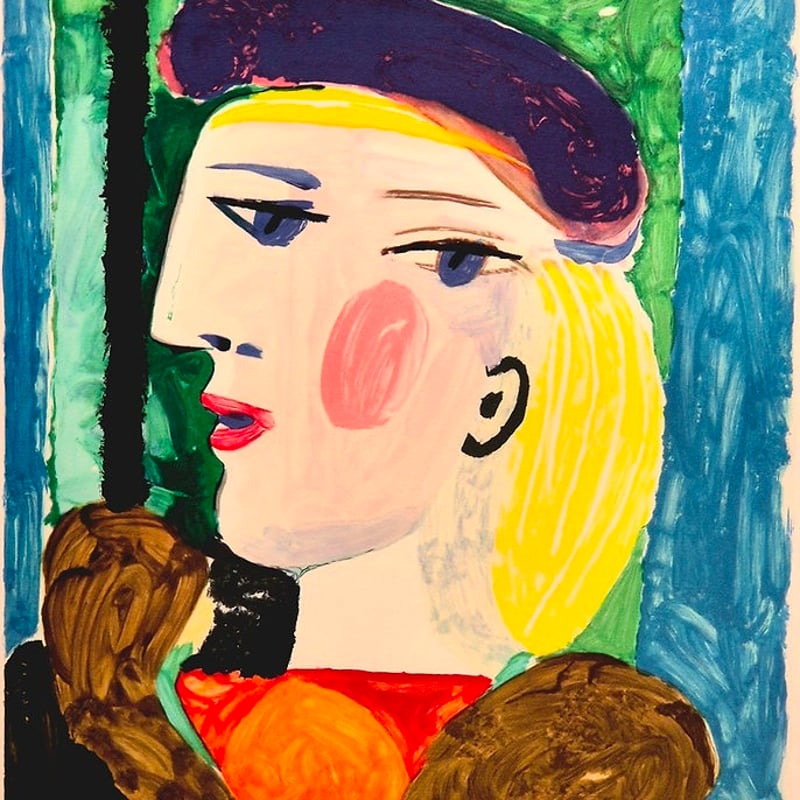
Spain's contemporary art scene is a vibrant amalgamation of tradition and innovation. Distinguished museums like the Reina Sofia Museum in Madrid and the Guggenheim Museum in Bilbao showcase (...) read more
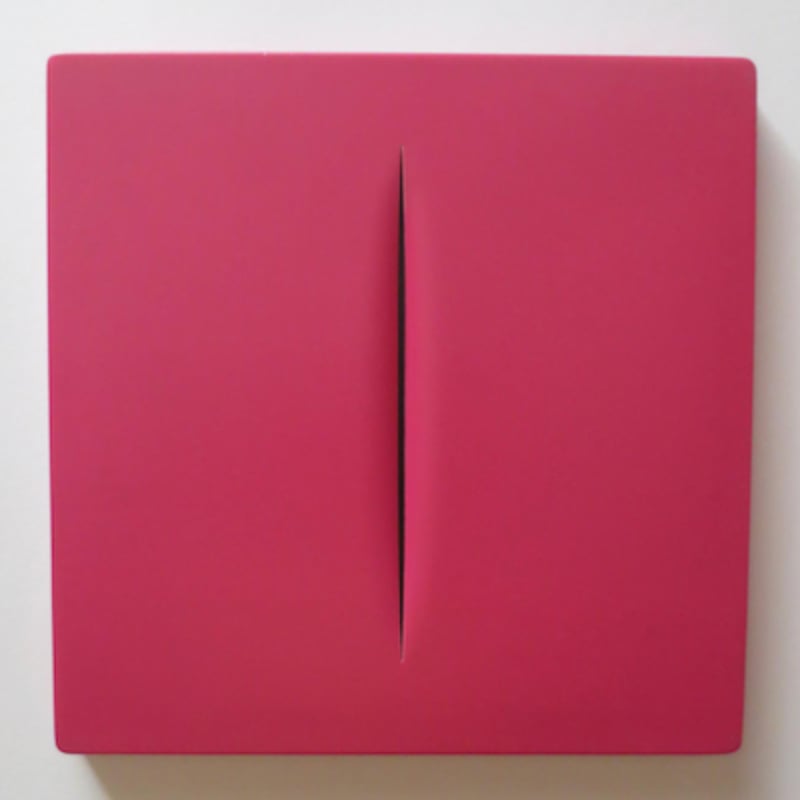
Spatialism is an art movement that originated in Italy in 1947, founded by Lucio Fontana with the intention of synthesizing sound, color, movement, and space into a new form of art. The movement's (...) read more
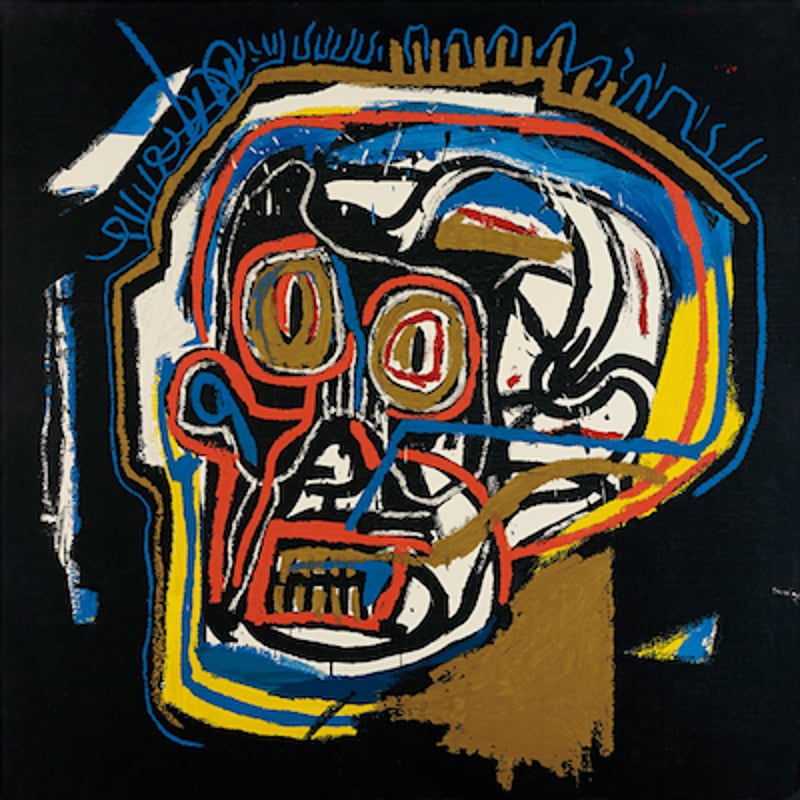
Street Art is artwork created and executed in public spaces, outside of traditional art venues. It gained popularity during the 1980s graffiti art boom and has since evolved into various forms and (...) read more
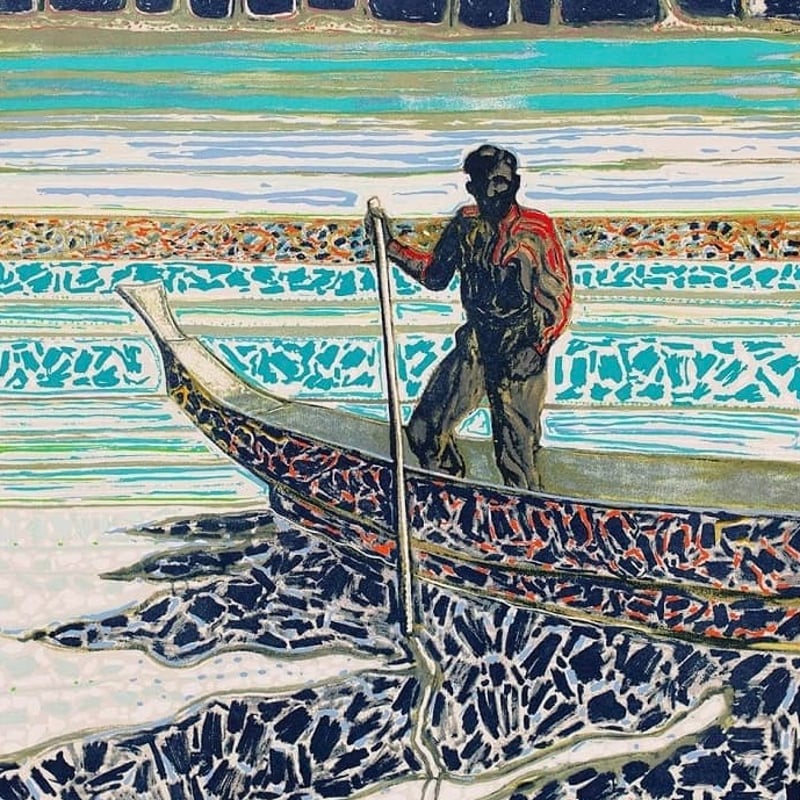
Stuckism is an art movement that promotes figurative painting over conceptual art. It was founded in 1999 by Charles Thomson and Billy Childish with an initial group of 13 artists in Britain. The (...) read more

Superflat is an art movement founded by Takashi Murakami, heavily influenced by anime and manga. The term Superflat refers to the flattened forms found in Japanese animation, graphic art, fine arts, (...) read more

Surrealism began in the 1920s as an art and literary movement with the goal of revealing the unconscious mind and unleashing the imagination by exploring unusual and dream-like imagery. Influenced by (...) read more

Sweden's contemporary art scene is a progressive fusion of traditional aesthetics and cutting-edge creativity. Acclaimed artists like Nathalie Djurberg and Jonas Dahlberg push boundaries with their (...) read more
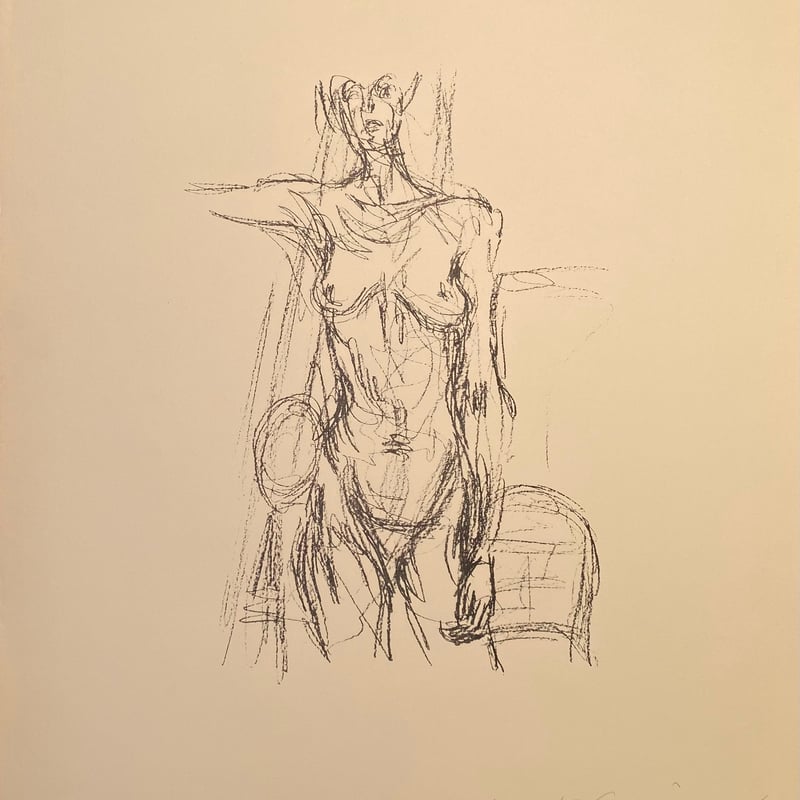
Switzerland consistently underscores its position as a central axis in the global contemporary art realm. The country is home to prestigious museums such as the Kunsthaus Zürich and the Fondation (...) read more
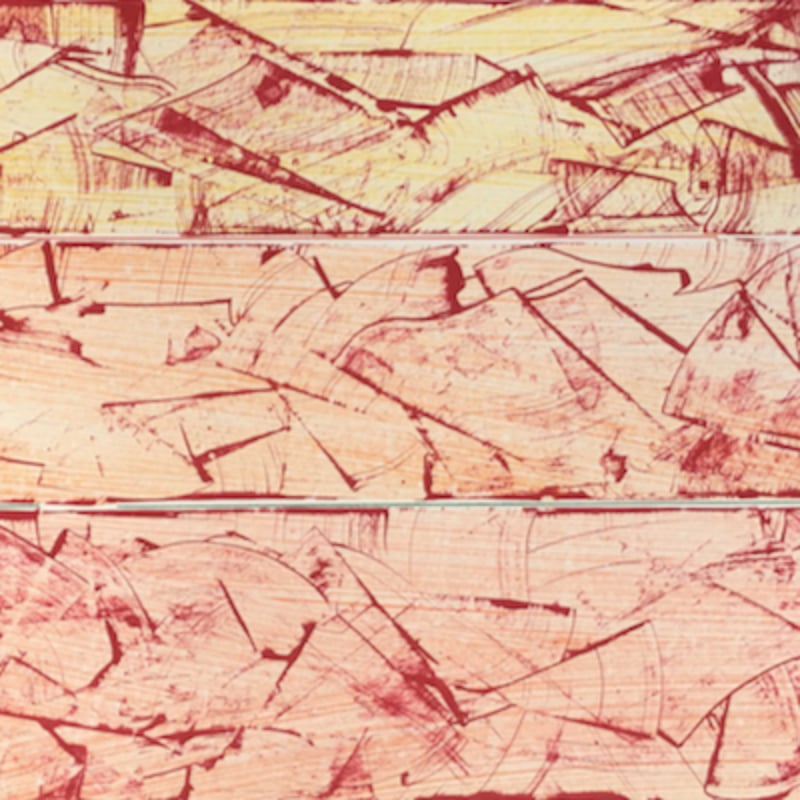
Systems Art refers to a group of artists who, during the late 1960s and early 1970s, used the frameworks of conceptualism and minimalism to create art that was responsive to its environment. (...) read more