
What is Process Art?
- Show All
- Established
- Discoveries
- Show All
Artworks Related to Process Art
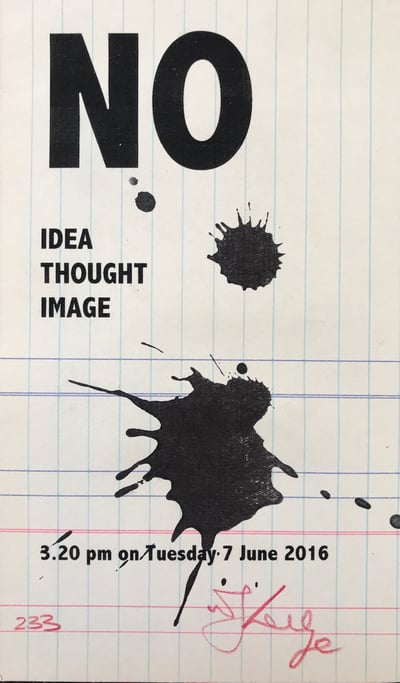
William Kentridge
No Idea Thought Image, 2016
Limited Edition Print
Screen-print
Currently Not Available
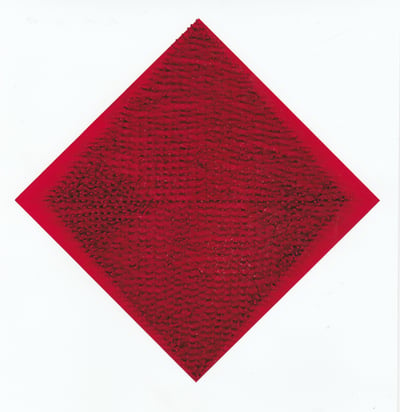
Bernard Aubertin
Clou - with pattern , 1966
Painting
Mixed Media
EUR 20,000 - 30,000
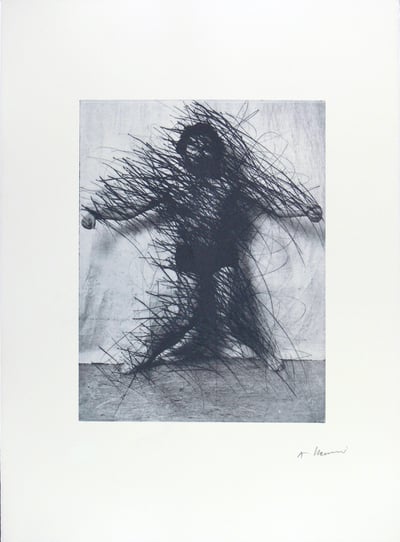
Arnulf Rainer
Selbst in Waage, 1976
Limited Edition Print
Etching
EUR 3,700
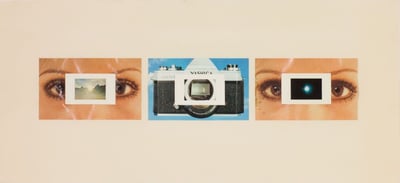
Giulio Paolini
Senza titolo, 1973
Drawing / Watercolor
Collage
EUR 23,680
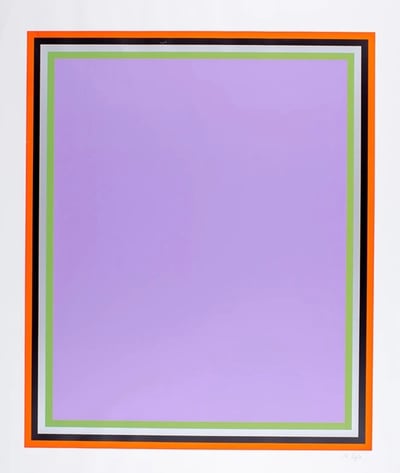
Anselm Reyle
Ohne Titel II, 2005
Limited Edition Print
Serigraph
Currently Not Available
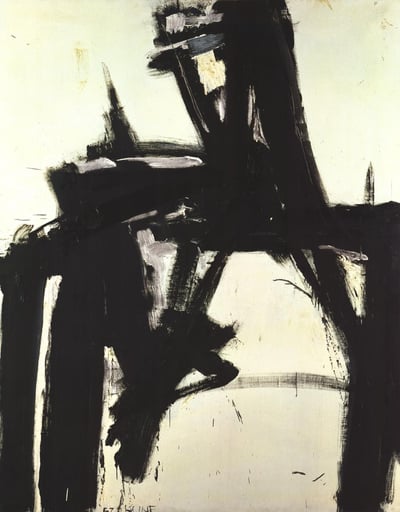
Franz Kline
Untitled, 1997
Limited Edition Print
Offset Print
Currently Not Available

Peter & David Fischl & Weiss
Untitled, Zurich Airport 2000, 2007
Limited Edition Print
Offset Print
Currently Not Available
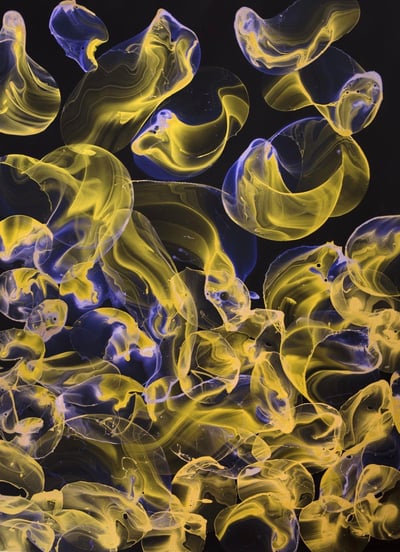
Georg Jiri Dokoupil
Goldblau, 2018
Limited Edition Print
Carborundum
Currently Not Available
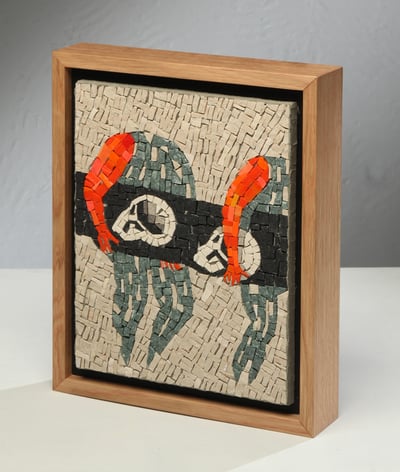
Enzo Cucchi
Four arms and seven hands, 2011
Sculpture / Object
Mixed Media
EUR 3,500
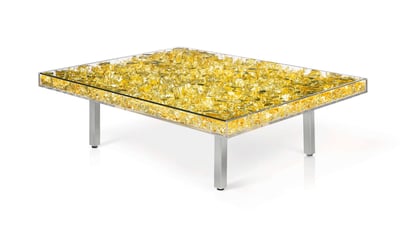
Yves Klein
Table d’Or, 1961/1963
Sculpture / Object
Mixed Media
EUR 24,800
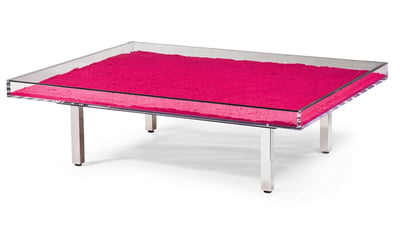
Yves Klein
Table Rose, 1961/1963
Sculpture / Object
Mixed Media
EUR 22,500
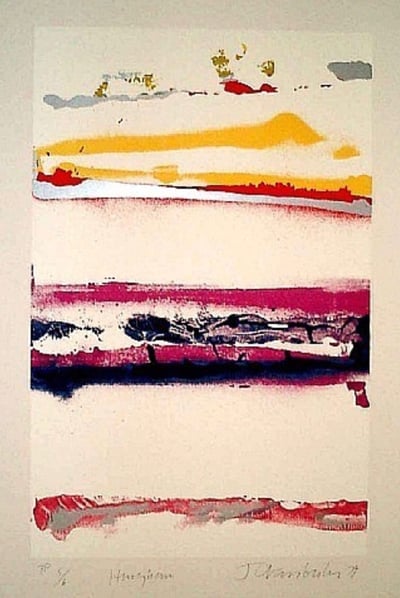
John Chamberlain
Hingham, 1979
Limited Edition Print
Lithograph
USD 5,500
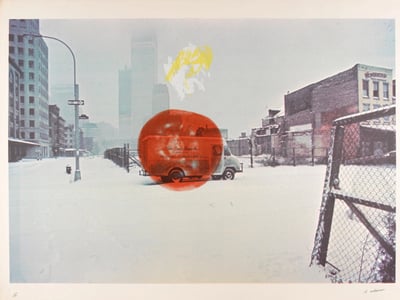
Robert Whitman
Untitled (Red Sphere in Cityscape), 1973
Limited Edition Print
Silkscreen
EUR 1,700
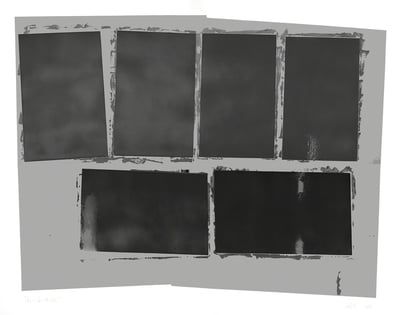
Pedro Cabrita Reis
Seen in the studio, 2018
Limited Edition Print
Mixed Media
Currently Not Available
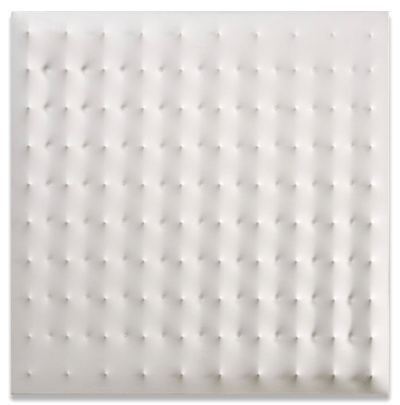
Enrico Castellani
Superficie Bianca, 1968
Limited Edition Print
Plastic
Currently Not Available
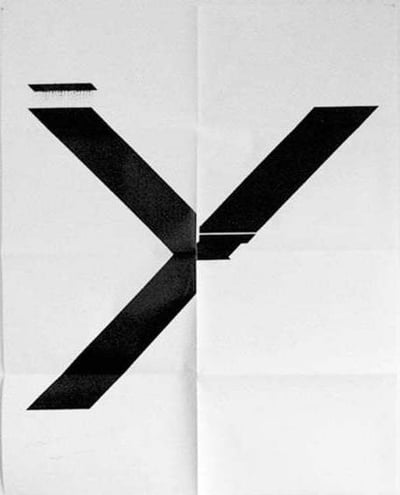
Wade Guyton
X Poster WG1211, 2007, 2019
Limited Edition Print
Inkjet print
Currently Not Available
Related Articles
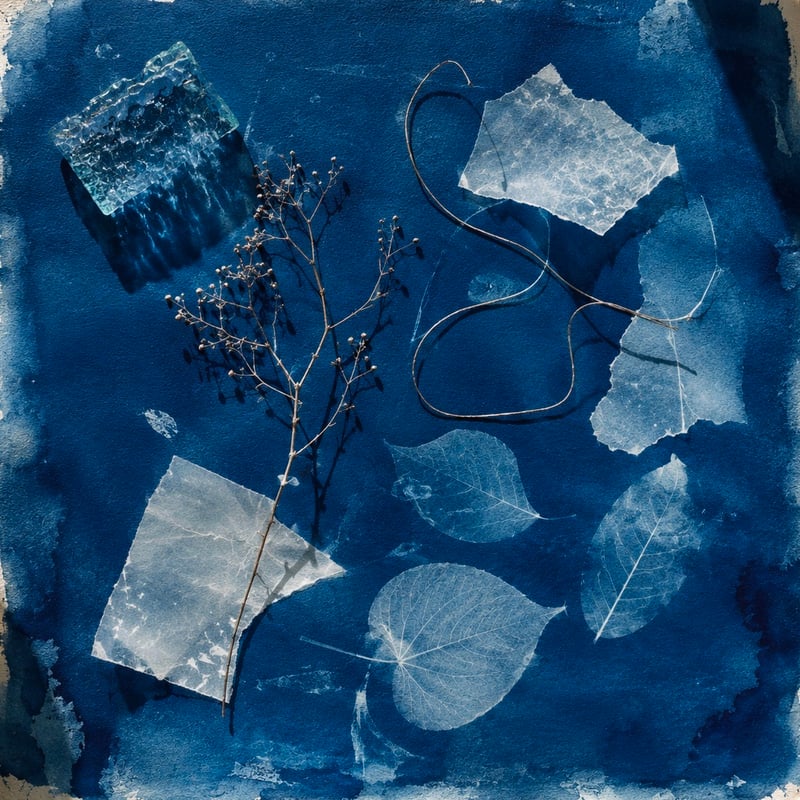
Cyanotype is a photographic technique that creates images in shades of blue, commonly known as blueprints. It involves coating a surface with a mixture of two chemicals, typically ferric ammonium citrate and potassium ferricyanide. When exposed to UV light and then washed in water, the process produces white images on a deep blue background.

A silver gelatin print is a type of photographic print made using the silver process. In this process, photographic materials such as black and white films and printing papers are coated with a light-sensitive emulsion of silver salts suspended in gelatin. This emulsion is applied to a support, which could be flexible plastic, glass, resin-coated paper, or baryta paper. The materials are light-sensitive and remain stable under normal storage conditions, making them ideal for long-term preservation.
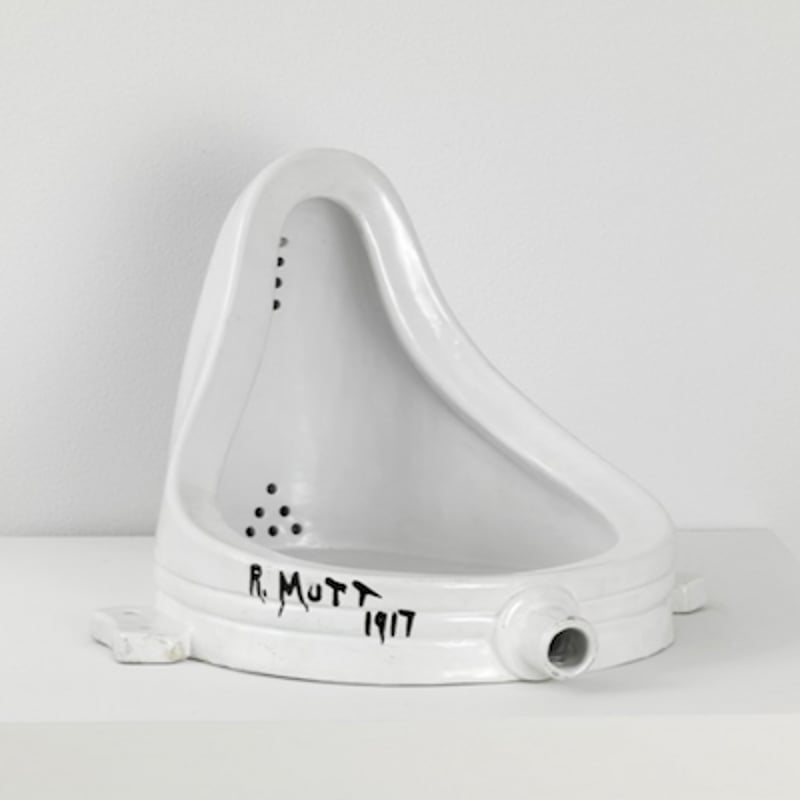
Anti-Art refers to artwork that challenges traditional definitions of art. The term is often attributed to artist Marcel Duchamp, who pioneered the use of readymades—everyday objects presented as art. These works defied conventional expectations that art should adhere to traditional or high art standards.
Can't find your Answer?
Thank you! Your question has been sent — we'll get back to you shortly.
