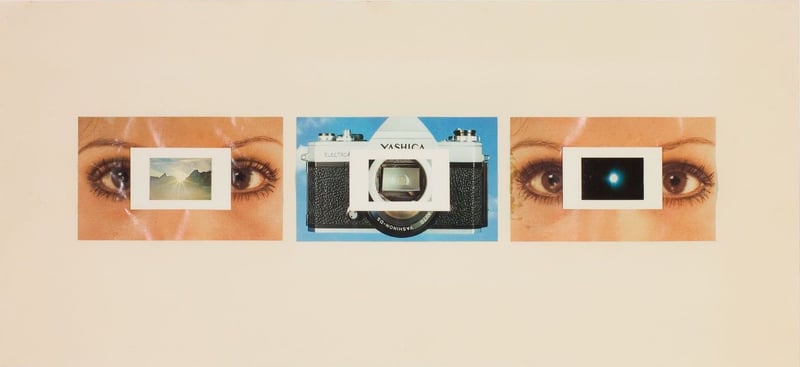
Unique - Collage on card - Signed on the reverse - In excellent condition
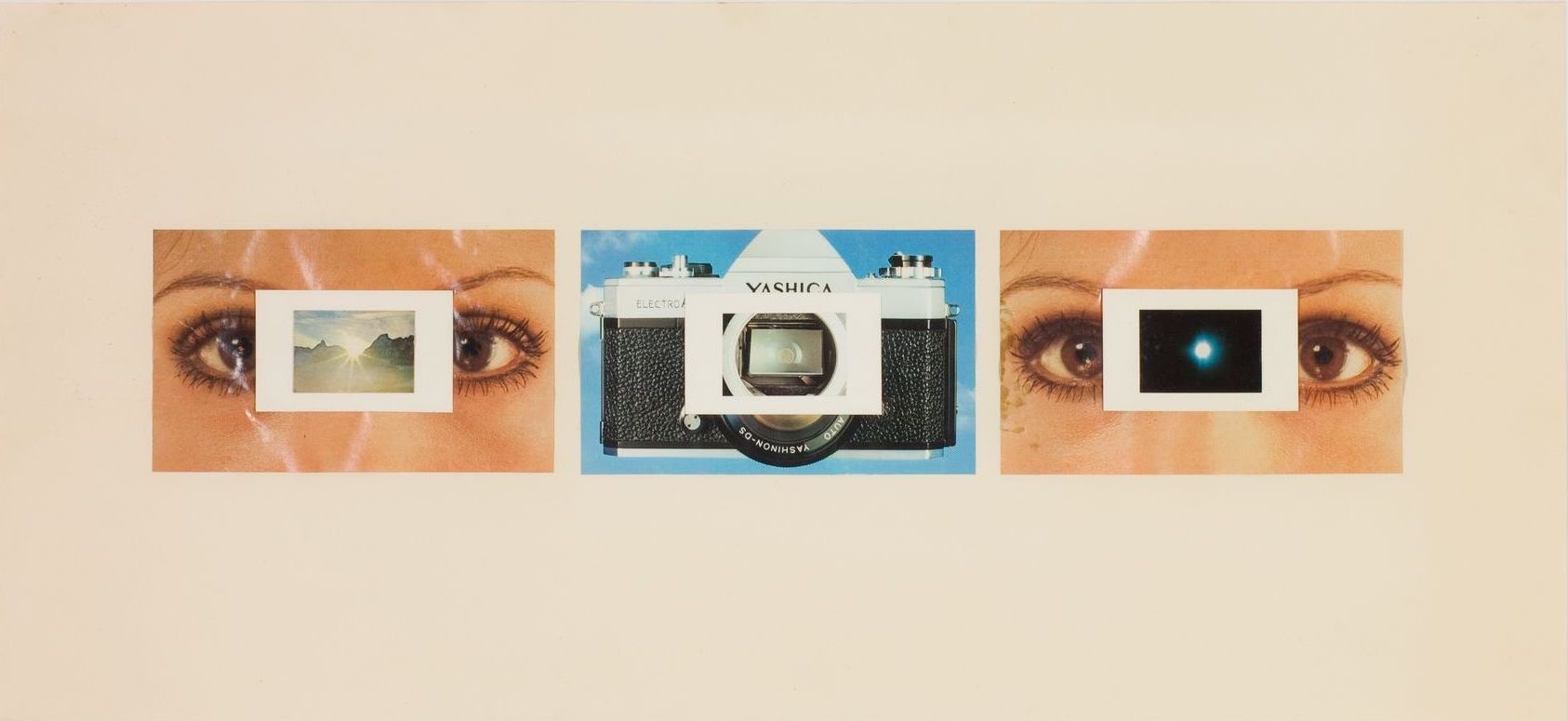
Untitled (Senza titolo) by Giulio Paolini, created in 1973, is a unique collage that reflects the artist's interest in perception, vision, and the role of the viewer in the artwork. This collage features a triptych arrangement: the left and right sections display close-up images of human eyes gazing outward, while the central section features a vintage camera, with its lens symbolically aligned between the two sets of eyes. Each eye frame contains a different visual, juxtaposing natural scenery and abstract forms, suggesting the dual nature of perception—how we observe the world and interpret abstract ideas. Paolini's composition explores the theme of observation, with the camera as a metaphor for artistic and human perception, while the eyes signify the act of viewing and interpreting. Signed on the reverse, this one-of-a-kind piece exemplifies Paolini's conceptual approach to art, merging photography, collage, and philosophical inquiry.
Artwork Copyright © Giulio PaoliniGiulio Paolini (Italy, 1940) is a conceptual artist associated with the Arte Povera movement. His works, often rooted in classical art and philosophy, explore themes of perception, authorship, and the nature of art itself. Using objects like frames, books, and plaster casts, Paolini creates thought-provoking installations and sculptures.
Artwork Copyright © Giulio PaoliniSenza titolo, 1973
Form
Medium
Size
- Inches
- Centimeters
Edition
Price
- USD
- EUR
- GBP
- CHF
- Authenticity Guaranteed
- Insured Shipping
- Online Since 2005
●Inventory 8274
●Signed
●Comes with gallery invoice and certificate
●Sell Us a Similar Artwork. Learn more.
Unique - Collage on card - Signed on the reverse - In excellent condition
Untitled (Senza titolo) by Giulio Paolini, created in 1973, is a unique collage that reflects the artist's interest in perception, vision, and the role of the viewer in the artwork. This collage features a triptych arrangement: the left and right sections display close-up images of human eyes gazing outward, while the central section features a vintage camera, with its lens symbolically aligned between the two sets of eyes. Each eye frame contains a different visual, juxtaposing natural scenery and abstract forms, suggesting the dual nature of perception—how we observe the world and interpret abstract ideas. Paolini's composition explores the theme of observation, with the camera as a metaphor for artistic and human perception, while the eyes signify the act of viewing and interpreting. Signed on the reverse, this one-of-a-kind piece exemplifies Paolini's conceptual approach to art, merging photography, collage, and philosophical inquiry.
Artwork Copyright © Giulio PaoliniGiulio Paolini (Italy, 1940) is a conceptual artist associated with the Arte Povera movement. His works, often rooted in classical art and philosophy, explore themes of perception, authorship, and the nature of art itself. Using objects like frames, books, and plaster casts, Paolini creates thought-provoking installations and sculptures.
Artwork Copyright © Giulio Paolini- Recently Added
- Price (Low-High)
- Price (High-Low)
- Year (Low-High)
- Year (High-Low)

Giulio Paolini
Il sole nero, 1993
Limited Edition Print
Mixed Media
EUR 1,600
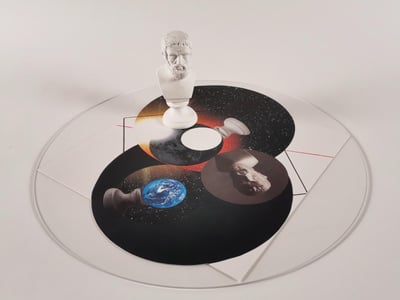
Giulio Paolini
Elea, 2009
Sculpture / Object
Assemblage
EUR 2,300
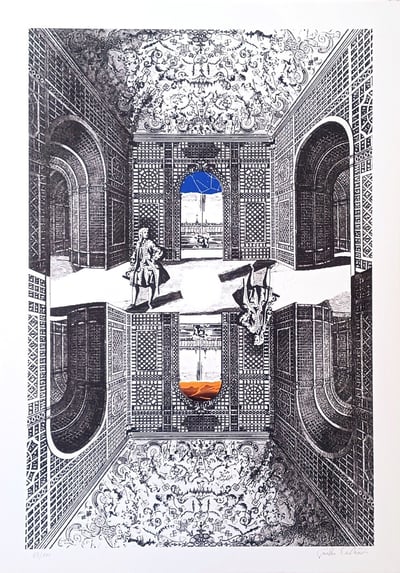
Giulio Paolini
Signore e Signori…, 1988
Limited Edition Print
Silkscreen
EUR 1,250
Giulio Paolini
Senza titolo, 1973
Drawing / Watercolor
Collage
EUR 23,680
Related Artists
Related Articles
Artists - November 11, 2024
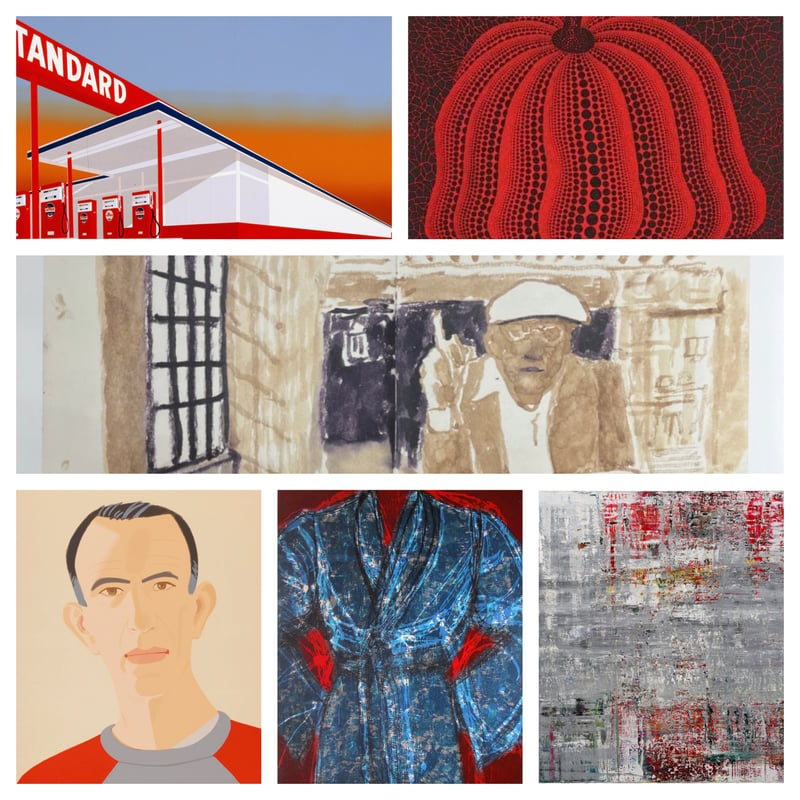
25 Living Icons: A Generation of Artists Defying Time
Celebrate 25 living legends redefining art! From Kusama to Hockney, explore their enduring creativity and groundbreaking contributions to modern art.Read More

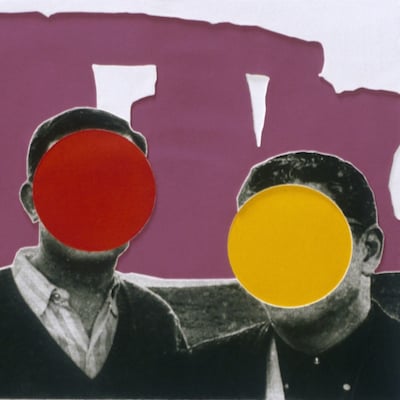
Artwork by John Baldessari
What is conceptual art?
Sometimes referred to as Conceptualism, this is an art form where the idea(s) or concept(s) behind the work take precedence over material concerns and traditional aesthetics. Many conceptual artworks can be created by anyone simply by following written instructions. The concept or idea is the most essential aspect of the artwork.
Giulio Paolini
Senza titolo, 1973
30 x 65 cm


