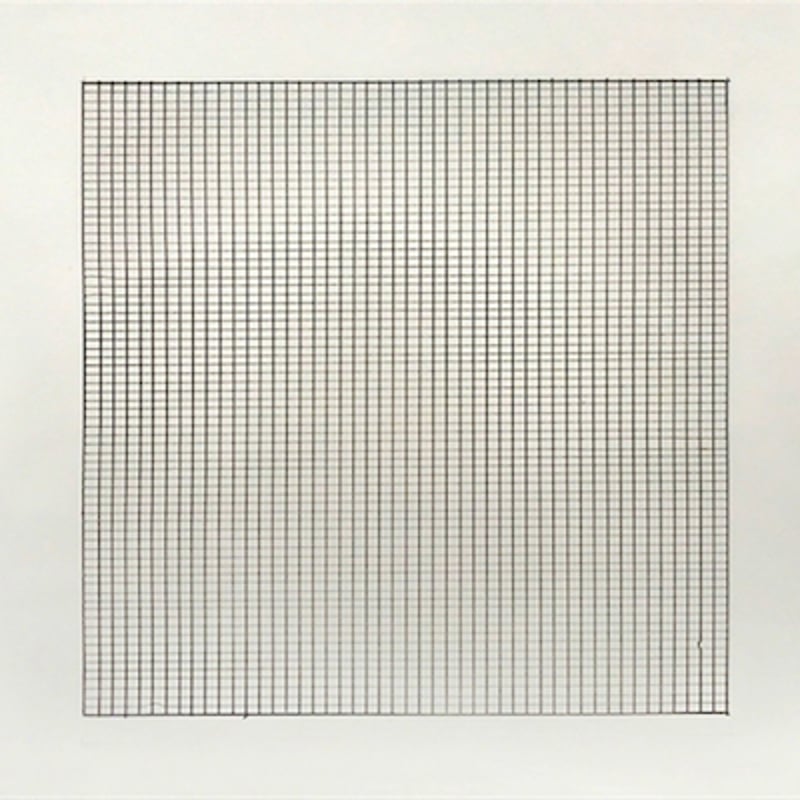
What is minimalism?
- Show All
- Established
- Discoveries
- Show All
Artworks Related to Minimalism
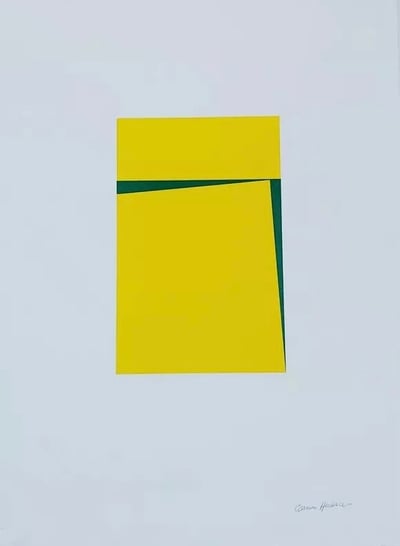
Carmen Herrera
Untitled (Yellow Divide), 2018
Limited Edition Print
Silkscreen
GBP 7,750
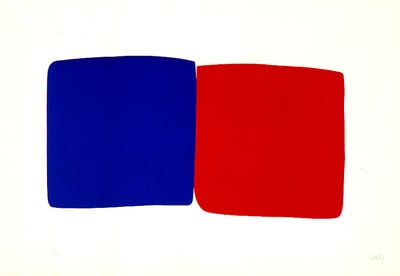
Ellsworth Kelly
Dark Blue and Red (Bleu Foncé et Rouge), 1964 -1965
Limited Edition Print
Lithograph
EUR 13,500
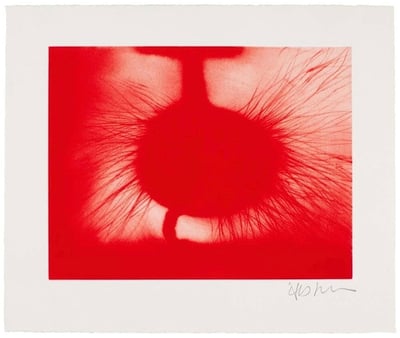
Anish Kapoor
Untitled (Red Pulse), 2014
Limited Edition Print
Etching
GBP 5,300

Josef Albers
GB 2 (From Homage to the Square), 1969
Limited Edition Print
Screen-print
Currently Not Available
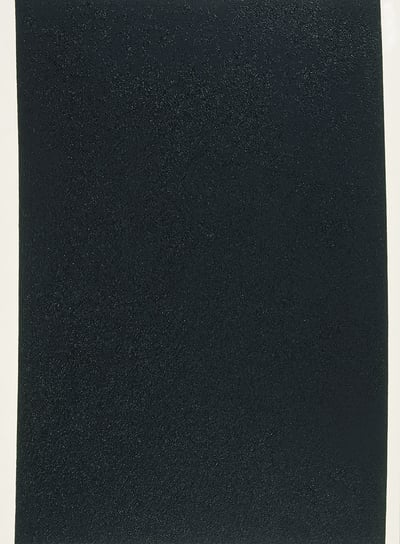
Richard Serra
Extensión # 3, 2004
Limited Edition Print
Etching
EUR 24,800

Cristina Iglesias
Habitación XI (b&w), 2002
Limited Edition Print
Silkscreen
EUR 3,950
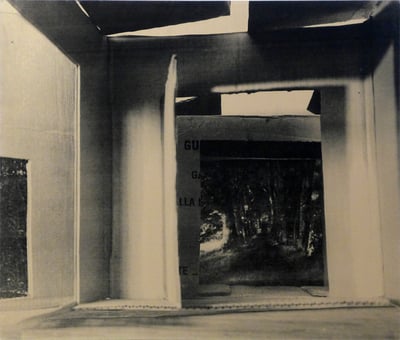
Cristina Iglesias
Habitación XII, 2002
Limited Edition Print
Silkscreen
EUR 3,950
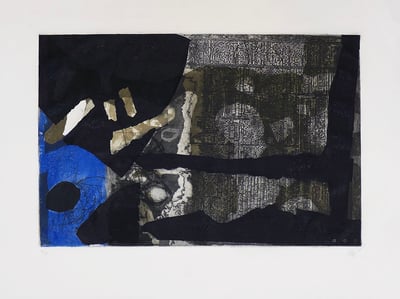
Antoni Clave
Ocre, noir et bleu, 1968
Limited Edition Print
Etching
EUR 1,625

Antoni Clave
Untitled (Gants et signes)
Limited Edition Print
Etching
EUR 1,625

Antoni Clave
Deux gants, 1970
Limited Edition Print
Collage
EUR 2,350

Antoni Clave
15 A, 1970
Limited Edition Print
Collage
EUR 2,350

Antoni Clave
Instrument bande rouge, 1979
Limited Edition Print
Etching
EUR 1,625
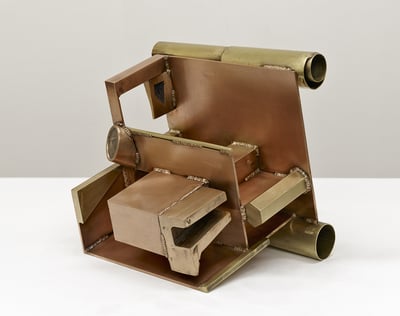
Anthony Caro
House Pitch, 2011
Sculpture / Object
Object
Inquire For Price

John Baldessari
Falling Star, 1989-90
Limited Edition Print
Mixed Media
Inquire For Price
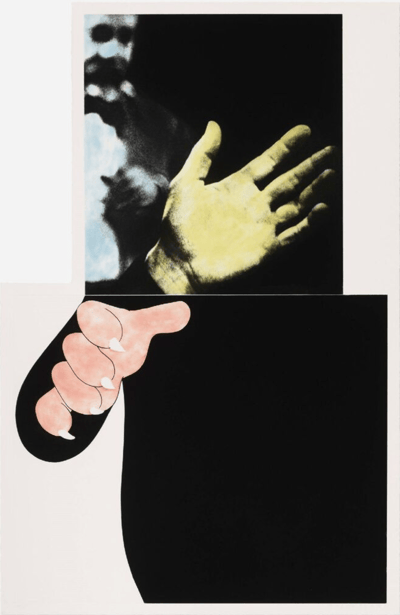
John Baldessari
Two Hands (With Distant Figure), 1989-1990
Limited Edition Print
Mixed Media
USD 5,500
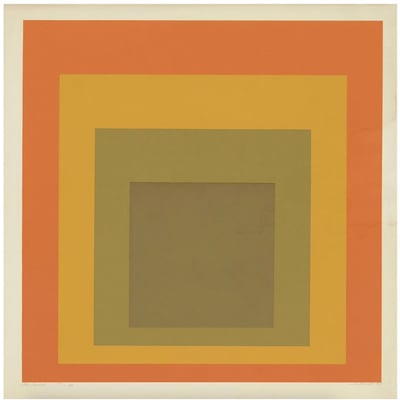
Josef Albers
Concord (From Dei Oberflache), 1965
Limited Edition Print
Screen-print
Currently Not Available
Related Articles


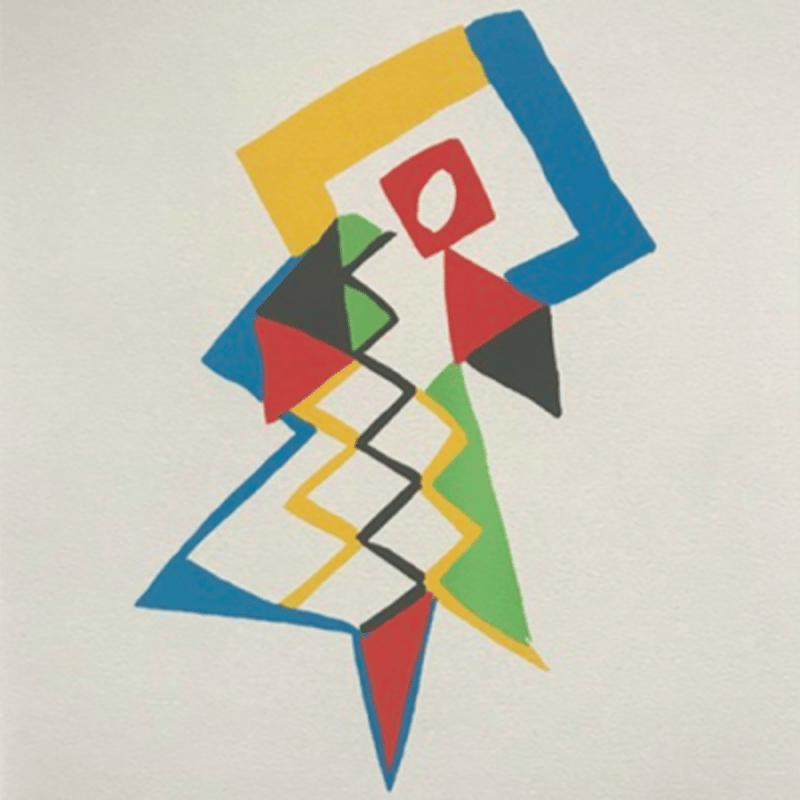
Orphism is an abstract style of painting influenced by Cubism, developed by Sonia and Robert Delaunay. The term was coined around 1912 by French poet Guillaume Apollinaire to differentiate the Delaunays' work from Cubism, emphasizing their focus on vibrant color and light. The name Orphism is inspired by the Greek musician Orpheus, symbolizing the movement's lyrical and harmonious qualities.
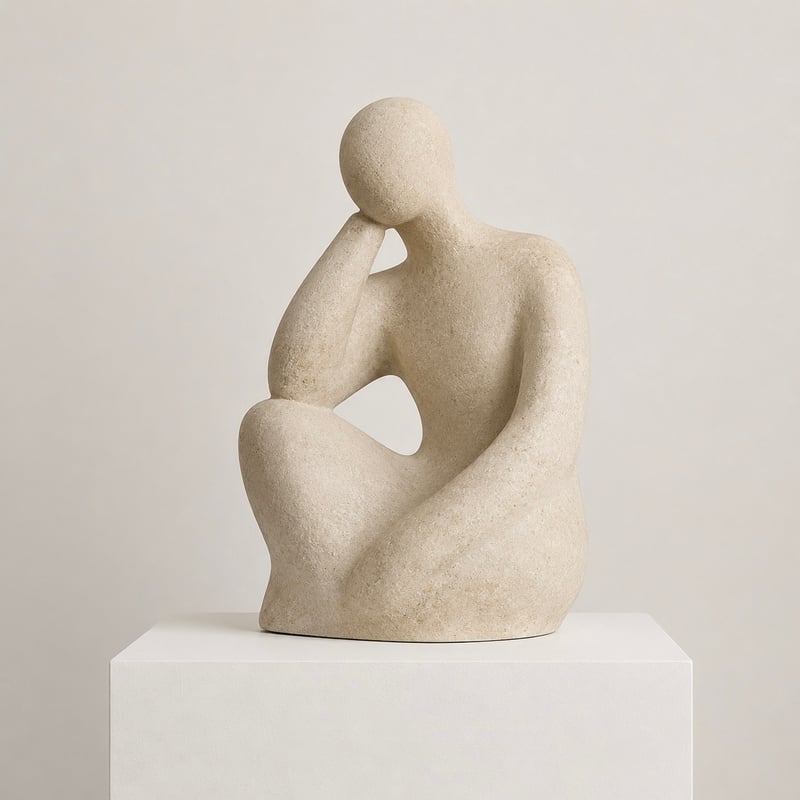
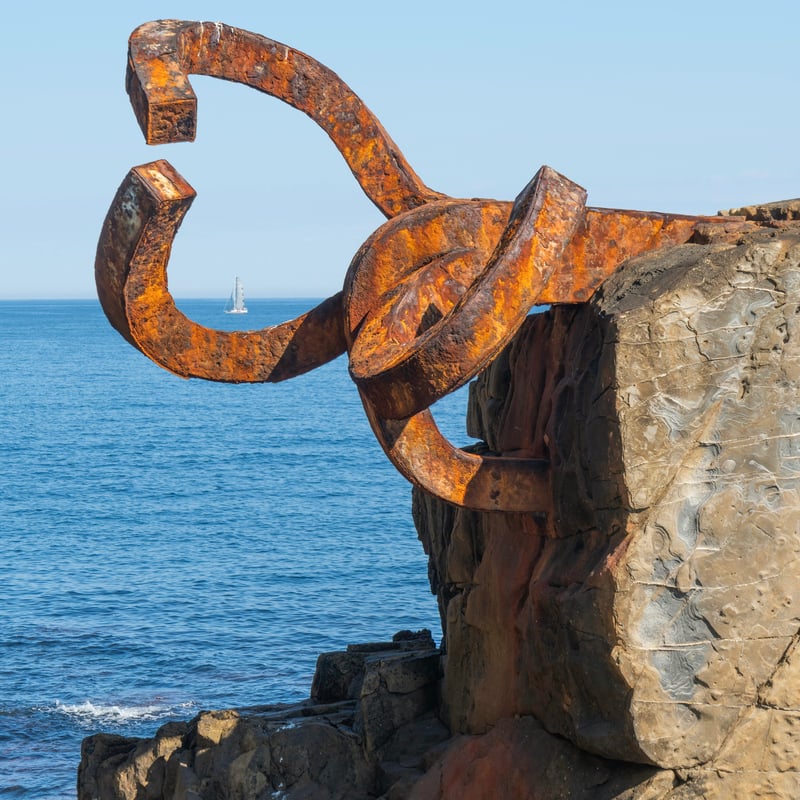
A sculpture is a three-dimension object made using any one of the basic sculpting processes. These include carving, casting, constructing or modeling. Carving materials may be bone, ivory, stone or wood. Modeling and casting use clay or wax, while constructions glue materials together.

Authenticity refers to the qualities that define an original artwork as genuine, created by the artist under the original circumstances. A reproduction lacks authenticity because it was not made by the original artist and does not share the same context or creation process. The authenticity of an original artwork can be questioned when reproductions exist, which can diminish its value. Authenticity is often established through provenance, expert analysis, and documentation, ensuring the artwork's originality.
Can't find your Answer?
Thank you! Your question has been sent — we'll get back to you shortly.
