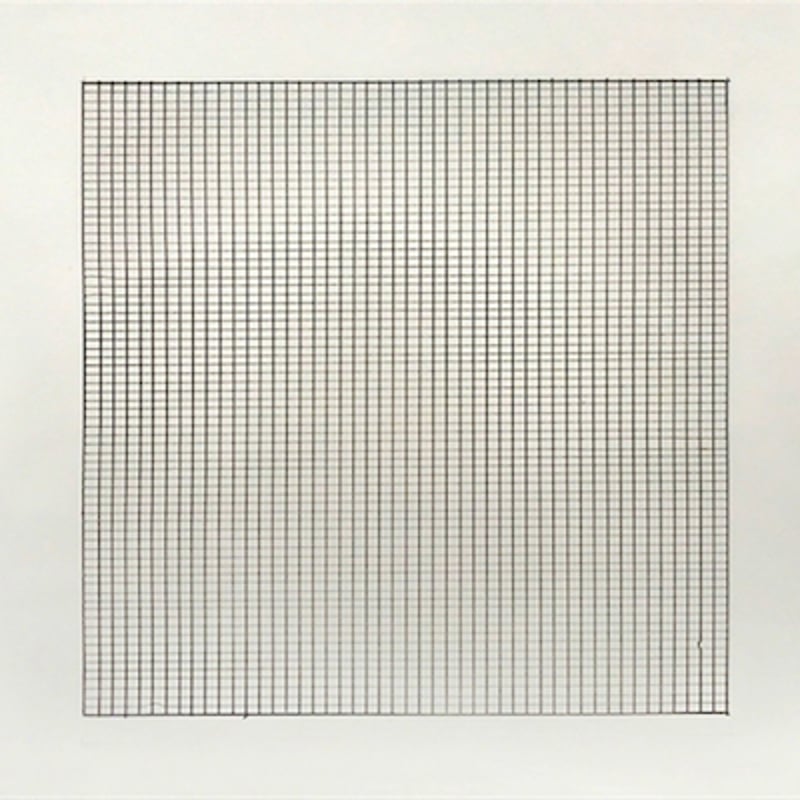
What is minimalism?
- Show All
- Established
- Discoveries
- Show All
Artworks Related to Minimalism
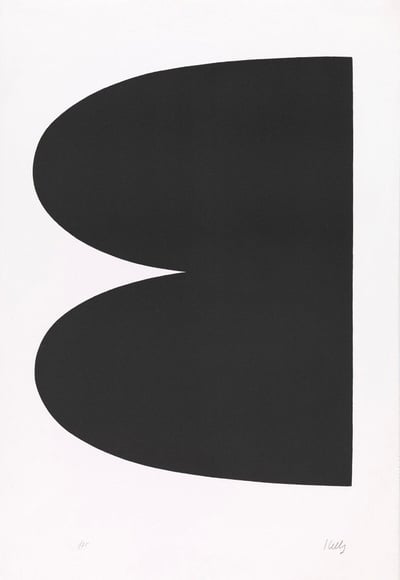
Ellsworth Kelly
Black (Noir), 1964-65
Limited Edition Print
Lithograph
USD 20,000 - 25,000
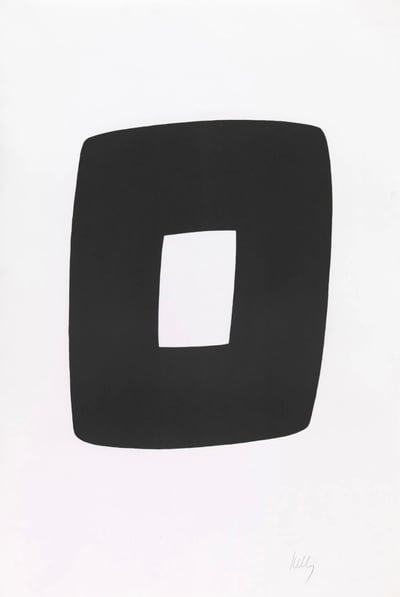
Ellsworth Kelly
Black with White, 1964-65
Limited Edition Print
Lithograph
USD 22,500

Jenny Holzer
War, 1992
Sculpture / Object
Mixed Media
USD 5,000 - 7,000
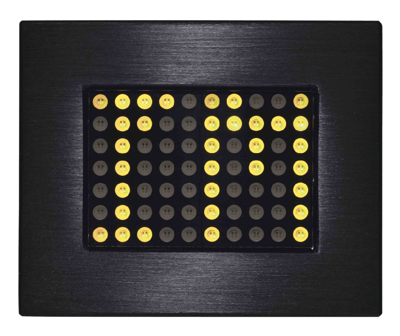
Jenny Holzer
Truism 4 (Mother & Child), 1990
Sculpture / Object
Mixed Media
USD 5,000 - 7,000

Jenny Holzer
Truism 2, 1977-79
Sculpture / Object
Mixed Media
USD 5,000 - 7,000

Jenny Holzer
Living 2, 1980-82
Sculpture / Object
Mixed Media
USD 5,000 - 7,000
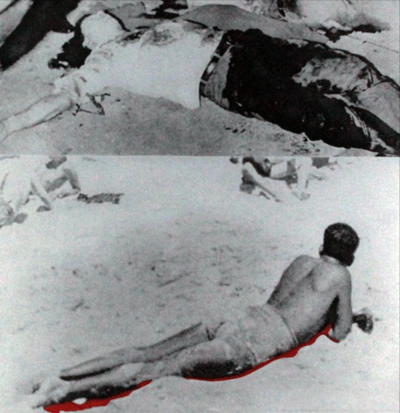
John Baldessari
Two Figures (One with Shadow), 1986
Limited Edition Print
Etching and Aquatint
Currently Not Available
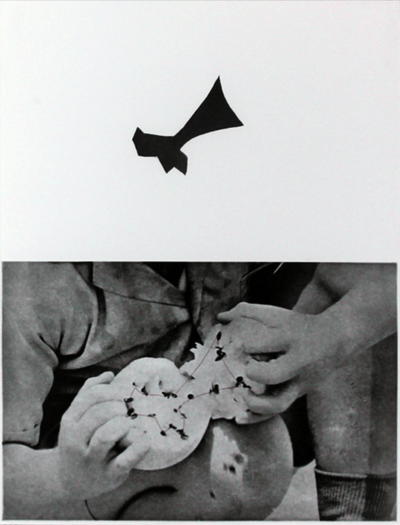
John Baldessari
Seeds, 1986
Limited Edition Print
Etching and Aquatint
USD 2,250
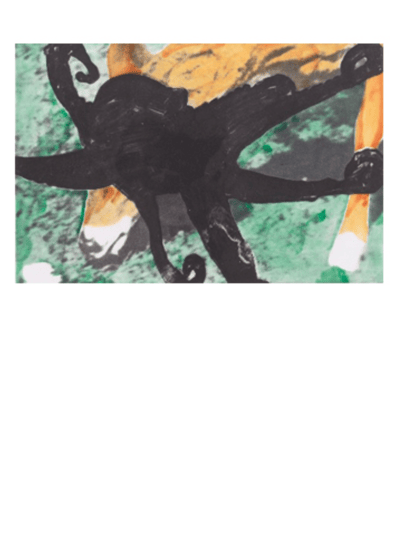
John Baldessari
Deer and Octopus, 1986
Limited Edition Print
Etching and Aquatint
USD 2,250

Ellsworth Kelly
Blue Green Black Red, 1971
Limited Edition Print
Lithograph
Currently Not Available
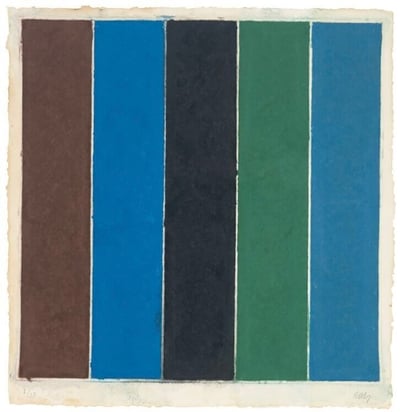
Ellsworth Kelly
Colored Paper Image XIX, 1976
Limited Edition Print
Mixed Media
USD 22,900
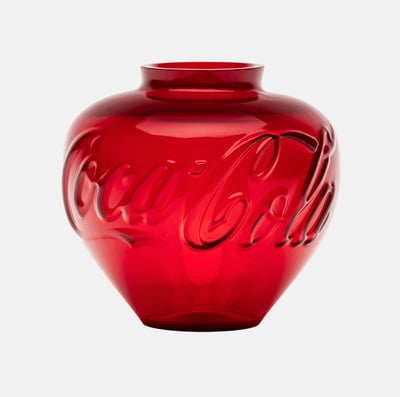
Weiwei Ai
Glass Vase, 2023
Sculpture / Object
Glass
GBP 4,000 - 7,000

Jacob Kassay
Untitled 6/10 (Radikal), 2013
Limited Edition Print
Lithograph
EUR 5,500

Jacob Kassay
Untitled 7/10 (Radikal), 2013
Limited Edition Print
Lithograph
EUR 5,500

Jacob Kassay
Untitled 4/10 (Radikal), 2013
Limited Edition Print
Lithograph
EUR 5,500

Jacob Kassay
Untitled 8/8 (La Opinión), 2013
Limited Edition Print
Lithograph
EUR 5,500
Related Articles

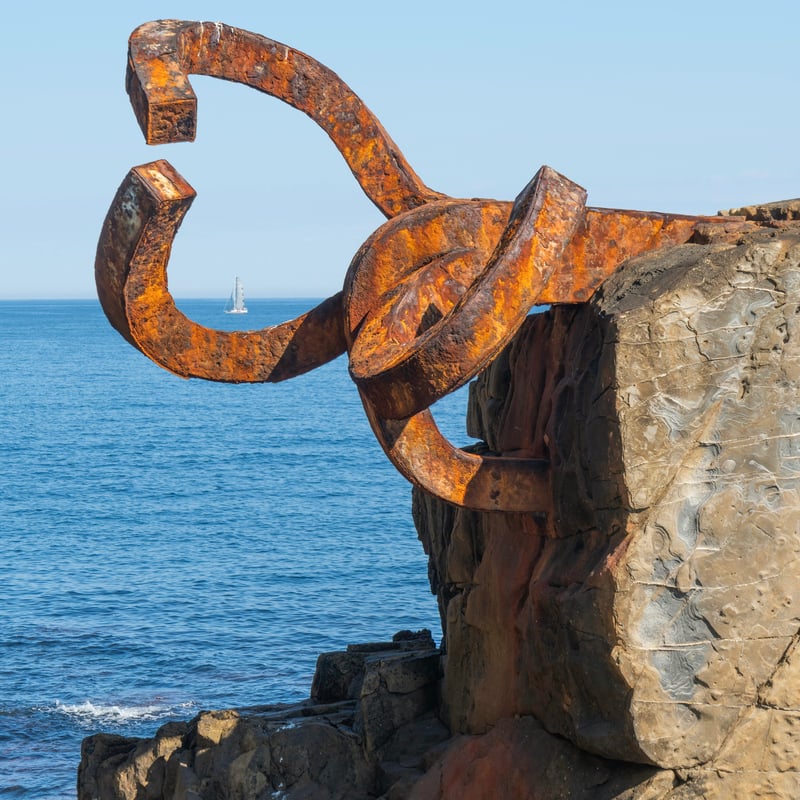


A Biennial is an art exhibition held every two years, typically on a large scale with international participants. The first and most famous example is the Venice Biennale, established in 1895 and held in the Giardini, a public park in Venice. Over time, the event has grown to include thirty permanent pavilions, each representing different countries. Biennials have become significant events in the contemporary art world, offering a platform for artists to showcase their work to a global audience.
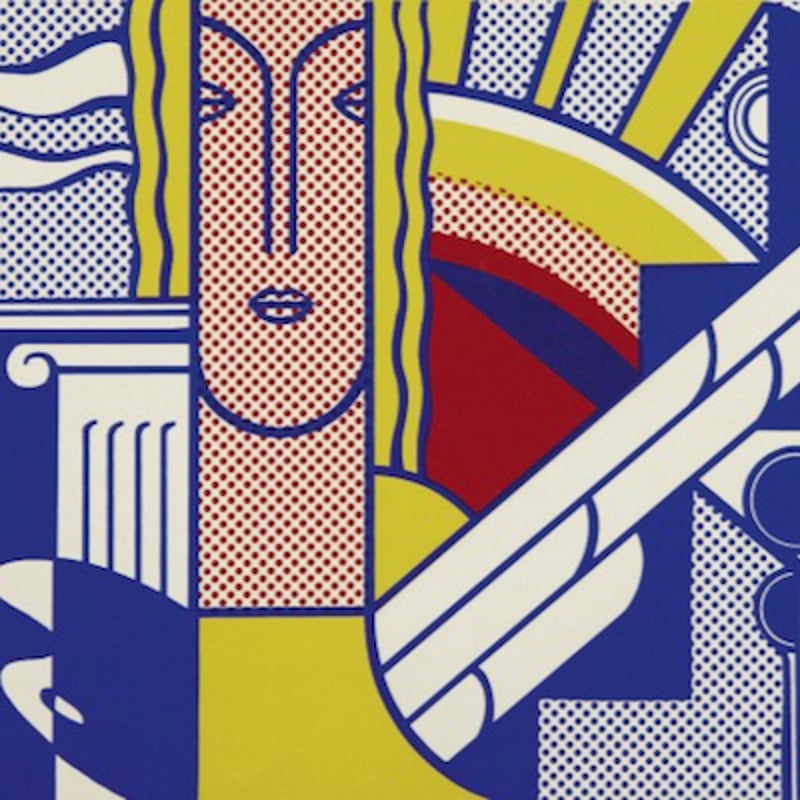
Late Modernism refers to the continuation and evolution of Modernist principles in art, architecture, and literature from the mid-20th century into the late 20th century. This movement maintains a focus on form, abstraction, and the rejection of traditional styles, but it often incorporates more complexity and ambiguity compared to early Modernism. Late Modernism explores themes such as alienation, identity, and the fragmentation of reality, reflecting the social and cultural shifts of the post-war period. It is seen in the works of architects like Louis Kahn and artists like Francis Bacon, who pushed the boundaries of Modernism while responding to the changing world around them.

A print proof refers to any test impressions made from a printing plate or block to check the image quality before the final print is completed. These proofs are used as quality checks to ensure that the details and alignment are correct. Different types of proofs, such as artist's proofs or trial proofs, serve specific purposes during the printmaking process.
Can't find your Answer?
Thank you! Your question has been sent — we'll get back to you shortly.
