
Acrylic on canvas is a technique where acrylic paint is applied to a canvas surface using tools like brushes and palette knives. Acrylic paint is a synthetic medium made from liquid plastic, which (...) read more
Art Glossary
Definitions of Art Forms, Mediums, and Movements

Image © Olena Hromova/Shutterstock

Acrylic on paper is a technique that involves using acrylic paints on various paper types and textures. Artists often choose watercolor paper with smooth or rough surfaces to apply acrylics using (...) read more

Acrylic paint is a fast-drying paint made from pigment suspended in an acrylic polymer emulsion. It is water-soluble when wet but becomes water-resistant once dry. Acrylic paints offer unique (...) read more
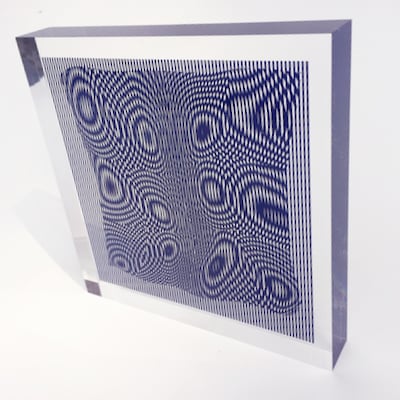
Acrylic sculpture refers to both a process and the resulting object. The artist begins by creating a sculpture from clay, plaster, or epoxy, which is then used to make a flexible mold. Melted acrylic (...) read more
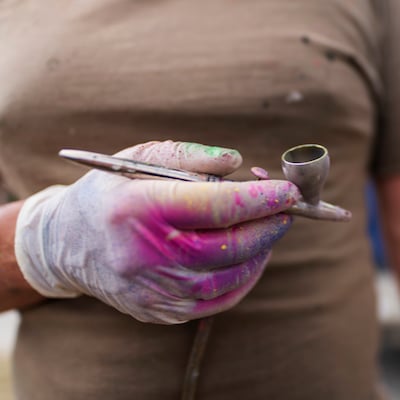
An airbrush is a device that sprays various media, including paint and ink, using compressed air. Artists use airbrushes to create a smooth, even application of color, often achieving effects that (...) read more
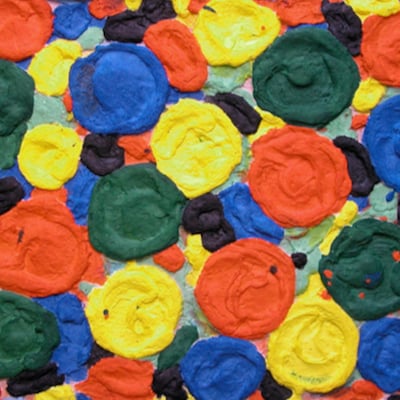
Aquagravure is a technique that combines multiple processes. It involves compressing wet paper pulp in a carved wood mold until the water drains off. The compressed paper is then painted, and ink is (...) read more
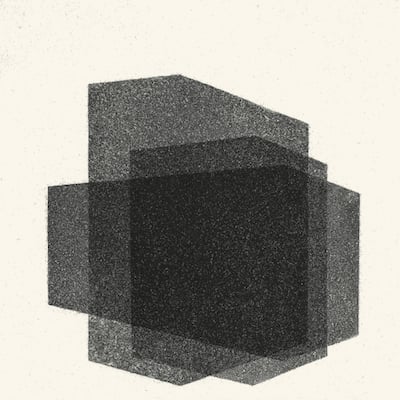
Intaglio is a printmaking technique where the artist creates marks on a metal plate that hold ink or dye. The inked plate is then pressed onto paper, transferring the ink to the sheet. This process (...) read more
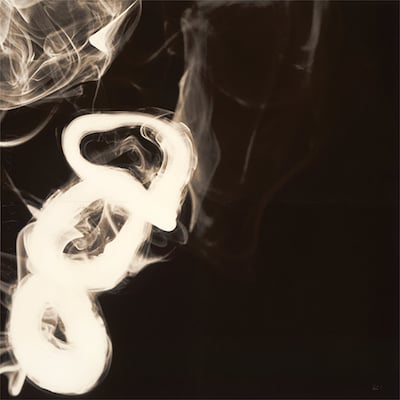
An archival print refers to a fine art reproduction of museum quality, created using the highest quality materials and methods. These prints are produced on the finest papers and with inks (...) read more

Assemblage is an artistic process involving the combination of three-dimensional objects to create a work of art. The term, which originates from the French word for assembly, often involves the use (...) read more

A body print is an art technique where the artist uses their body as a printing plate. This can be done by smearing grease, margarine, or oil on the skin, hair, and clothes, then pressing the body (...) read more

Bronze is a metal alloy made primarily of copper and tin, with a typical modern composition of 88% copper and 12% tin. Over time, bronze develops a patina, a surface color that often turns deep green (...) read more

A C-type print, also known as a chromogenic print, is a photographic print made from a color negative or slide. The print is created on chromogenic paper, which contains three emulsion layers, each (...) read more

Calligraphy is a visual art closely related to writing, involving the creation of decorative lettering or handwriting using a brush or pen. Contemporary calligraphy is the art of giving form to (...) read more

Carborundum is the trademark name for silicon carbide crystals, an abrasive material commonly used in sandpaper, cutting tools, and grinding wheels. Originally, artists used carborundum for grinding (...) read more
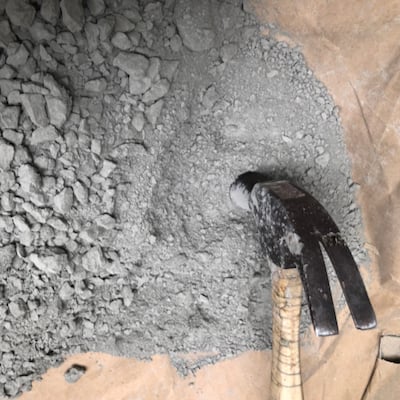
Cement refers to a variety of mixtures, typically made from clay, limestone, water, sand, and gravel, which form concrete used in construction. The term to cement also means to join or unite (...) read more

Ceramic is a term used to describe objects made from clay or other inorganic materials. These objects can be either decorative or functional and have been created since at least 4,000 B.C. Ceramic (...) read more

Chalk is a natural mineral, primarily composed of calcium carbonate. In art, chalk refers to sticks used for drawing, made from a mixture of chalk, colored pigments, and gum Arabic. These sticks are (...) read more

Charcoal is made from charred wood and is used in both initial sketches and finished drawings. It can be easily smudged or erased, making it versatile for corrections. To make charcoal drawings (...) read more

Clay is a natural material formed when rocks break down over time due to weathering. Water carries the fine particles of earth, which accumulate as a soft, sticky substance called muck. This muck is (...) read more

Collage is a production art technique commonly used in visual arts where a new artwork is created by assembling various materials. These materials can include ribbons, newspaper and magazine (...) read more

Colored pencils consist of a core made from various colored pigments mixed with a binder, encased in wood. They can also be found as solid pigment sticks without the wooden casing. When drawing, the (...) read more

Computer printing involves using computer technology to reproduce fine art images as prints. In its basic form, this means creating digital versions of artwork that are printed onto paper. More (...) read more

Conté is a vivid, waxy crayon invented by Nicolas-Jacques Conté in 1795. Artists use Conté crayons for detailed drawing, shading large areas, and blending colors. The tips can be sharpened with (...) read more

Crayon is a French word that means pencil. In art, a crayon is a stick made of colored wax, chalk, charcoal, or clay used for drawing and coloring. Crayons are typically made from paraffin wax, which (...) read more