
What is acrylic paint?
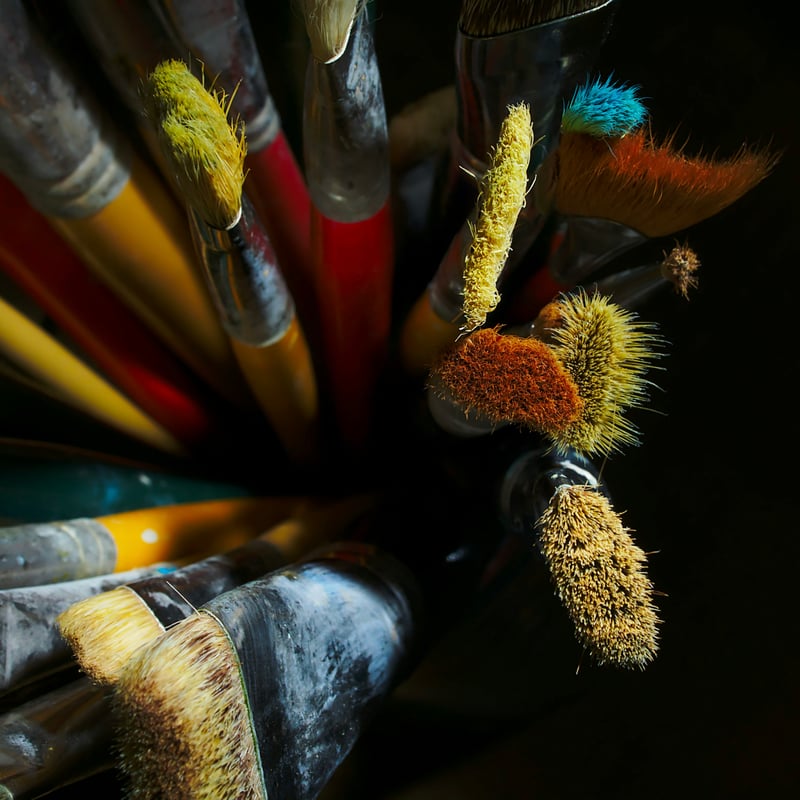
Acrylic paint is a fast-drying paint made from pigment suspended in an acrylic polymer emulsion. It is water-soluble when wet but becomes water-resistant once dry. Acrylic paints offer unique characteristics that are not easily achieved with other media, allowing for effects similar to both oil and watercolor paintings while providing their own distinct qualities.
Show All
- Show All
- Established
- Discoveries
Show All
- Show All
Artworks Related to Acrylic paint
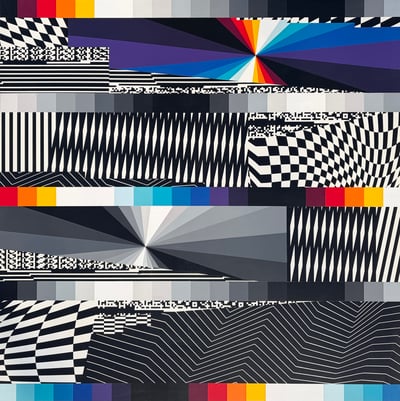
Felipe Pantone
Chromadynamica 33, 2017
Painting
Acrylic paint
Inquire For Price
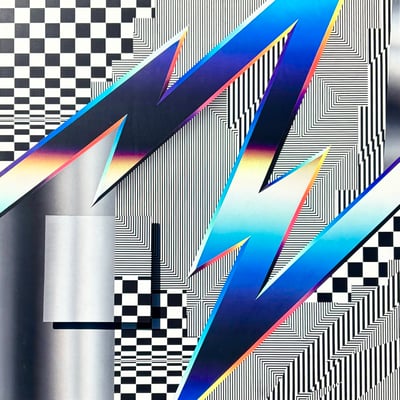
Felipe Pantone
Responsive Iframe, 2016
Painting
Acrylic paint
EUR 13,000
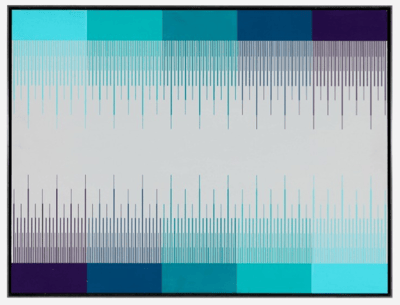
Richard Anuszkiewicz
Soft Gray, 1975
Painting
Acrylic paint
Currently Not Available
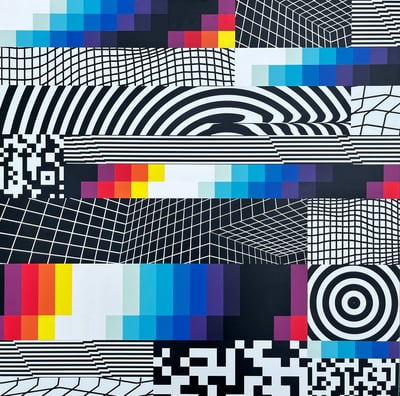
Felipe Pantone
Chromadynamica 26, 2017
Painting
Acrylic paint
EUR 12,000
Damien Hirst
Private Listing
Painting
Damien Hirst
Private Listing
Painting
Damien Hirst
Private Listing
Painting
Related Articles

Body art involves creating art directly on or with the human body. Common forms include body piercings and tattoos, but it also encompasses practices like branding, scarification, scalping, body painting, full-body tattoos, body shaping, and sub-dermal implants. Body art can also refer to a subcategory of performance art where the artist's body is central to the artwork.

Décollage is an art technique involving the removal, cutting, or tearing away of parts of an original image. The term comes from the French word meaning to take off or to unstick. Artists use this method to challenge or replace existing values, often symbolically tearing away influences from media or conventional thinking.

Animation is the process of displaying a sequence of static images in rapid succession to create the illusion of movement. Each image, or frame, is slightly altered from the previous one, particularly in the moving parts, so when shown together, they form a continuous motion. Traditionally, illustrators drew each frame by hand to produce this effect.
Can't find your Answer?
Thank you! Your question has been sent — we'll get back to you shortly.
