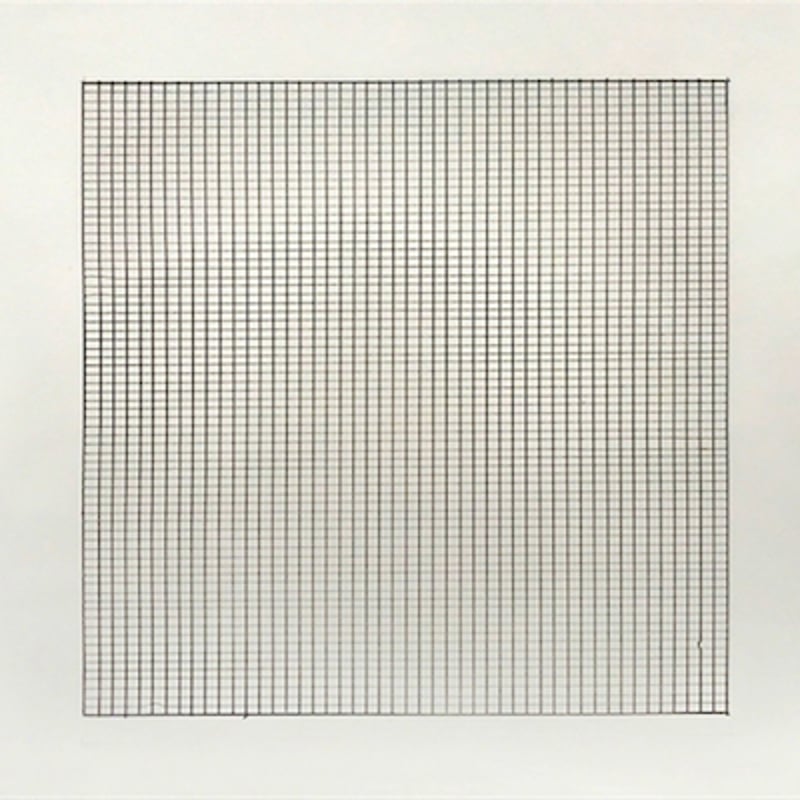
What is minimalism?
- Show All
- Established
- Discoveries
- Show All
Artworks Related to Minimalism

Robert Mangold
Semi Circle III, 1995
Limited Edition Print
Lithograph
Currently Not Available

Sol LeWitt
Tondo 1 (3 point star), 2002
Limited Edition Print
Linocut
Currently Not Available
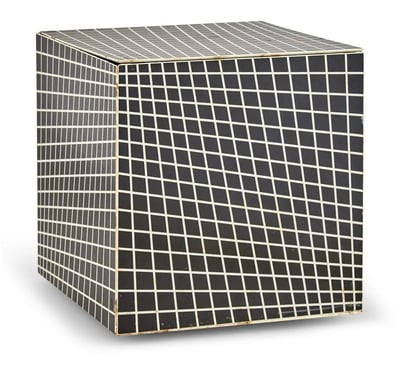
Richard Anuszkiewicz
Untitled OP Art Cube, 1968
Sculpture / Object
Mixed Media
USD 2,990
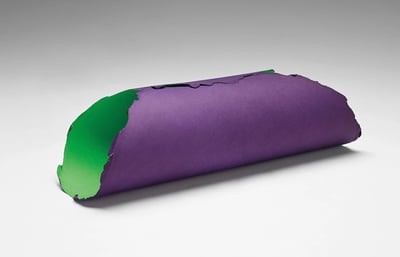
Dan Flavin
Guggenheim Tondo, 1992
Sculpture / Object
Mixed Media
EUR 7,500
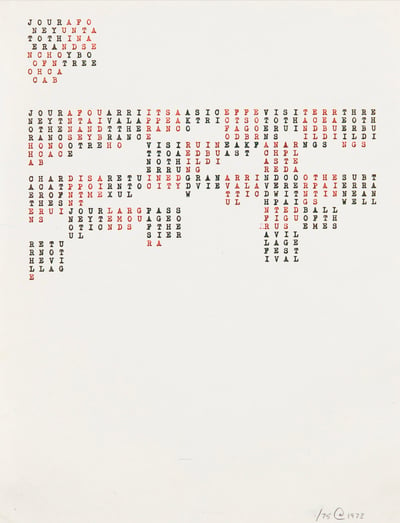
Carl Andre
Untitled (Text Grid), 1973
Limited Edition Print
Screen-print
USD 6,500
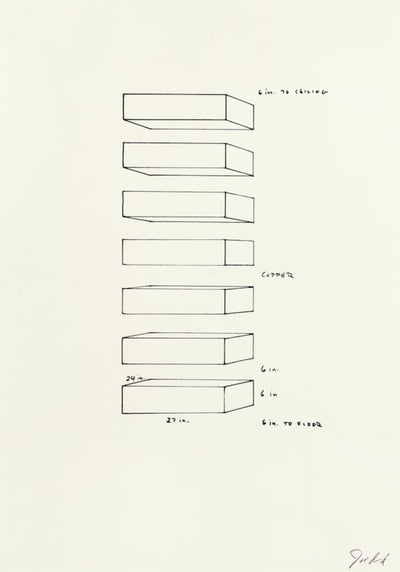
Donald Judd
Untitled (from Kunstmarkt Köln), 1969
Limited Edition Print
Offset Print
Currently Not Available
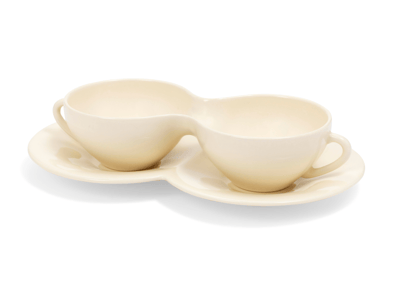
Mona Hatoum
T42, 1993-98
Sculpture / Object
Stone
Currently Not Available
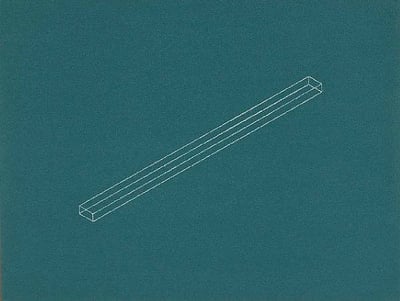
Fred Sandback
Twenty-two Constructions from 1967 (Jahn 113-134), 1967
Limited Edition Print
Lithograph
Currently Not Available
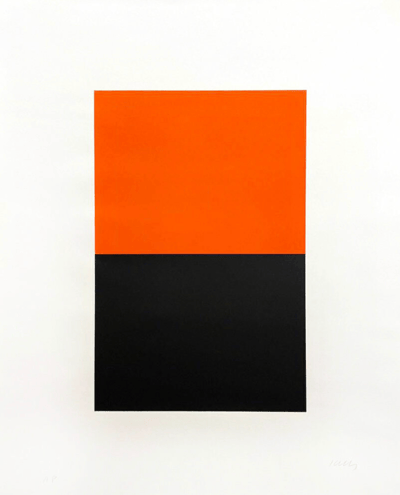
Ellsworth Kelly
Untitled (Orange/Black), 1972
Limited Edition Print
Lithograph
USD 17,750
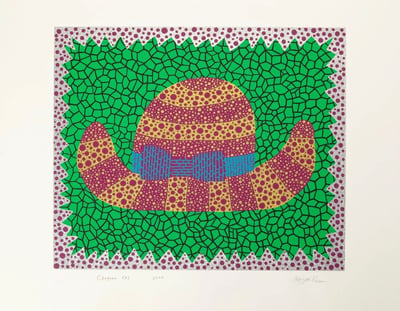
Yayoi Kusama
Chapeau (II), 2000
Limited Edition Print
Screen-print
GBP 28,000 - 40,000

Frank Stella
Double grey scramble (AXSOM 93), 1973
Limited Edition Print
Screen-print
Currently Not Available

Jenny Holzer
Olympian Sign, 1986
Sculpture / Object
Mixed Media
Currently Not Available

Olafur Eliasson
Studioblick, 2013
Sculpture / Object
Mixed Media
Currently Not Available
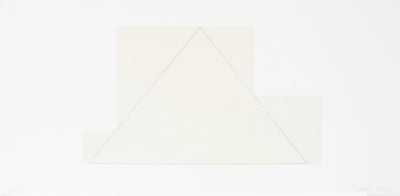
Robert Mangold
Untitled 2 ( from A Book of Silk Screen Prints), 1992
Limited Edition Print
Serigraph
USD 1,100
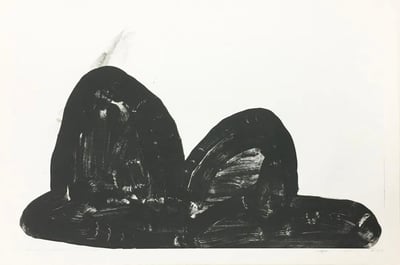
Joel Shapiro
Untitled 1980-1982 II, 1982
Limited Edition Print
Etching and Aquatint
USD 1,650

Joel Shapiro
Untitled (Double Green), 1980
Limited Edition Print
Lithograph
USD 1,990
Related Articles
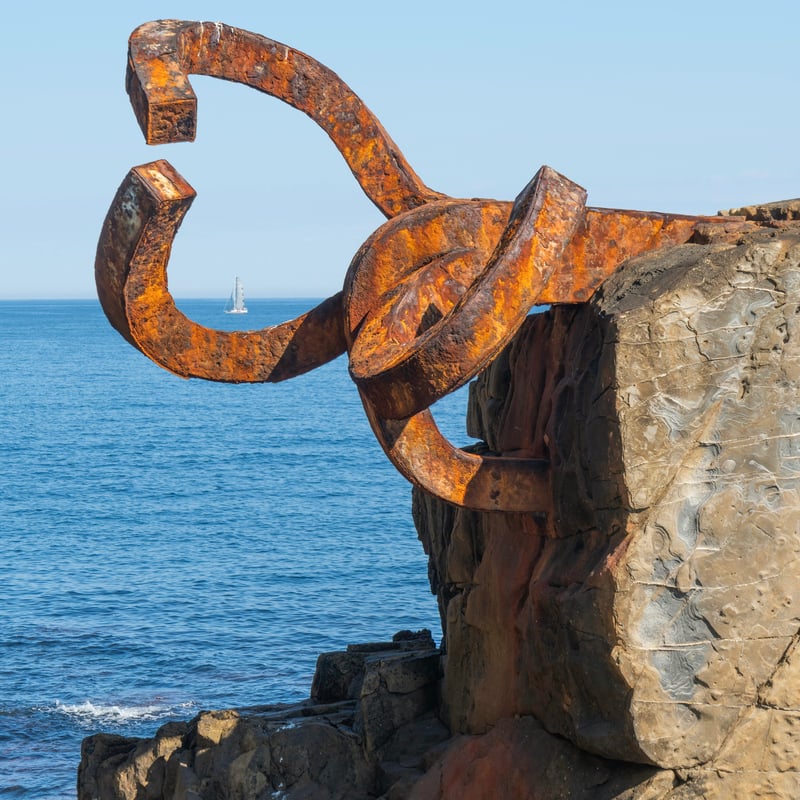


Composition refers to the arrangement of elements within an artwork. The artist carefully organizes these elements to create a harmonious or intentionally dynamic relationship. Traditional approaches to composition often follow classical, geometric principles, while contemporary movements may experiment with new arrangements and adjustments, breaking away from conventional rules to achieve different visual effects.
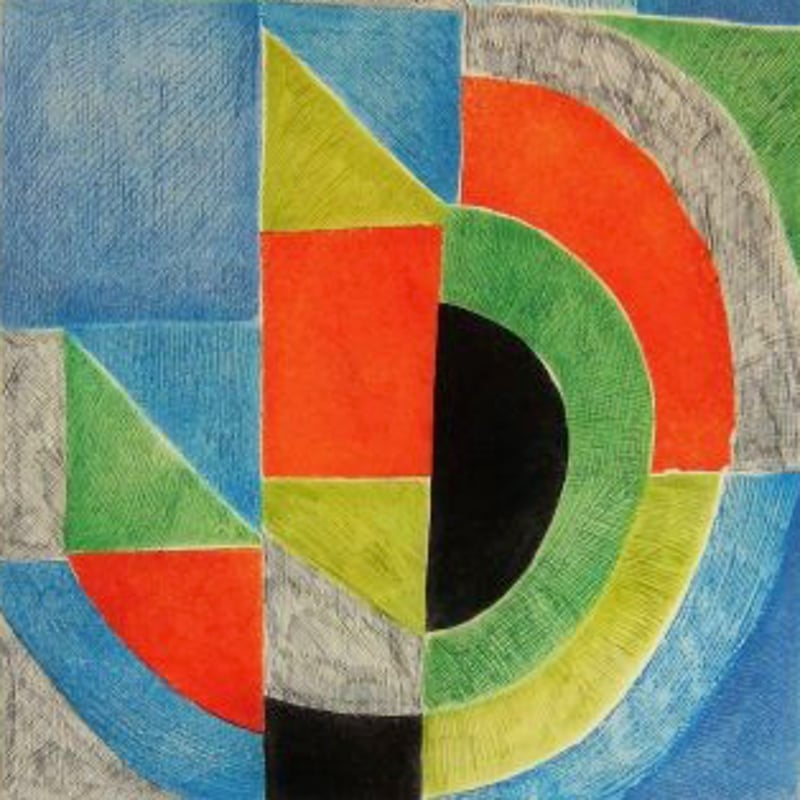
Réalités Nouvelles means new realities and refers to an exhibiting society founded in 1939 in Paris by Sonia Delaunay. The Salon des Réalités Nouvelles was dedicated to promoting abstract art, which it considered to be a new reality because it does not imitate the existing physical world. The movement emphasized that abstract art creates its own reality, independent of the external world, and played a significant role in the development and recognition of abstract art in the mid-20th century.

Oil on board is a painting technique where oil paint is applied to either wood panels that have been sanded and primed or high-density cardboard covered with canvas. These surfaces offer the advantage of being more compact for storage compared to traditional stretched canvas on frames, while still providing a stable surface for painting.
Can't find your Answer?
Thank you! Your question has been sent — we'll get back to you shortly.
