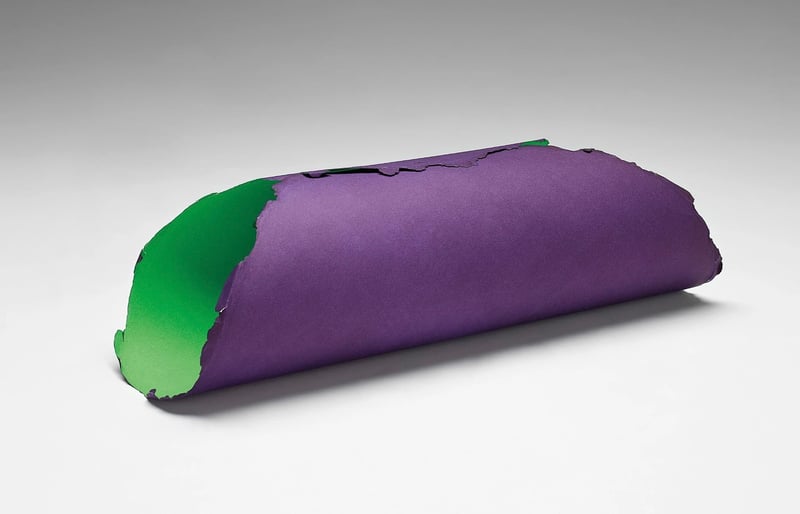
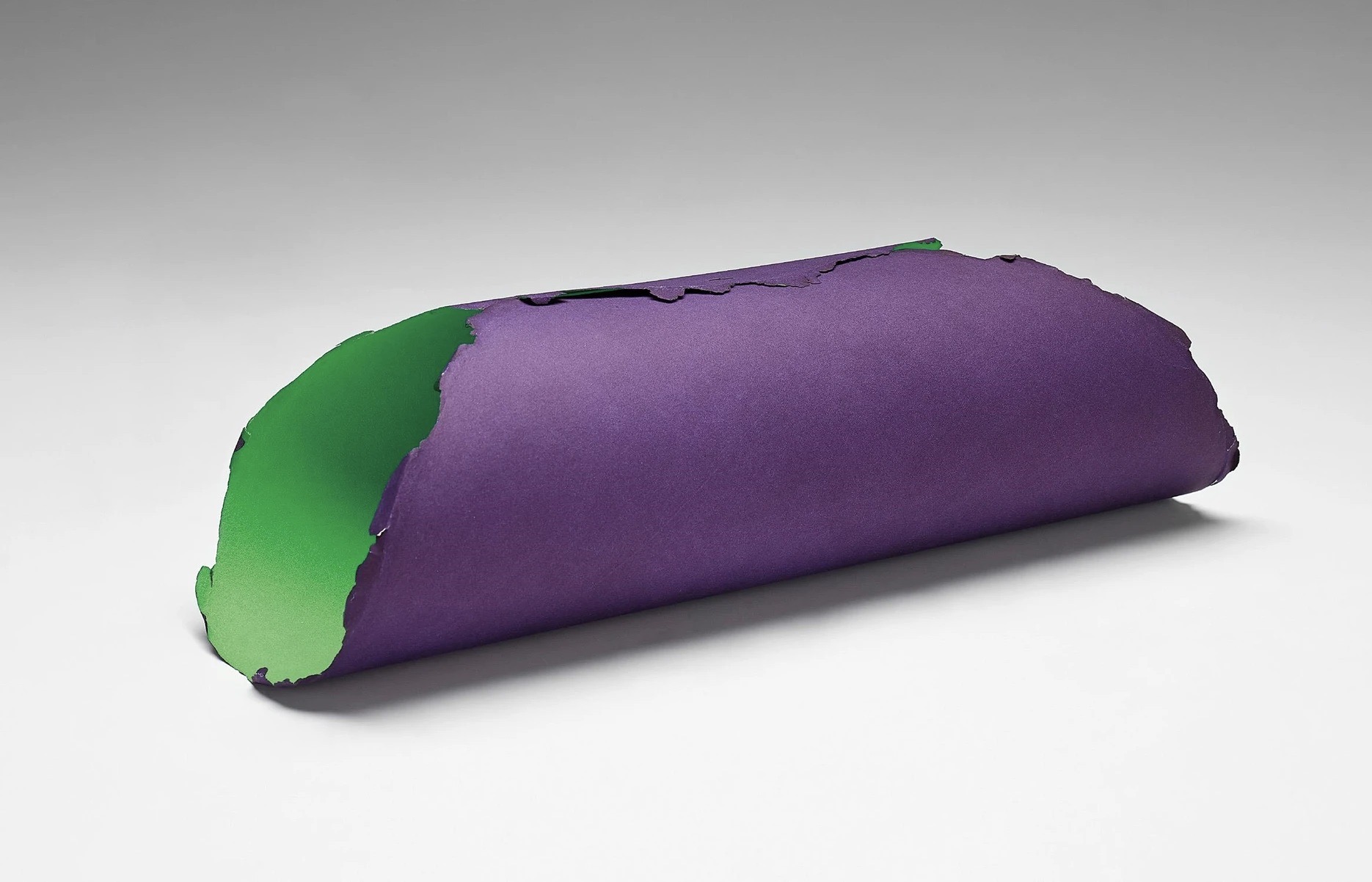
Double-sided mezzotint in purple and green (one on each side), on handmade paper, the full sheet rolled and fastened with a single stitch (as issued)
Guggenheim Tondo by Dan Flavin is a mixed media sculpture created in 1992. This piece features a double-sided mezzotint on handmade paper, showcasing purple on one side and green on the other. The sheet is carefully rolled and fastened with a single stitch, maintaining its organic form and texture. Flavin, primarily known for his work with fluorescent light, here uses paper as a medium to explore contrast and form in a more tactile way. The simple, cylindrical shape emphasizes the interaction of color and shadow, evoking a sense of subtle movement within a static form.
Artwork Copyright © Dan FlavinDan Flavin (USA, 1933–1996) was a pioneering Minimalist artist renowned for his use of fluorescent light. By arranging colored tubes in geometric forms, he transformed spaces with ambient light, exploring the interplay of color, shadow, and perception.
Artwork Copyright © Dan FlavinGuggenheim Tondo, 1992
Form
Medium
Size
- Inches
- Centimeters
Edition
Price
- USD
- EUR
- GBP
- CHF
- Authenticity Guaranteed
- Insured Shipping
- Online Since 2005
●Inventory 10891
●Signed
●Comes with gallery invoice and certificate
●Sell Us a Similar Artwork. Learn more.
Double-sided mezzotint in purple and green (one on each side), on handmade paper, the full sheet rolled and fastened with a single stitch (as issued)
Guggenheim Tondo by Dan Flavin is a mixed media sculpture created in 1992. This piece features a double-sided mezzotint on handmade paper, showcasing purple on one side and green on the other. The sheet is carefully rolled and fastened with a single stitch, maintaining its organic form and texture. Flavin, primarily known for his work with fluorescent light, here uses paper as a medium to explore contrast and form in a more tactile way. The simple, cylindrical shape emphasizes the interaction of color and shadow, evoking a sense of subtle movement within a static form.
Artwork Copyright © Dan FlavinDan Flavin (USA, 1933–1996) was a pioneering Minimalist artist renowned for his use of fluorescent light. By arranging colored tubes in geometric forms, he transformed spaces with ambient light, exploring the interplay of color, shadow, and perception.
Artwork Copyright © Dan Flavin- Recently Added
- Price (Low-High)
- Price (High-Low)
- Year (Low-High)
- Year (High-Low)
Dan Flavin
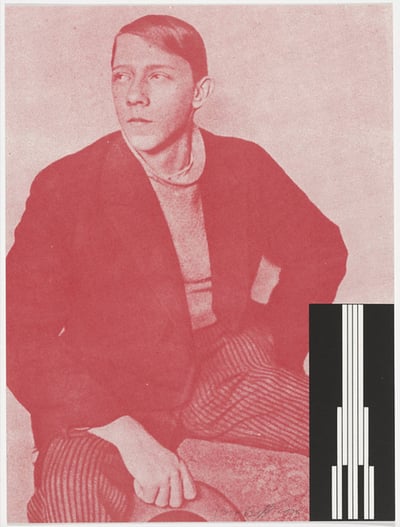
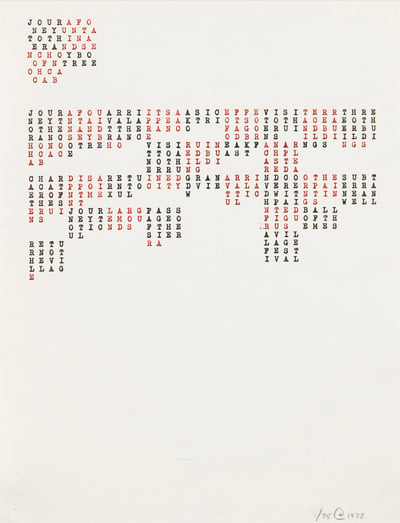
Untitled from The New York Collection for Stockholm, 1973
Limited Edition Print
Screen-print
GBP 2,340
Dan Flavin
Guggenheim Tondo, 1992
Sculpture / Object
Mixed Media
EUR 7,500
Related Artists

Related Articles
Popular, Art Movements - May 5, 2022
Minimalism in the XX Century: Simple Gestures and Essential Ideas.
Explore Minimalism in the 20th century, from art to architecture. Discover its evolution, pioneers like Donald Judd, and its impact on modern creativity.Read More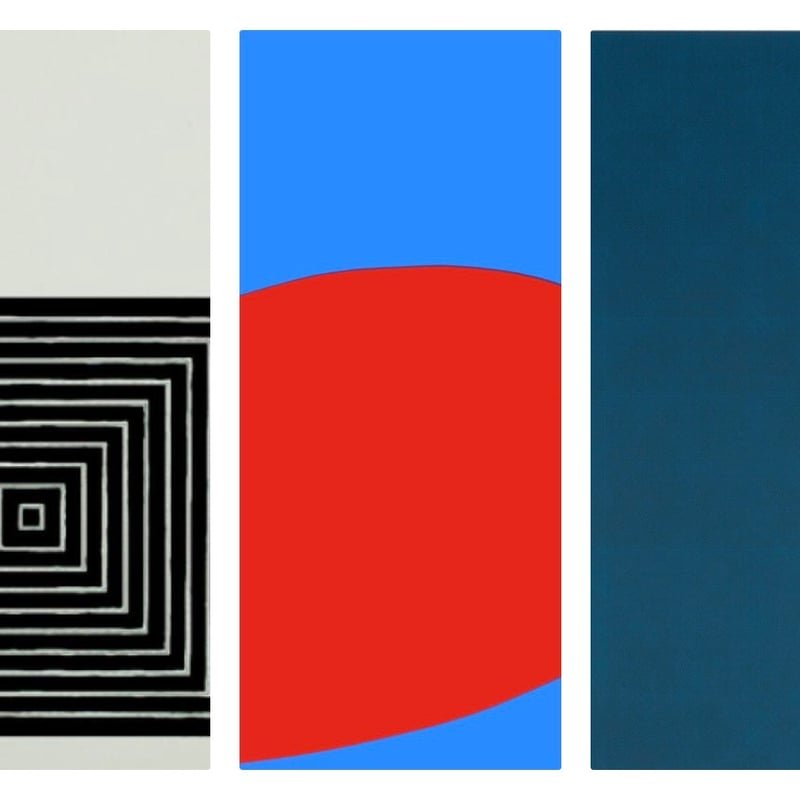
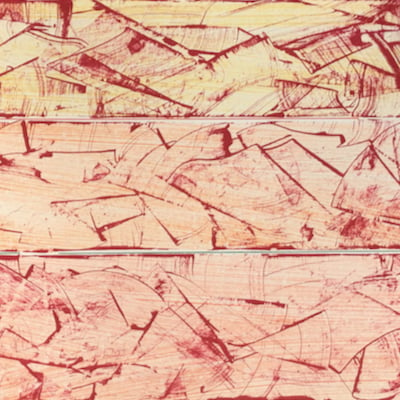
Artwork by Kenneth Noland
What is Systems Art?
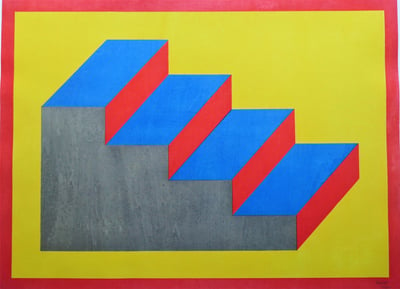
Systems Art refers to a group of artists who, during the late 1960s and early 1970s, used the frameworks of conceptualism and minimalism to create art that was responsive to its environment. Rejecting traditional art themes, they embraced aesthetic systems and experimented with diverse media. Systems Art often connected with contemporary political movements of the time, emphasizing the interrelationship between the artwork, its context, and the broader social and political environment.

Dan Flavin
Guggenheim Tondo, 1992
15 x 47 x 14 cm


