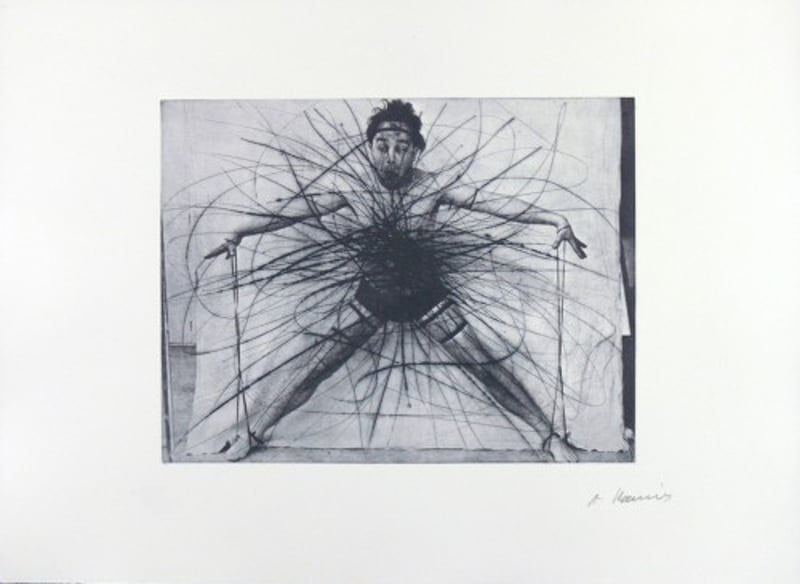
What is etching?
- Show All
- Established
- Discoveries
- Show All
Artworks Related to Etching
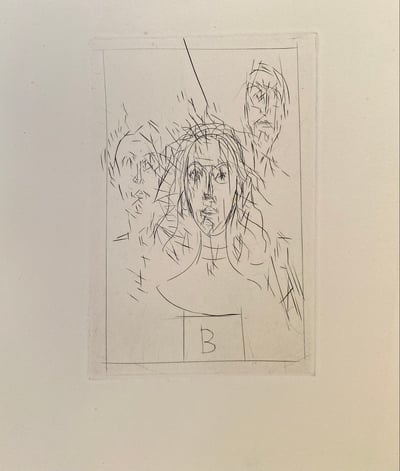
Alberto Giacometti
Tete de B sur socle et deur tetes esquissées, 1946-1947
Limited Edition Print
Etching
USD 1,300

Thomas Schutte
Alte Freunde (Old friends) 2, 2010
Limited Edition Print
Etching
EUR 2,650
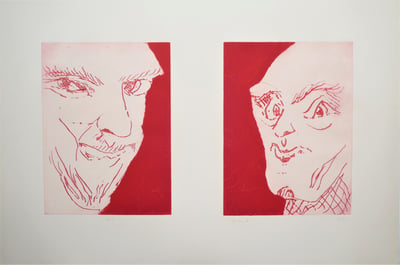
Thomas Schutte
Alte Freunde (Old friends), 2010
Limited Edition Print
Etching
EUR 2,650
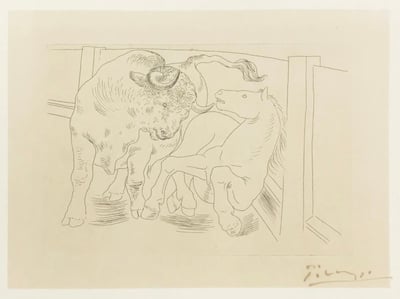
Pablo Picasso
Bull and Horse (plate III) in the Arena from Le Chef-d'œuvre inconnu, 1927
Limited Edition Print
Etching
USD 8,000
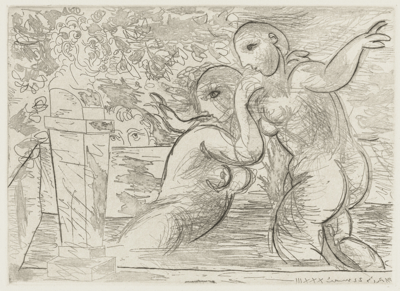
Pablo Picasso
Les Baigneuses Surprises, from La Suite Vollard, 1933
Limited Edition Print
Etching
USD 16,800
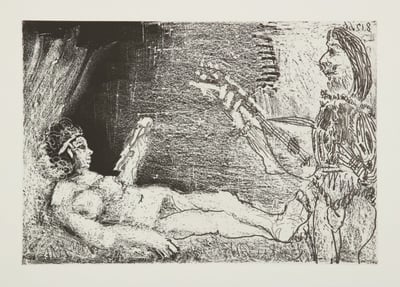
Pablo Picasso
Le Cocu magnifique I, 1968
Limited Edition Print
Etching
EUR 11,900
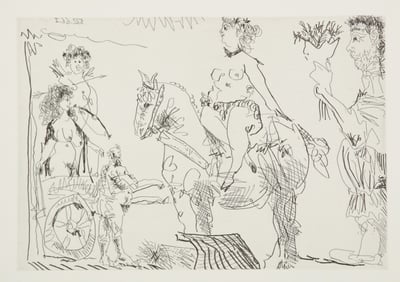
Pablo Picasso
Le Cocu magnifique, 1968
Limited Edition Print
Etching
EUR 11,900
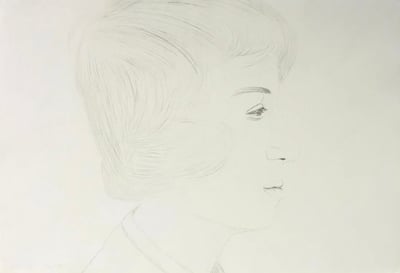
Alex Katz
Profile of Vincent, 1974
Limited Edition Print
Etching
USD 1,900

Damien Hirst
Eternal Rest, 2009
Limited Edition Print
Etching
USD 5,400

Reinhoud d'Haese
Deluxe Edition, 1989
Limited Edition Print
Etching
Currently Not Available

Richard Diebenkorn
Softground Y, 1982
Limited Edition Print
Etching
Currently Not Available
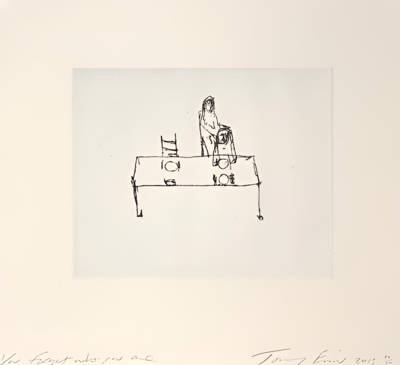
Tracey Emin
You forgot who you are, 2013
Limited Edition Print
Etching
GBP 3,500

Donald Baechler
Family I, 1986
Limited Edition Print
Etching
Currently Not Available
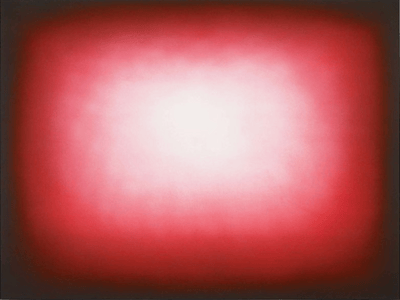
Anish Kapoor
Red shadows 2, 2016
Limited Edition Print
Etching
Currently Not Available
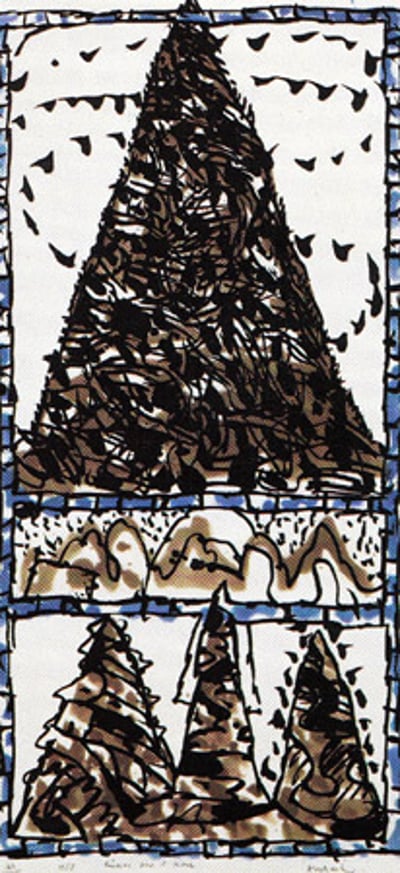
Pierre Alechinsky
Reserve pour l'hiver, 1988
Limited Edition Print
Etching
Currently Not Available
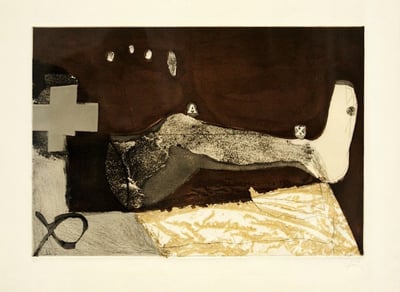
Antoni Tapies
La cama, 1975
Limited Edition Print
Etching
EUR 3,750
Related Articles
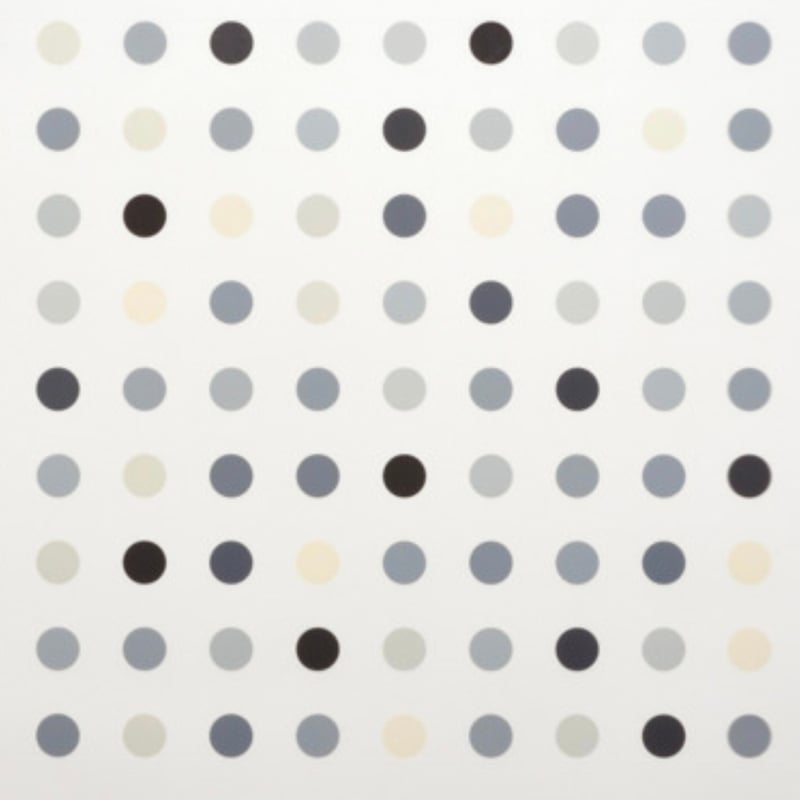
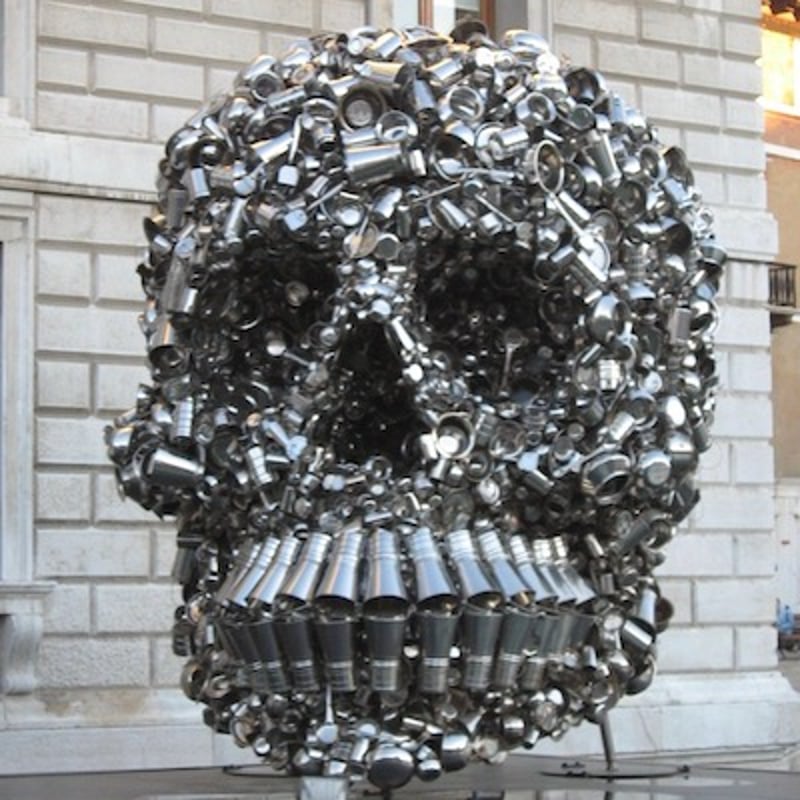
Junk art is a form of art that demonstrates how any material or object can be used to create a wide range of paintings, sculptures, installations, and assemblages. Many Junk Art pieces are made using ordinary materials found in everyday life. By applying artistic knowledge and skills, artists can transform these common objects into remarkable works of art.
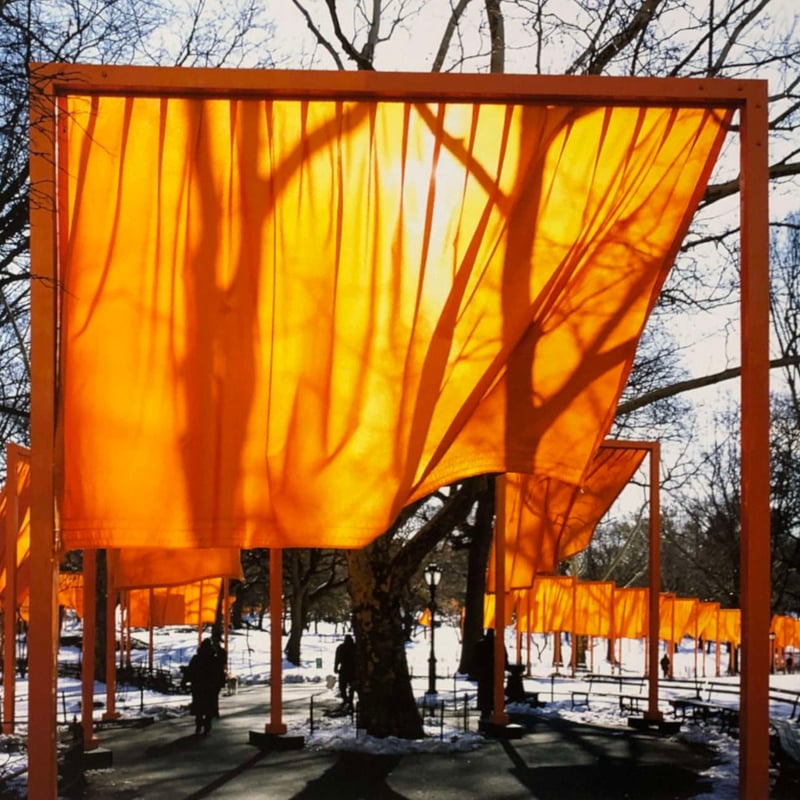
Ephemeral art is a type of art that occurs only once and typically lasts for a very short period. It cannot be displayed as a traditional work of art in a gallery or museum. Examples of ephemeral art include performances, happenings, sound sculptures, flyers, and mass-produced items. This art form emphasizes the transient nature of the experience, existing only in the moment and often leaving no lasting physical trace.

Superflat is an art movement founded by Takashi Murakami, heavily influenced by anime and manga. The term Superflat refers to the flattened forms found in Japanese animation, graphic art, fine arts, and pop culture, as well as the perceived superficiality of Japanese culture. Murakami's movement, which he self-proclaimed, is considered postmodern and critiques both the depth and shallowness of contemporary Japanese society. Superflat has been highly influential in bridging the gap between high art and popular culture.
Can't find your Answer?
Thank you! Your question has been sent — we'll get back to you shortly.
