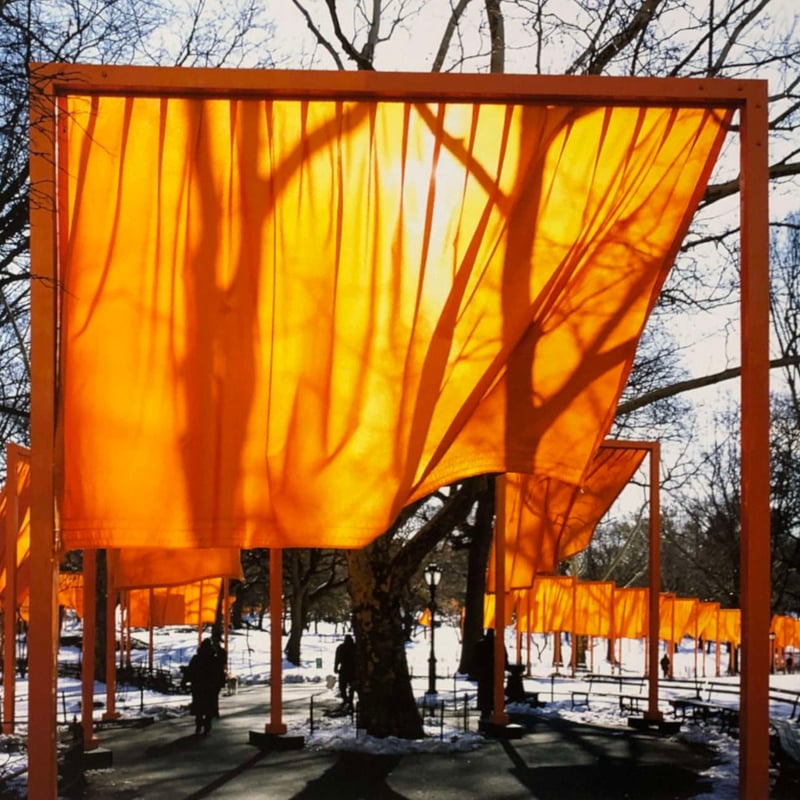
What is Emphemeral Art?
- Show All
- Established
- Discoveries
- Show All
Artworks Related to Ephemeral Art
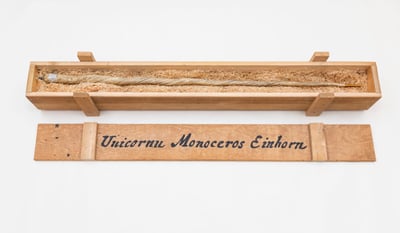
Mark Dion
My Most Priceless Treasure (unicorn), 2004
Sculpture / Object
Mixed Media
EUR 8,400
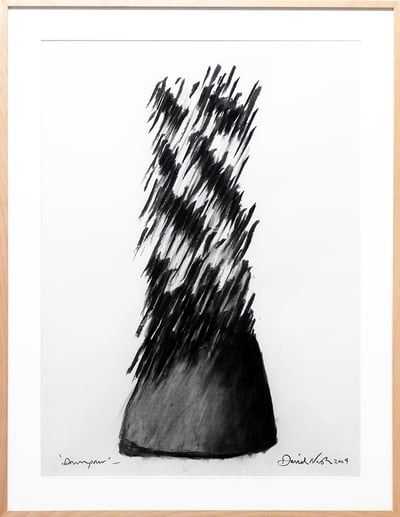
David Nash
Downpour, 2004
Drawing / Watercolor
Charcoal
Inquire For Price
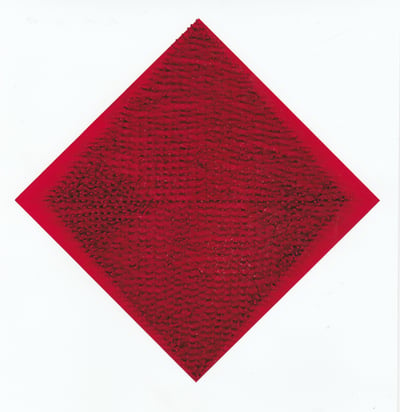
Bernard Aubertin
Clou - with pattern , 1966
Painting
Mixed Media
EUR 20,000 - 30,000
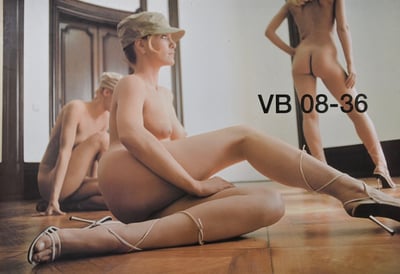
Vanessa Beecroft
Performances, 2000
Limited Edition Print
Offset Print
Currently Not Available
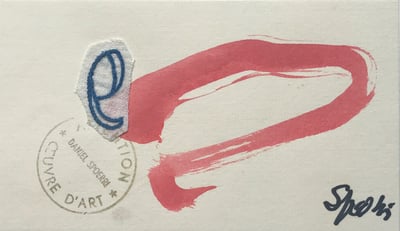
Daniel Spoerri
Collage 2 - E, 2017
Drawing / Watercolor
Collage
EUR 500
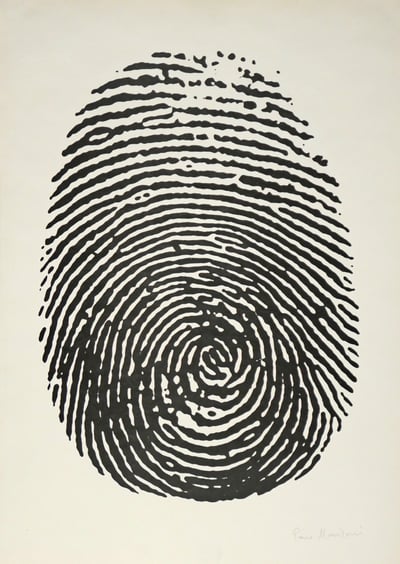
Piero Manzoni
Impronta del pollice sinistro, 1960
Limited Edition Print
Lithograph
Currently Not Available
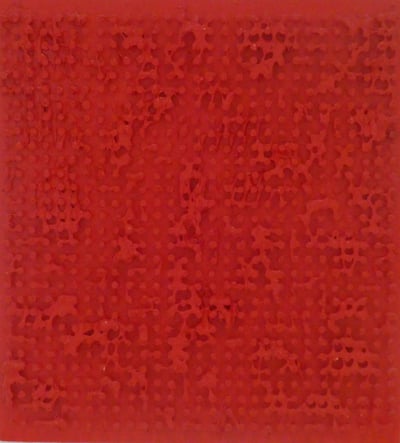
Bernard Aubertin
Abidjan, 2014
Painting
Mixed Media
EUR 5,400
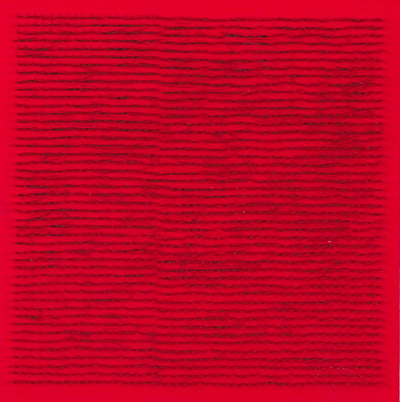
Bernard Aubertin
Clou (rouge), 1968
Painting
Mixed Media
EUR 20,000 - 30,000
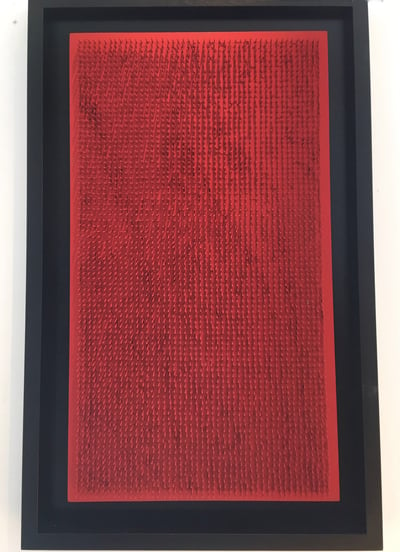
Bernard Aubertin
Clou, 1969
Painting
Mixed Media
EUR 20,000 - 30,000
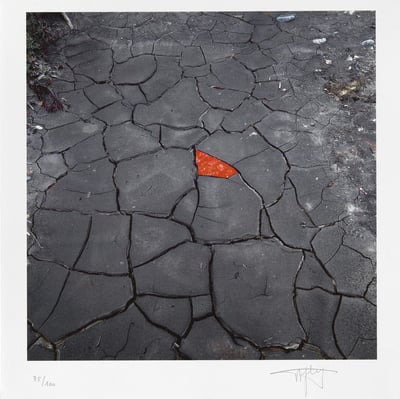
Andy Goldsworthy
Red leaves on cracked earth, 2006
Limited Edition Print
Digital Print on paper
Currently Not Available
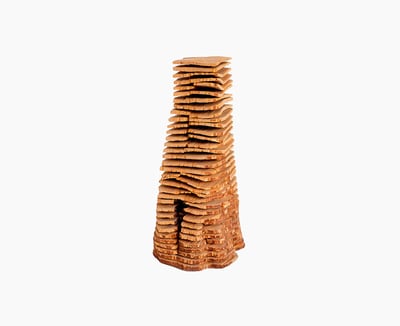
David Nash
Birch crack and warp column, 1999
Sculpture / Object
Wood
EUR 14,260
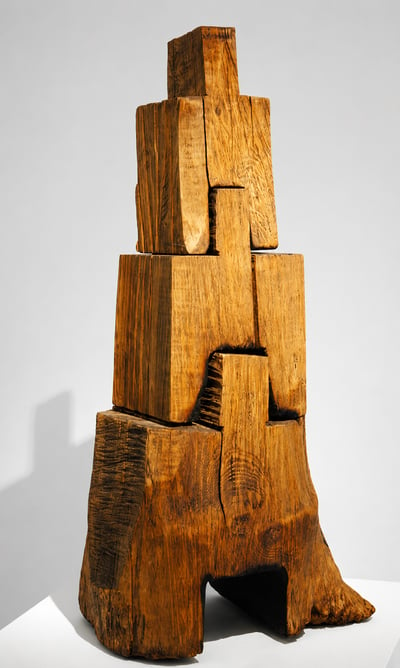
David Nash
Tongue and groove stove, 1983
Sculpture / Object
Wood
Inquire For Price
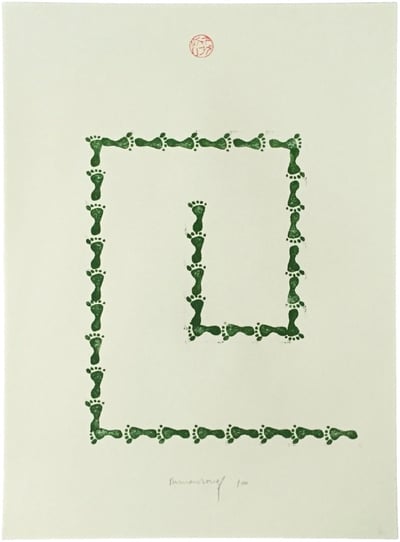
Richard Long
Untitled (from Artists Against Torture portfolio), 2003
Limited Edition Print
Lithograph
EUR 2,900
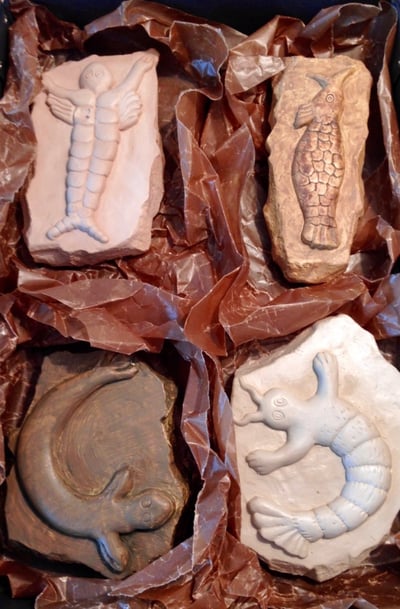
Mark Dion
Emanations of the Earth, 2017
Sculpture / Object
Plaster
Currently Not Available
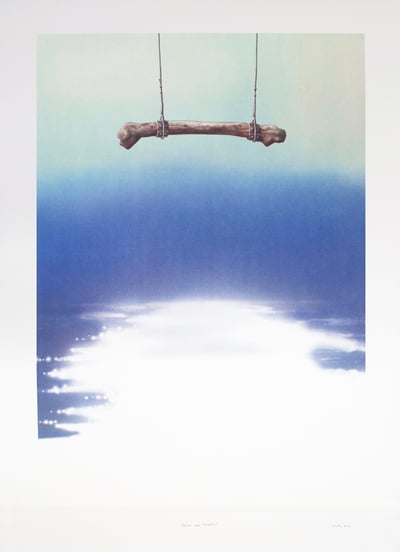
Adrián Villar Rojas
Poemas para terrestres, 2012
Limited Edition Print
Lithograph
EUR 900
Related Articles
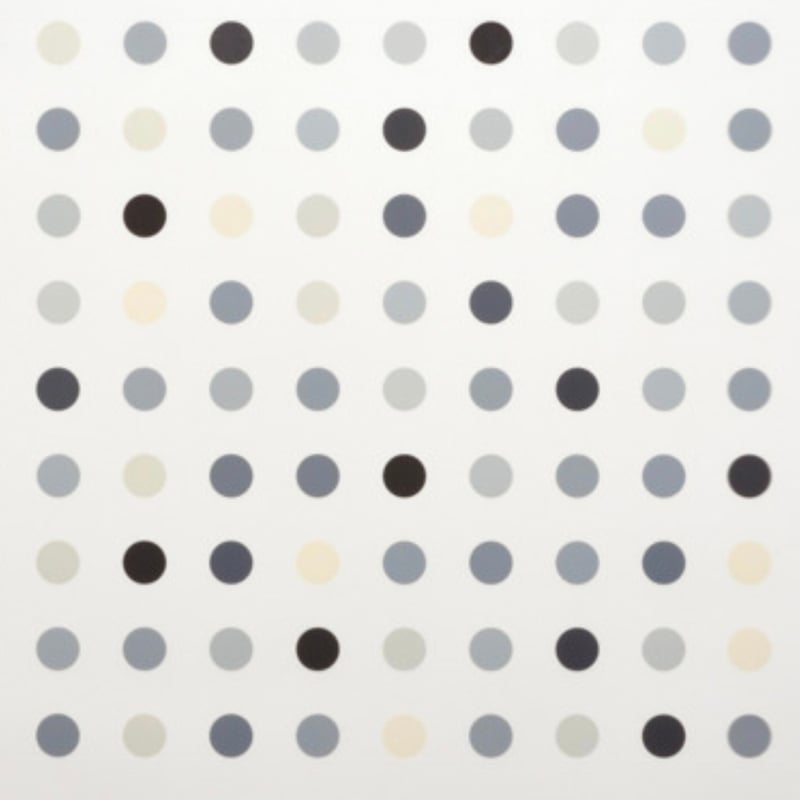
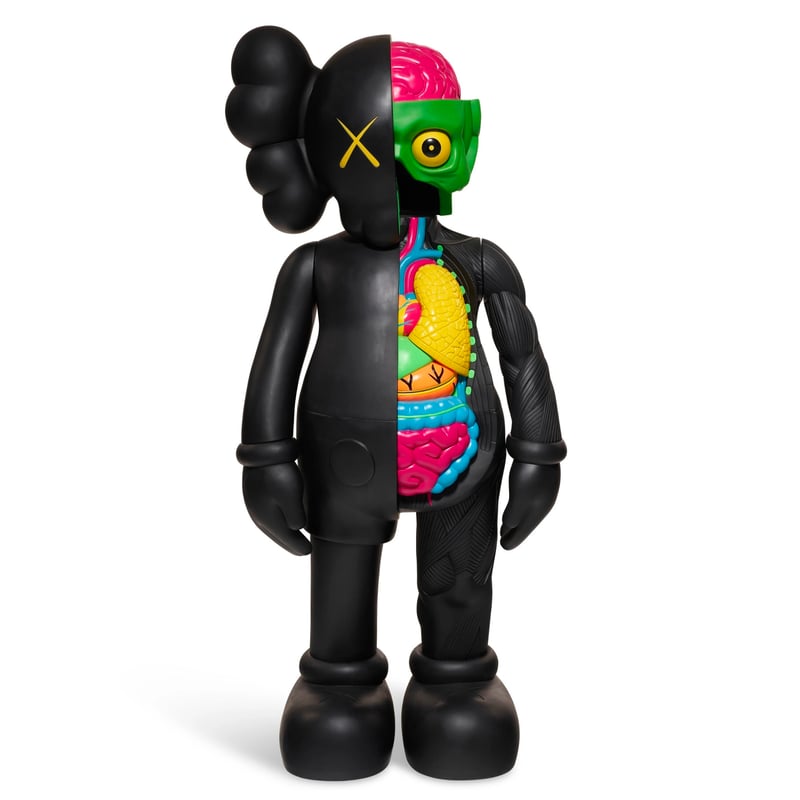
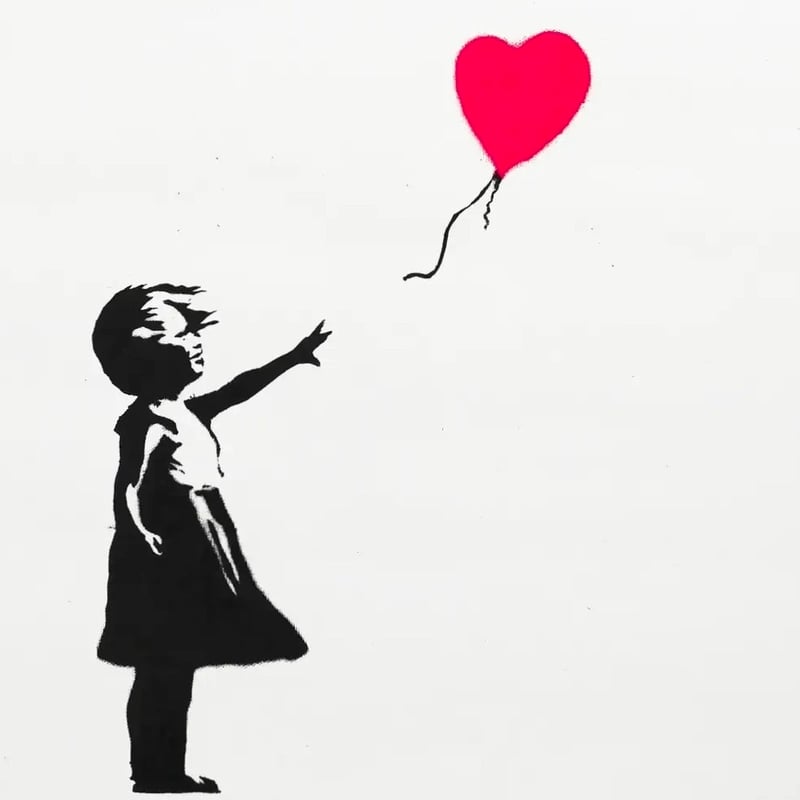
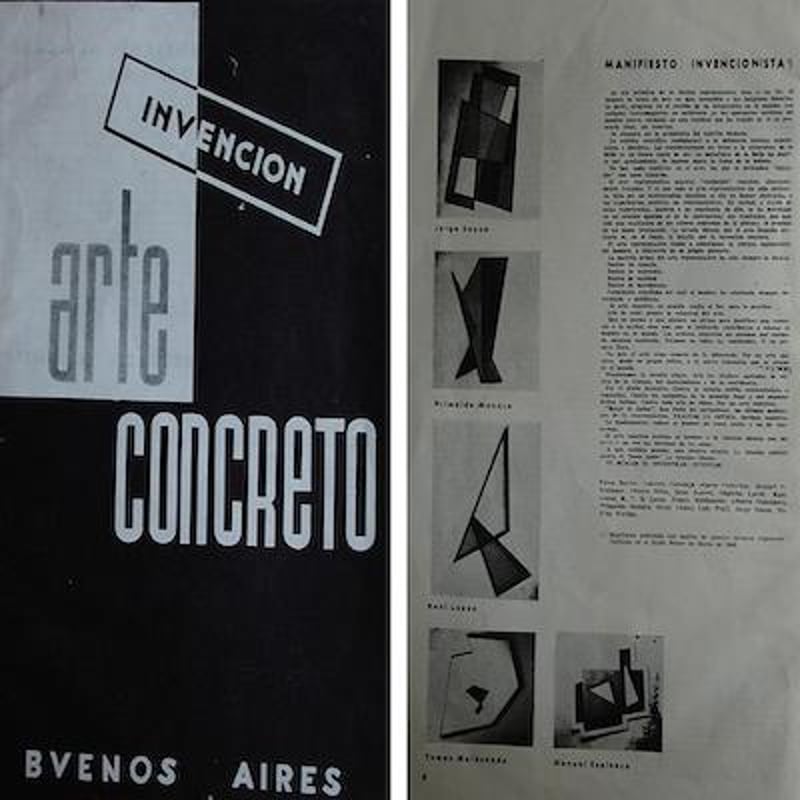
The Manifesto Invencionista was published in 1946, marking the beginning of the concrete art movement in Buenos Aires, Argentina. Written by artist Tomás Maldonado and published by the Asociación Arte Concreto-Invención, the manifesto announced the principles of Concrete Art. Concrete art is purely abstract, with no reference to visual reality, emphasizing geometric forms and the materiality of the artwork itself.
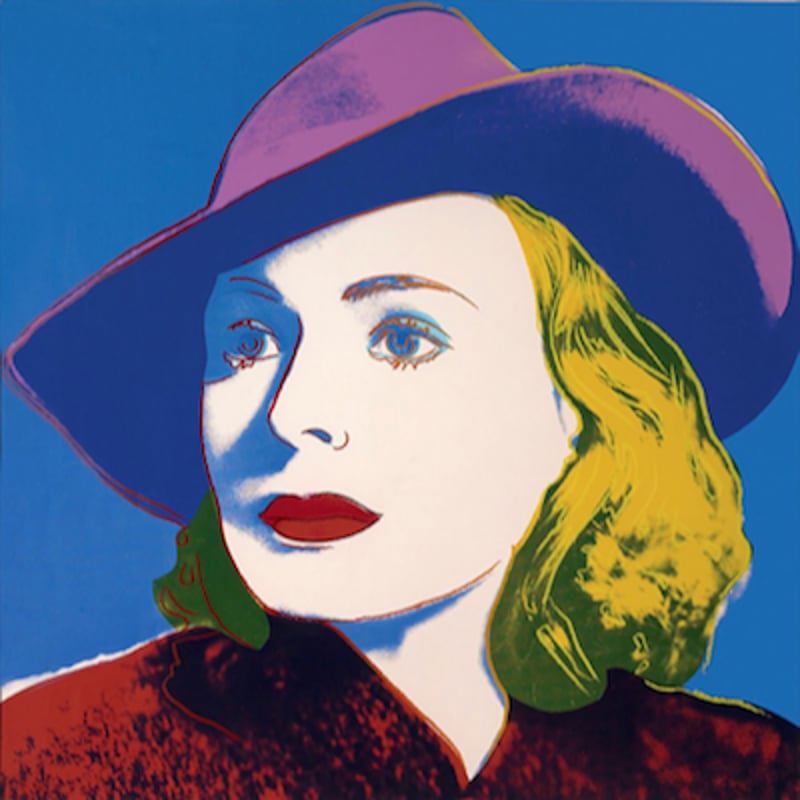
Pop Art is an art movement that began in Britain in 1955 and in the late 1950s in the U.S. It challenged traditional fine arts by incorporating imagery from popular culture, such as news, advertising, and comic books. Pop Art often isolates and recontextualizes materials, combining them with unrelated elements. The movement is more about the attitudes and ideas that inspired it than the specific art itself. Pop Art is seen as a reaction against the dominant ideas of Abstract Expressionism, bringing everyday consumer culture into the realm of fine art.
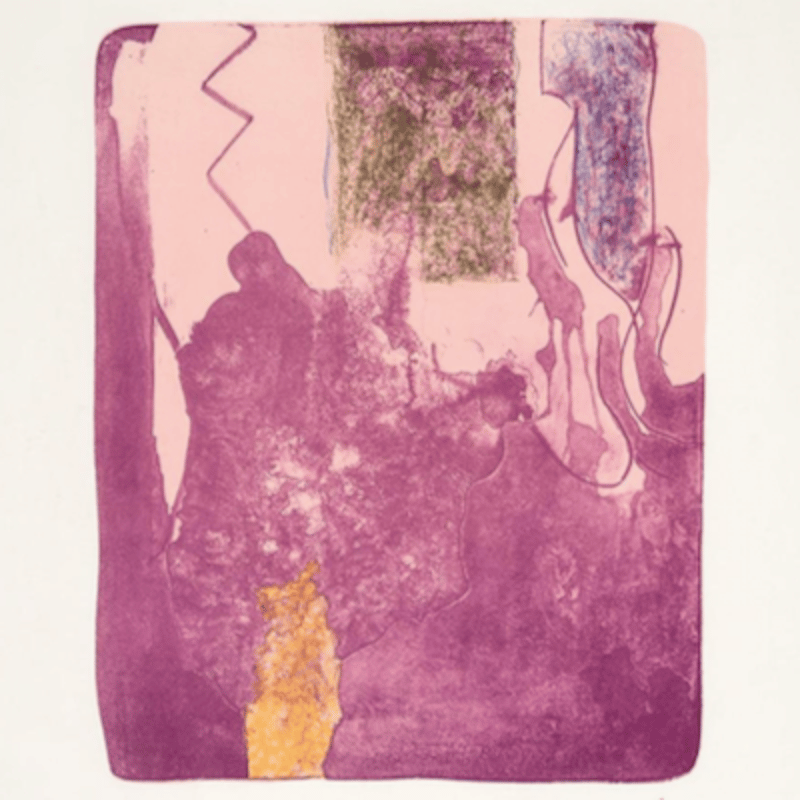
Abstract Expressionism is an art movement that emerged in the United States during the 1940s and 1950s. Characterized by large, abstract canvases, the movement emphasized spontaneous, expressive brushwork and the use of color and form to convey emotion rather than represent reality. Artists like Jackson Pollock, Mark Rothko, and Willem de Kooning are key figures in this movement. Abstract Expressionism marked a shift in the art world, making New York City a center of the international art scene.
Can't find your Answer?
Thank you! Your question has been sent — we'll get back to you shortly.
