
What is a silkscreen?
- Show All
- Established
- Discoveries
- Show All
Artworks Related to Silkscreen
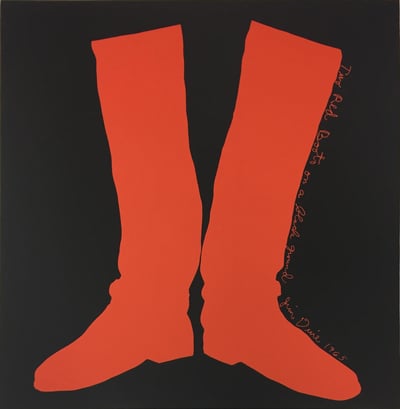
Jim Dine
Two Red Boots on a Black Ground, 1968
Limited Edition Print
Silkscreen
USD 1,350
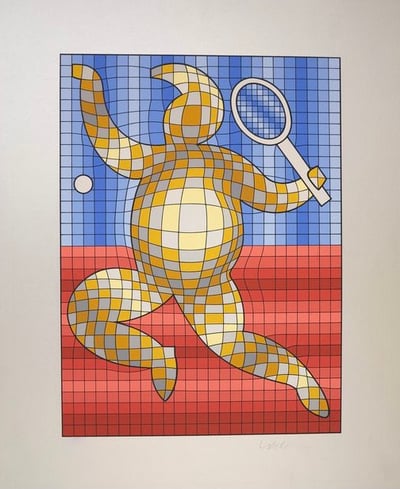
Victor Vasarely
The Tennis Player, 1980
Limited Edition Print
Silkscreen
USD 650

Victor Vasarely
Flower Girl, 1980
Limited Edition Print
Silkscreen
USD 2,000
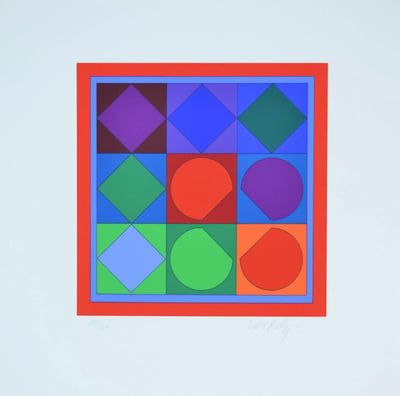
Victor Vasarely
Vega
Limited Edition Print
Silkscreen
USD 780

Robert Cottingham
M, 2009
Limited Edition Print
Silkscreen
USD 4,850

Robert Cottingham
Hot, 2009
Limited Edition Print
Silkscreen
USD 4,850
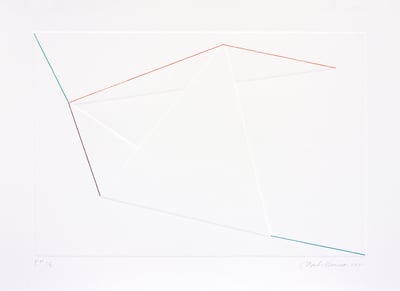
Charles Hinman
Malchite, 2014
Limited Edition Print
Silkscreen
USD 3,090

Charles Hinman
Aragonite, 2014
Limited Edition Print
Silkscreen
USD 3,090
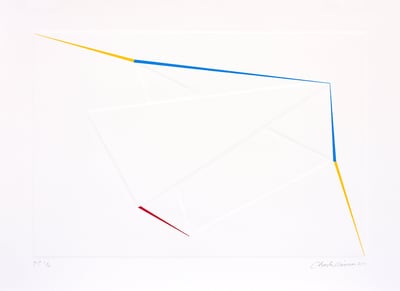
Charles Hinman
Citrine, 2014
Limited Edition Print
Silkscreen
USD 3,090
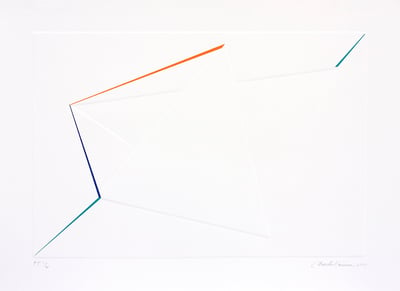
Charles Hinman
Carnelian, 2014
Limited Edition Print
Silkscreen
USD 3,090
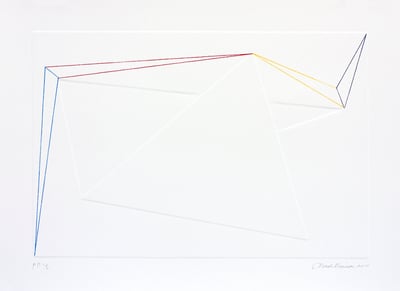
Charles Hinman
Agate, 2014
Limited Edition Print
Silkscreen
USD 3,090

Charles Hinman
Chrysoprase, 2014
Limited Edition Print
Silkscreen
USD 3,090

Charles Hinman
Aventurine, 2014
Limited Edition Print
Silkscreen
Currently Not Available

Charles Hinman
Jasper, 2014
Limited Edition Print
Silkscreen
USD 3,090
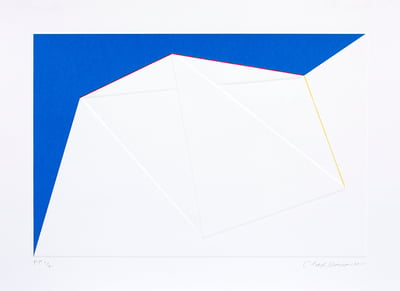
Charles Hinman
Lapis, 2014
Limited Edition Print
Silkscreen
USD 3,090

Charles Hinman
Amazonite, 2014
Limited Edition Print
Silkscreen
USD 3,090
Related Articles
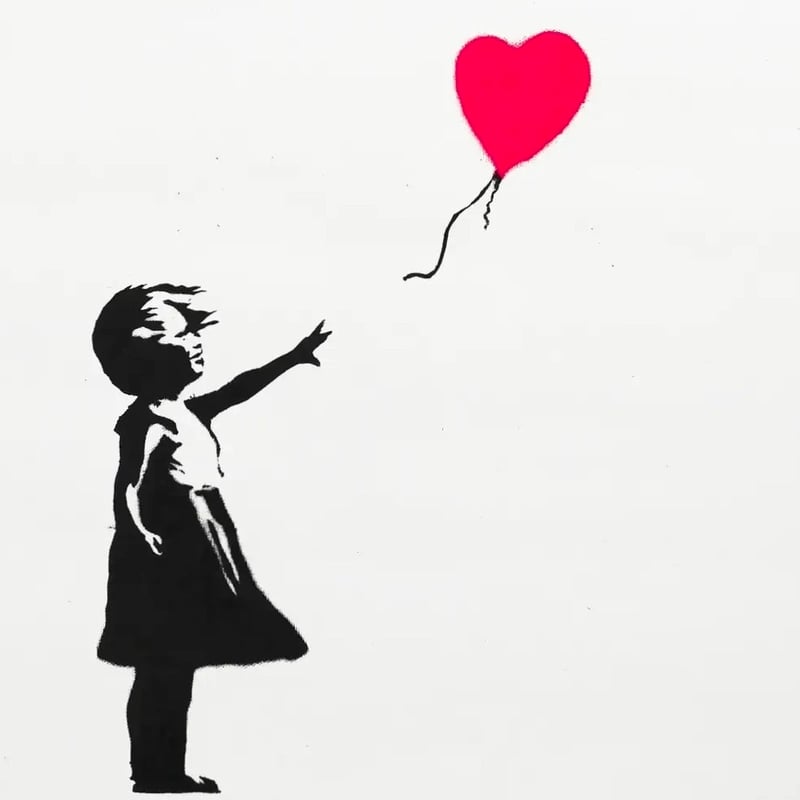

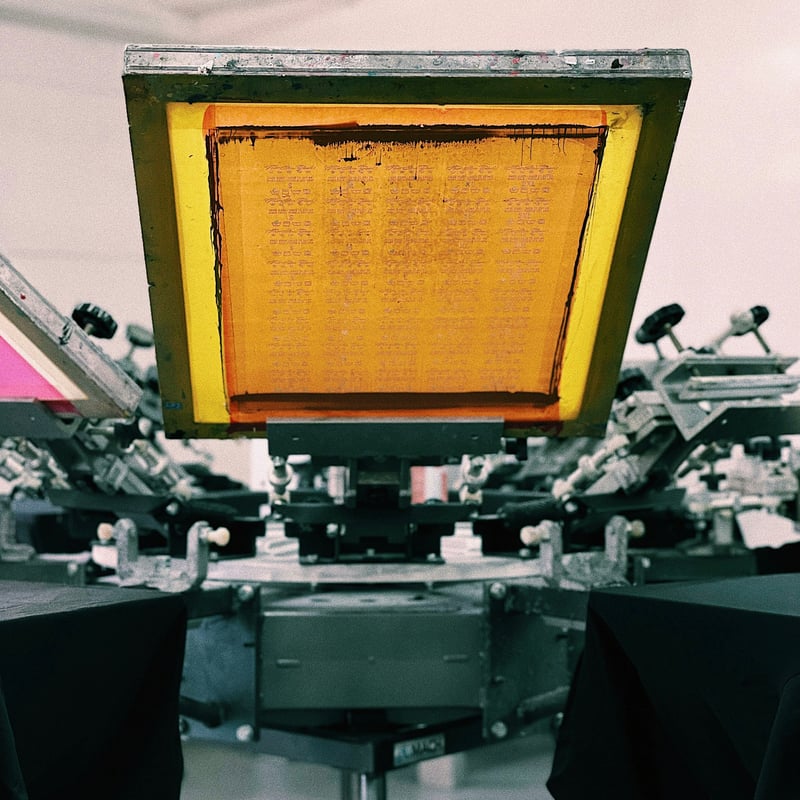

In art, an edition refers to the total number of identical or closely similar items produced as a set. This often applies to prints, such as lithographs, where multiple copies are made from a single original. An edition can also refer to works that are closely related to the original version of an artwork, such as variations or replicas.

Concrete Art is an art movement founded by the Dutch artist Theo van Doesburg in the 1930s. The movement emphasizes pure abstraction, focusing on geometric shapes and colors without any reference to the natural world or symbolic meaning. Unlike other forms of abstract art, Concrete Art is entirely non-representational and is based on mathematical principles and precise execution. It aims to create universal, timeless works by using simple, clear forms that emphasize objectivity and clarity.
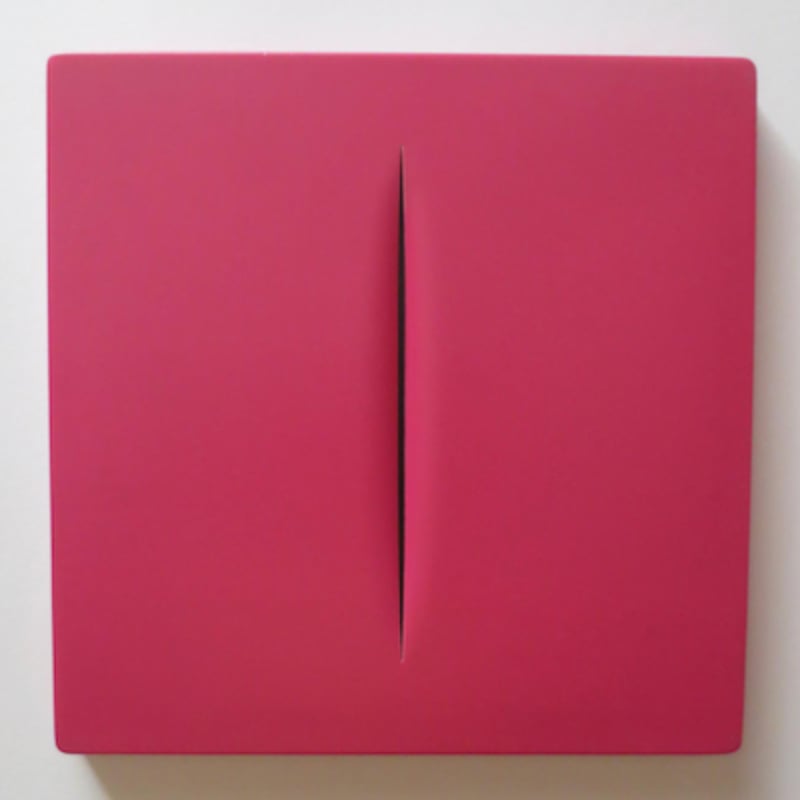
Spatialism is an art movement that originated in Italy in 1947, founded by Lucio Fontana with the intention of synthesizing sound, color, movement, and space into a new form of art. The movement's central ideas were outlined in Fontana's first manifesto, published in 1947, where he introduced the concept of spatial art to capture the spirit of the post-war era. His ideas were further developed in five subsequent manifestos. Although Fontana's ideas were sometimes considered vague, his influence was significant, as he was one of the first European artists to emphasize art as a performance and gesture.
Can't find your Answer?
Thank you! Your question has been sent — we'll get back to you shortly.
