The contemporary art scene in the Netherlands is renowned for its innovative spirit and diverse creative expressions. Key institutions like the Stedelijk Museum in Amsterdam and Museum Boijmans Van (...) read more
Art Glossary
Definitions of Art Forms, Mediums, and Movements
Image View
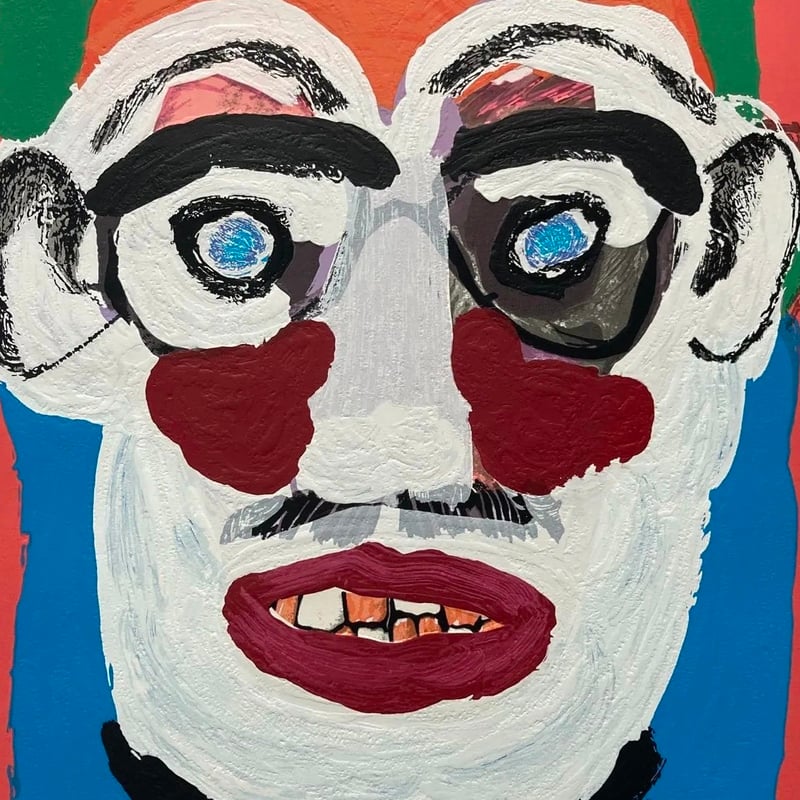
Artwork Copyright © Karel Appel

Neue Wilden is the term German artists used for Neo-Expressionism. In the 1970s and 80s, expressive painting re-emerged in Germany, with artists embracing intense colors and broad brushstrokes. The (...) read more
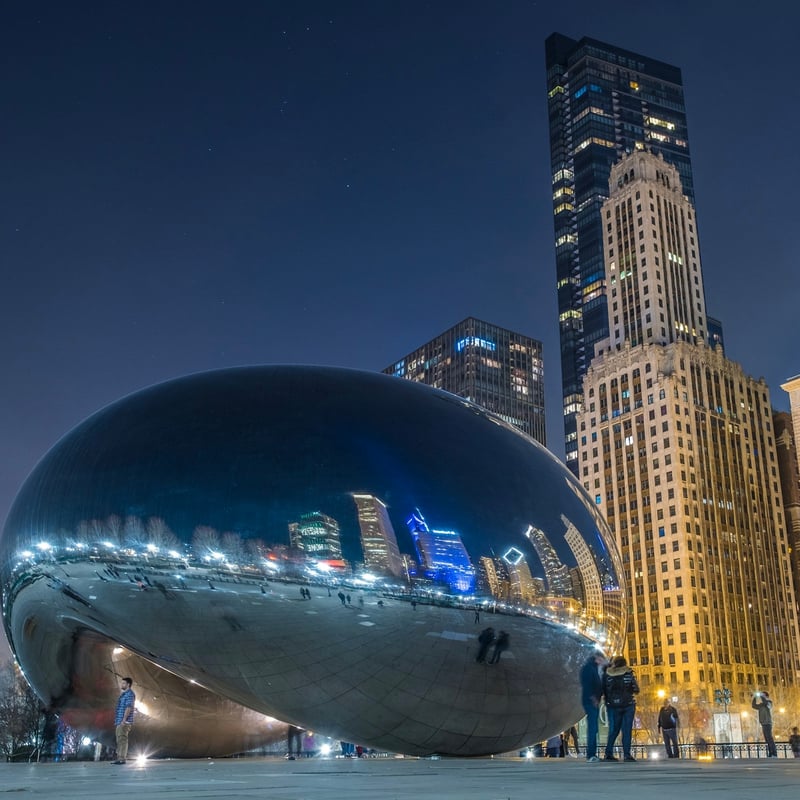
New British Sculpture is the name referring to the work produced by a group of sculptors, installation artists, and other creators who exhibited together in London during the 1980s. This group (...) read more
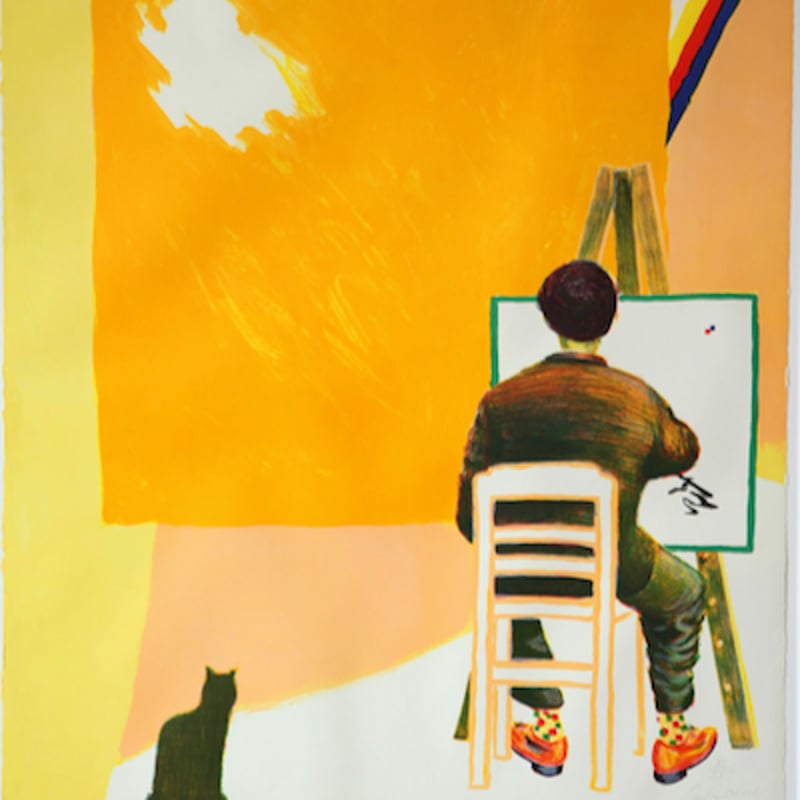
Neo-Figurative Art is a collective term that refers to the revival of figurative art in America and Europe during the 1960s, following a period dominated by abstraction. Michel Ragon, a French art (...) read more

New Generation Sculpture was a movement started in the 1960s by a group of British artists. They experimented with unconventional forms, materials, and colors, creating sculptures that did not rely (...) read more
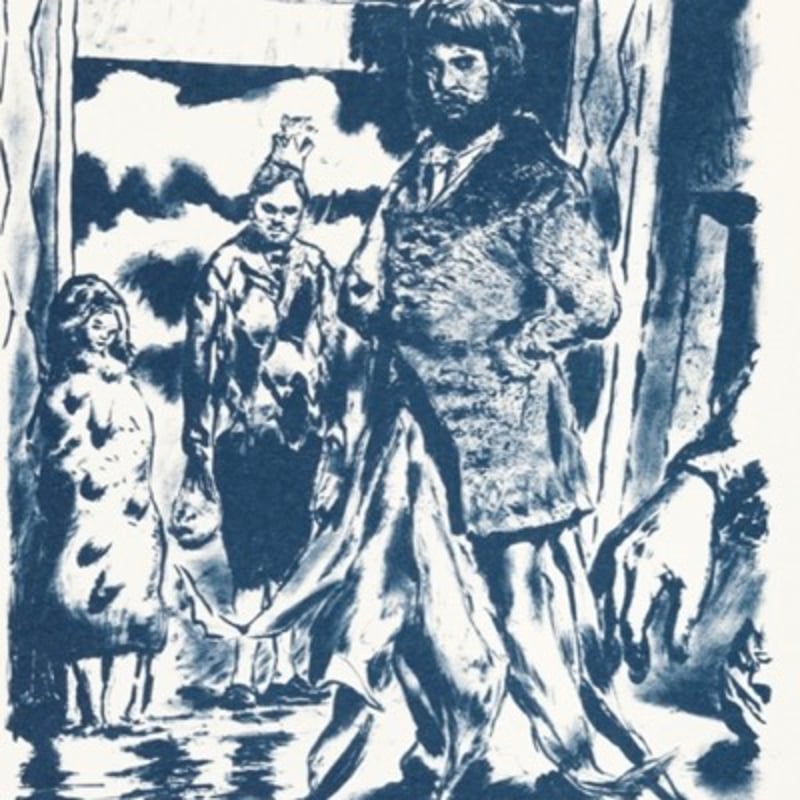
The New Leipzig School is a movement in modern German painting that represents the third generation of artists associated with the Hochschule für Grafik und Buchkunst Leipzig. This movement reflects (...) read more

New Media Art is a genre that includes all artworks created using new technologies, such as computer graphics, digital art, virtual art, internet art, computer animation, video games, 3D printing, (...) read more

New Topographics is a term coined in 1975 by curator William Jenkins to describe a group of photographers whose work focused on formal black-and-white images of urban and industrial landscapes. (...) read more
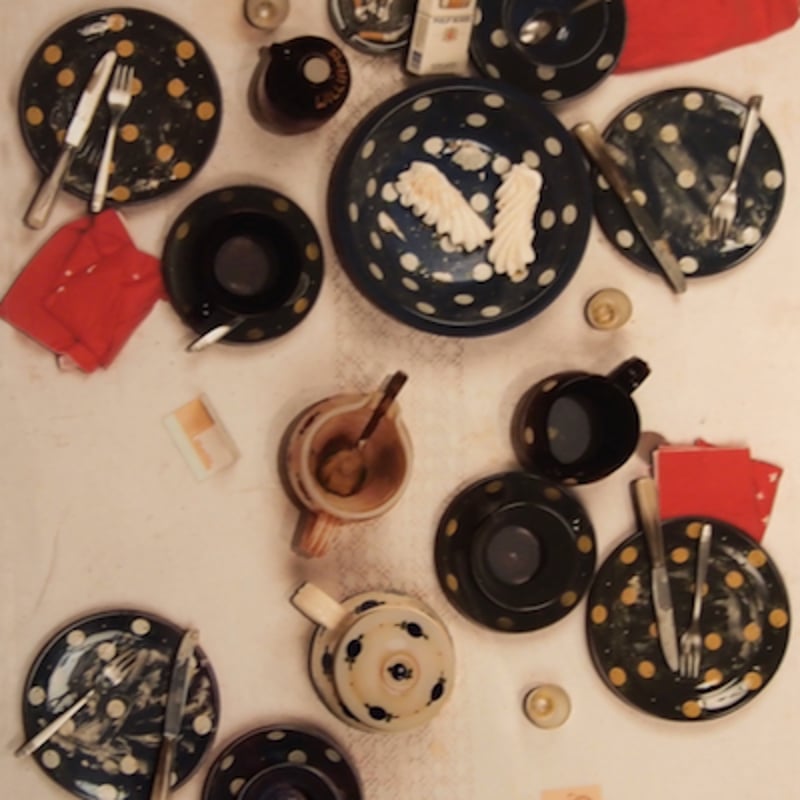
Nouveau Réalisme is an artistic movement founded in 1960 by art critic Pierre Restany and painter Yves Klein during a collective exhibition at a gallery in Milan. Restany wrote the original manifesto (...) read more

Op Art is a visual art style that uses optical illusions to create the impression of movement, vibrating patterns, flashing, or hidden images. The works are typically abstract, with many well-known (...) read more
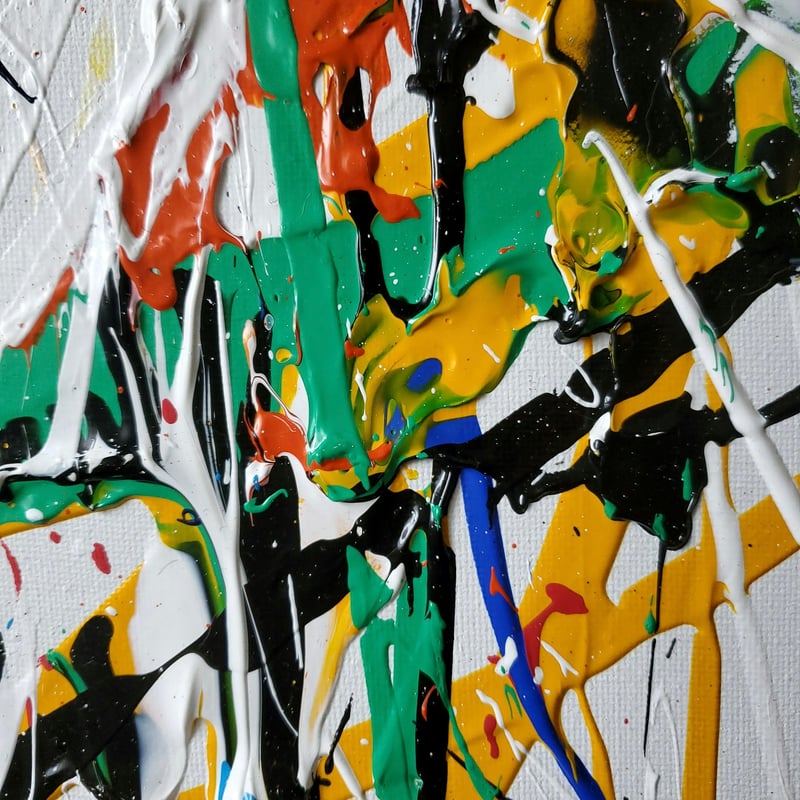
Original artwork is art that stems directly from the personal inspiration and creativity of an artist. It is not a direct copy of another artist’s work, though it may be inspired by it. The subject (...) read more
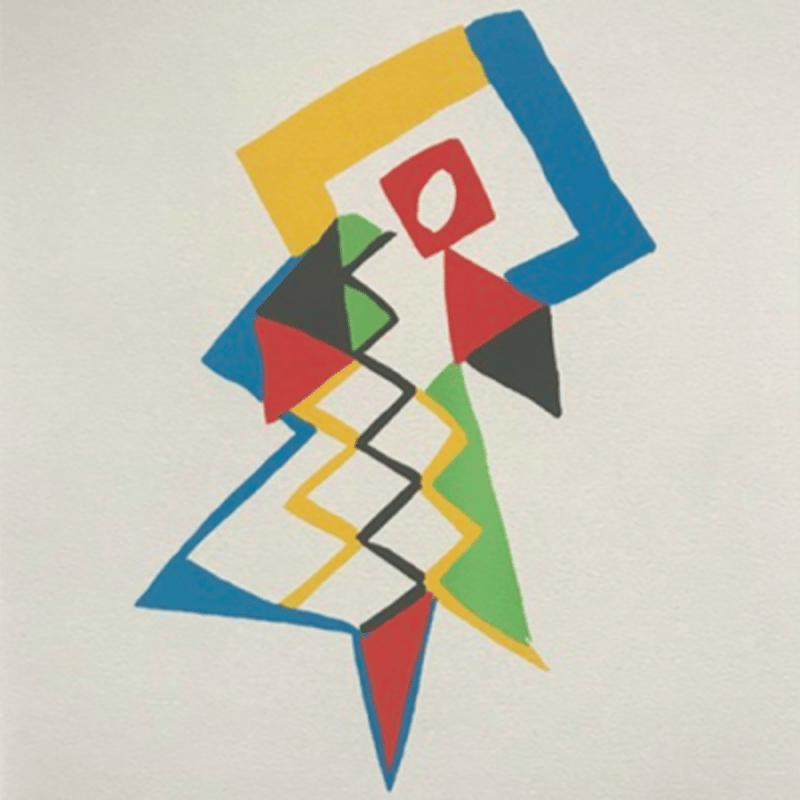
Orphism is an abstract style of painting influenced by Cubism, developed by Sonia and Robert Delaunay. The term was coined around 1912 by French poet Guillaume Apollinaire to differentiate the (...) read more
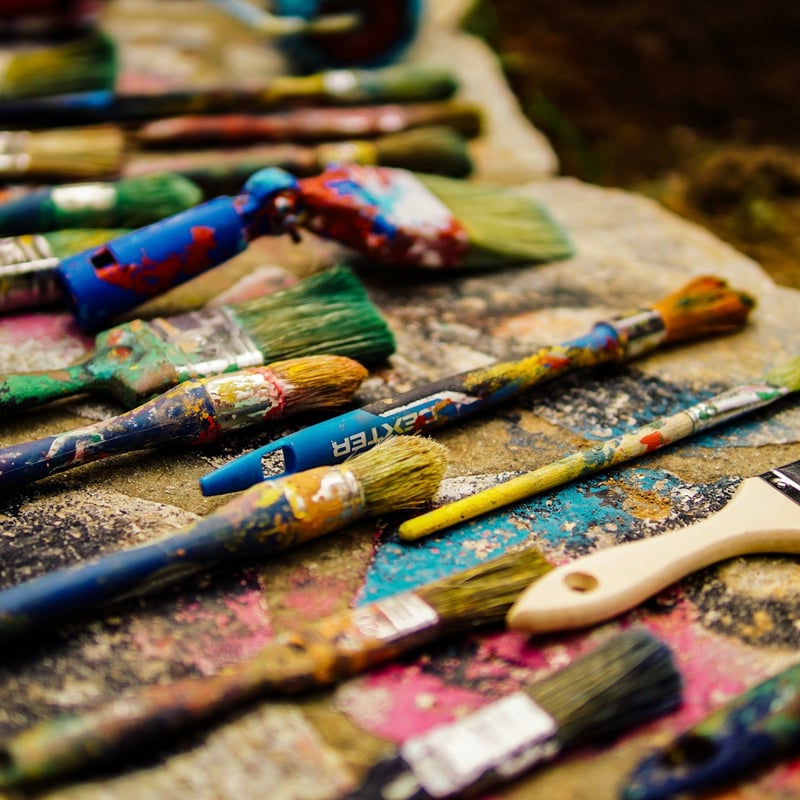
Painting is the process of applying media to a surface, using a tool such as a brush. The term refers to both the action and the resulting object. Artists use many tools to paint, such as brushes, (...) read more
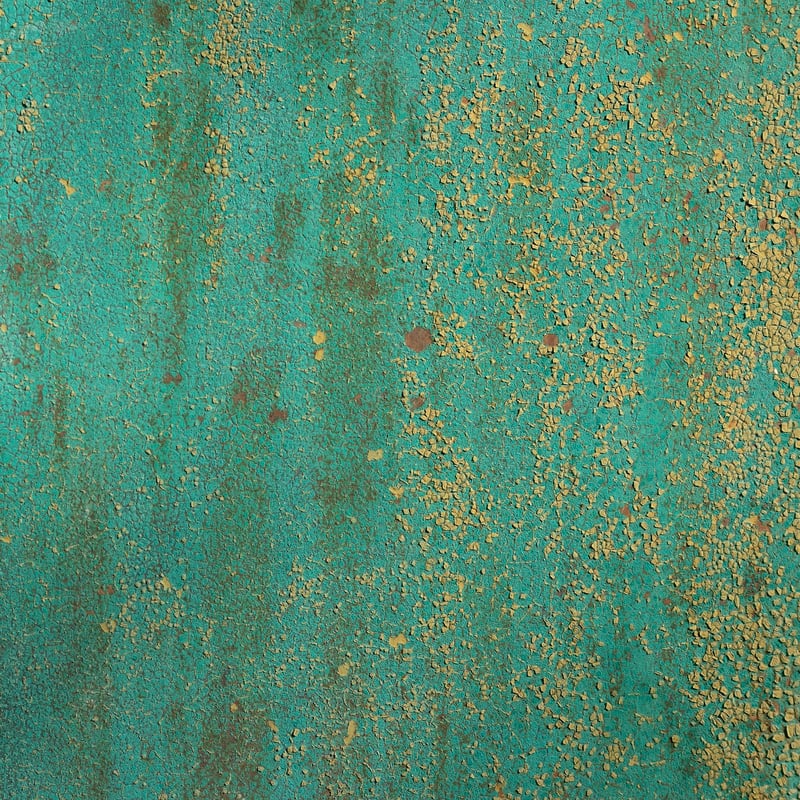
Patina is the distinctive greenish surface that bronze develops over time due to exposure to air and humidity. Artists can also apply chemicals to bronze to artificially create patina. Alternatively, (...) read more

Performance Art is a genre of fine art that is traditionally interdisciplinary, involving various art forms. It can be scripted or unscripted, random or carefully orchestrated, spontaneous, or (...) read more
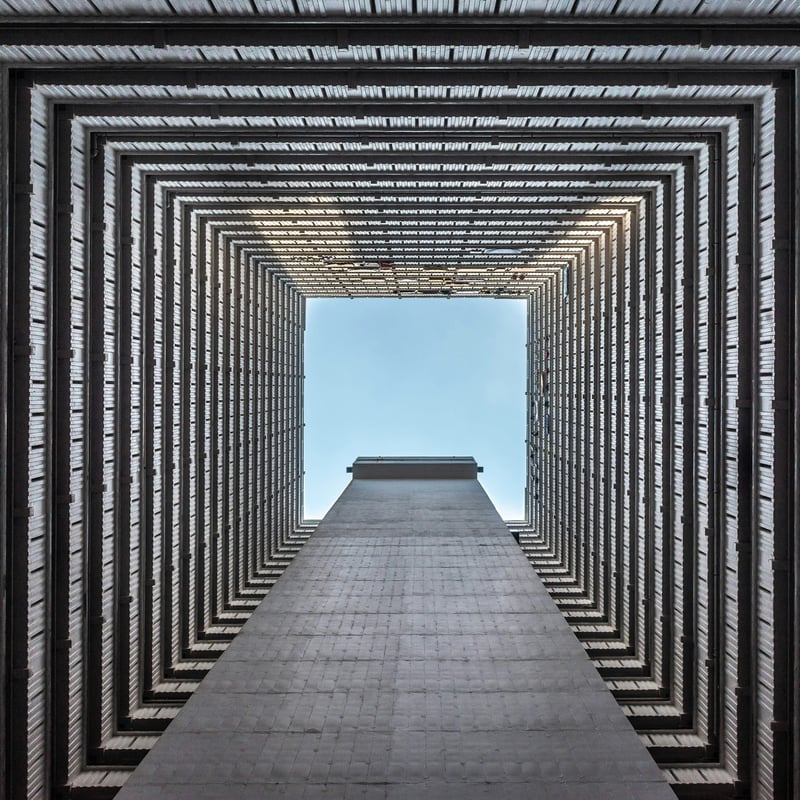
Perspective refers to the techniques artists use to represent three-dimensional objects on a two-dimensional surface. These techniques create the illusion of depth and space, making objects appear as (...) read more
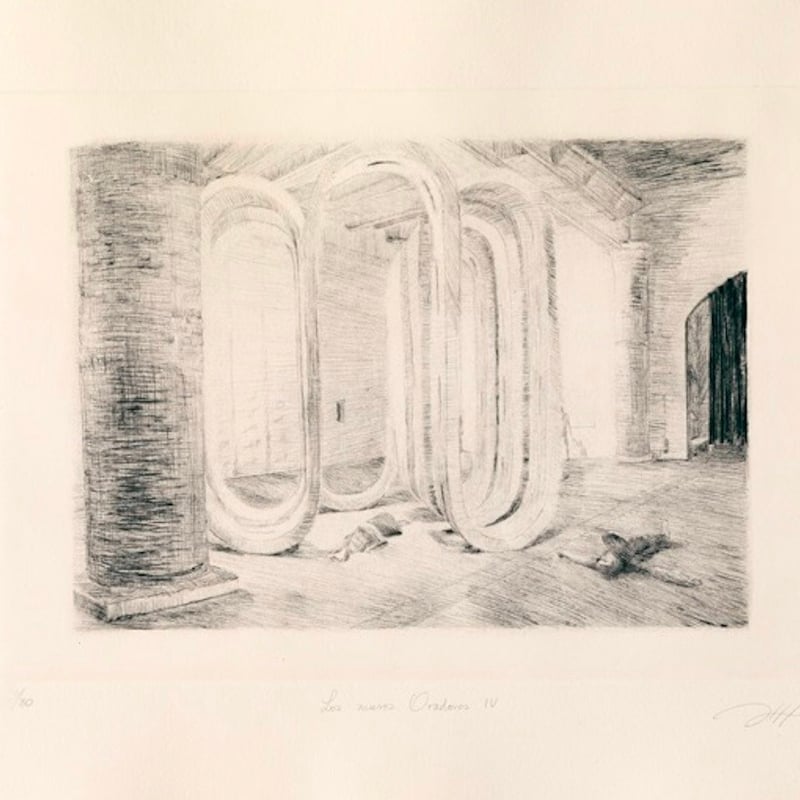
Bridging ancient traditions with contemporary insights, Peru's art scene is a thriving dialogue of epochs. Artists such as Fernando de Szyszlo and Ana Teresa Barboza continue to shape this landscape (...) read more

Photography is the process of creating an image on light sensitive materials. The image is produced by using a camera, which has a lens that focuses on light either reflected or emitted from an (...) read more
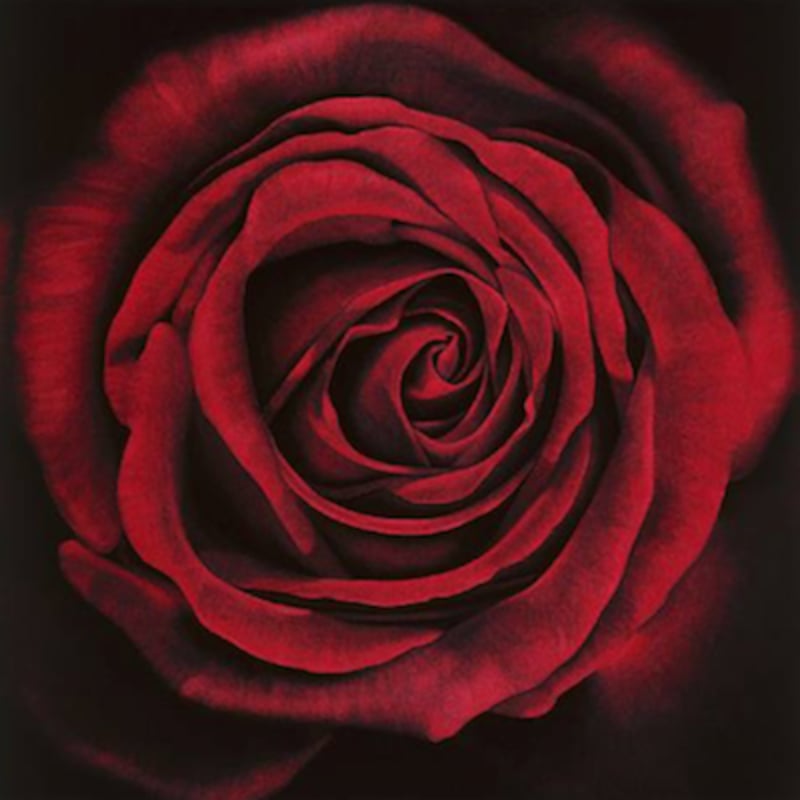
Photorealism is a genre of art or artistic movement that involves drawing, painting, and other graphic media in which the artist carefully studies a photograph and attempts to reproduce it as (...) read more

A pigment is a material that changes the color of light by selectively absorbing certain wavelengths and reflecting others. Unlike phosphorescence or fluorescence, where materials emit light, (...) read more

Pixel Art is a form of digital art created by placing individual pixels, similar to assembling a mosaic where each small piece contributes to a larger image. The style is often associated with (...) read more
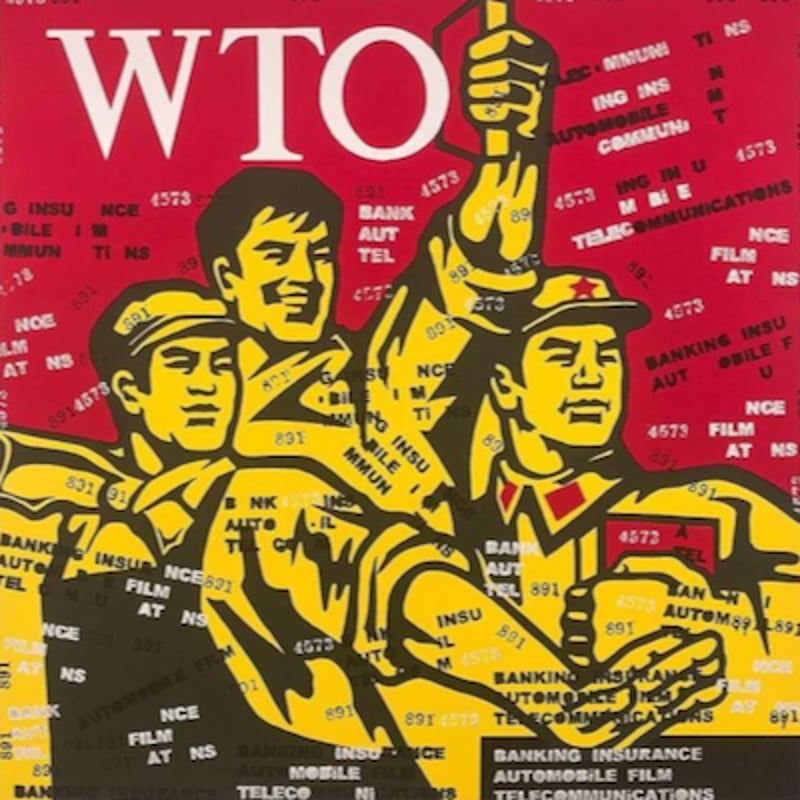
Political Pop was an art movement that emerged in China during the 1980s, blending the Pop Art style of Western countries with the socialist realism of China. This movement arose during a time of (...) read more
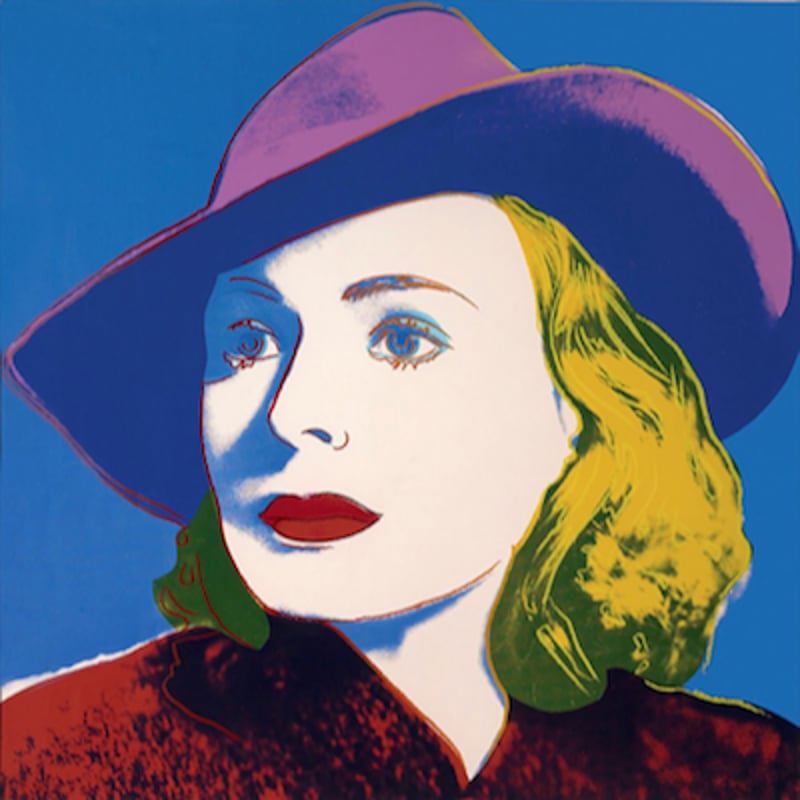
Pop Art is an art movement that began in Britain in 1955 and in the late 1950s in the U.S. It challenged traditional fine arts by incorporating imagery from popular culture, such as news, (...) read more
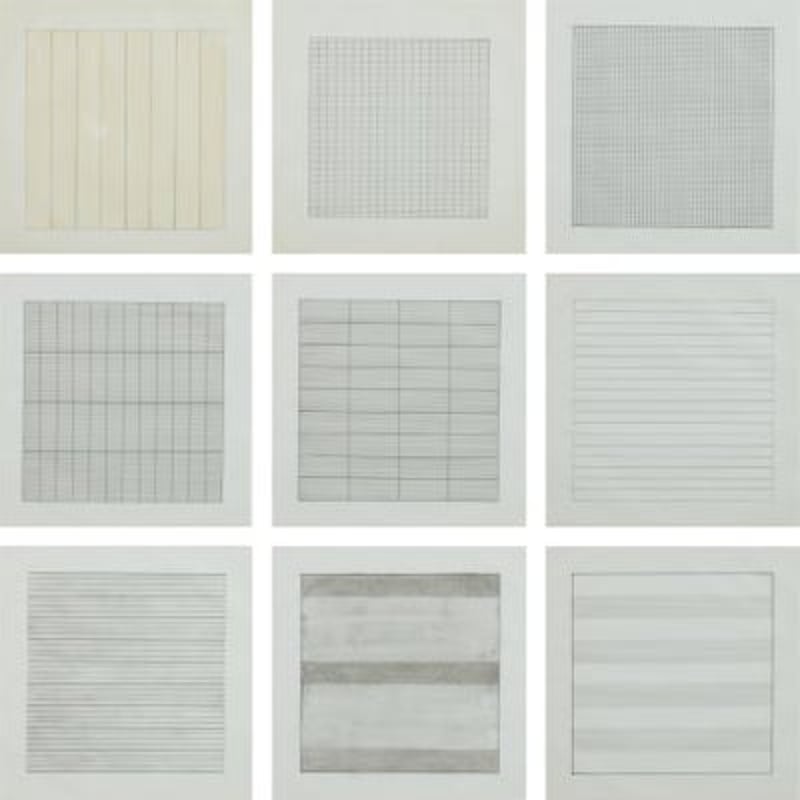
A portfolio is a collection of artworks or images assembled in a folder or digital format for storage or display. Artists often compile portfolios to showcase their work, either thematically related (...) read more