Peru
Bridging ancient traditions with contemporary insights, Peru's art scene is a thriving dialogue of epochs. Artists such as Fernando de Szyszlo and Ana Teresa Barboza continue to shape this landscape with their innovative works. Venues like the Lima Art Museum and the ICPNA Cultural Center are testament to the country's commitment to cultivating contemporary art. To uncover the richness of Peruvian contemporary art, visit Composition Gallery's website.
Artworks Related to Peru
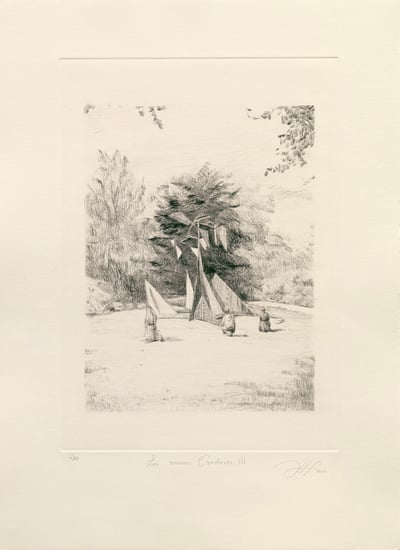
Sandra Gamarra
Los nuevos Oradores III , 2010
Limited Edition Print
Drypoint
EUR 300
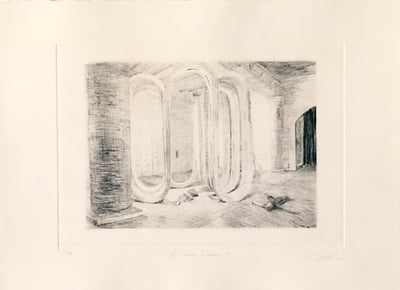
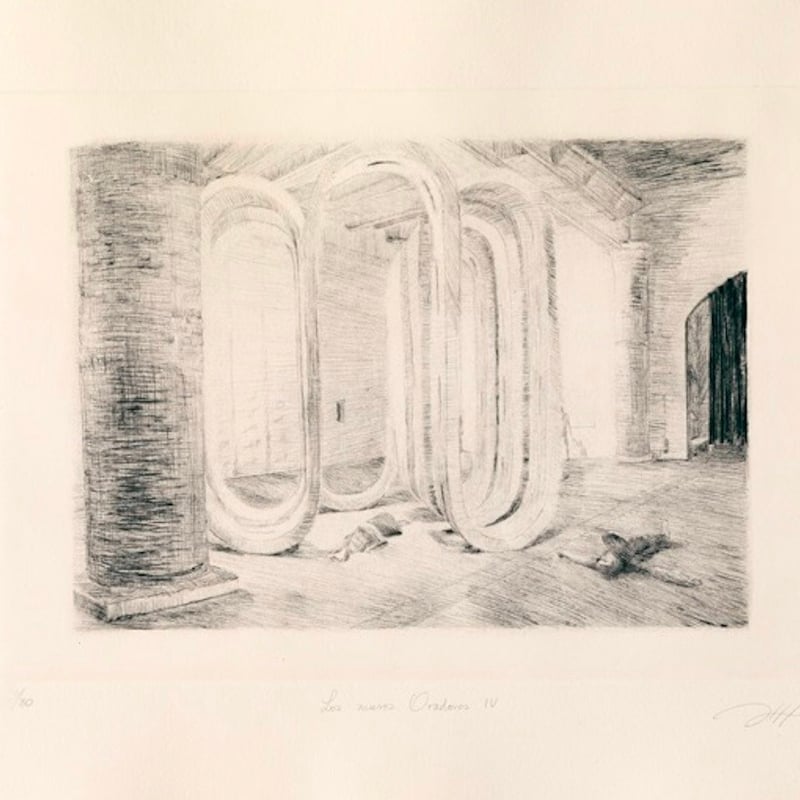
Sandra Gamarra
Los nuevos Oradores IV , 2010
Limited Edition Print
Drypoint
EUR 300
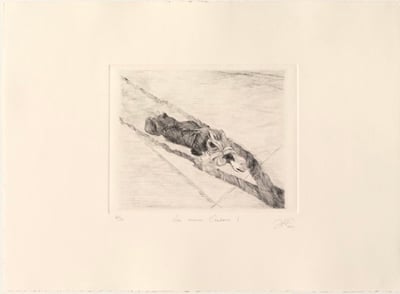
Sandra Gamarra
Los nuevos Oradores I , 2010
Limited Edition Print
Drypoint
EUR 300
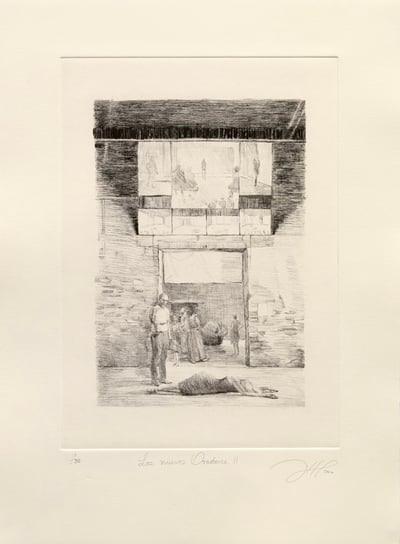
Sandra Gamarra
Los nuevos Oradores II , 2010
Limited Edition Print
Drypoint
EUR 300
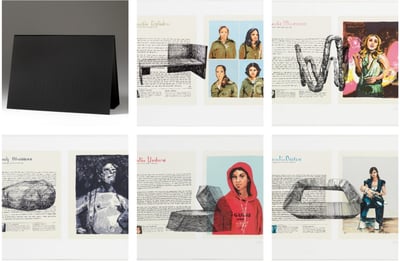
Sandra Gamarra
Portfolio RESELECCION NATURAL, 2010
Limited Edition Print
Lithograph
EUR 2,000
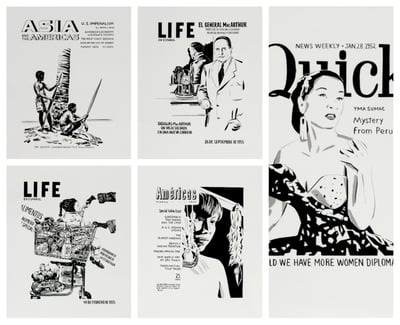
Fernando Bryce
Portfolio QUICK, 2008
Limited Edition Print
Lithograph
EUR 3,000

Fernando Bryce
Portfolio INRA, 2009
Limited Edition Print
Lithograph
EUR 3,000
Related Articles

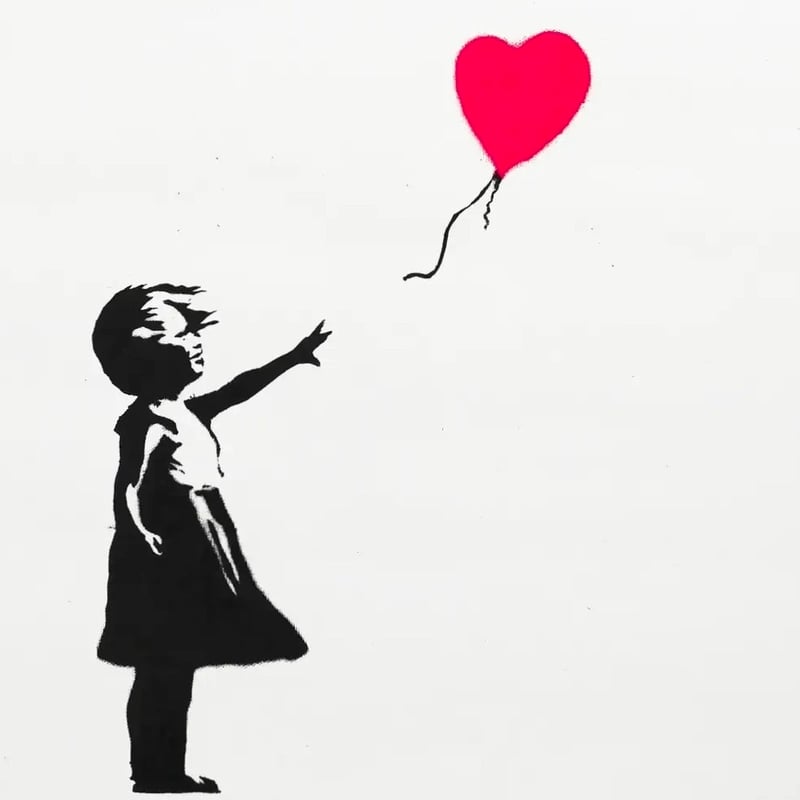
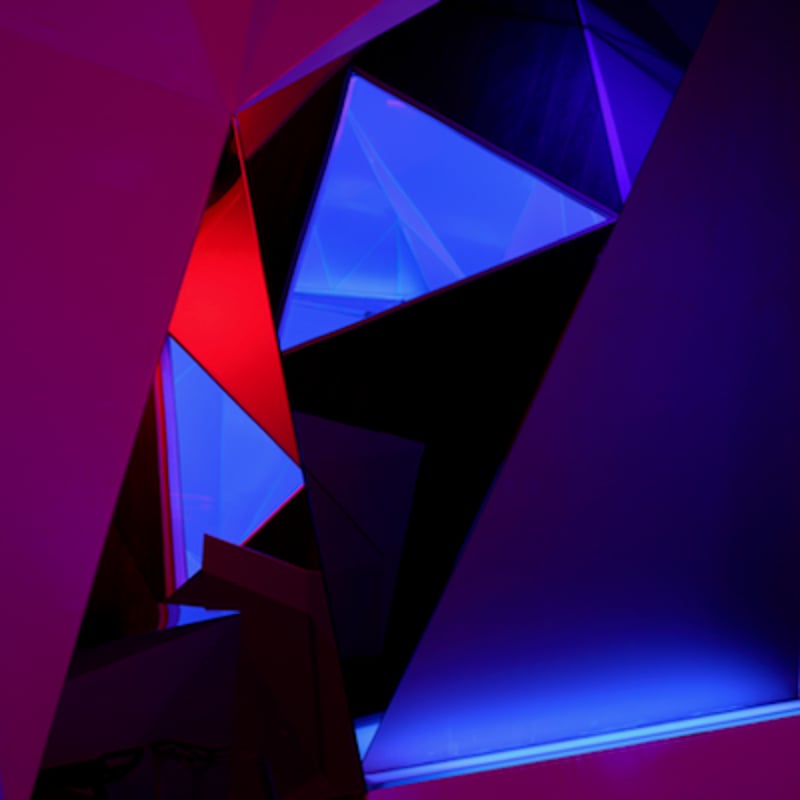
Light art refers to artworks that use light as the primary medium. These can include sculptures or installations that interact with the natural or urban environment. Light art can be suspended, in relief, ground-based, permanent, or temporary. There are two main types of light art: one displayed indoors in galleries and another exhibited outdoors. Light art has been used throughout human history, from ancient times to contemporary public installations.

The term medium in art refers both to the type of art being created and the materials used to make the artwork. For example, painting, printmaking, and sculpture are types of art that are referred to as mediums. The materials used in these mediums include oils, acrylics, inks, and clay.
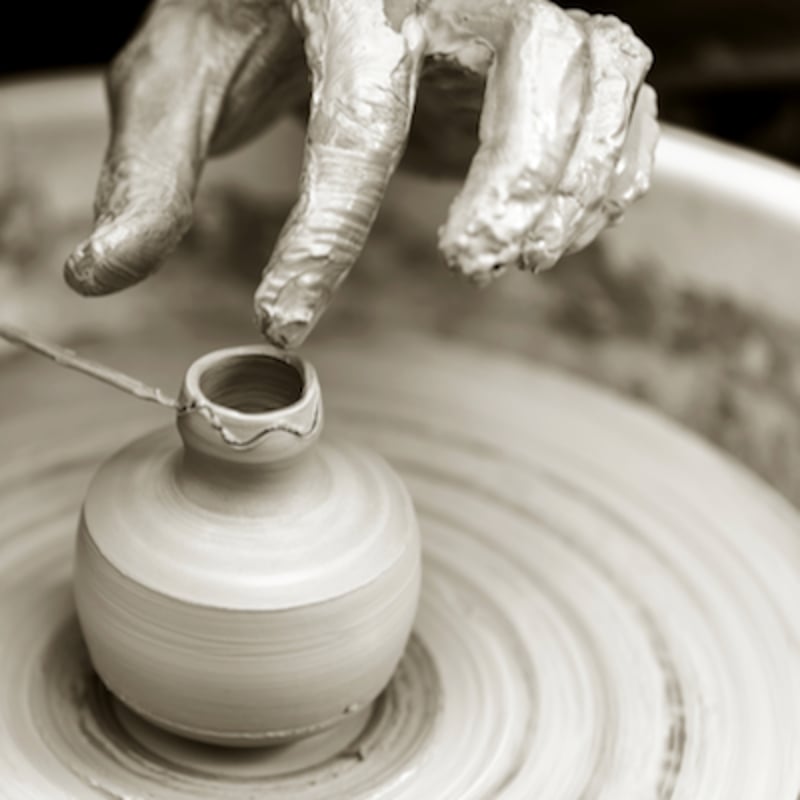
Ceramic is a term used to describe objects made from clay or other inorganic materials. These objects can be either decorative or functional and have been created since at least 4,000 B.C. Ceramic art involves making, decorating, and firing these objects in a kiln, a special high-temperature oven.
Can't find your Answer?
Thank you! Your question has been sent — we'll get back to you shortly.
