
What is pigment?
A pigment is a material that changes the color of light by selectively absorbing certain wavelengths and reflecting others. Unlike phosphorescence or fluorescence, where materials emit light, pigments work by altering the light that passes through or is reflected from them. In art, pigments are chosen for their special properties, such as high tinting strength, making them ideal for coloring various materials.
Related Articles
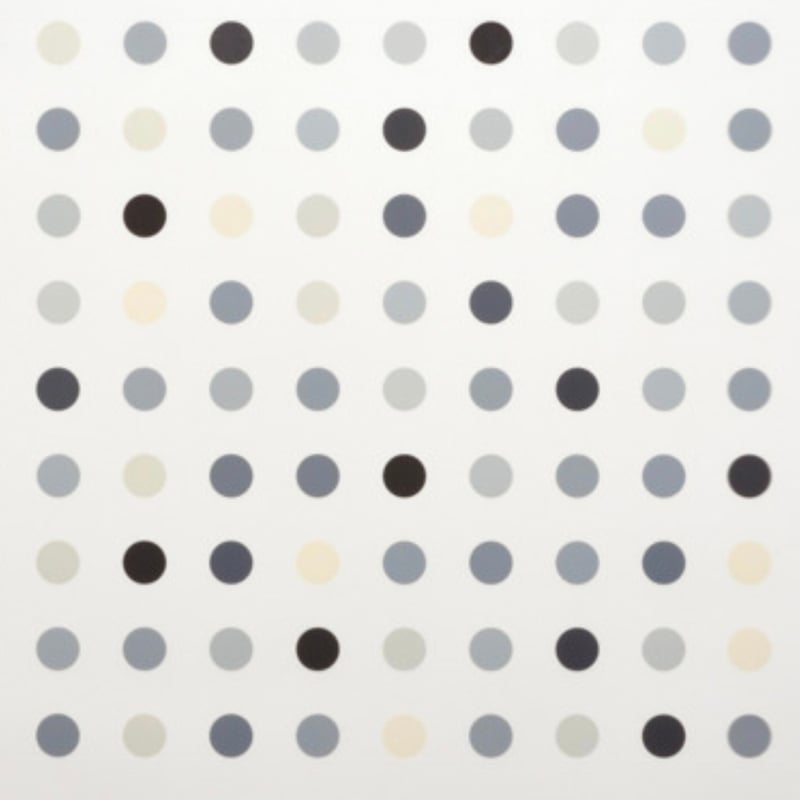



Browser art is a form of renegade art where artists use computers to transform code, website structures, and server links into visual material. These artists, often called net artists or net writers, manipulate computer code to create artworks that transform web pages into entirely different images or experiences.

Activist Art is a form of art created to address social and political issues. It often involves public engagement and works closely with communities to raise awareness or inspire change. While it can include elements of performance art, it is not limited to this form. Examples include creating and distributing social protest posters or organizing community-based art projects that highlight specific causes.
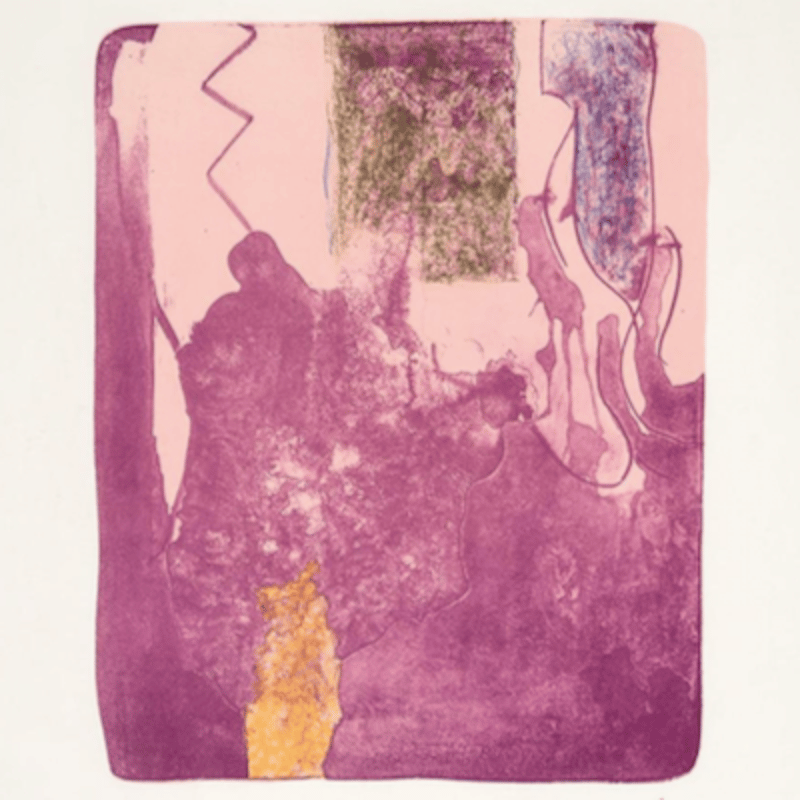
Abstract Expressionism is an art movement that emerged in the United States during the 1940s and 1950s. Characterized by large, abstract canvases, the movement emphasized spontaneous, expressive brushwork and the use of color and form to convey emotion rather than represent reality. Artists like Jackson Pollock, Mark Rothko, and Willem de Kooning are key figures in this movement. Abstract Expressionism marked a shift in the art world, making New York City a center of the international art scene.
Can't find your Answer?
Thank you! Your question has been sent — we'll get back to you shortly.
