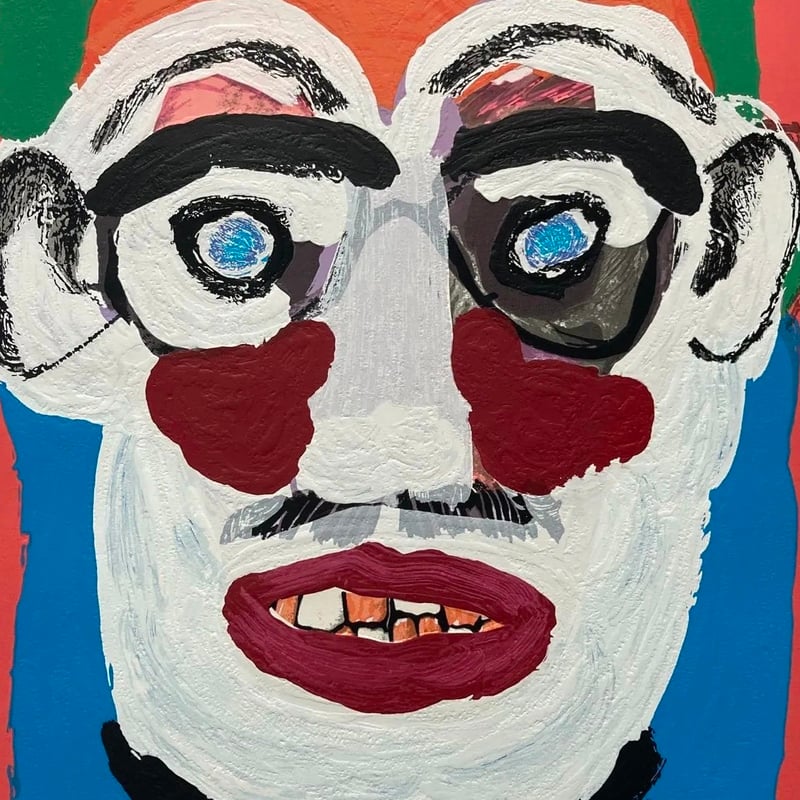
Netherlands
The contemporary art scene in the Netherlands is renowned for its innovative spirit and diverse creative expressions. Key institutions like the Stedelijk Museum in Amsterdam and Museum Boijmans Van Beuningen in Rotterdam showcase internationally acclaimed artists and foster emerging talent. Prominent figures such as Marlene Dumas, known for her thought-provoking paintings, and Rineke Dijkstra, celebrated for her intimate portraiture, underscore the country's contribution to contemporary art. Events like the annual Amsterdam Art Weekend further highlight the Netherlands' dynamic art scene. Discover Dutch contemporary art on Composition Gallery's website.
Notable Artists from the netherlands

A lineage that still shapes the market
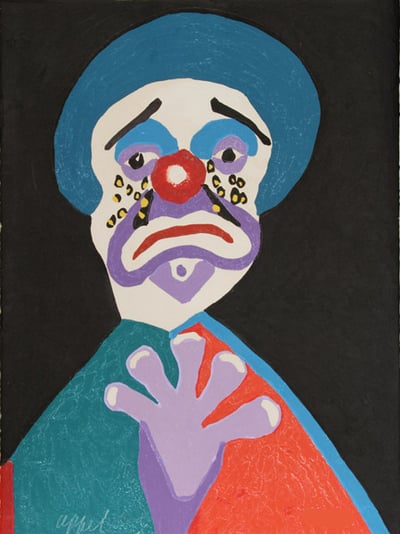
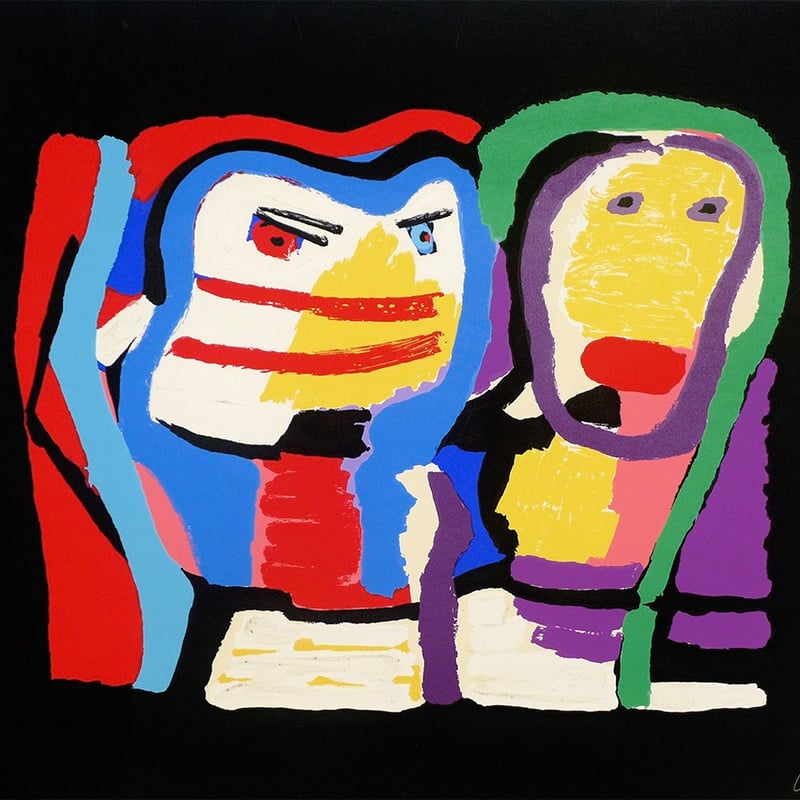
Few countries punch as far above their weight in art history as the Netherlands. For collectors, that lineage is not just background reading — it actively shapes how Dutch contemporary art is valued. The rigour of De Stijl, the raw expressive energy of the CoBrA painters such as Karel Appel and Constant, and the quiet radicalism of the 1960s Nul group around Jan Schoonhoven and Armando all remain reference points that curators and auction specialists cite when placing today's Dutch artists. Work that engages this heritage — whether through geometric restraint, material experimentation or painterly directness — tends to sit within a well-documented critical framework, which makes research easier and attribution more secure than in many younger markets.
"I am seeking, I am striving, I am in it with all my heart."
Vincent van Gogh, letter to his brother Theo, 1882
Where the scene lives now
The contemporary infrastructure is dense for such a small country. Beyond the Stedelijk in Amsterdam and Boijmans Van Beuningen in Rotterdam, collectors should know the Van Abbemuseum in Eindhoven, De Pont in Tilburg and the Kröller-Müller Museum, all of which acquire living artists and lend institutional weight to a CV. Just as important are the postgraduate residencies — the Rijksakademie and De Ateliers in Amsterdam — whose alumni lists read like a roll call of internationally exhibited names. An artist who has passed through one of these programmes has typically been vetted by demanding peers and tutors, and their early work often appreciates once museum shows follow.
On the commercial side, Art Rotterdam each February is the best single snapshot of the emerging Dutch scene, while TEFAF Maastricht anchors the top end of the market. Prices for mid-career Dutch artists remain moderate compared with their German or British peers of similar institutional standing, which many collectors read as headroom. As ever, buy the specific work rather than the passport: the strongest Dutch art earns its place through precision of thought and making, not nationality.
Paperwork and provenance
The Netherlands offers unusually good tools for due diligence. The RKD — Netherlands Institute for Art History in The Hague maintains extensive documentation on Dutch artists, and many significant estates are managed by dedicated foundations that can confirm authenticity or point you to a catalogue raisonné. Before buying on the secondary market, ask for the chain of ownership, exhibition history and any literature references; for post-war Dutch artists these are often traceable in a way that is rare elsewhere. A work that appears in a museum exhibition catalogue or an artist foundation's records carries meaningfully lower risk and, usually, a firmer resale value.
Editions and the Dutch graphic tradition
The Netherlands has a deep printmaking culture — from the etchings of Rembrandt to the meticulous graphic work of M.C. Escher — and contemporary Dutch artists continue to produce prints and editions of high technical quality. When buying an edition, the essentials apply: confirm the edition size including artist's proofs, check that the work is signed and numbered where the artist's practice calls for it, and establish who published and printed it. Editions from reputable Dutch publishers and workshops are typically well documented, which protects you at resale.
Costs and rules to factor in
The Netherlands applies the EU artist's resale right (droit de suite): when a work by a living artist — or one who died within the past seventy years — is resold through an art market professional above a statutory threshold, a small percentage royalty is due to the artist or estate. Sellers should budget for this on secondary sales. Buyers shipping outside the European Union should also check import duties and VAT in the destination country, and insist on professional packing; works on paper and unvarnished paintings travel best with a fine-art shipper and a condition report at both ends. Finally, keep every document — invoice, certificate, correspondence with the gallery or foundation. In a market as well-archived as the Dutch one, complete paperwork is itself an asset.
Artworks Related to Netherlands
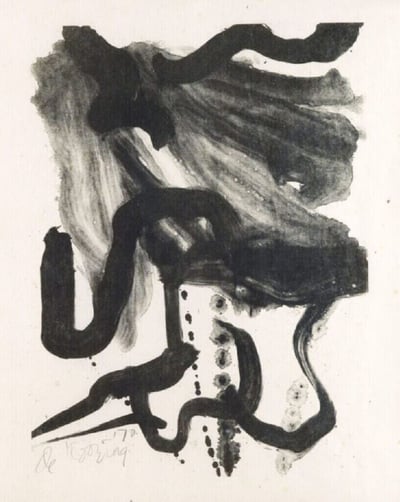
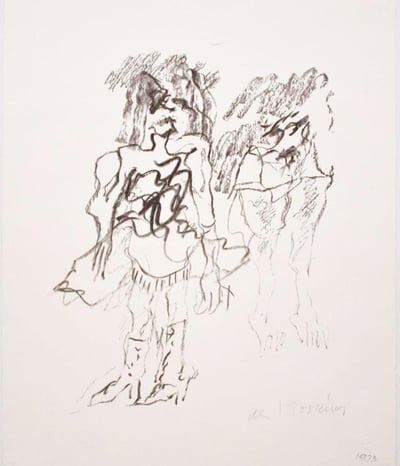
Willem de Kooning
Woman with long hair and corset, 1970
Limited Edition Print
Lithograph
Inquire For Price
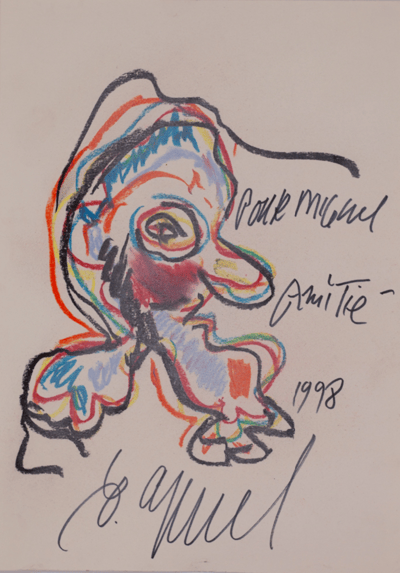
Karel Appel
Untitled (Colorful Figure), 1998
Drawing / Watercolor
Pastel
EUR 7,500
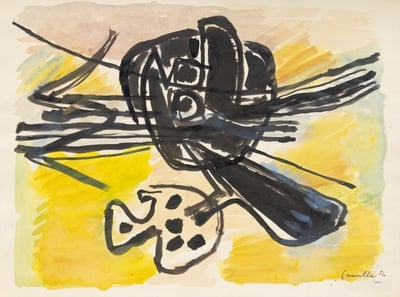
Guillaume Corneille
Composition abstraite, 1952
Drawing / Watercolor
Mixed Media
EUR 11,500
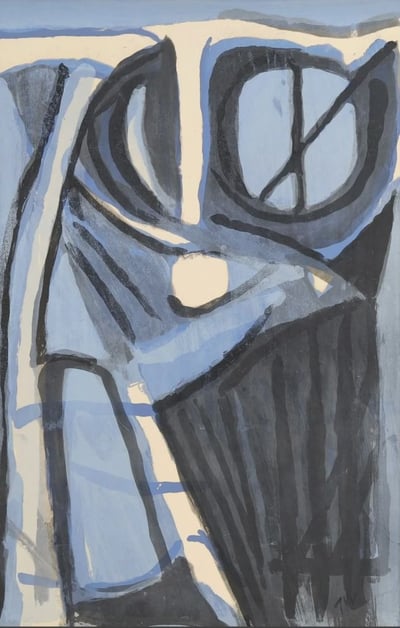
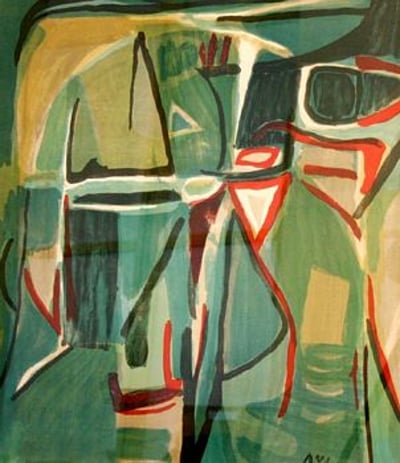
Bram Van Velde
MP 166, 1975
Limited Edition Print
Lithograph
EUR 2,350
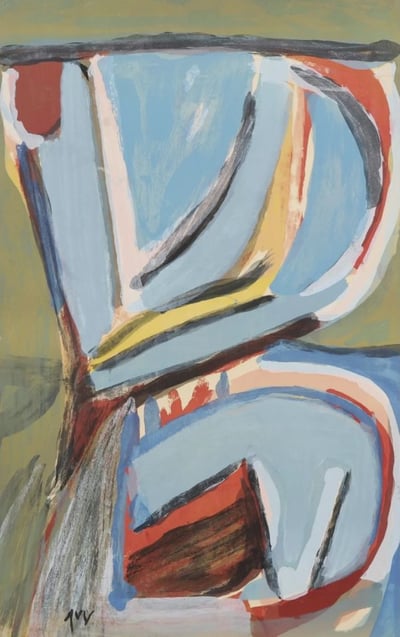
Bram Van Velde
MP 167, 1975
Limited Edition Print
Lithograph
EUR 2,350
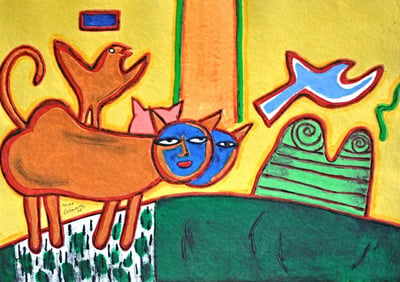
Guillaume Corneille
Chats Champêtres, 2008
Limited Edition Print
Engraving
EUR 1,500
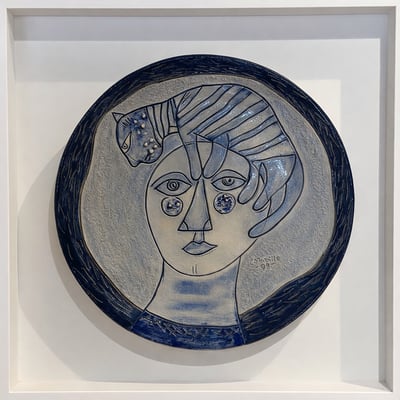
Guillaume Corneille
Plat, 1999
Ceramics
Plate
EUR 3,500
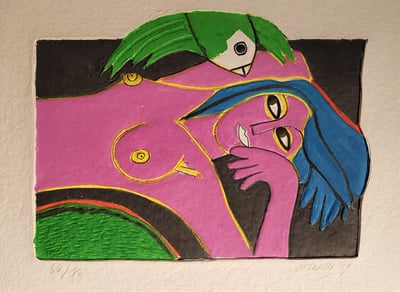
Guillaume Corneille
Femme rose aux cheveux bleus, 1999
Limited Edition Print
Mixed Media
EUR 1,500
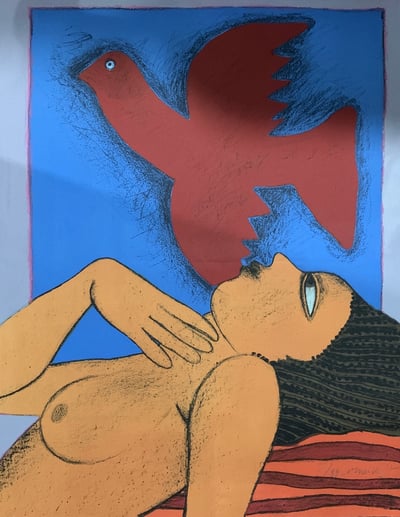
Guillaume Corneille
La femme et l’oiseau rouge, 1995
Limited Edition Print
Lithograph
EUR 1,500
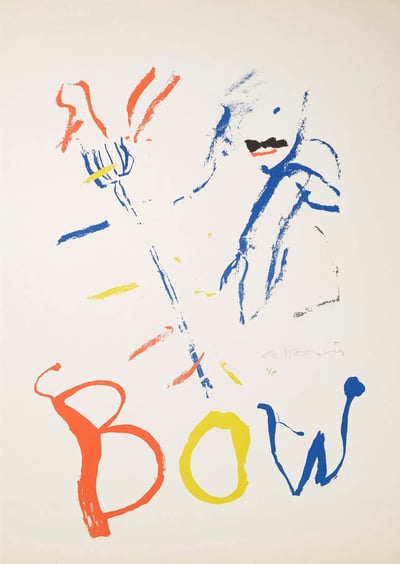
Willem de Kooning
Rainbow: Thelonious Monk Devil at the Keyboard, 1972/76
Limited Edition Print
Lithograph
Currently Not Available
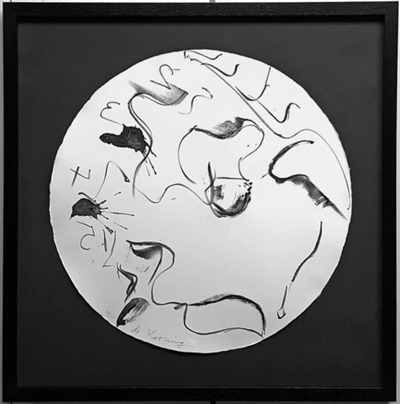
Willem de Kooning
Untitled from Self Portrait in a Convex Mirror, 1984
Limited Edition Print
Lithograph
Inquire For Price
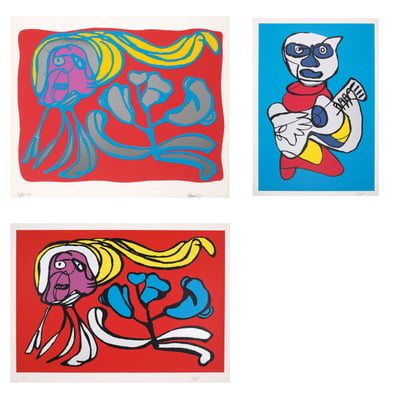
Karel Appel
A Group of 3 Screenprints, 1975 / 1978
Limited Edition Print
Screen-print
USD 2,810
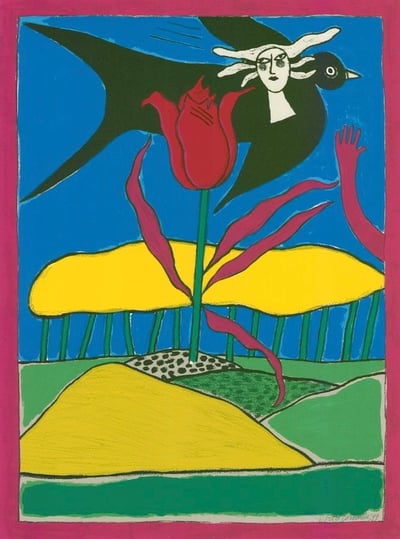
Guillaume Corneille
Däumelinchen, 1999
Limited Edition Print
Lithograph
EUR 980
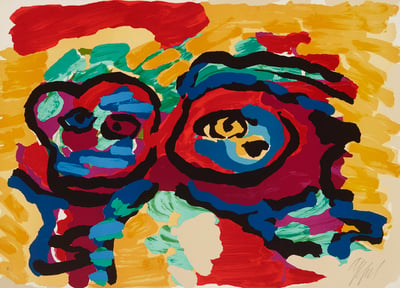
Karel Appel
Two Figures, c. 1980
Limited Edition Print
Lithograph
USD 1,000
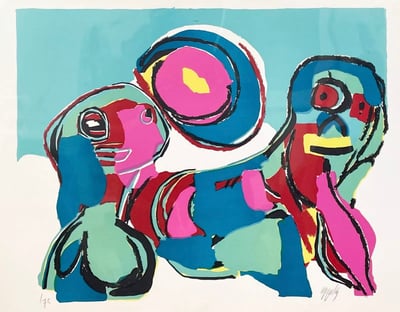
Karel Appel
Composition , 1969
Limited Edition Print
Lithograph
USD 950
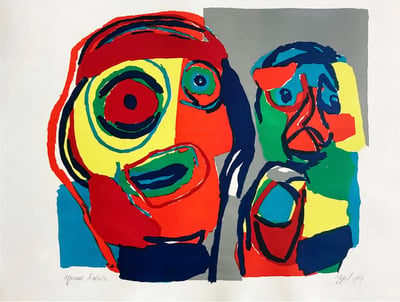
Karel Appel
Serie Personages, 1969
Limited Edition Print
Lithograph
USD 780
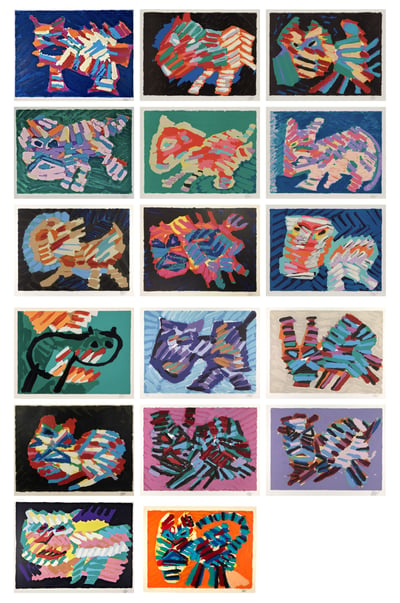
Karel Appel
Cats, 1979
Limited Edition Print
Lithograph
Inquire For Price
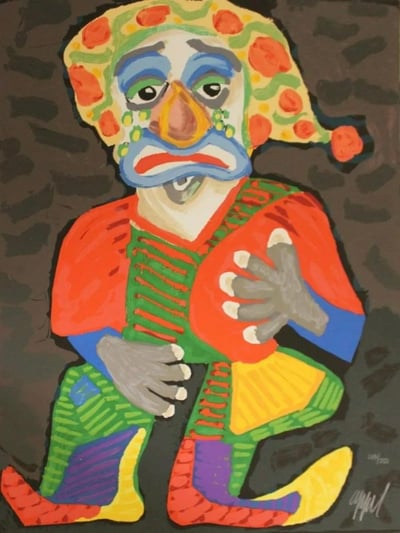
Karel Appel
Il Pagliacci, 1984
Limited Edition Print
Lithograph
USD 2,150
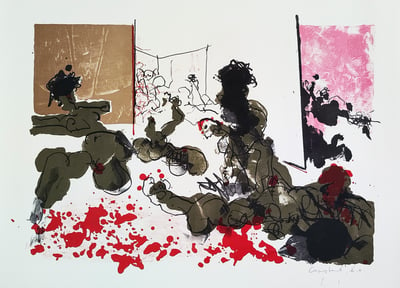
Constant Nieuwenhuys
Le Massacre, 1972
Limited Edition Print
Lithograph
EUR 595
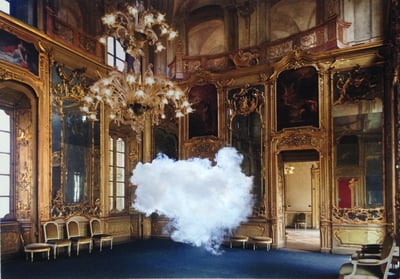
Berndnaut Smilde
La Nona Nuvola, 2016
Limited Edition Print
Digital Print on paper
EUR 1,500
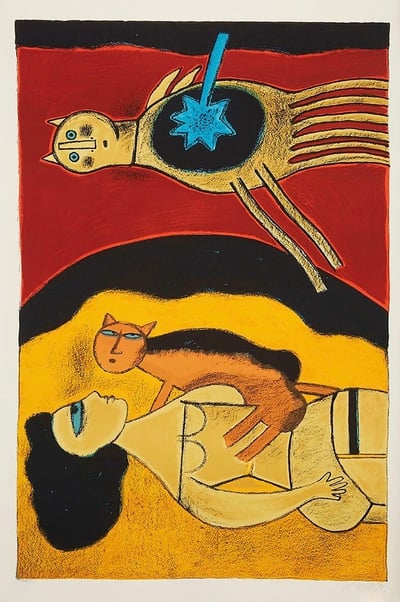
Guillaume Corneille
Blauer Stern, 1999
Limited Edition Print
Lithograph
EUR 2,100
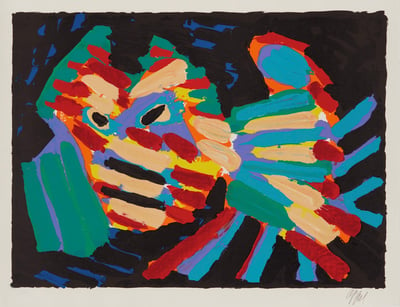
Karel Appel
Fighting Cat, 1979
Limited Edition Print
Lithograph
USD 750
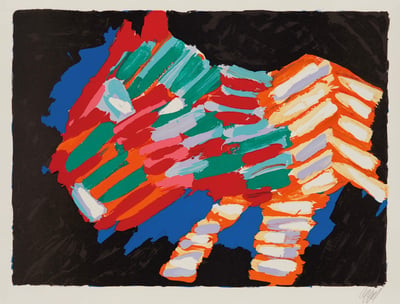
Karel Appel
Cat in the Night, 1979
Limited Edition Print
Lithograph
USD 750
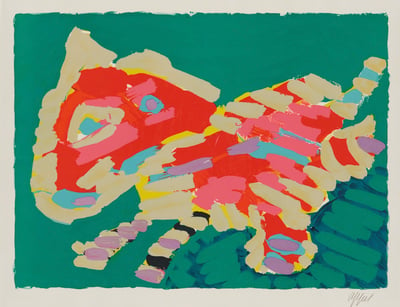
Karel Appel
Luminous Cat, 1979
Limited Edition Print
Lithograph
USD 750
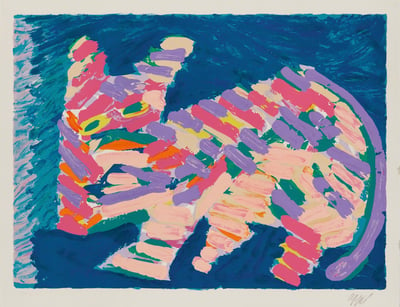
Karel Appel
Resting Cat, 1979
Limited Edition Print
Lithograph
USD 750
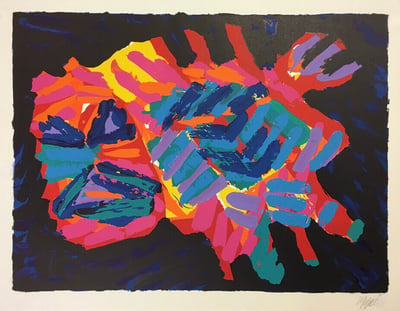
Karel Appel
Devil Cat, 1979
Limited Edition Print
Lithograph
USD 750
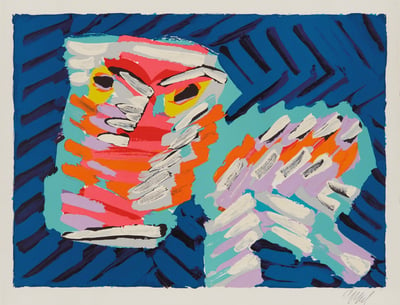
Karel Appel
Sad Cat, 1979
Limited Edition Print
Lithograph
USD 750
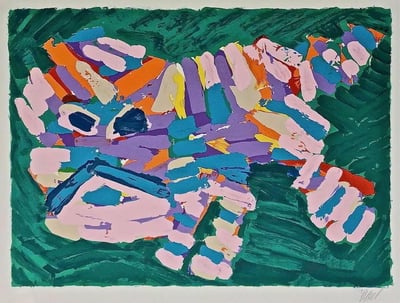
Karel Appel
Stalking Cat, 1979
Limited Edition Print
Lithograph
USD 750
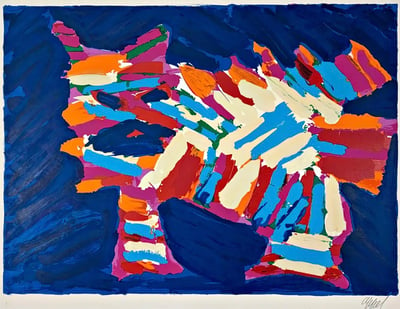
Karel Appel
Blue Cat, 1979
Limited Edition Print
Lithograph
USD 750
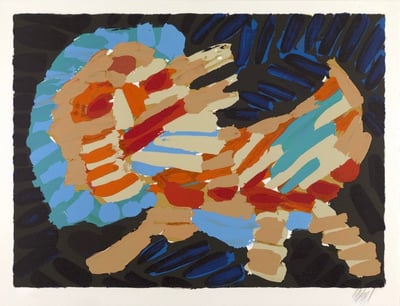
Karel Appel
Smiling Cat, 1979
Limited Edition Print
Lithograph
USD 750
Related Articles
Can't find your Answer?
Thank you! Your question has been sent — we'll get back to you shortly.
