
What is Process Art?
- Show All
- Established
- Discoveries
- Show All
Artworks Related to Process Art
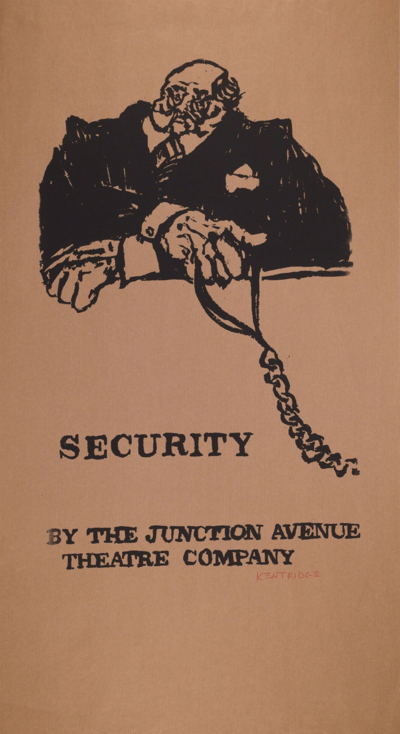
William Kentridge
Security, 1979
Limited Edition Print
Silkscreen
EUR 9,500
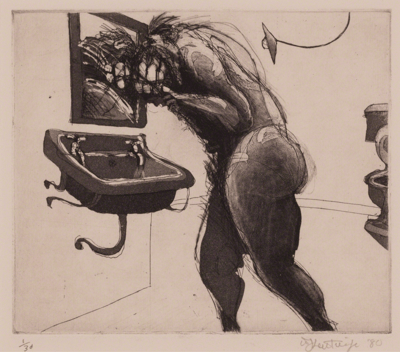
William Kentridge
Untitled, from Domestic Scenes, 1980
Limited Edition Print
Etching and Aquatint
EUR 15,000
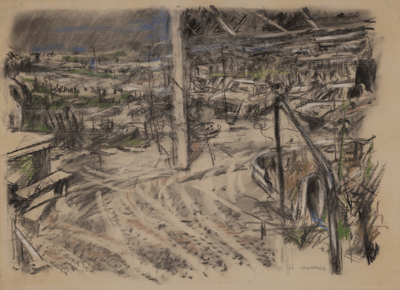
William Kentridge
Embarkation, 1986
Drawing / Watercolor
Mixed Media
Inquire For Price
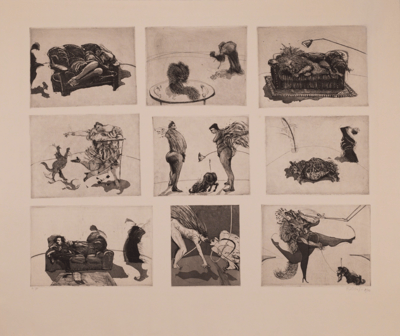
William Kentridge
A Wildlife Catalogue II, 1980
Limited Edition Print
Etching
EUR 25,000
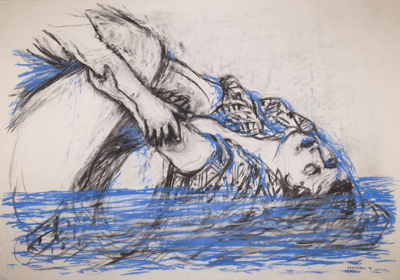
William Kentridge
The Passion of Mrs Eckstein, 1991
Drawing / Watercolor
Mixed Media
Inquire For Price
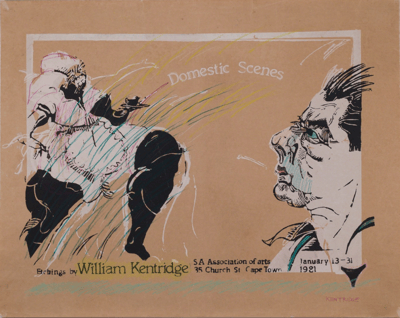
William Kentridge
Domestic Scenes, 1980
Limited Edition Print
Mixed Media
EUR 15,000
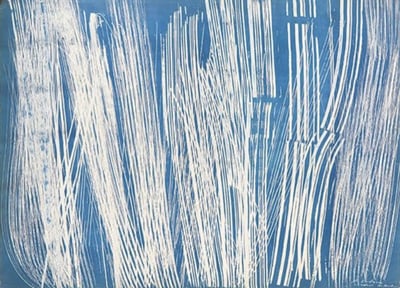
Hans Hartung
G 1970-21, 1970
Limited Edition Print
Etching
EUR 6,500
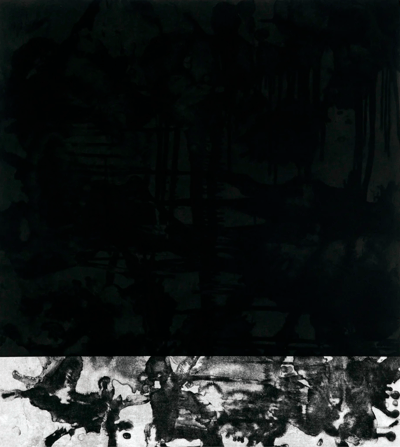
Pedro Cabrita Reis
E as estrelas do céu cairam na terra....I, 1996
Limited Edition Print
Aquatint
EUR 4,200
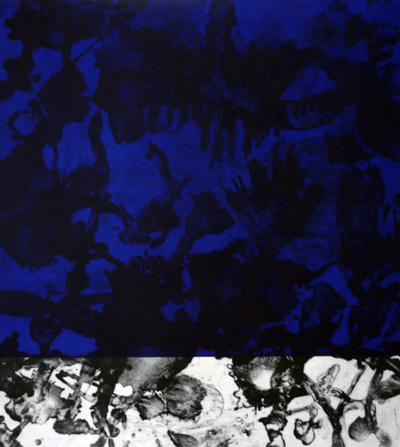
Pedro Cabrita Reis
E as estrelas do céu cairam na terra....IV, 1996
Limited Edition Print
Aquatint
EUR 4,200
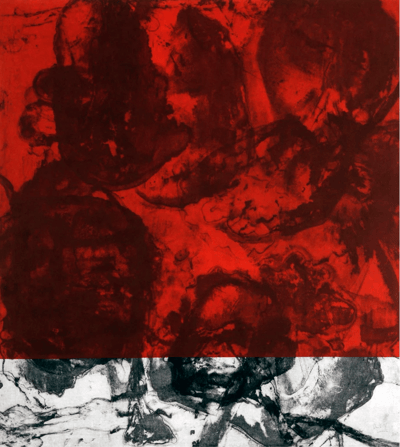
Pedro Cabrita Reis
E as estrelas do céu cairam na terra....III, 1996
Limited Edition Print
Aquatint
EUR 4,200
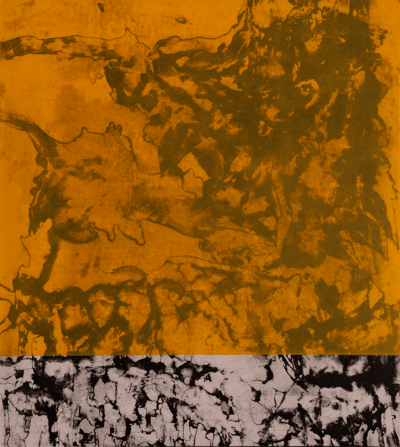
Pedro Cabrita Reis
E as estrelas do céu cairam na terra....II, 1996
Limited Edition Print
Aquatint
EUR 4,200
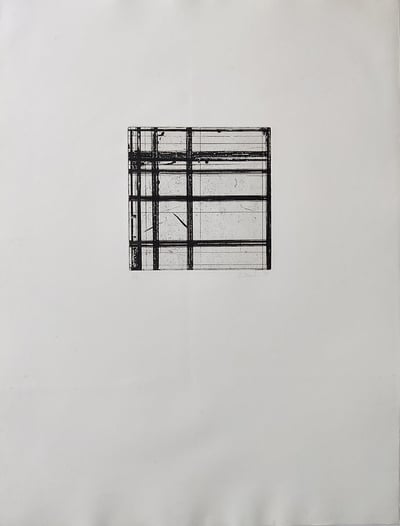
Brice Marden
Tiles, 1979
Limited Edition Print
Etching and Aquatint
USD 5,370
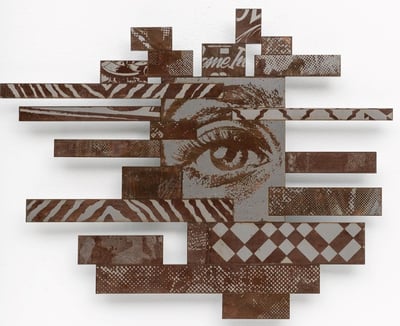
Vhils
Composed, 2022
Sculpture / Object
Metal
EUR 12,000
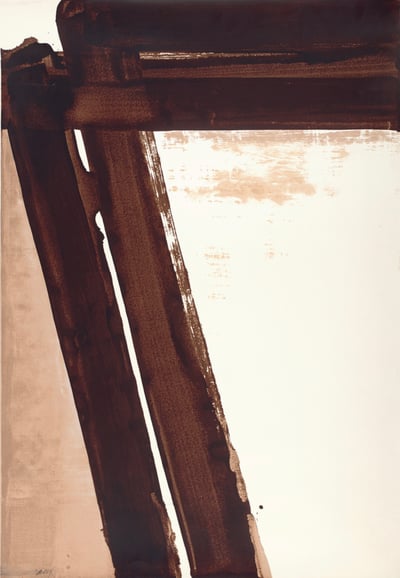
Pierre Soulages
Sérigraphie n°15, 1981
Limited Edition Print
Screen-print
EUR 15,500

Vija Celmins
Comet, 1992
Limited Edition Print
Linocut
USD 32,500
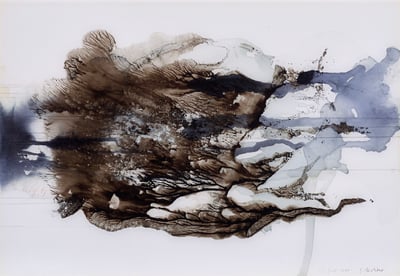
Gerhard Richter
December 2020 C, 2020
Limited Edition Print
Giclée printing
GBP 17,000 - 20,000
Related Articles
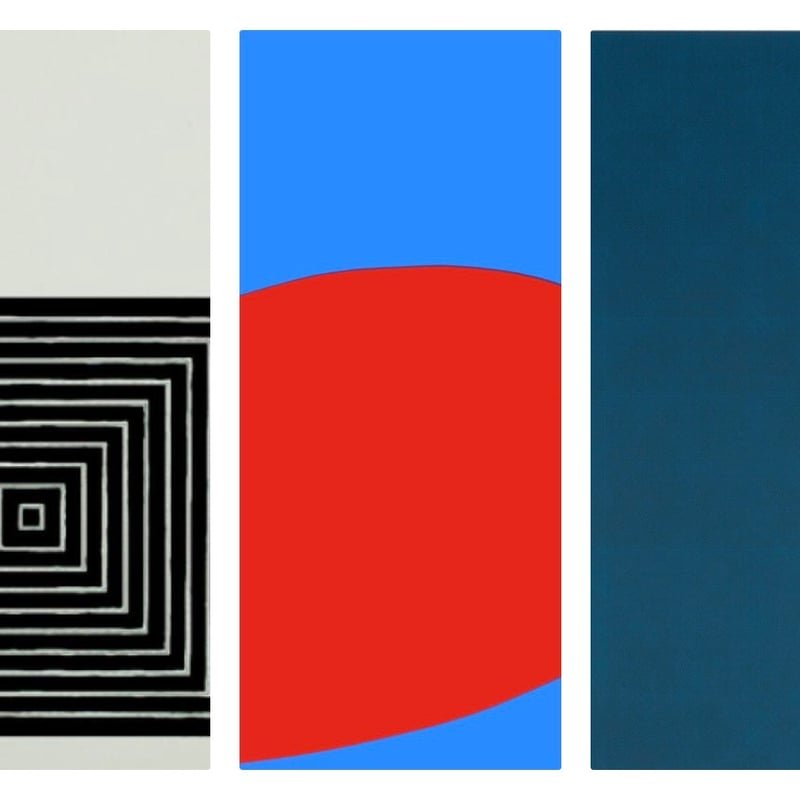



Site-Specific Art is a form of artwork created to exist in a particular location, with the artist considering the site as an integral part of the creative process. Robert Irwin was a key figure in promoting this art form in California. Site-Specific Art emerged as a reaction against modernist objects, which were often portable, commodified, and confined to museum spaces. In contrast, Site-Specific Art is inherently tied to its location, challenging the traditional notions of art as a transportable and marketable commodity.

Tansaekhwa, also known as monochrome painting, is a movement in Korean art that began in the mid-1970s. These artworks are characterized by the manipulation of painting materials, such as pushing paint, soaking the canvas, ripping paper, or other techniques that alter the medium. Tansaekhwa emphasizes texture, materiality, and the physical process of creating the artwork.
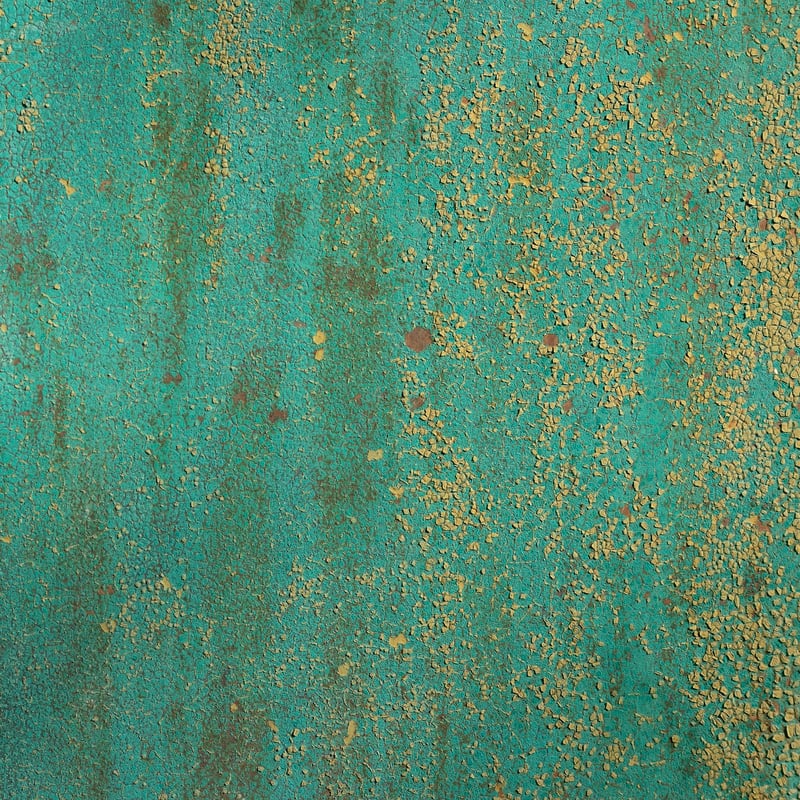
Patina is the distinctive greenish surface that bronze develops over time due to exposure to air and humidity. Artists can also apply chemicals to bronze to artificially create patina. Alternatively, bronze can be polished to reveal its natural rich gold color. Patina is not exclusive to bronze; it can also occur on other metals like copper and even on wood and stone, enhancing the material's character over time.
Can't find your Answer?
Thank you! Your question has been sent — we'll get back to you shortly.
