
What is Process Art?
- Show All
- Established
- Discoveries
- Show All
Artworks Related to Process Art
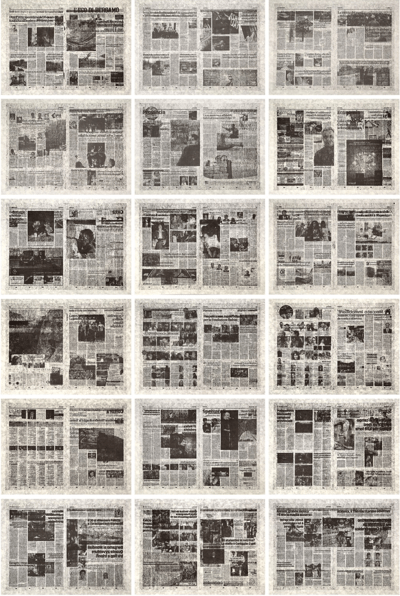
Jacob Kassay
L'eco di Bergamo , 2014
Limited Edition Print
Lithograph
EUR 90,000 - 110,000

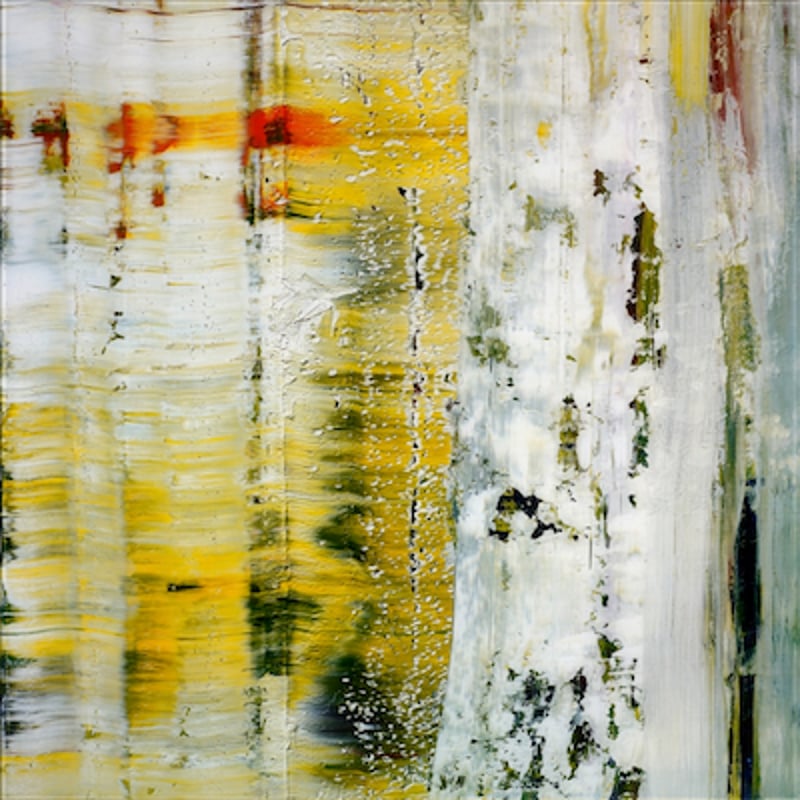
Gerhard Richter
Cage: P19-3, 2020
Limited Edition Print
Mixed Media
GBP 13,500 - 17,000

Gert & Uwe Tobias
Ohne Titel (collage), 2014
Drawing / Watercolor
Collage
EUR 2,750

Sigmar Polke
Tisch mit umgekippter Kanne I, 1970
Limited Edition Print
Screen-print
Currently Not Available

Hans Hartung
Las Estampas de la Cometa 5, 1971
Limited Edition Print
Etching
EUR 1,550
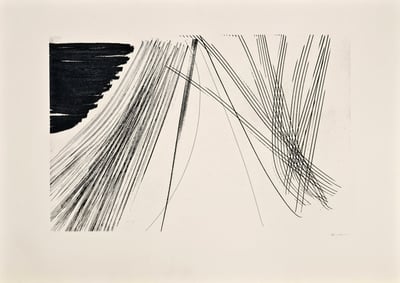
Hans Hartung
Las Estampas de la Cometa 4, 1971
Limited Edition Print
Etching
EUR 1,550

Hans Hartung
Las Estampas de la Cometa 1, 1971
Limited Edition Print
Etching
EUR 1,550
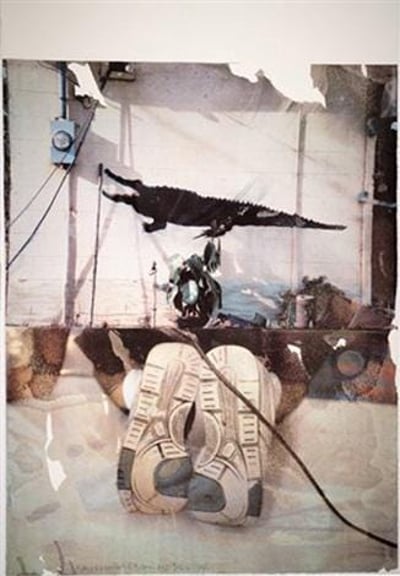
Robert Rauschenberg
Tribute 21 (Environment), 1994
Limited Edition Print
Lithograph
Inquire For Price

Howard Hodgkin
Cardo's Bar (black), 1979
Limited Edition Print
Mixed Media
EUR 1,450
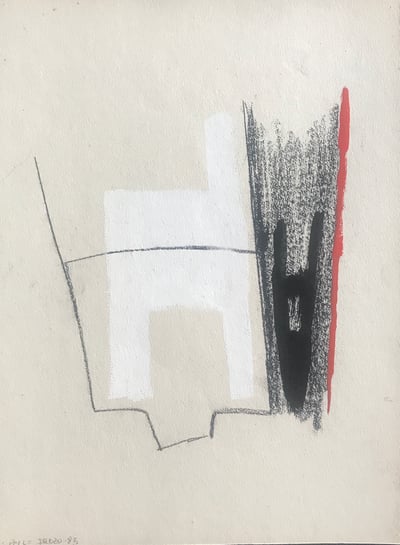
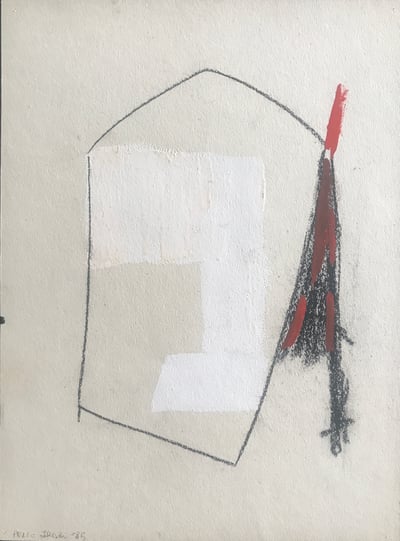
Pello Irazu
Untitled #4, 1985
Painting
Mixed Media
EUR 2,250

Pello Irazu
Untitled #3, 1985
Painting
Mixed Media
EUR 2,250
Pello Irazu
Untitled #2, 1985
Painting
Mixed Media
EUR 2,250

Pello Irazu
Untitled #1, 1985
Painting
Mixed Media
EUR 2,250
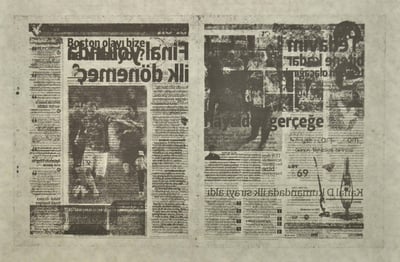
Jacob Kassay
Untitled 5/10 (Radikal), 2013
Limited Edition Print
Lithograph
EUR 5,500
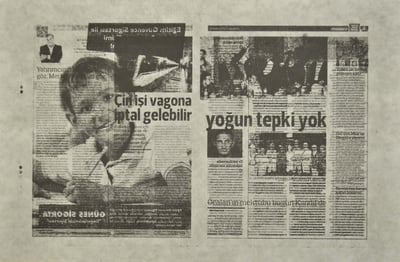
Jacob Kassay
Untitled 1/10 (Radikal), 2013
Limited Edition Print
Lithograph
EUR 5,500
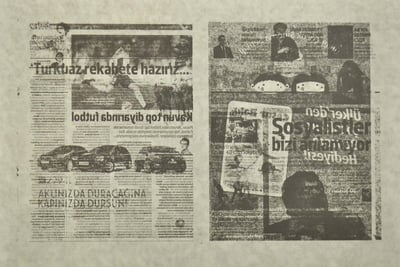
Jacob Kassay
Untitled 9/10 (Radikal), 2013
Limited Edition Print
Lithograph
EUR 5,500
Related Articles
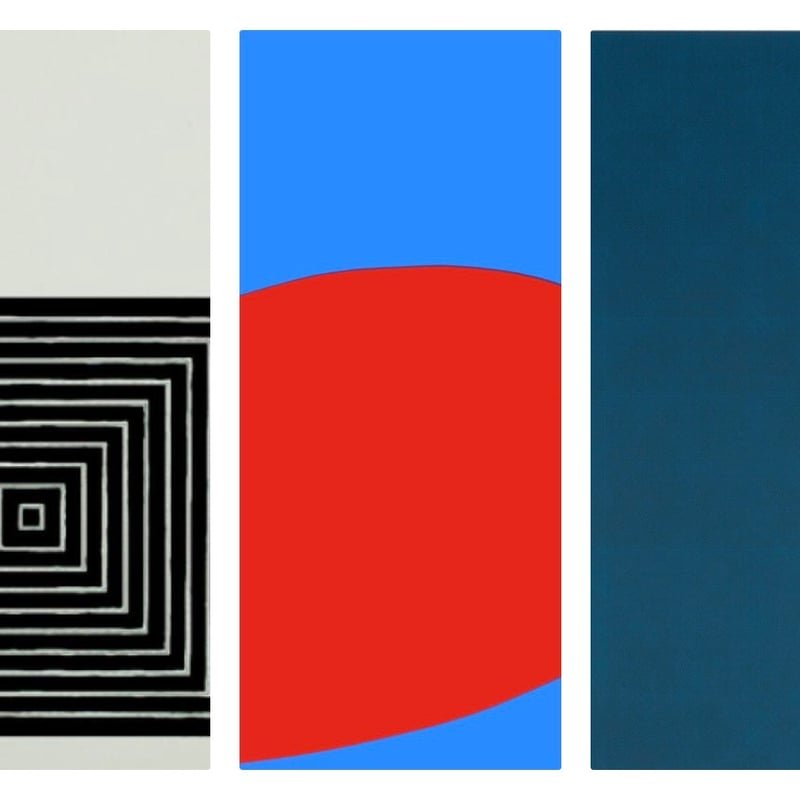

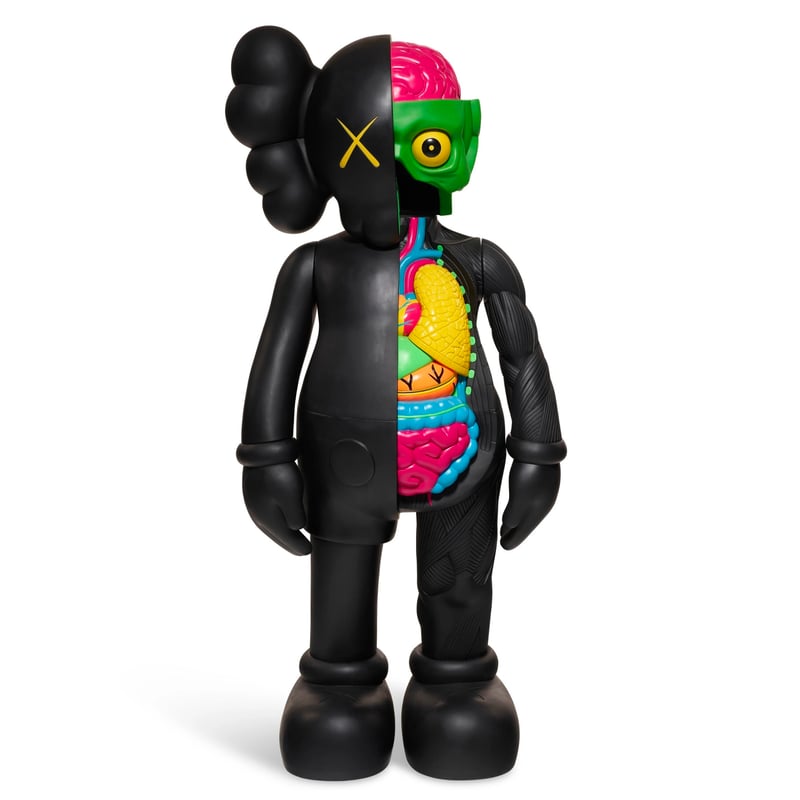
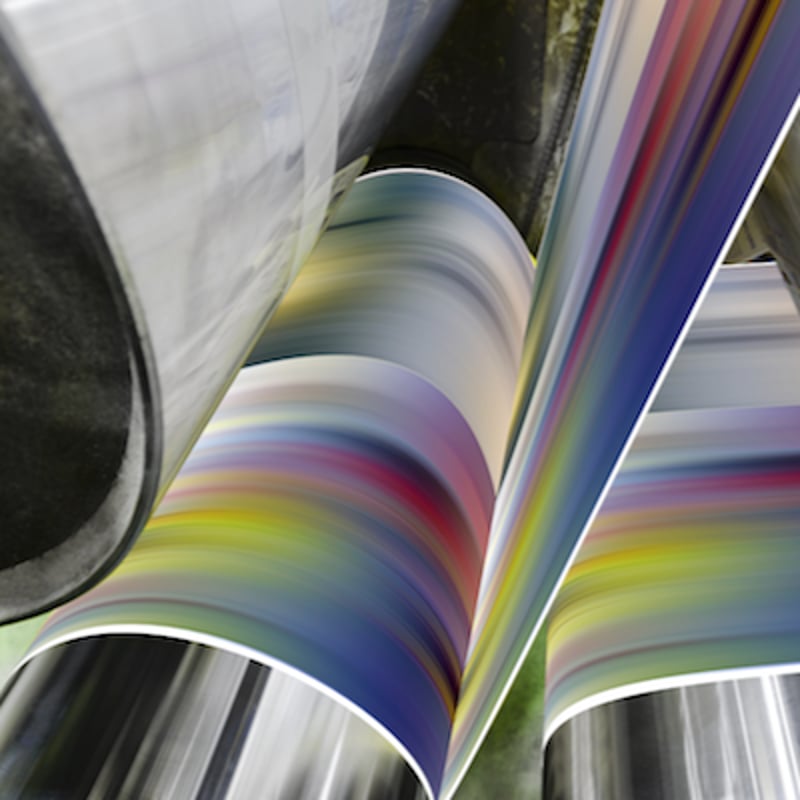
A print is an image or text reproduced using a template or master form. Prints are typically created by transferring ink from a prepared matrix to another material, often paper. Common matrices include copper or zinc plates for etching and engraving, aluminum or stone for lithography, wood blocks for woodcuts, and linoleum for linocuts. The term print can also refer to a single impression made from the matrix.
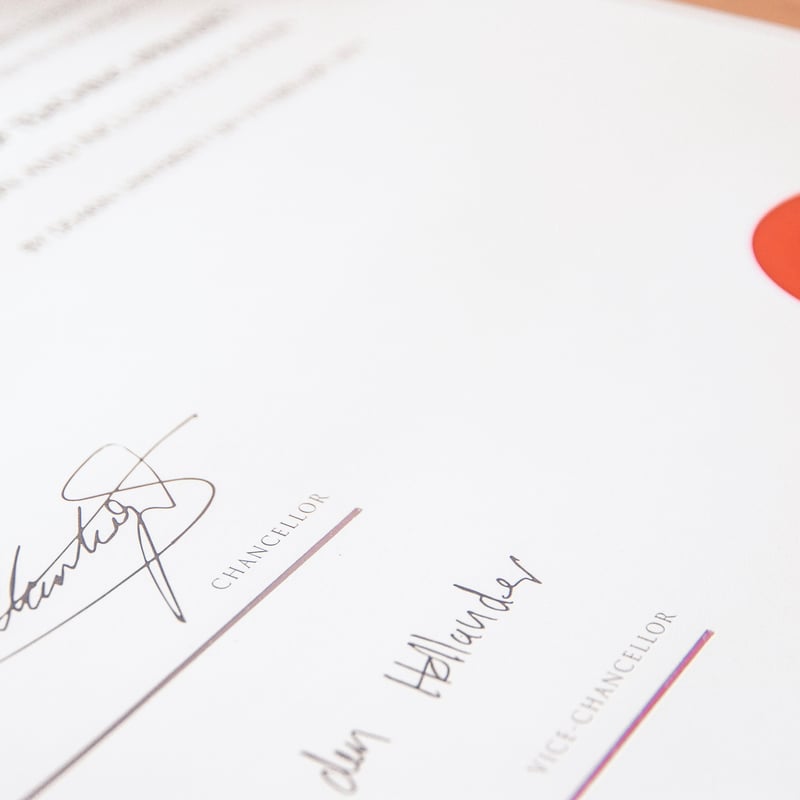
Authenticity refers to the qualities that define an original artwork as genuine, created by the artist under the original circumstances. A reproduction lacks authenticity because it was not made by the original artist and does not share the same context or creation process. The authenticity of an original artwork can be questioned when reproductions exist, which can diminish its value. Authenticity is often established through provenance, expert analysis, and documentation, ensuring the artwork's originality.
Capitalist Realism is a German form of political pop art that emerged in Cold War-era Berlin in 1963. It sought to challenge the dominance of American pop art in the Western world. The movement blended the ideologies of both pop art and socialist realism, offering a critique of consumer culture and political power.
Can't find your Answer?
Thank you! Your question has been sent — we'll get back to you shortly.
