
What is Process Art?
- Show All
- Established
- Discoveries
- Show All
Artworks Related to Process Art
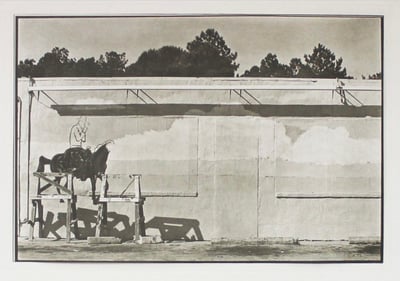
Robert Rauschenberg
Plate from Photogravures Suite 1, 1983
Limited Edition Print
Photogravure
Currently Not Available
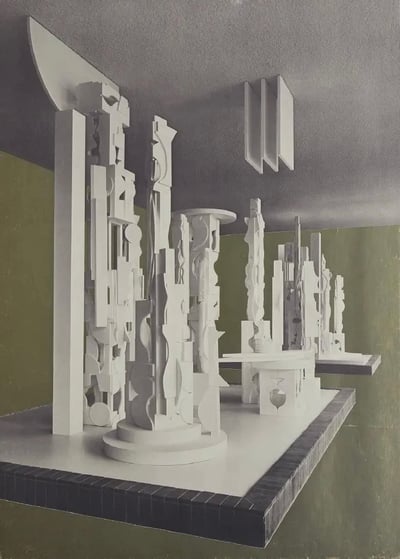
Louise Nevelson
Bicentennial Dawn, 1976
Limited Edition Print
Serigraph
USD 1,450
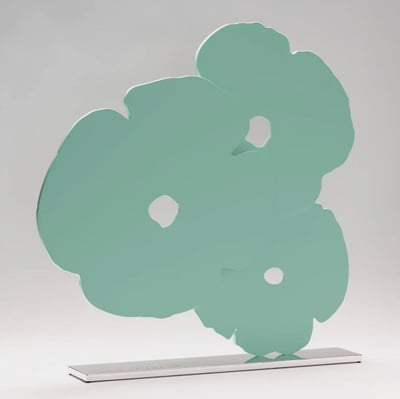
Donald Sultan
Aqua Poppies, 2021
Sculpture / Object
Mixed Media
USD 17,400
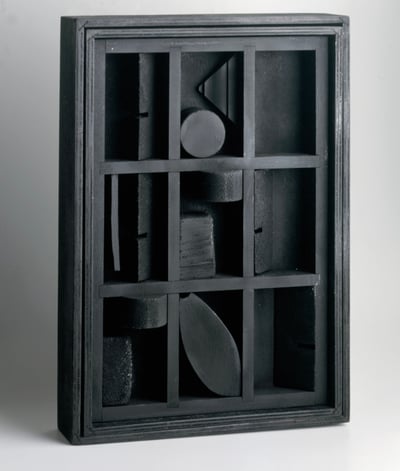
Louise Nevelson
Winter chord, 1974
Sculpture / Object
Wood
EUR 14,850

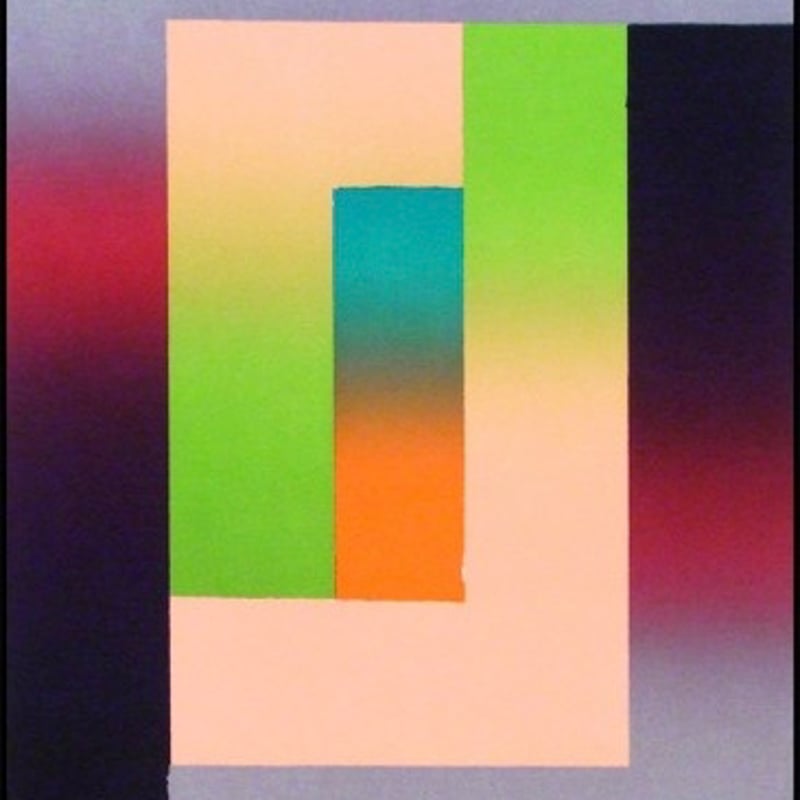
Louise Nevelson
Untitled (Red Rectangle on Black), 1975
Limited Edition Print
Silkscreen
EUR 5,450
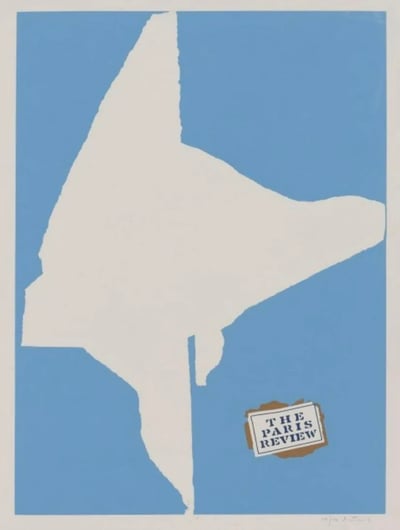
Robert Motherwell
The Paris Review, 1965
Limited Edition Print
Screen-print
USD 2,350
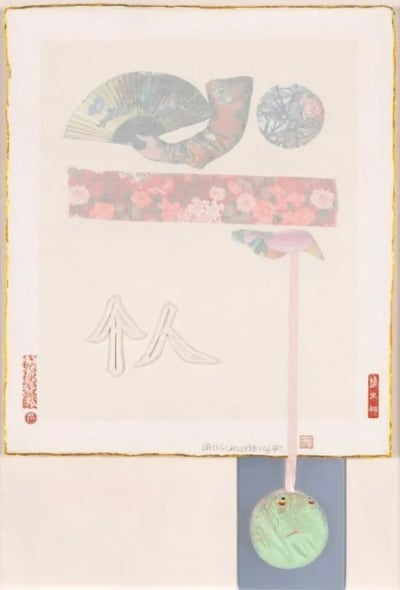
Robert Rauschenberg
Individual, 1982
Limited Edition Print
Collage
USD 8,500
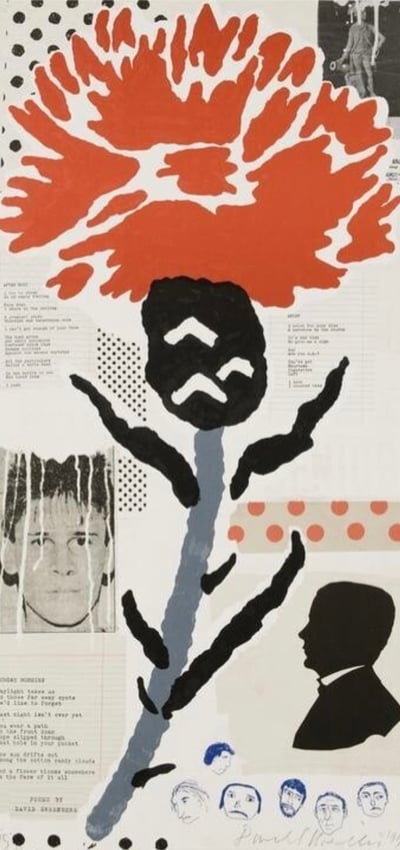
Donald Baechler
Thistle, 1999
Limited Edition Print
Lithograph
USD 1,350

Donald Sultan
Lip Print II, 1989
Limited Edition Print
Aquatint
Inquire For Price
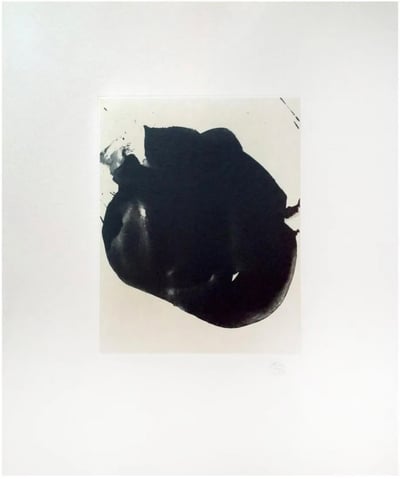
Robert Motherwell
Nocturne II (from Octavio Paz suit), 1988
Limited Edition Print
Lithograph
USD 2,990

Donald Sultan
Wall flower 8, 2008
Limited Edition Print
Screen-print
USD 2,000
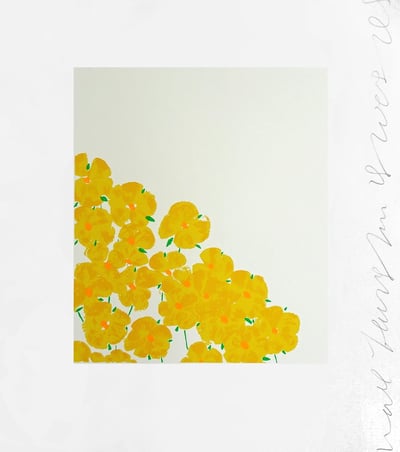
Donald Sultan
Wall flower 7, 2008
Limited Edition Print
Screen-print
USD 2,000
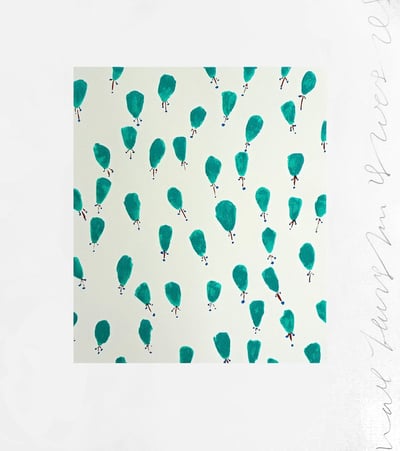
Donald Sultan
Wall flower 4, 2008
Limited Edition Print
Screen-print
USD 2,000
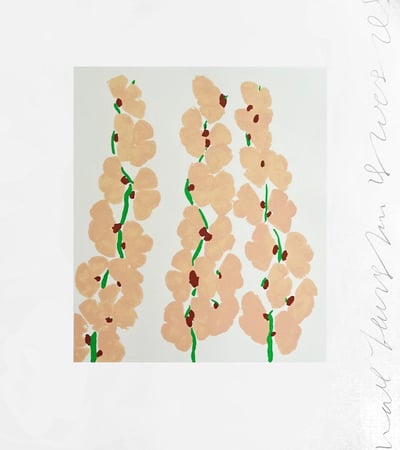
Donald Sultan
Wall flower 3, 2008
Limited Edition Print
Screen-print
USD 2,000
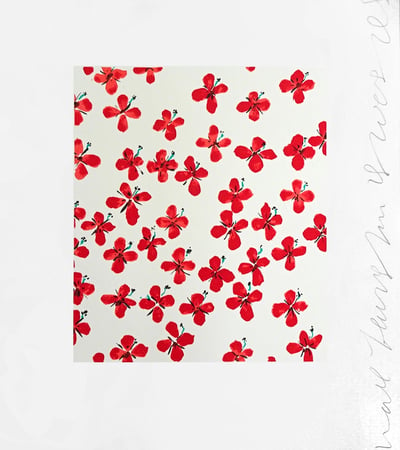
Donald Sultan
Wall flower 2, 2008
Limited Edition Print
Screen-print
USD 2,000

Donald Sultan
Wall flower 1, 2008
Limited Edition Print
Screen-print
USD 2,000
Related Articles
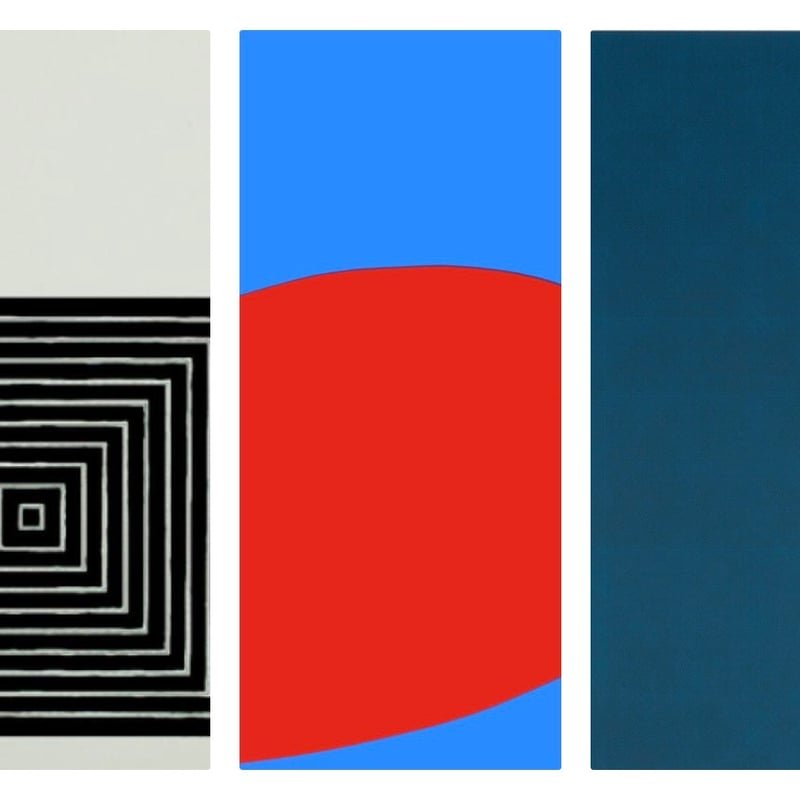
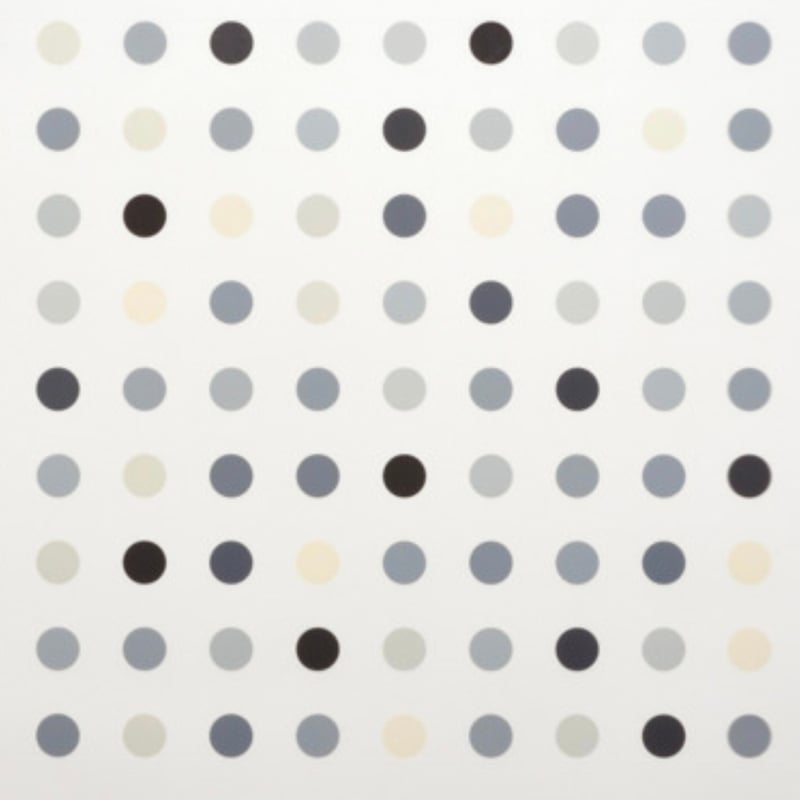
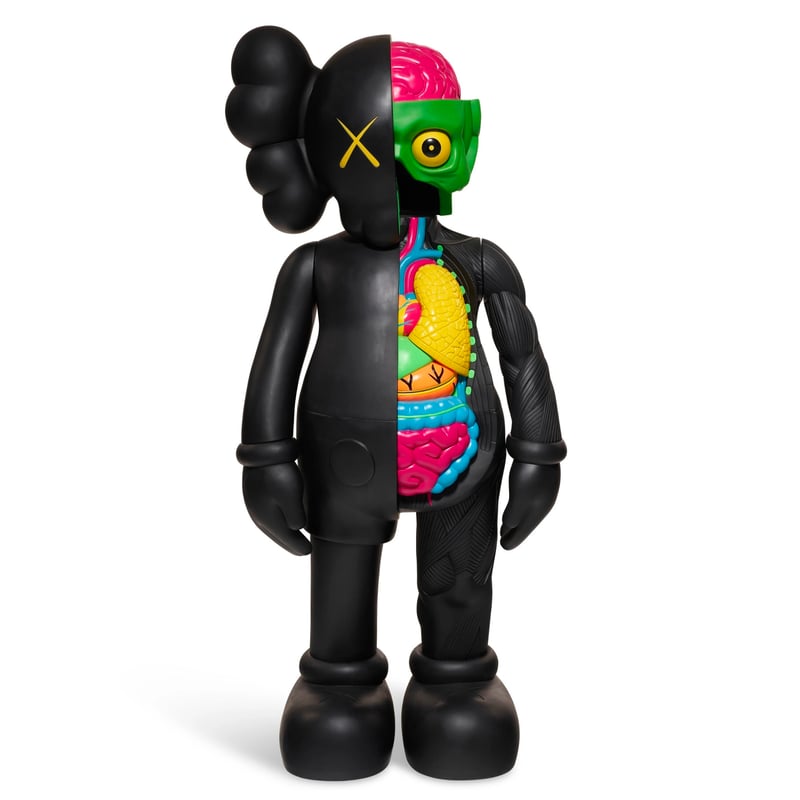

Porcelain is a hard, durable material made from clay, primarily composed of the mineral kaolinite. It is fired at high temperatures, resulting in a fine, white, and often translucent finish. Porcelain is used to create art objects and a wide range of household items such as dishes and bowls. Porcelain items are especially popular for painting with special glazes due to their smooth surface and ability to hold intricate designs.
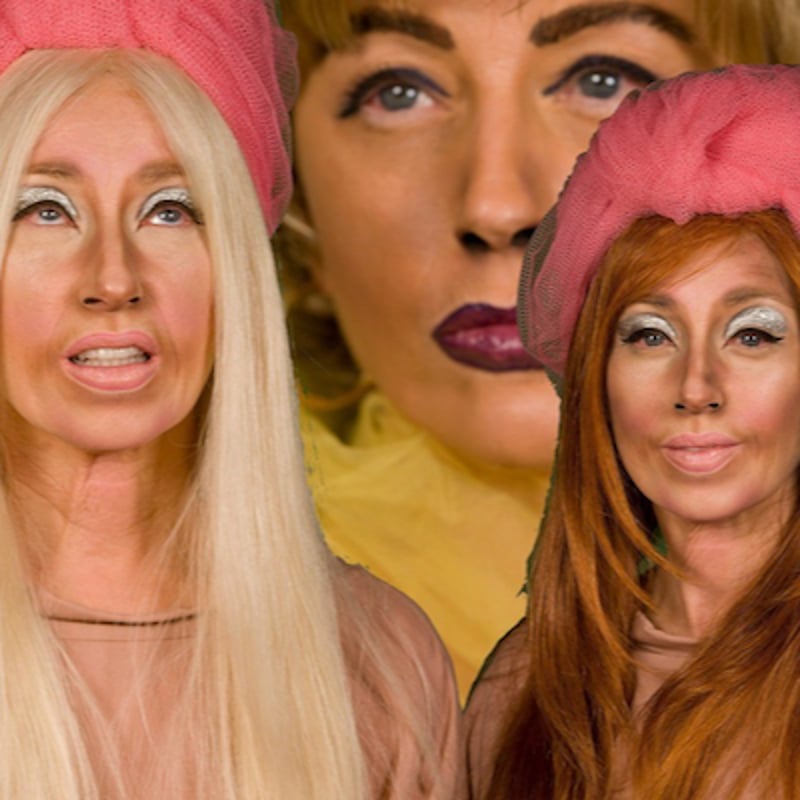
Lowbrow is a derogatory term that refers to certain forms of popular culture. It describes an art movement that began in Los Angeles in the 1970s. The term lowbrow originally refers to a person with little intellectual or refined taste. The Lowbrow art movement, also known as Pop Surrealism, blends elements of underground comics, punk music, hot rod culture, and other subcultures, often with a sense of humor and irony.
Entropy, in a broader sense, refers to the inevitable deterioration or decline of a society or system. In art, the concept was popularized by artist Robert Smithson in the 1960s. He used the term to critique what he saw as the static and overly simplified nature of contemporary minimalist art. Smithson's work often explored the idea of entropy as a force of chaos and decay, contrasting with the perceived order and purity of minimalist works.
Can't find your Answer?
Thank you! Your question has been sent — we'll get back to you shortly.
