
What is Process Art?
- Show All
- Established
- Discoveries
- Show All
Artworks Related to Process Art
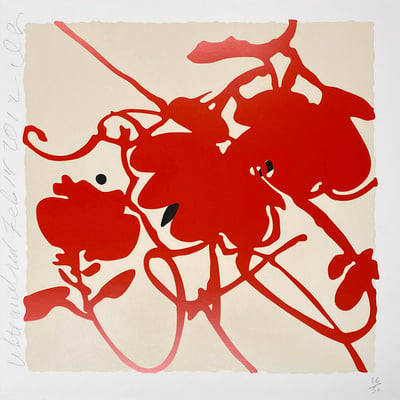
Donald Sultan
White and Red - Lantern Flowers, 2012
Limited Edition Print
Screen-print
USD 7,300

Donald Sultan
Playing Cards (Nine of Hearts), 1990
Limited Edition Print
Aquatint
USD 1,950
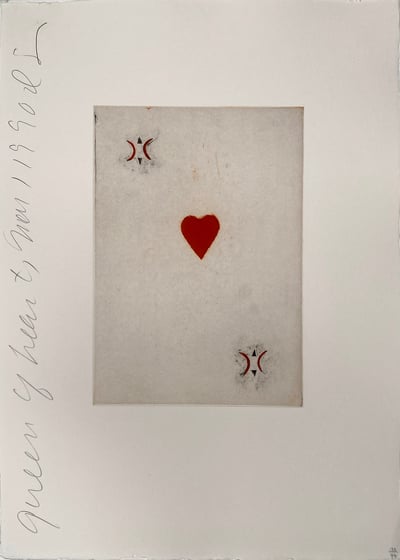
Donald Sultan
Playing Card (Queen of Hearts), 1990
Limited Edition Print
Aquatint
USD 1,950
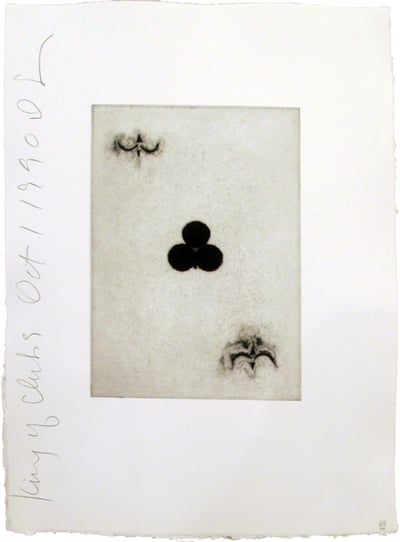
Donald Sultan
Playing Cards (King of Clubs), 1990
Limited Edition Print
Aquatint
USD 1,100
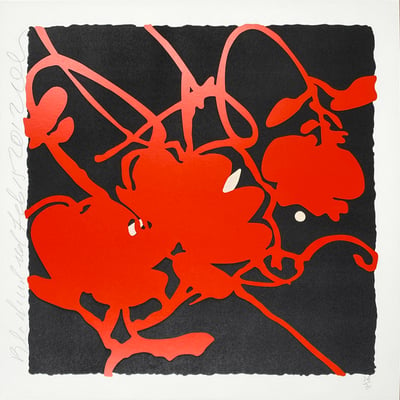
Donald Sultan
Black and Red - Lantern Flowers, 2012
Limited Edition Print
Screen-print
USD 7,300
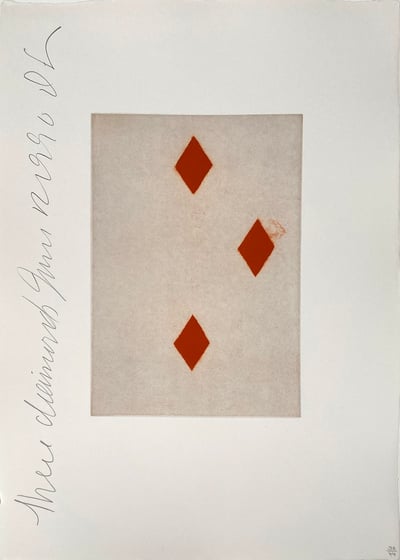
Donald Sultan
Playing Card (Three of Diamonds), 1990
Limited Edition Print
Aquatint
USD 1,450
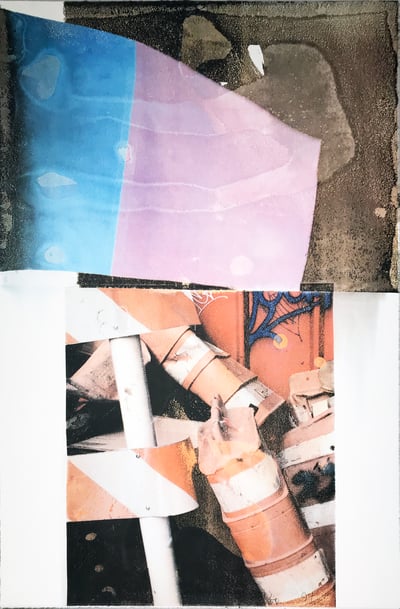
Robert Rauschenberg
Tribute 21: Art, 1994
Limited Edition Print
Lithograph
USD 4,950
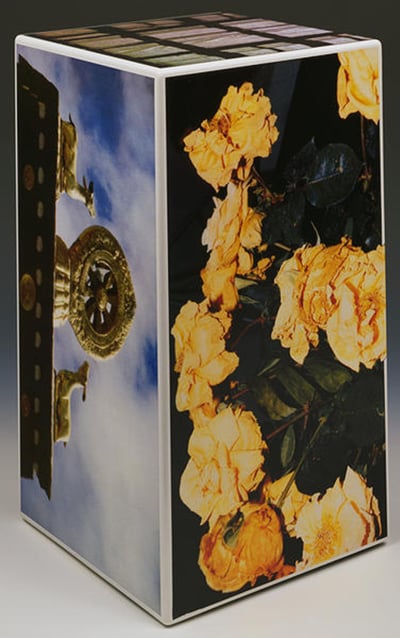
Robert Rauschenberg
Tibetan Keys (Rectangle), 1987
Sculpture / Object
Mixed Media
USD 14,250
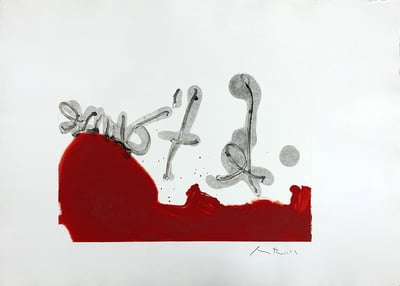
Robert Motherwell
Untitled (Gesture #6), 1976
Limited Edition Print
Etching
USD 11,900
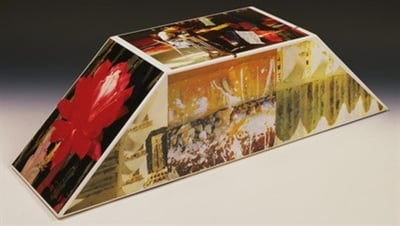
Robert Rauschenberg
Tibetan Keys (Double Bevel), 1987
Sculpture / Object
Mixed Media
USD 16,500

Robert Rauschenberg
Tribute 21: Labor, 1994
Limited Edition Print
Lithograph
USD 6,750
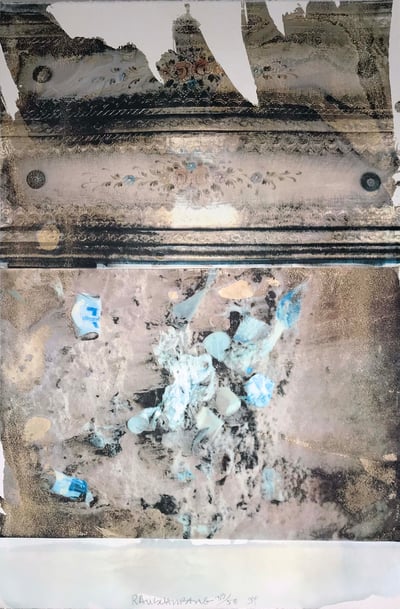
Robert Rauschenberg
Tribute 21: Cinema, 1994
Limited Edition Print
Lithograph
USD 4,950

Robert Rauschenberg
Relic (Speculations), 1997
Limited Edition Print
Screen-print
USD 11,900
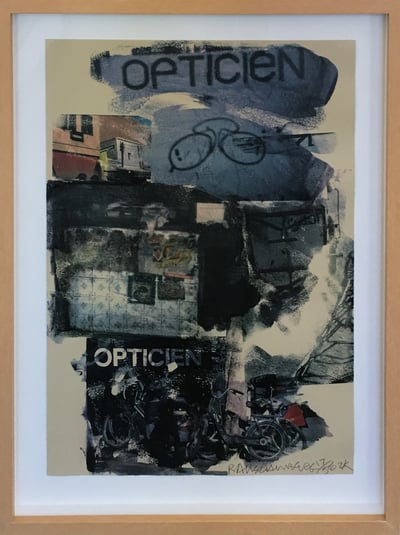
Robert Rauschenberg
Site, 2000
Limited Edition Print
Lithograph
USD 6,750
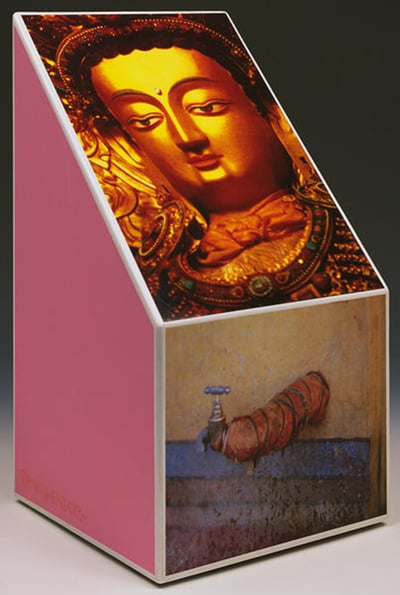
Robert Rauschenberg
Tibetan Keys (Bevel), 1987
Sculpture / Object
Mixed Media
USD 14,250
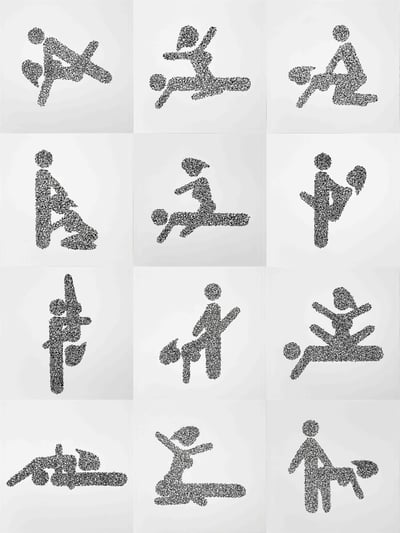
Vik Muniz
Love Bug Suite, 2014
Limited Edition Print
C-Print
Inquire For Price
Related Articles
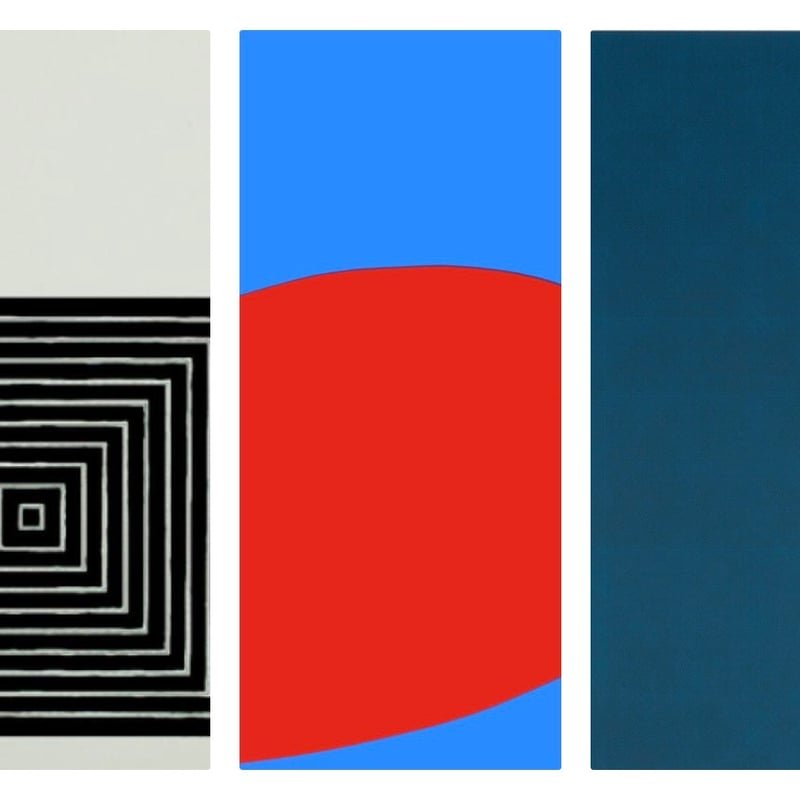


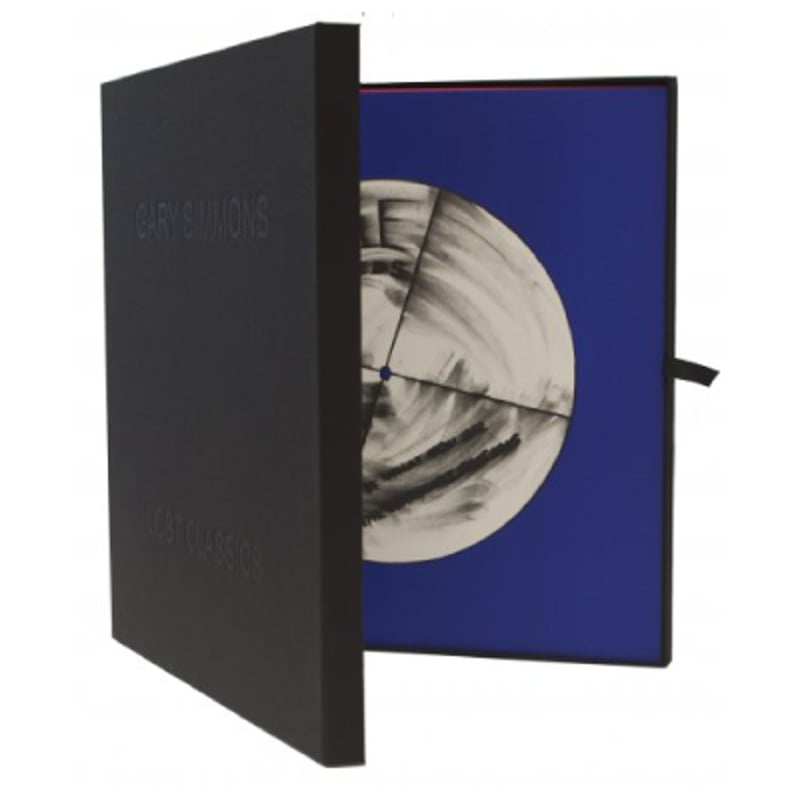
Sound Art is an artistic discipline where sound is used as the primary medium. Like other contemporary art genres, Sound Art is inherently interdisciplinary, engaging with a variety of subjects including electronics, acoustics, noise music, psychoacoustics, audio media, video, film, and sculpture. Early examples of Sound Art include Luigi Russolo's noise intoners, as well as experimental works by Surrealists, Dadaists, and the Fluxus movement. These early pioneers helped establish sound as a legitimate medium for artistic expression.
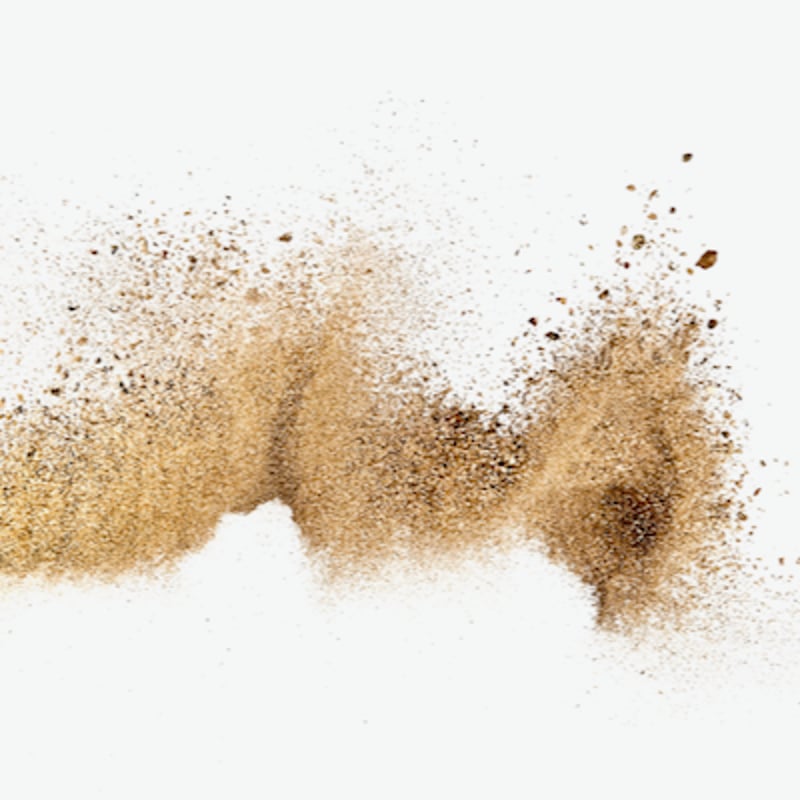
Sand consists of loose grains of material primarily made up of minerals like quartz, mica, and feldspar, as well as small fragments of rocks. Sand paintings are created by pouring colored sand into intricate designs, often for cultural rituals or special celebrations. These designs can take many days to complete and are traditionally brushed away after the ceremony, emphasizing the impermanence of the artwork.
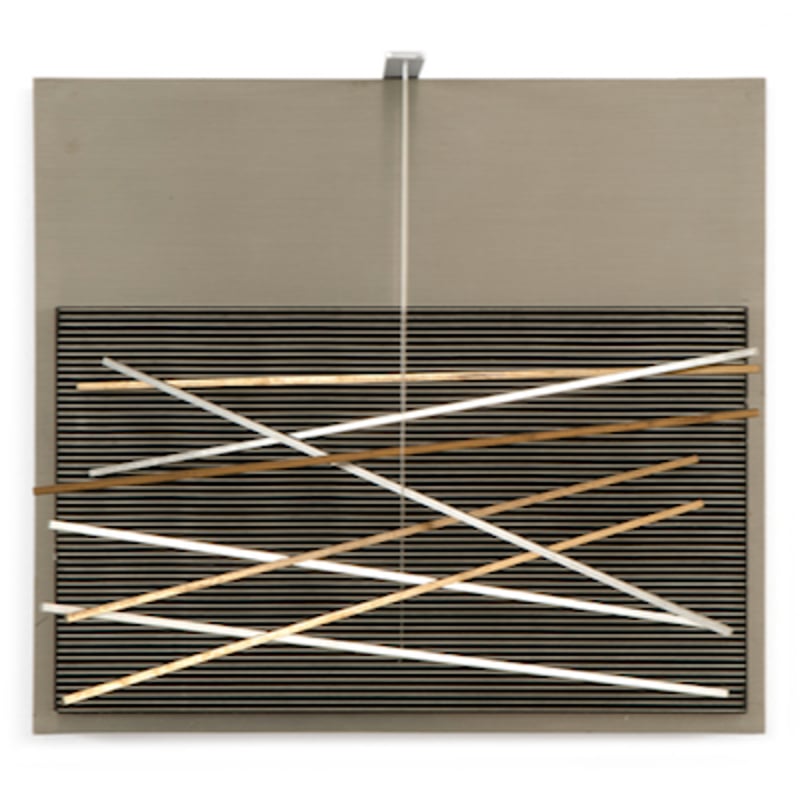
Kinetic art is an international movement that emerged in the 1920s and gained prominence in the 1960s, referring to art that involves both apparent and real motion. It encompasses any medium that includes movement, either relying on actual motion for its effect or being perceived as moving by the viewer. Early examples include canvas paintings designed to create optical illusions of movement. Today, kinetic art often refers to three-dimensional figures and sculptures, such as those operated by machines or those that move naturally. The movement covers a variety of styles and techniques that frequently overlap.
Can't find your Answer?
Thank you! Your question has been sent — we'll get back to you shortly.
