What is minimalism?
- Show All
- Established
- Discoveries
- Show All
Artworks Related to Minimalism
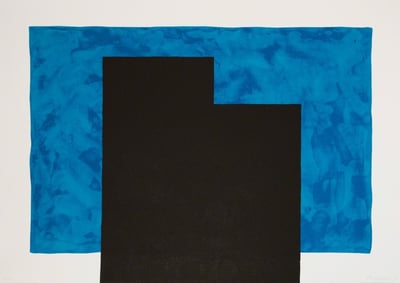
David Batchelor
Chromoscape 3-10, 2018
Limited Edition Print
Lithograph
EUR 1,200
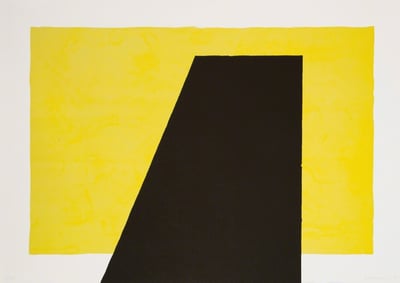
David Batchelor
Chromoscape 8-10, 2018
Limited Edition Print
Lithograph
EUR 1,200
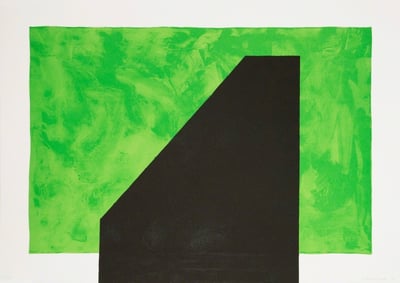
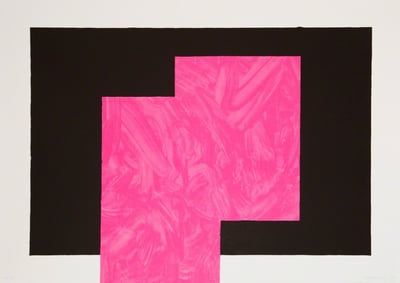
David Batchelor
Chromoscape 9-10, 2018
Limited Edition Print
Lithograph
EUR 1,200
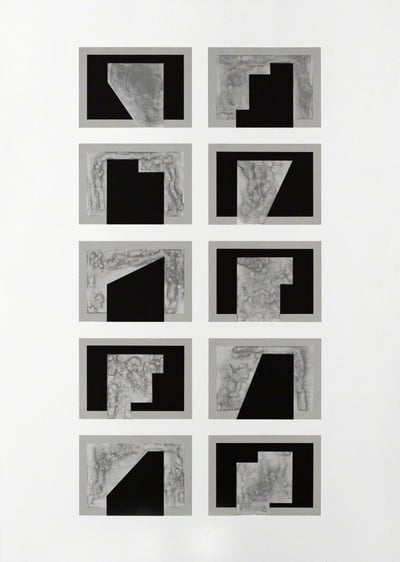
David Batchelor
Chromoscape 10-10, 2018
Limited Edition Print
Lithograph
EUR 1,200
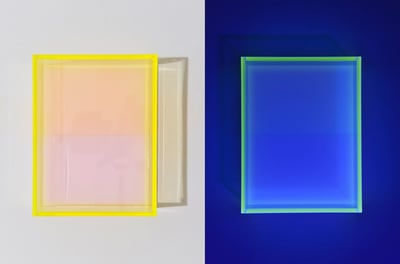
David Batchelor
Chromoscape Grey, 2018
Limited Edition Print
Lithograph
EUR 1,200
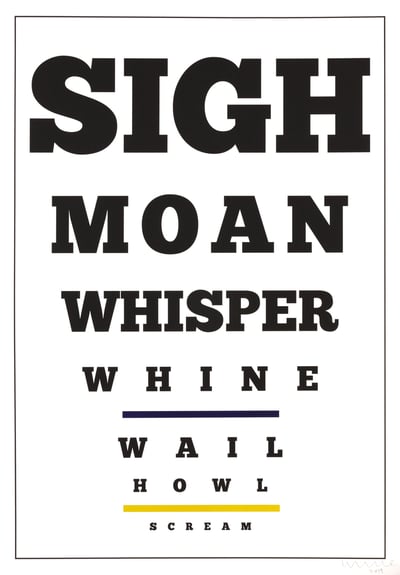
Regine Schumann
Colormirror Soft Yellow Gent, 2021
Sculpture / Object
Acrylic sculpture
EUR 4,000
Ivan Navarro
Carta Visual (Sign), 2019
Limited Edition Print
Lithograph
EUR 2,000
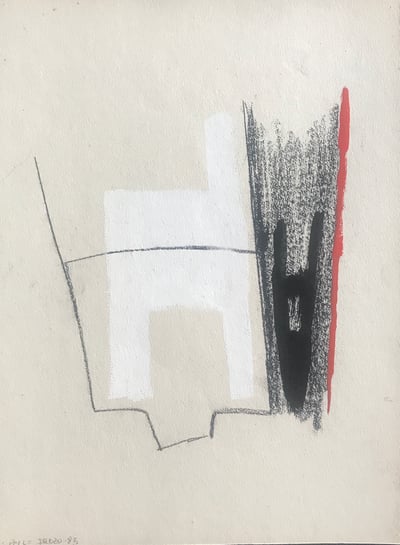
Pello Irazu
Untitled #4, 1985
Painting
Mixed Media
EUR 2,250

Pello Irazu
Untitled #3, 1985
Painting
Mixed Media
EUR 2,250
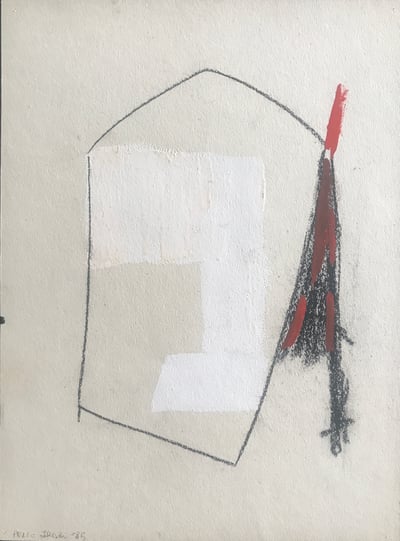
Pello Irazu
Untitled #2, 1985
Painting
Mixed Media
EUR 2,250

Pello Irazu
Untitled #1, 1985
Painting
Mixed Media
EUR 2,250
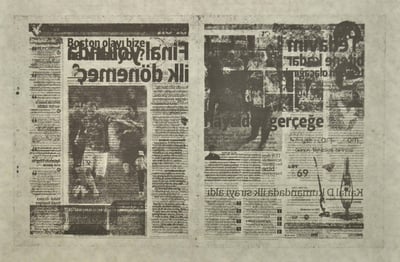
Jacob Kassay
Untitled 5/10 (Radikal), 2013
Limited Edition Print
Lithograph
EUR 5,500
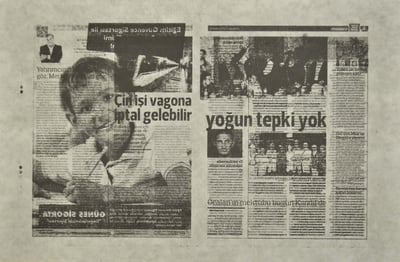
Jacob Kassay
Untitled 1/10 (Radikal), 2013
Limited Edition Print
Lithograph
EUR 5,500

Jacob Kassay
Untitled 9/10 (Radikal), 2013
Limited Edition Print
Lithograph
EUR 5,500
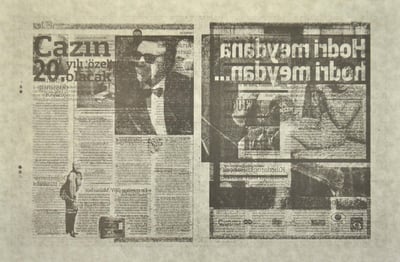
Jacob Kassay
Untitled 8/10 (Radikal), 2013
Limited Edition Print
Lithograph
EUR 5,500
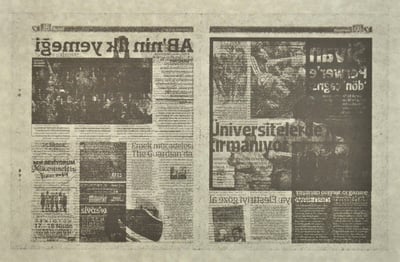
Jacob Kassay
Untitled 2/10 (Radikal), 2013
Limited Edition Print
Lithograph
EUR 5,500
Related Articles

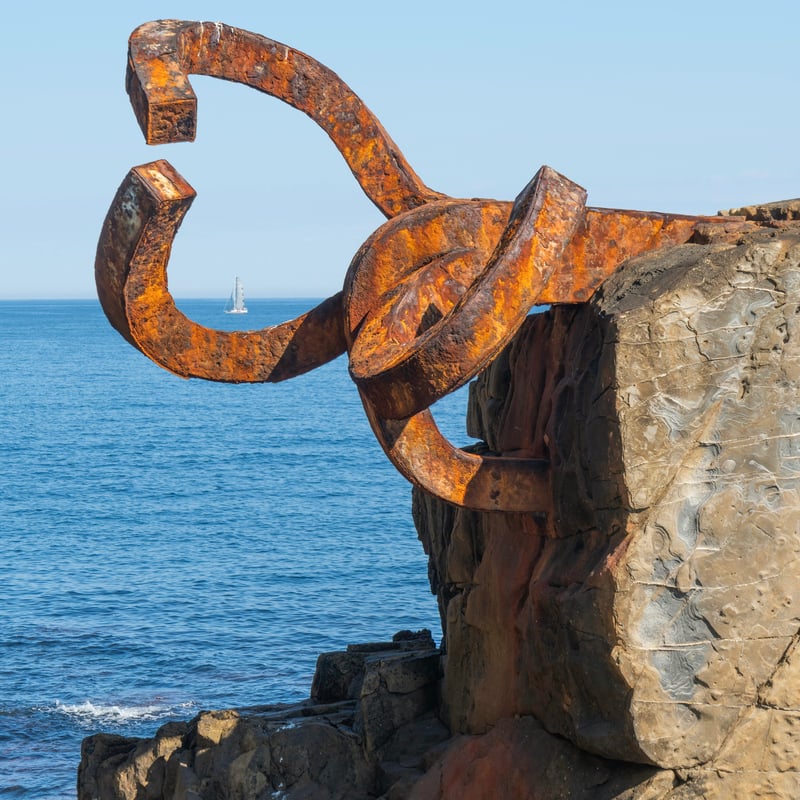


New Generation Sculpture was a movement started in the 1960s by a group of British artists. They experimented with unconventional forms, materials, and colors, creating sculptures that did not rely on traditional bases. Their work often featured plastic sheeting, fiberglass, and other industrial materials, which were fastened together and brightly painted.
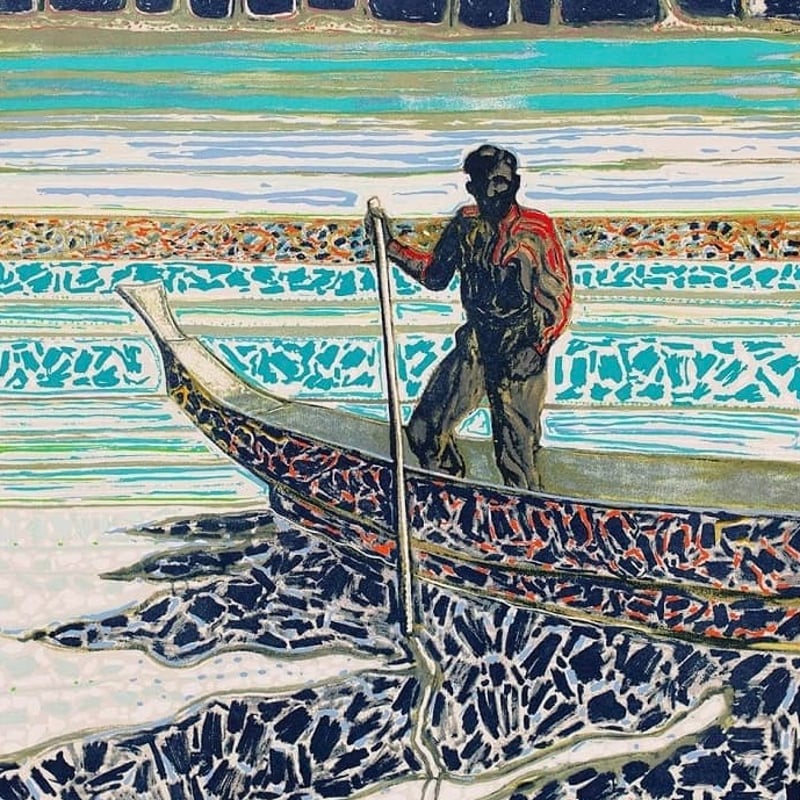
Stuckism is an art movement that promotes figurative painting over conceptual art. It was founded in 1999 by Charles Thomson and Billy Childish with an initial group of 13 artists in Britain. The movement has since expanded to 52 countries with 233 groups worldwide. Several manifestos, issued by Thomson and Childish, advocate for the spirit of modernism and the creation of spiritual art, regardless of medium, subject matter, or style. Stuckism emphasizes the importance of genuine expression and rejects the dominance of conceptual art in the contemporary art scene.

Queer Aesthetics refers to an art movement that emerged in the 1980s, focusing on themes of homosexuality, lesbianism, and broader issues of identity and gender. This movement gained momentum in the context of the AIDS crisis and the feminist movement, challenging traditional representations of sexuality and gender. Queer Aesthetics often explores the fluidity of gender and identity, as seen in the works of artists like Nan Goldin, who is known for her photography of individuals with ambiguous or non-conforming gender presentations.
Can't find your Answer?
Thank you! Your question has been sent — we'll get back to you shortly.
