What is minimalism?
- Show All
- Established
- Discoveries
- Show All
Artworks Related to Minimalism

Charles Hinman
Aventurine, 2014
Limited Edition Print
Silkscreen
Currently Not Available

Charles Hinman
Jasper, 2014
Limited Edition Print
Silkscreen
USD 3,090
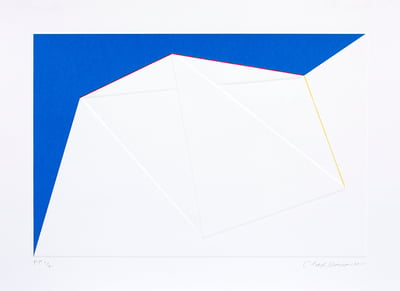
Charles Hinman
Lapis, 2014
Limited Edition Print
Silkscreen
USD 3,090

Charles Hinman
Amazonite, 2014
Limited Edition Print
Silkscreen
USD 3,090
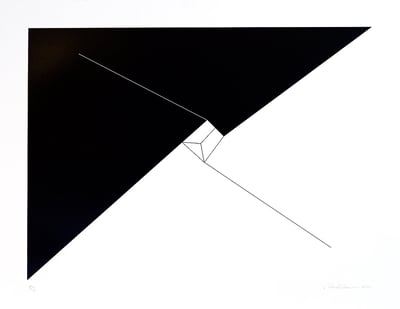
Charles Hinman
Oblique Fault, 2012
Limited Edition Print
Silkscreen
USD 3,670
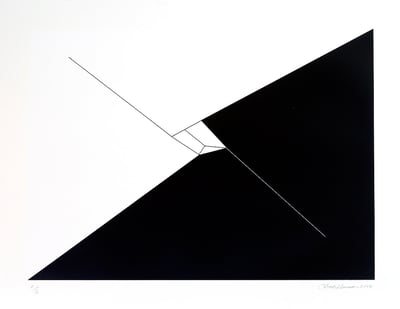
Charles Hinman
Echelon Fault, 2012
Limited Edition Print
Silkscreen
USD 3,670
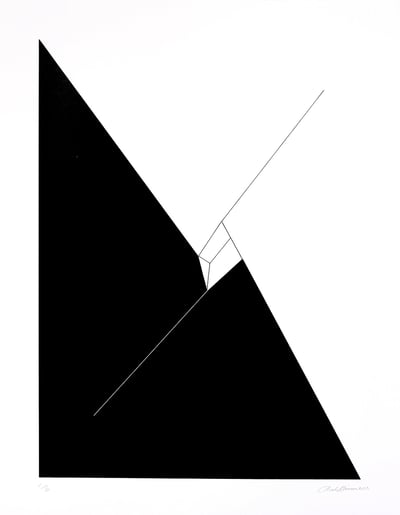
Charles Hinman
Acclivity, 2012
Limited Edition Print
Silkscreen
USD 3,670
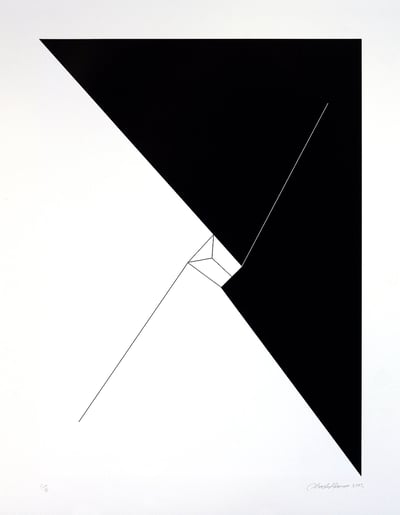
Charles Hinman
Declivity, 2012
Limited Edition Print
Silkscreen
USD 3,670
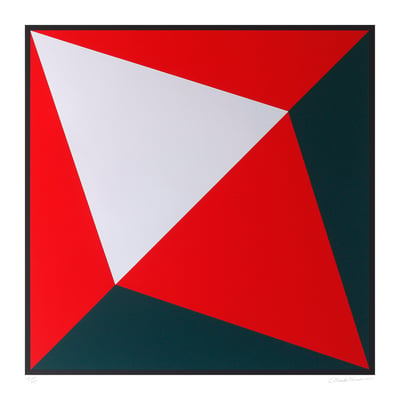
Charles Hinman
Lavender Triangle, 2012
Limited Edition Print
Silkscreen
USD 3,670
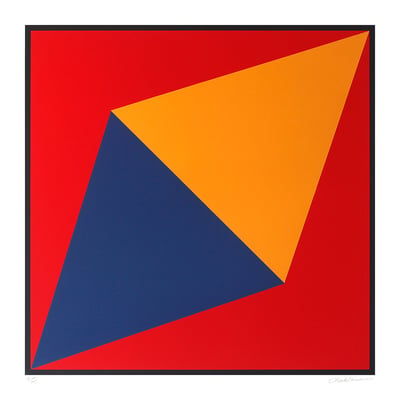
Charles Hinman
Orange Triangle, 2012
Limited Edition Print
Silkscreen
USD 3,670
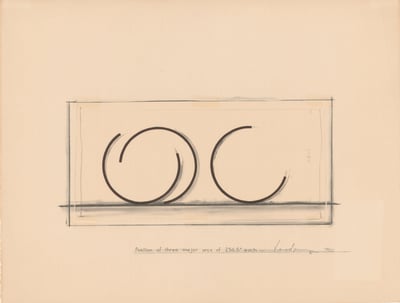
Bernar Venet
Position of three major arcs of 265.5° each, 1981
Limited Edition Print
Mixed Media
EUR 3,700
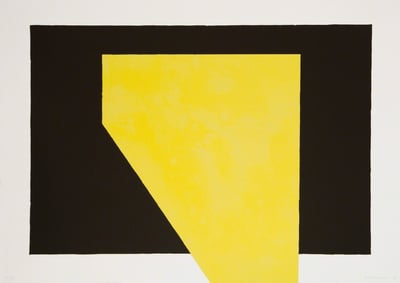
David Batchelor
Chromoscape 1-10, 2018
Limited Edition Print
Lithograph
EUR 1,200
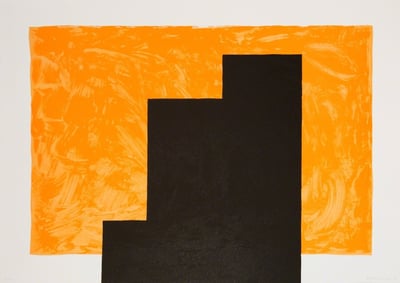
David Batchelor
Chromoscape 2-10, 2018
Limited Edition Print
Lithograph
EUR 1,200
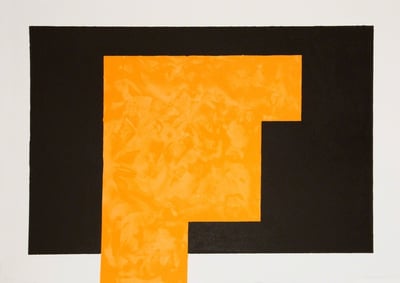
David Batchelor
Chromoscape 7-10, 2018
Limited Edition Print
Lithograph
EUR 1,200
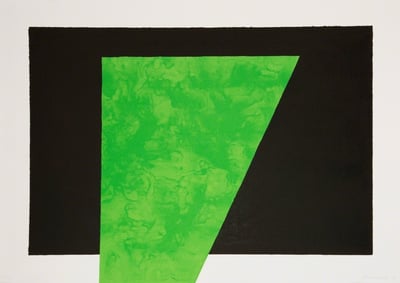
David Batchelor
Chromoscape 4-10, 2018
Limited Edition Print
Lithograph
EUR 1,200
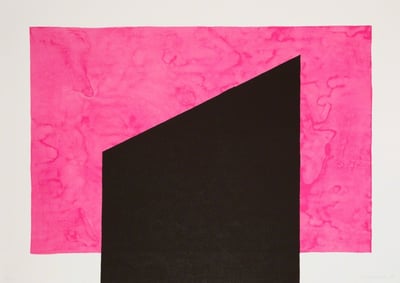
David Batchelor
Chromoscape 5-10, 2018
Limited Edition Print
Lithograph
EUR 1,200
Related Articles

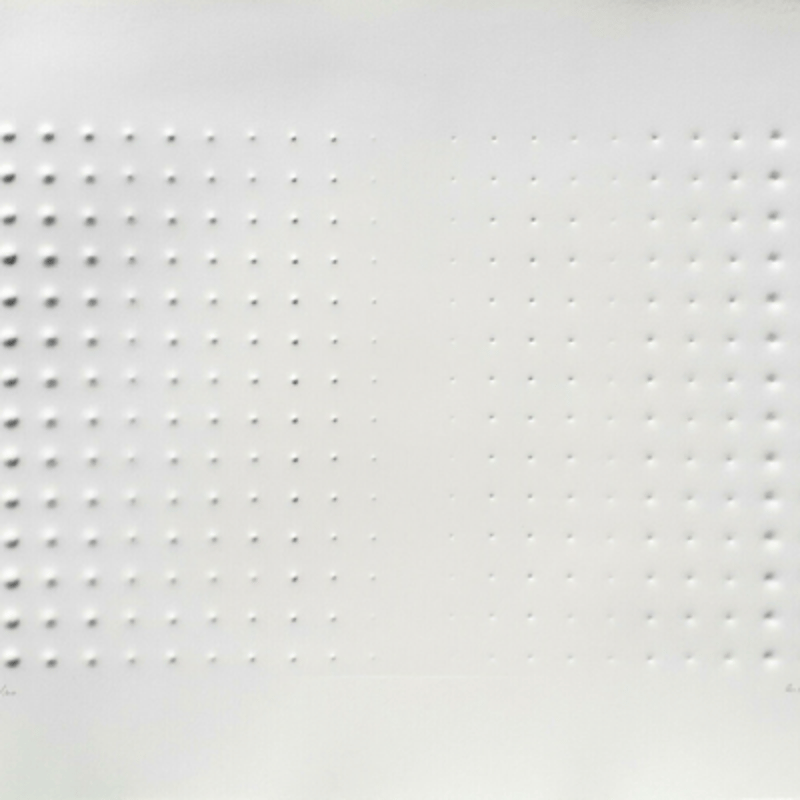
Relief printing is a printmaking process where the design to be printed is etched or cut into a surface, leaving only the raised areas to transfer ink. The non-printing areas are removed, so only the design is inked and printed. Common relief printing techniques include woodcut, linocut, and wood engraving.

Appropriation in art involves using pre-existing images or objects with little or no modification. This technique has played a significant role across various art forms, including visual arts, music, performance, and literature. In visual arts, appropriation refers to the practice of adopting, sampling, recycling, or borrowing elements—or even entire forms—of existing visual culture, integrating them into new works to create meaning or critique.

Tansaekhwa, also known as monochrome painting, is a movement in Korean art that began in the mid-1970s. These artworks are characterized by the manipulation of painting materials, such as pushing paint, soaking the canvas, ripping paper, or other techniques that alter the medium. Tansaekhwa emphasizes texture, materiality, and the physical process of creating the artwork.
Can't find your Answer?
Thank you! Your question has been sent — we'll get back to you shortly.
