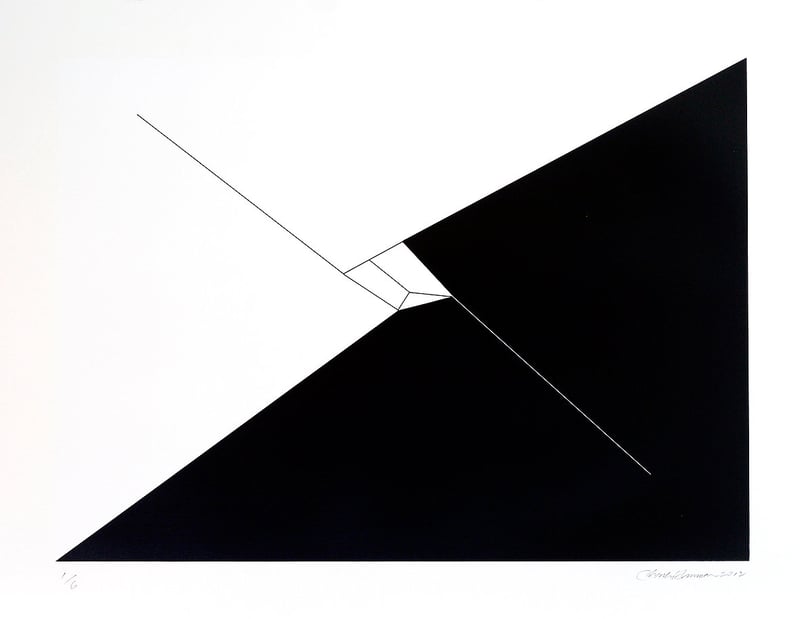
Echelon Fault, 2012
Form
Medium
Size
- Inches
- Centimeters
Edition
Price
- USD
- EUR
- GBP
- CHF
- Authenticity Guaranteed
- Insured Shipping
- Online Since 2005
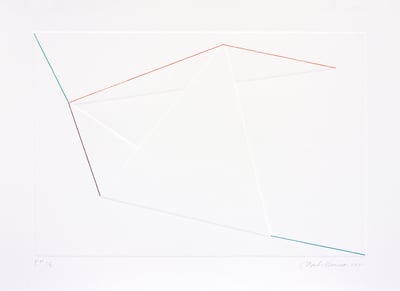
Charles Hinman
Malchite, 2014
Limited Edition Print
Silkscreen
USD 3,090

Charles Hinman
Aragonite, 2014
Limited Edition Print
Silkscreen
USD 3,090
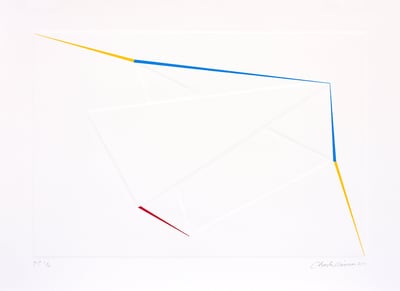
Charles Hinman
Citrine, 2014
Limited Edition Print
Silkscreen
USD 3,090
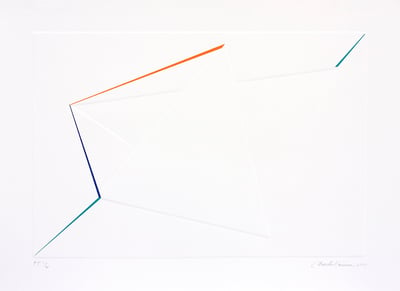
Charles Hinman
Carnelian, 2014
Limited Edition Print
Silkscreen
USD 3,090
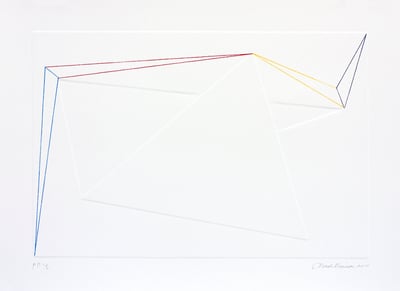
Charles Hinman
Agate, 2014
Limited Edition Print
Silkscreen
USD 3,090

Charles Hinman
Chrysoprase, 2014
Limited Edition Print
Silkscreen
USD 3,090

Charles Hinman
Jasper, 2014
Limited Edition Print
Silkscreen
USD 3,090
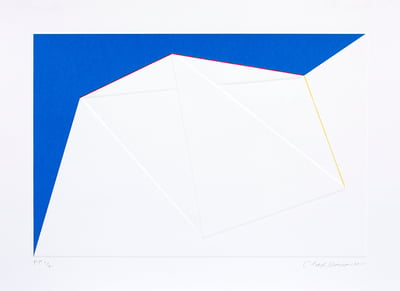
Charles Hinman
Lapis, 2014
Limited Edition Print
Silkscreen
USD 3,090

Charles Hinman
Amazonite, 2014
Limited Edition Print
Silkscreen
USD 3,090
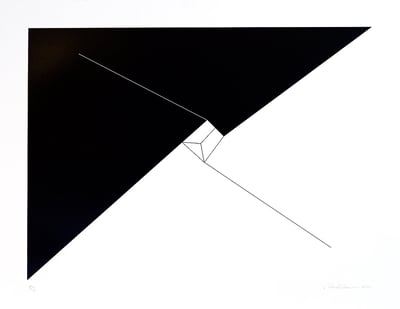
Charles Hinman
Oblique Fault, 2012
Limited Edition Print
Silkscreen
USD 3,670
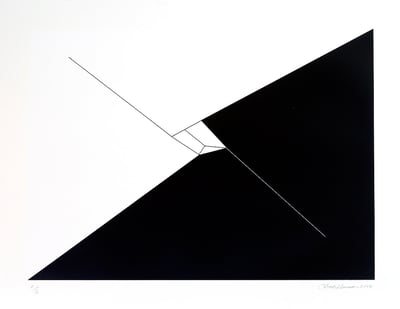
Charles Hinman
Echelon Fault, 2012
Limited Edition Print
Silkscreen
USD 3,670
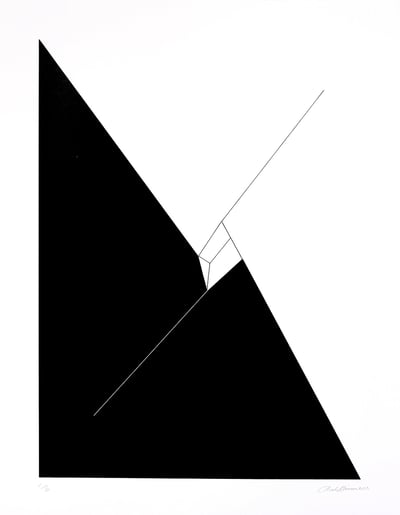
Charles Hinman
Acclivity, 2012
Limited Edition Print
Silkscreen
USD 3,670
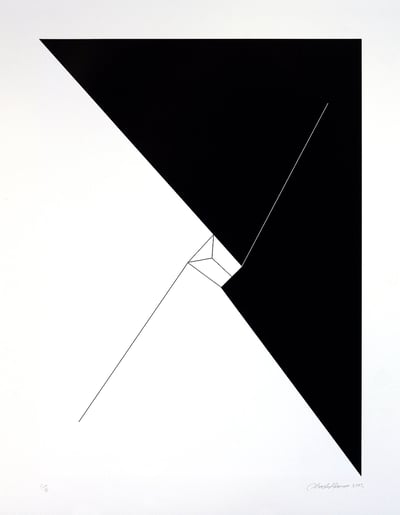
Charles Hinman
Declivity, 2012
Limited Edition Print
Silkscreen
USD 3,670
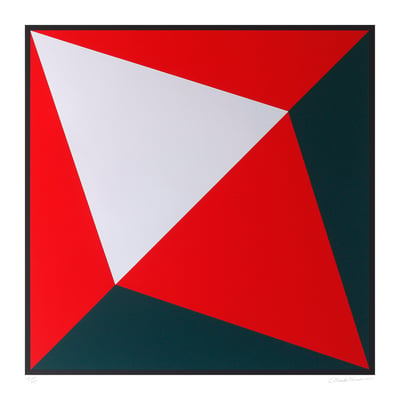
Charles Hinman
Lavender Triangle, 2012
Limited Edition Print
Silkscreen
USD 3,670
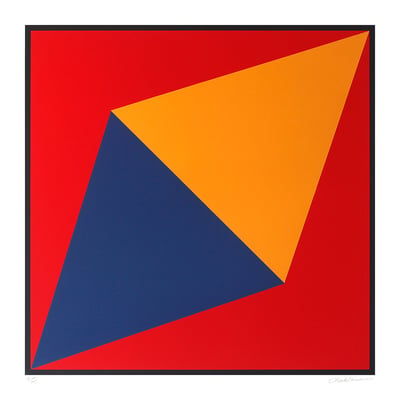
Charles Hinman
Orange Triangle, 2012
Limited Edition Print
Silkscreen
USD 3,670

Charles Hinman
Aventurine, 2014
Limited Edition Print
Silkscreen
Currently Not Available
Related Artists


Related Articles
Popular, Art Movements - May 5, 2022
Minimalism in the XX Century: Simple Gestures and Essential Ideas.
Explore Minimalism in the 20th century, from art to architecture. Discover its evolution, pioneers like Donald Judd, and its impact on modern creativity.Read More
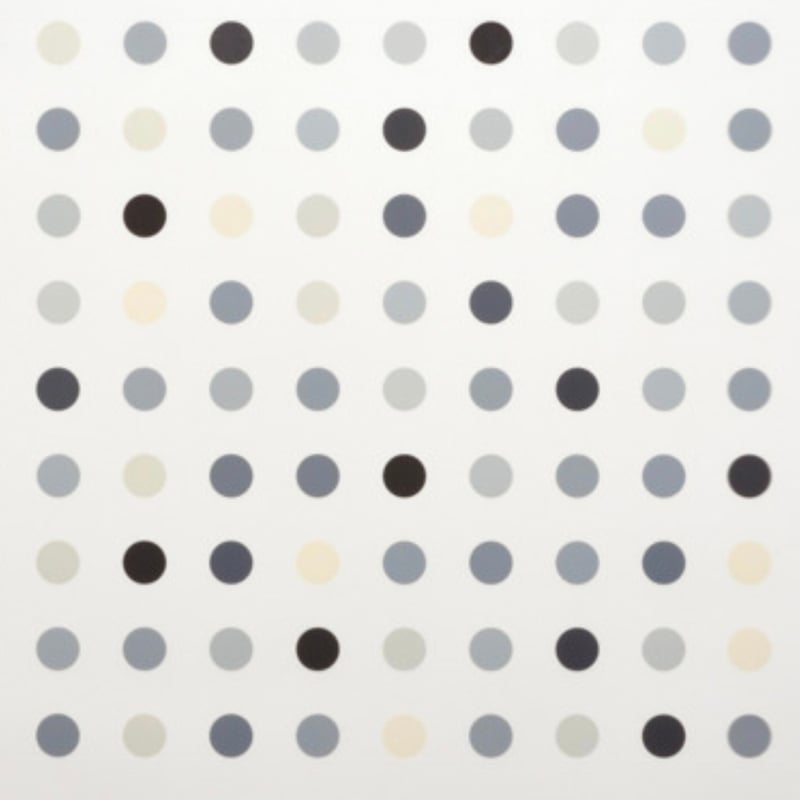
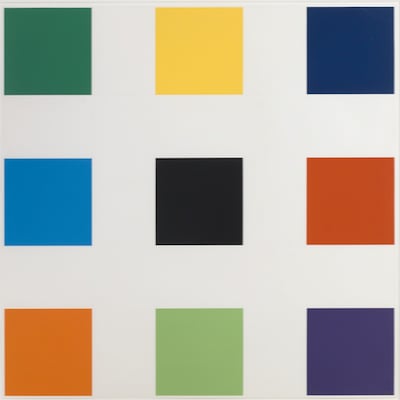
What is Hard Edge Art?
Hard Edge art is a style of abstract painting that became popular in the 1960s. It features areas of color separated by crisp, sharp edges that are painted with geometric precision. The term hard-edge painting was coined by art critic Jules Langsner to describe this approach, which contrasts with the softer, more fluid forms of other abstract styles.

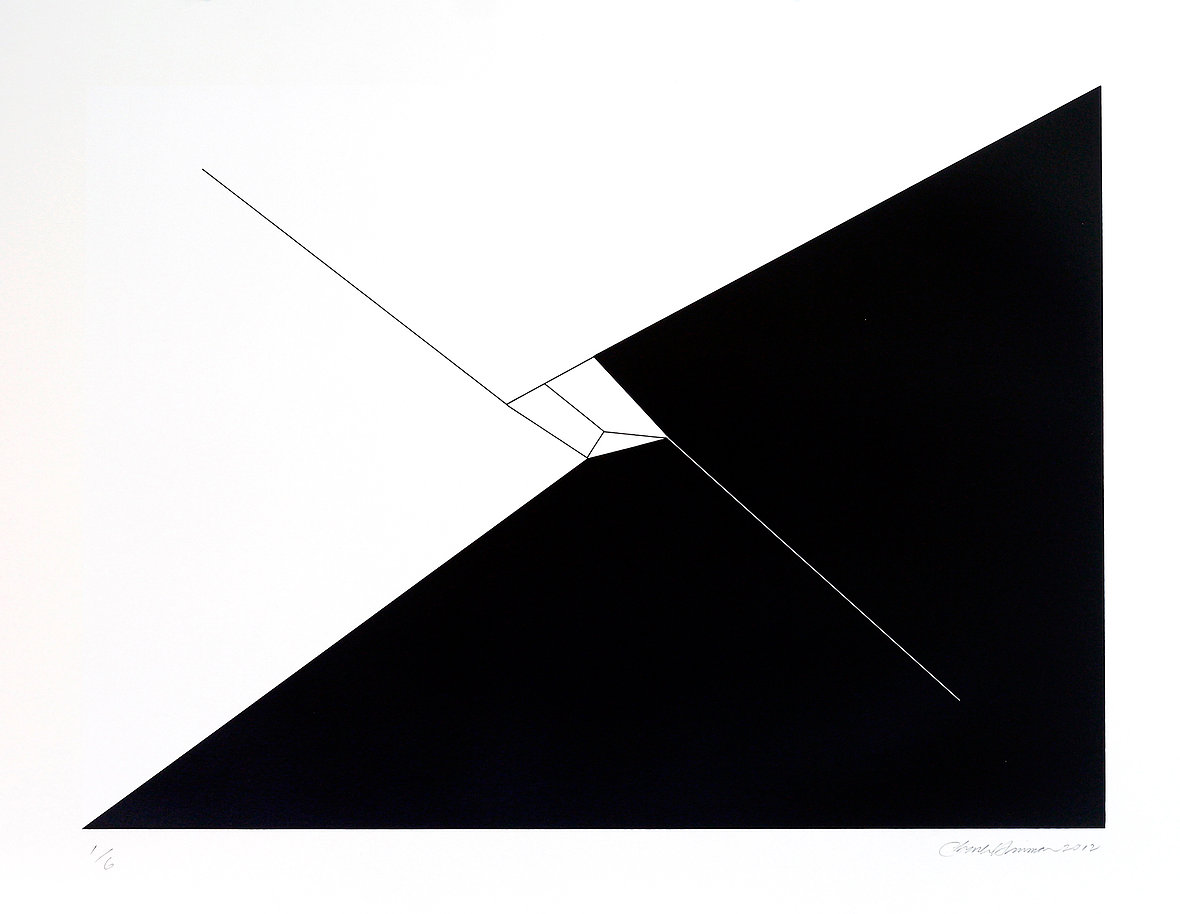
Charles Hinman
Echelon Fault, 2012
71.1 x 91.4 cm


