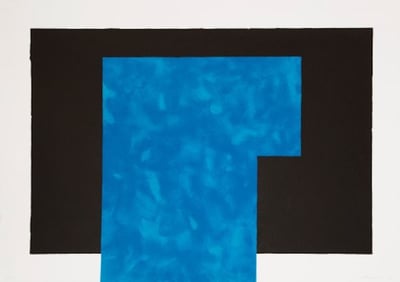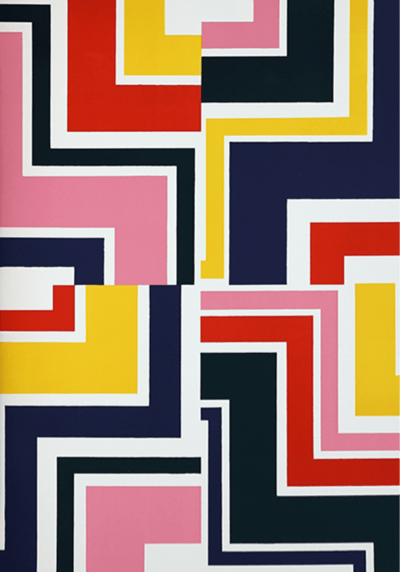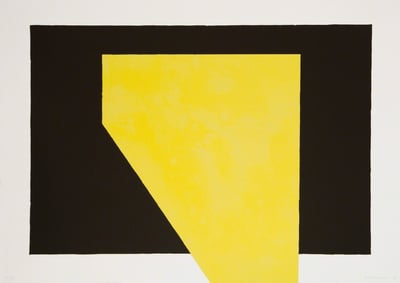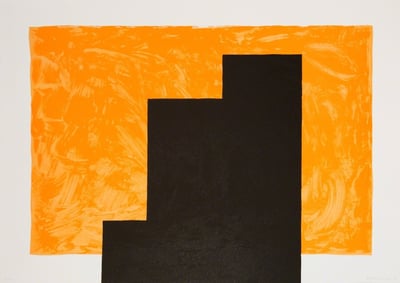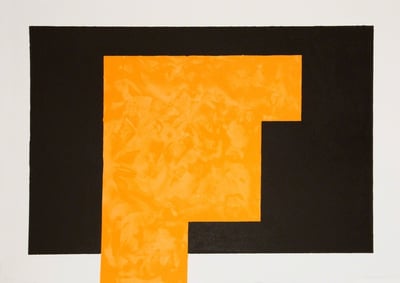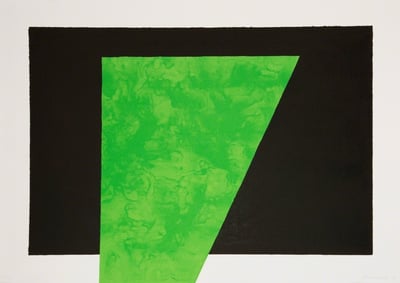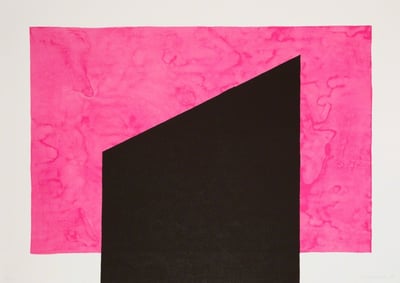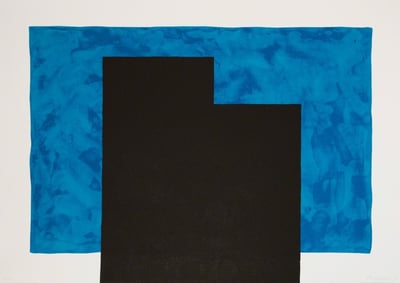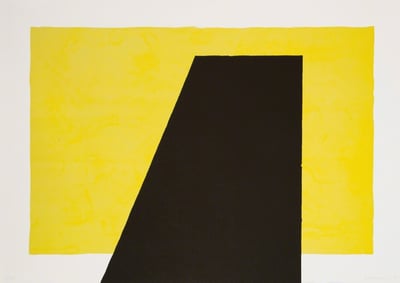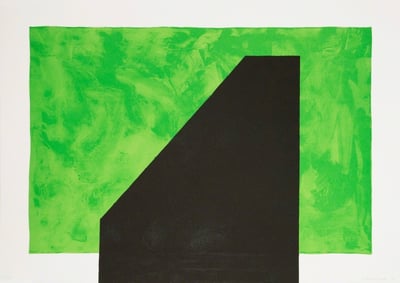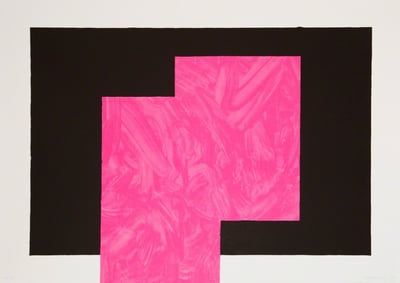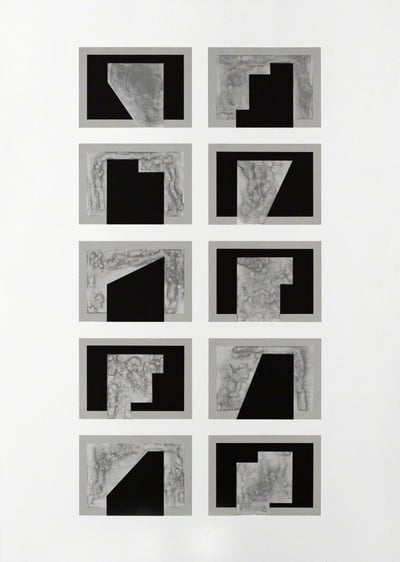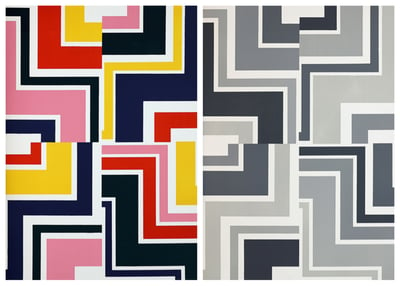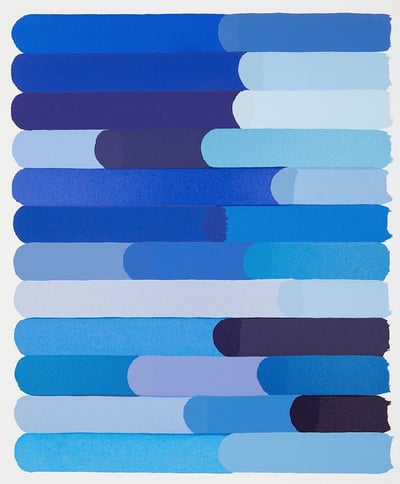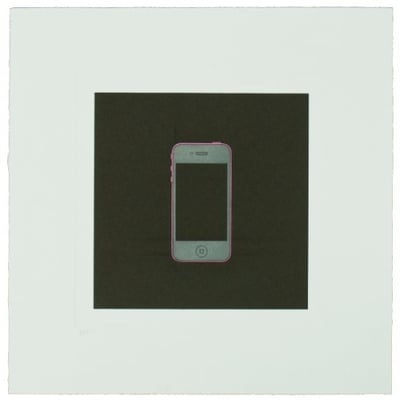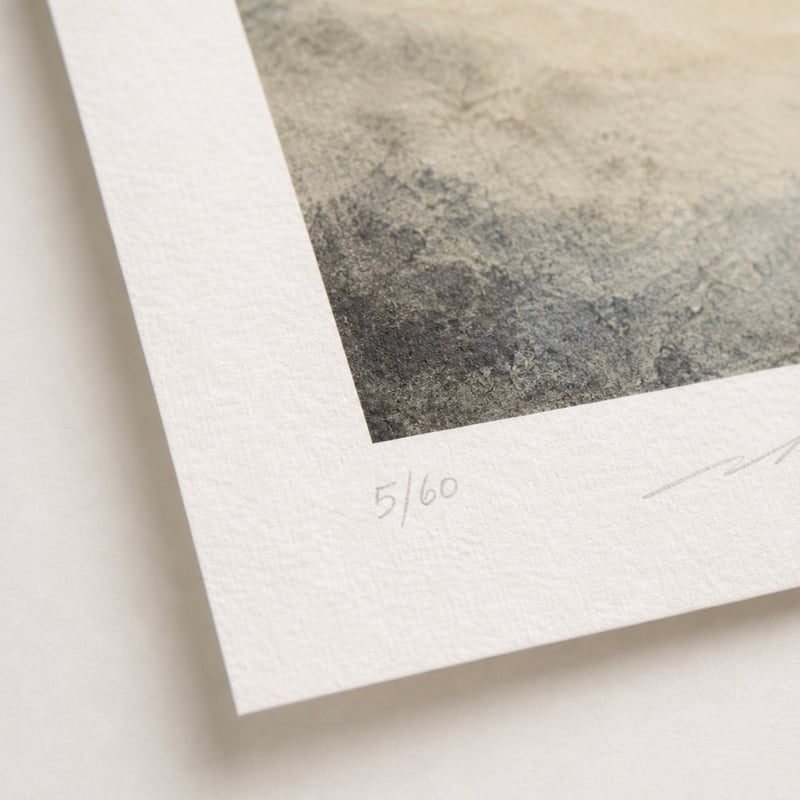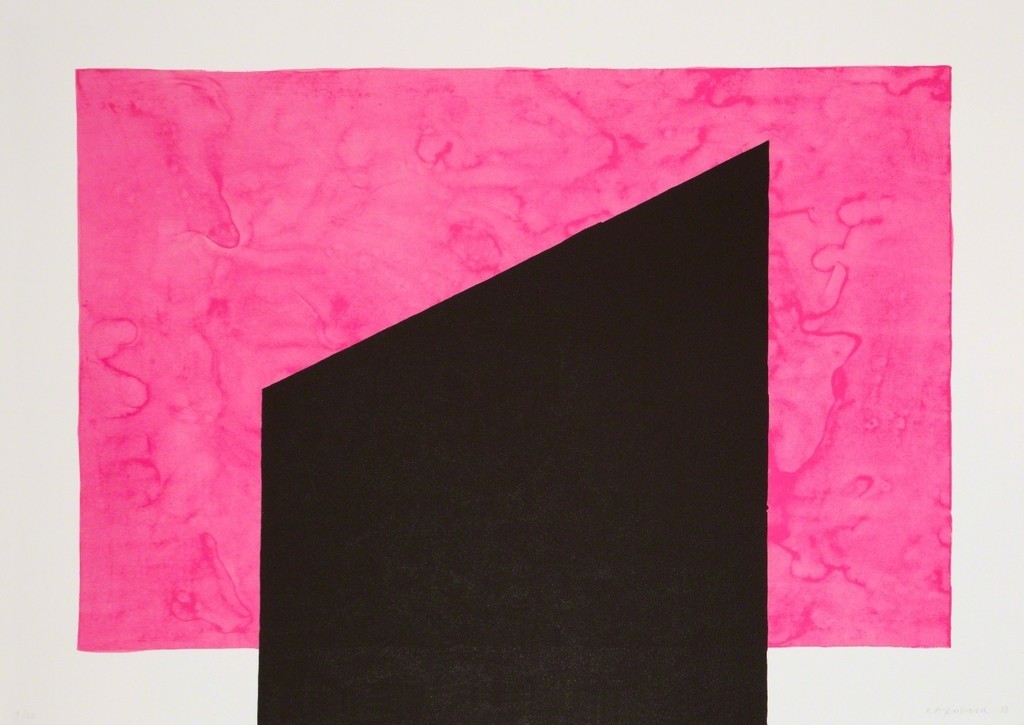
Chromoscape 5-10 by David Batchelor is a striking lithograph that combines bold color with geometric form. Created in 2018 as a limited edition print, this piece features a vibrant magenta background textured with subtle variations, juxtaposed with a large, solid black angular shape. The contrast between the vivid, almost fluorescent pink and the stark black form creates a dynamic interplay, embodying Batchelor’s exploration of color theory and minimalism. The artwork emphasizes the power of color and shape to evoke strong visual impact with simplicity, inviting the viewer to contemplate the relationship between space, form, and color.
David Batchelor (Scotland, 1955) is a Scottish artist and writer renowned for his vibrant explorations of color in urban environments. His work spans sculpture, installation, and photography, often utilizing found objects to create dynamic compositions. Batchelor's notable publications include 'Chromophobia' (2000), examining Western culture's aversion to color.
LithographLithography is a printing method based on the principle that water and oil do not mix. It can be used to print artwork or text onto paper or other suitable materials. Traditionally, an image was drawn with wax, fat, or oil onto a lithographic limestone surface or plate. Today, metal plates and other surfaces are also used in lithographic printing.
Size
Inches
Centimeters
50 X 70 cm
Edition
Edition of 20
Price
USD
EUR
GBP
CHF
1,200EUR
?
+ VAT/import Duties (if applicable)
Authenticity Guaranteed
Insured Shipping
Online Since 2005
Share
●Inventory 9515
●Signed
●Comes with gallery invoice and certificate
●Any questions?
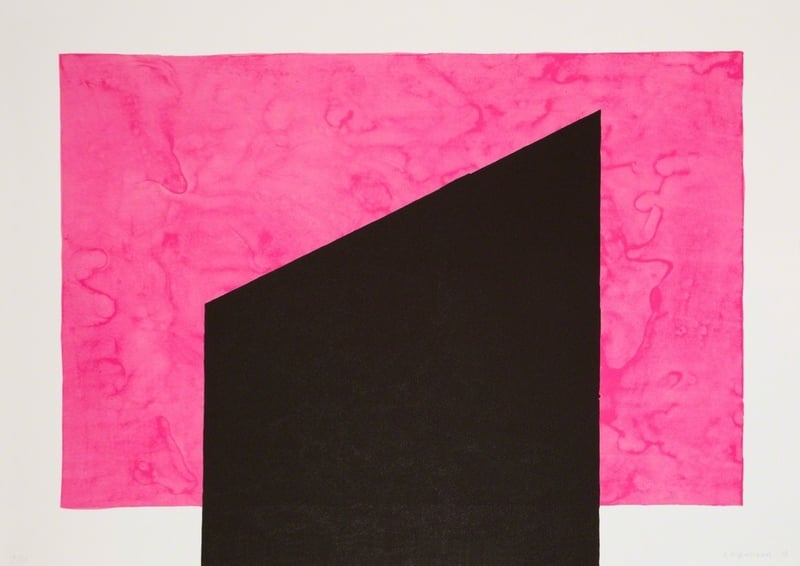
Chromoscape 5-10 by David Batchelor is a striking lithograph that combines bold color with geometric form. Created in 2018 as a limited edition print, this piece features a vibrant magenta background textured with subtle variations, juxtaposed with a large, solid black angular shape. The contrast between the vivid, almost fluorescent pink and the stark black form creates a dynamic interplay, embodying Batchelor’s exploration of color theory and minimalism. The artwork emphasizes the power of color and shape to evoke strong visual impact with simplicity, inviting the viewer to contemplate the relationship between space, form, and color.
David Batchelor (Scotland, 1955) is a Scottish artist and writer renowned for his vibrant explorations of color in urban environments. His work spans sculpture, installation, and photography, often utilizing found objects to create dynamic compositions. Batchelor's notable publications include 'Chromophobia' (2000), examining Western culture's aversion to color.
Chromophobia is perhaps only chromophilia without the colour.
- David Batchelor
David Batchelor is an innovative minimalist artist who takes staple objects of everyday society and combines them with industrial scraps and a range of colors, producing extravagant, thought-provoking pieces. By combing through common shops and markets throughout the world, he collects ordinary odds and ends that, with a touch of industrialism and vibrant paints, go towards the creation of riveting works of art meant to draw inspiration from both color and modern society.
A Fine Arts graduate of Nottingham Trent University in Nottingham, United Kingdom, Batchelor is an internationally recognized minimalist artist with both temporary and permanent displays in multiple countries. Examples of his work and artistic style include Waldella, a Scottish installation composed of plastic bottles and vibrant colored lights, and Ten Silhouettes in London, United Kingdom, composed of miscellaneous objects amplified by acrylic paints and colored lights. Above all, David Batchelor hopes to draw attention to the splendor of color, his works often featuring a wide variety of color applied to the recycled urban objects he finds in his pursuits.
Appropriation in art involves using pre-existing images or objects with little or no modification. This technique has played a significant role across various art forms, including visual arts, music, performance, and literature. In visual arts, appropriation refers to the practice of adopting, sampling, recycling, or borrowing elements—or even entire forms—of existing visual culture, integrating them into new works to create meaning or critique.