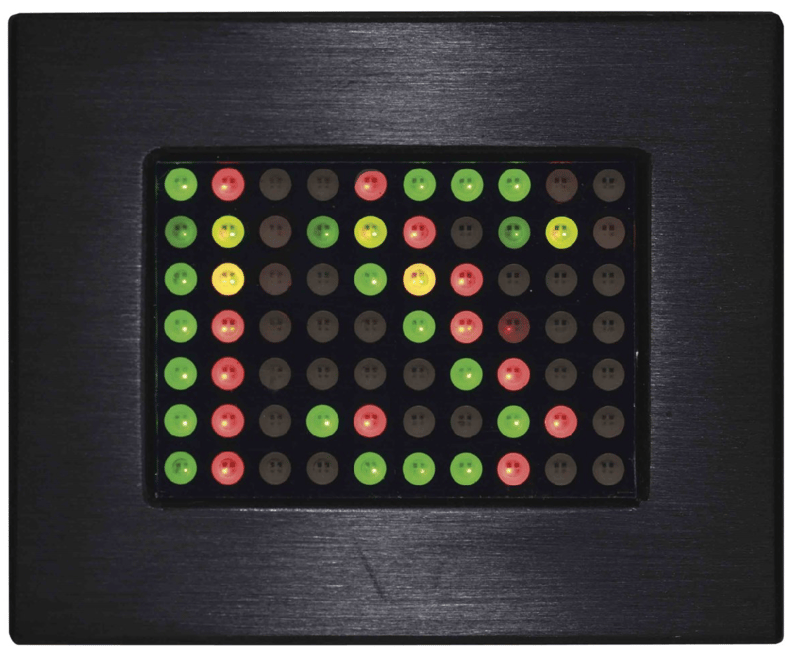
Truism 2, 1977-79
Form
Medium
Size
- Inches
- Centimeters
Edition
Price
- Authenticity Guaranteed
- Insured Shipping
- Online Since 2005
Jenny Holzer
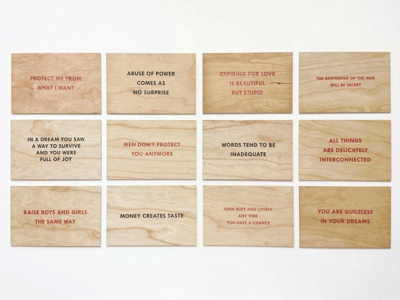
Truisms (set of 12), 2018
Limited Edition Print
Screen-print
GBP 2,700
Jenny Holzer
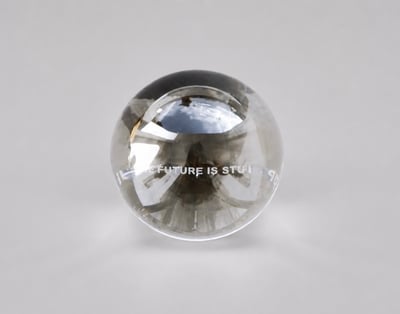
The future is stupid, 2000
Sculpture / Object
Mixed Media
EUR 1,400
Jenny Holzer
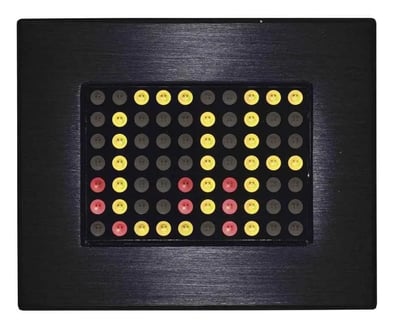
Inflammatory Essays 5, 1979-82
Sculpture / Object
Mixed Media
USD 5,000 – 7,000

Jenny Holzer
War, 1992
Sculpture / Object
Mixed Media
USD 5,000 – 7,000
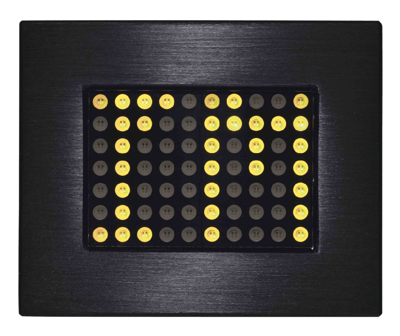
Jenny Holzer
Truism 4 (Mother & Child), 1990
Sculpture / Object
Mixed Media
USD 5,000 – 7,000

Jenny Holzer
Truism 2, 1977-79
Sculpture / Object
Mixed Media
USD 5,000 – 7,000

Jenny Holzer
Living 2, 1980-82
Sculpture / Object
Mixed Media
USD 5,000 – 7,000

Jenny Holzer
Olympian Sign, 1986
Sculpture / Object
Mixed Media
Currently Not Available
Related Artists

Related Articles
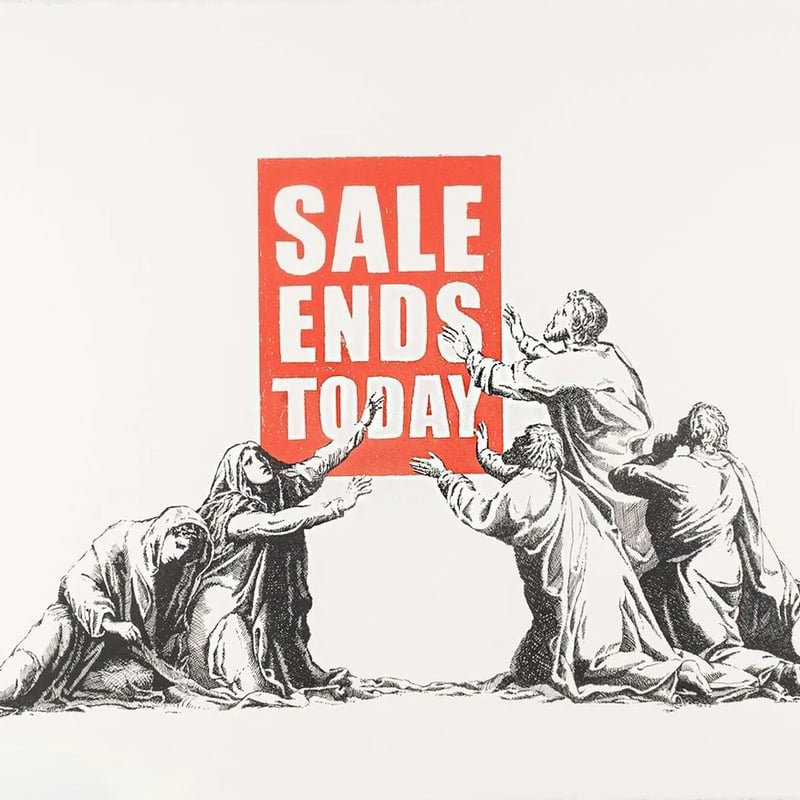
Art Movements - June 23, 2023
Graffiti Time Lines on Urban Murals: Uncovering a Street Art Makeover
Explore the evolution of graffiti and street art, from urban murals to mainstream galleries. Discover artists and works reshaping public spaces worldwide.Read More
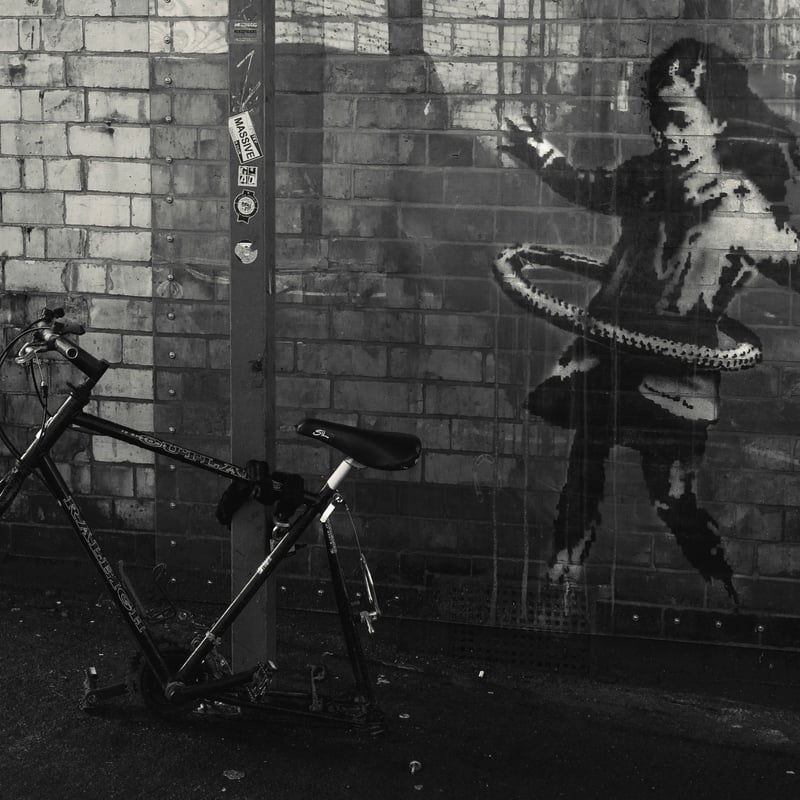
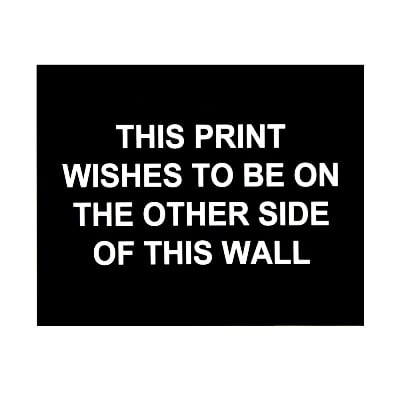
What is Lettrism?
Lettrism is an art form that uses letters, words, and symbols to create artwork. The movement was established in Paris in the 1940s and later gained popularity in the 1950s in America. Lettrisme is the French spelling of the movement's name, derived from the French word for letter.
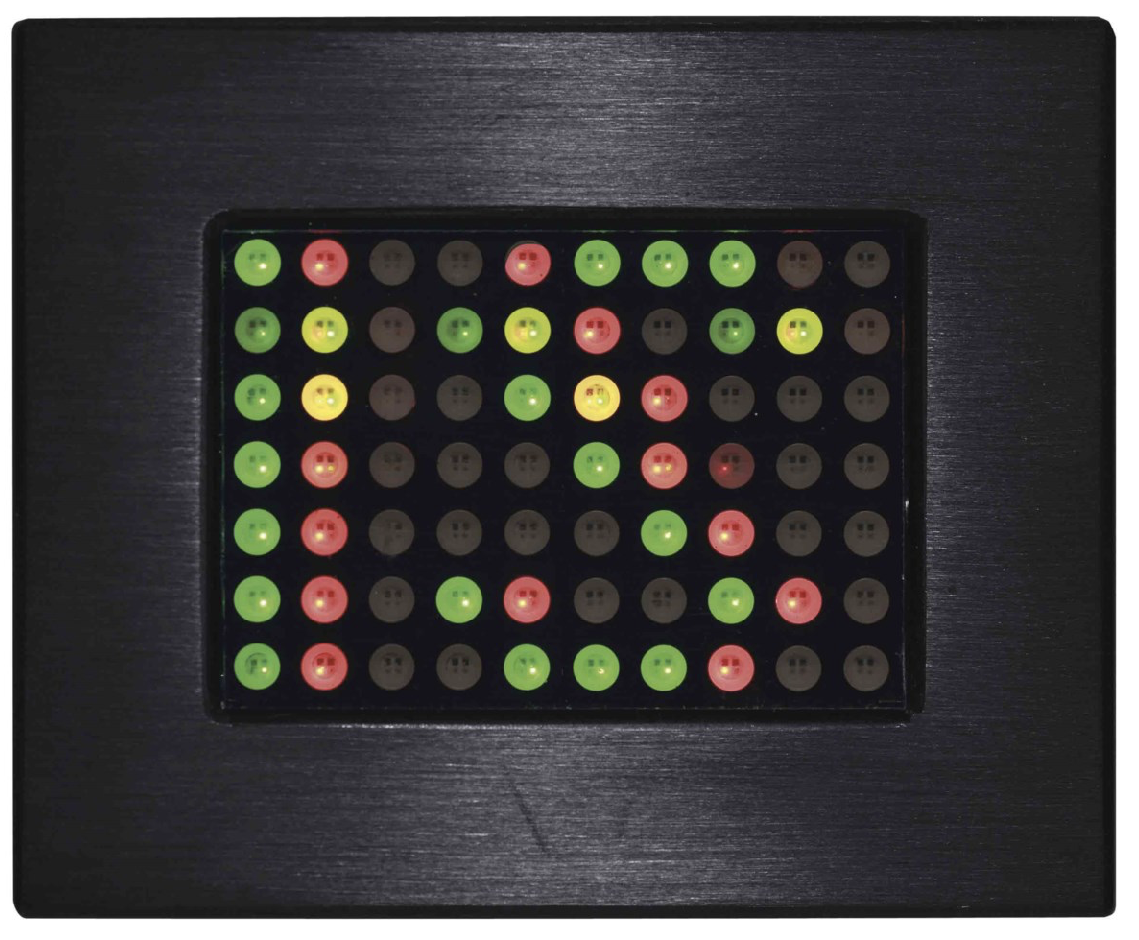
Jenny Holzer
Truism 2, 1977-79
10.2 x 12.1 x 3.8 cm


