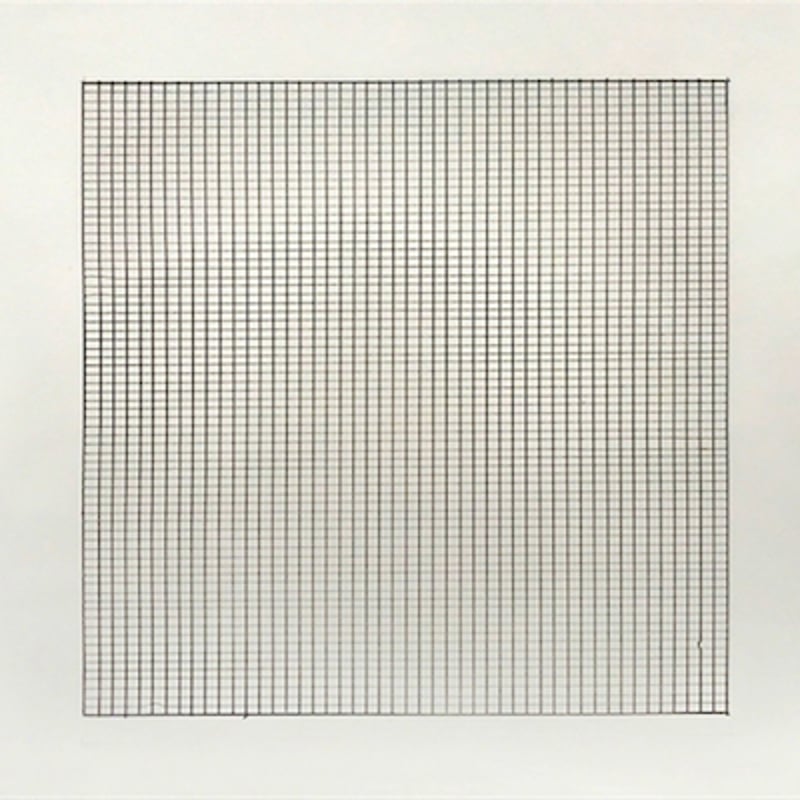
What is minimalism?
- Show All
- Established
- Discoveries
- Show All
Artworks Related to Minimalism
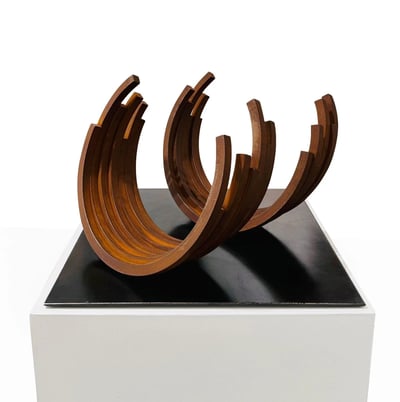
Bernar Venet
218.5 Arc x 13, 2007
Sculpture / Object
Metal
Currently Not Available
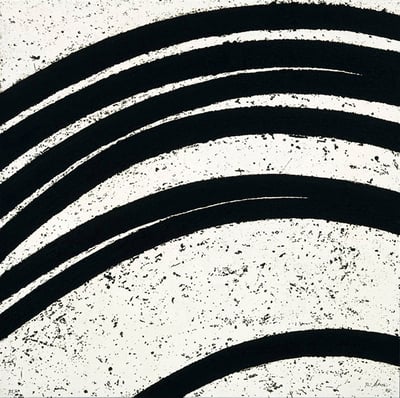
Richard Serra
Between the Torus and the Sphere III, 2006
Limited Edition Print
Etching
EUR 20,000 - 30,000
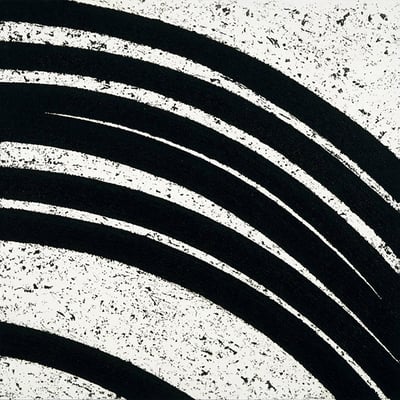
Richard Serra
Between the Torus and the Sphere IV, 2006
Limited Edition Print
Etching
EUR 20,000 - 30,000
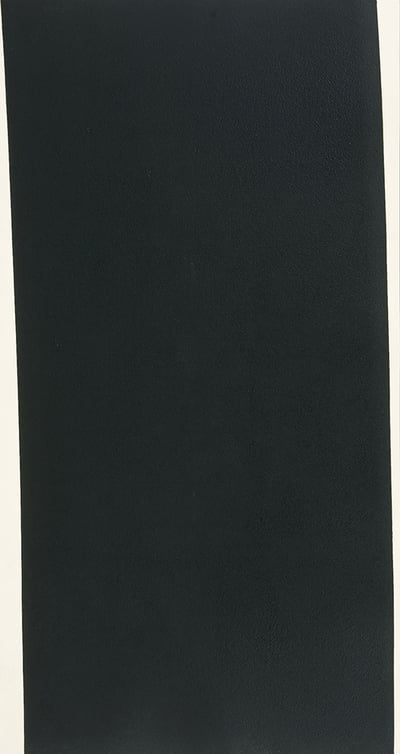
Richard Serra
Transversal #4, 2004
Limited Edition Print
Etching
EUR 35,000 - 50,000

Frank Stella
Moultonville, 1974
Limited Edition Print
Mixed Media
USD 7,625

Frank Stella
Noguchi's Okinawa Woodpecker, 1977
Limited Edition Print
Mixed Media
Inquire For Price

Frank Stella
Giuf à e la berretta rossa, 1989
Limited Edition Print
Mixed Media
USD 28,750

Frank Stella
Pergusa Three Double, 1984
Limited Edition Print
Mixed Media
USD 50,000 - 60,000
Frank Stella
Private Listing
Drawing / Watercolor
Frank Stella
Private Listing
Drawing / Watercolor
Frank Stella
Private Listing
Sculpture / Object

Frank Stella
Polar Co-ordinates VIII, from Polar Co-ordinates for Ronnie Peterson, 1980
Limited Edition Print
Mixed Media
Currently Not Available
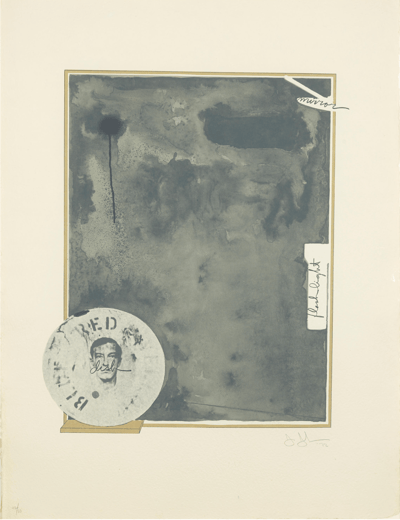
Jasper Johns
Souvenir I, 1972
Limited Edition Print
Lithograph
Inquire For Price

Jasper Johns
Zone, 1972
Limited Edition Print
Lithograph
Inquire For Price
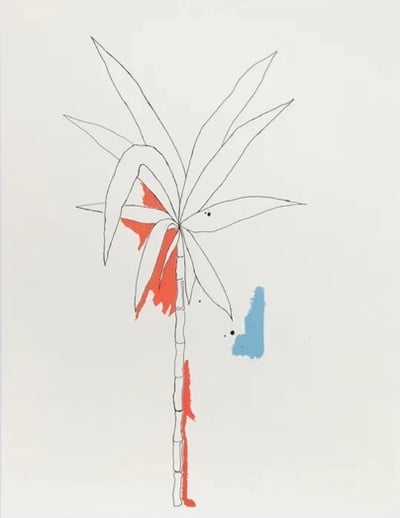
Harold Ancart
White Columns, 2023
Limited Edition Print
Silkscreen
Currently Not Available
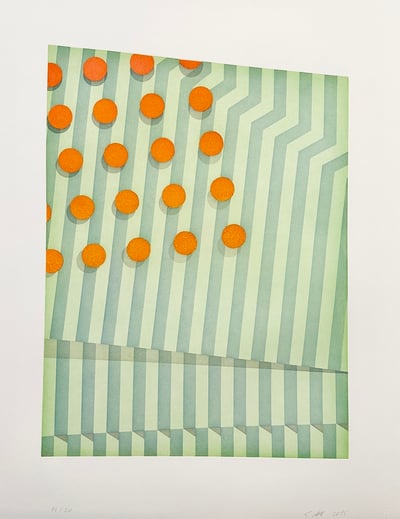
Tomma Abts
O.T., small circles, 2015
Limited Edition Print
Etching
EUR 4,900
Related Articles

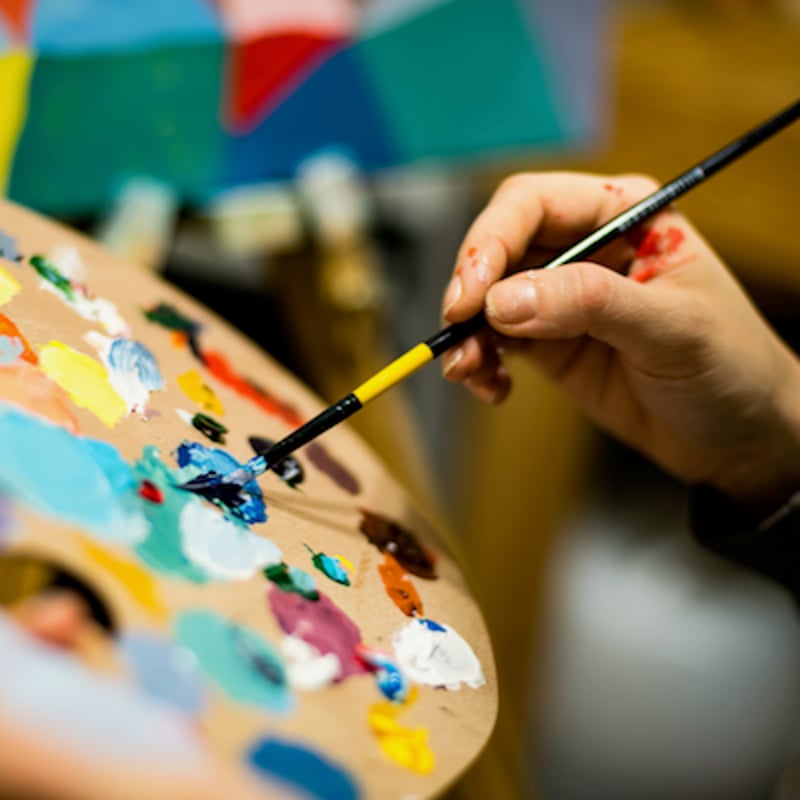
Acrylic paint is a fast-drying paint made from pigment suspended in an acrylic polymer emulsion. It is water-soluble when wet but becomes water-resistant once dry. Acrylic paints offer unique characteristics that are not easily achieved with other media, allowing for effects similar to both oil and watercolor paintings while providing their own distinct qualities.

Process Art is an artistic movement and creative approach where the focus is on the act of creation rather than the final product. The term process in this context refers to the various stages of art-making, including gathering, sorting, associating, and organizing materials and actions. This movement emphasizes the artistic journey and the human expression involved in creating art, rather than the finished piece itself. Process Art is driven by inherent motivation, intentionality, and the rationale behind the actions, viewing the creative process as the true artwork.

Oil on board is a painting technique where oil paint is applied to either wood panels that have been sanded and primed or high-density cardboard covered with canvas. These surfaces offer the advantage of being more compact for storage compared to traditional stretched canvas on frames, while still providing a stable surface for painting.
Can't find your Answer?
Thank you! Your question has been sent — we'll get back to you shortly.
