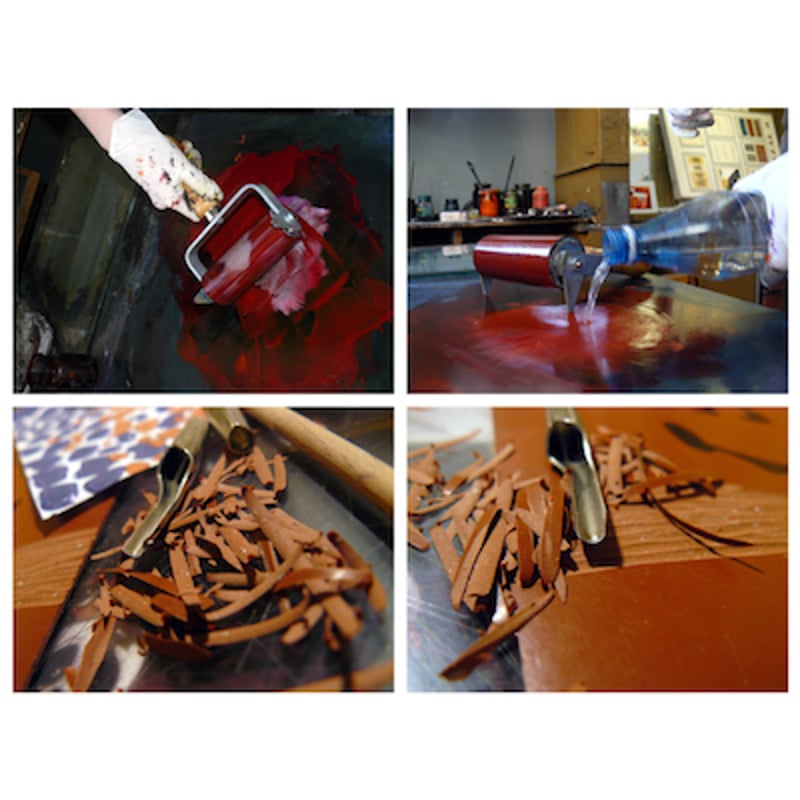
What is a linocut?
- Show All
- Established
- Discoveries
- Show All
Artworks Related to Linocut
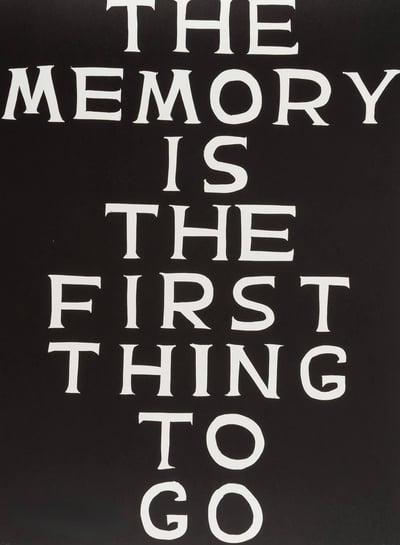
David Shrigley
Linocut (The Memory Is The First Thing To Go), 2022
Limited Edition Print
Linocut
GBP 1,600

Jorg Immendorf
Söhne der Sonne I, 1997/2003
Limited Edition Print
Linocut
EUR 2,100

Jorg Immendorf
Söhne der Sonne II, 1997/2003
Limited Edition Print
Linocut
EUR 2,100

Jorg Immendorf
Ständchen für B und D, 1991/2003
Limited Edition Print
Linocut
Currently Not Available
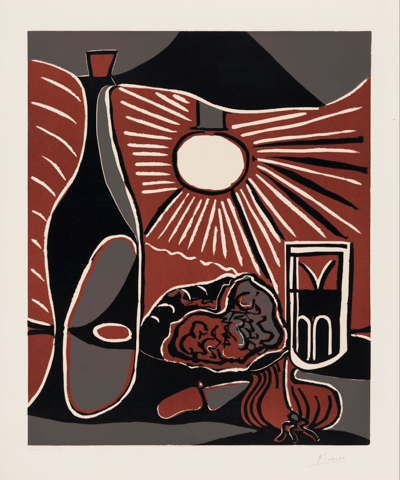
Pablo Picasso
Still Life of Light Meal 1, 1962
Limited Edition Print
Linocut
Inquire For Price
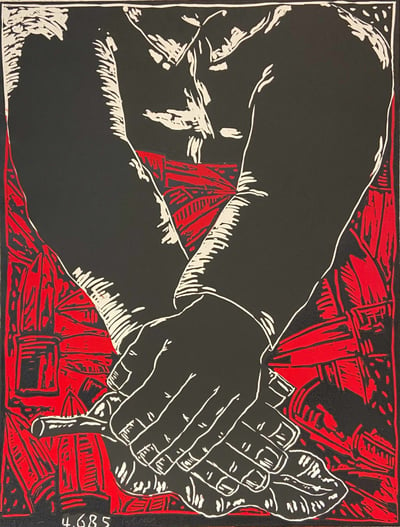
Jean-Charles Blais
Suite Nipon Pour CB, 1985
Limited Edition Print
Linocut
EUR 2,200
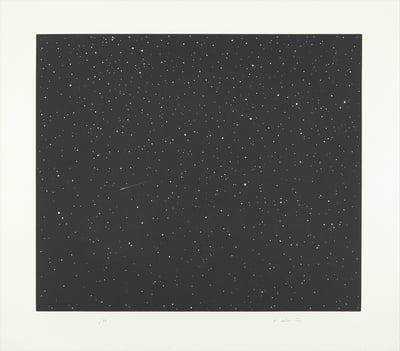
Vija Celmins
Comet, 1992
Limited Edition Print
Linocut
USD 32,500
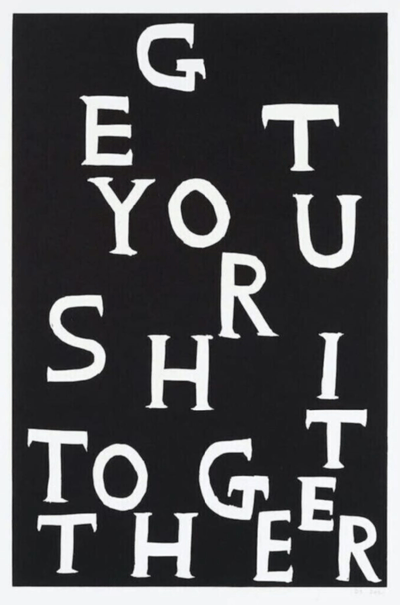
David Shrigley
Get Your Shit Together, 2021
Limited Edition Print
Linocut
USD 8,000 - 10,000
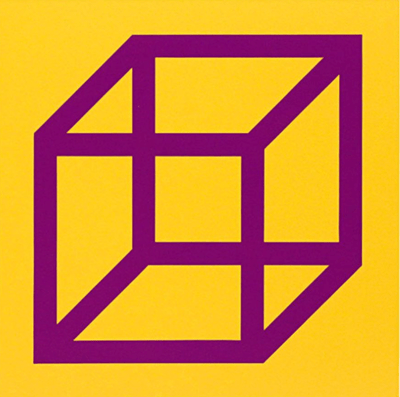
Sol LeWitt
Cubes in Color on Color (Yellow/Purple), 2003
Limited Edition Print
Linocut
Currently Not Available
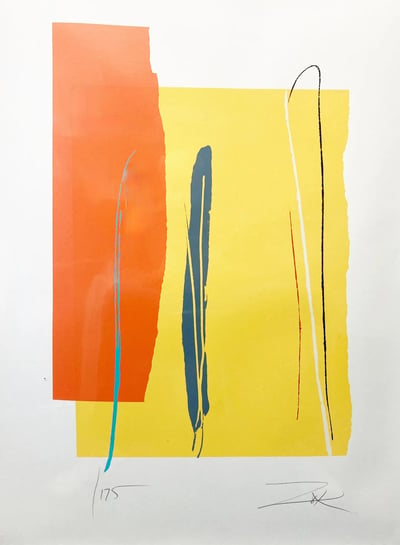
Larry Zox
Untitled 3 from Niagara Series, 1980
Limited Edition Print
Linocut
USD 850
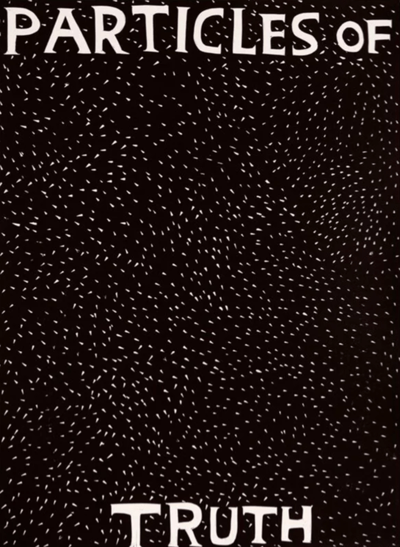
David Shrigley
Particles of Truth, 2019
Limited Edition Print
Linocut
USD 3,000
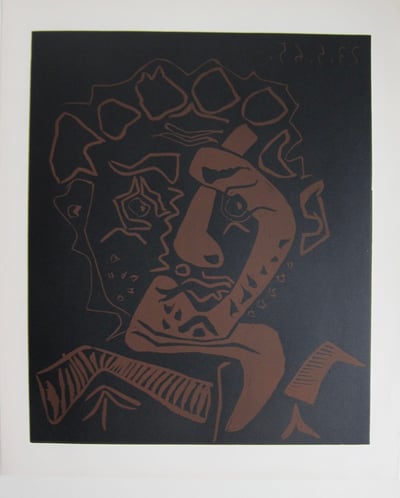
Pablo Picasso
Tête d'Histrion (Le Danseur), 1965
Limited Edition Print
Linocut
Currently Not Available
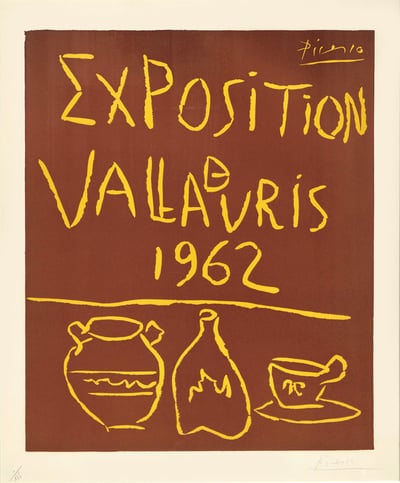
Pablo Picasso
Exposition Vallauris, 1962
Limited Edition Print
Linocut
Currently Not Available
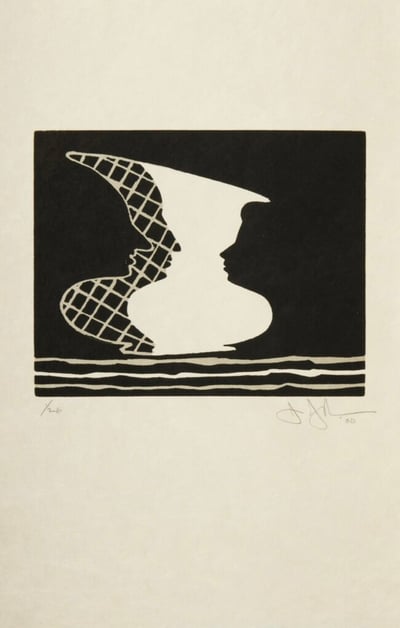
Jasper Johns
Sun on Six, 2000
Limited Edition Print
Linocut
Inquire For Price
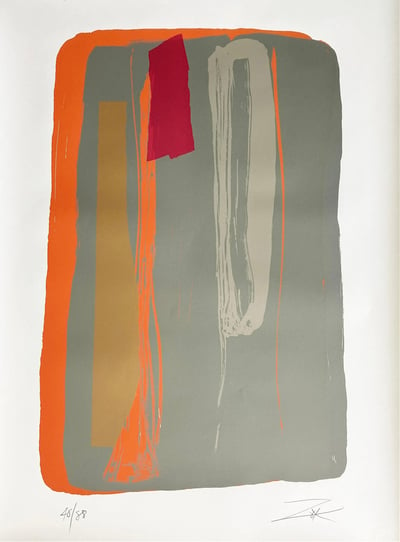
Larry Zox
Untitled 2 from Niagara Series, 1980
Limited Edition Print
Linocut
USD 850
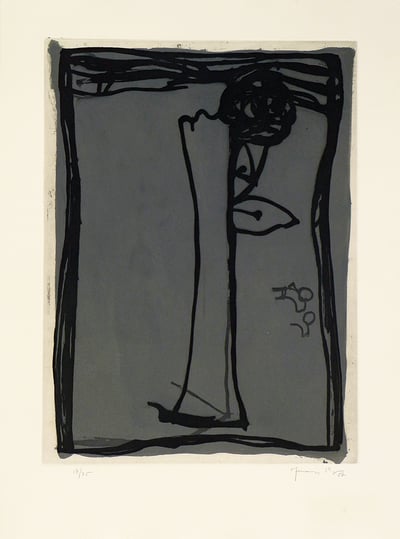
Joan Hernandez Pijuan
Jarro con rosa, 1987
Limited Edition Print
Linocut
EUR 1,950
Related Articles
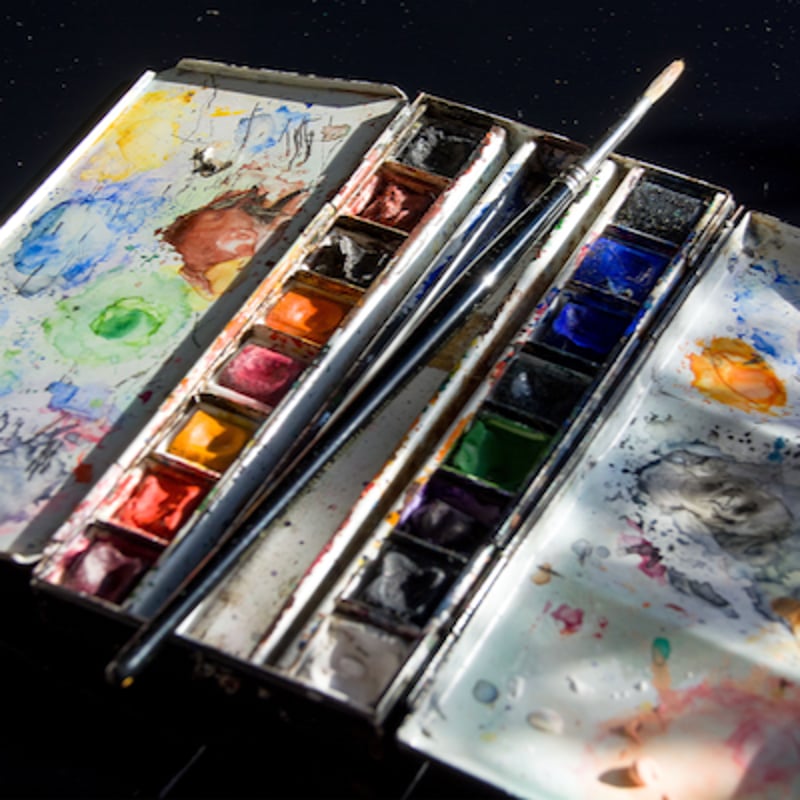
Watercolor refers to both the medium and the resulting artwork created using pigments suspended in a water-soluble vehicle. Watercolors are known for their luminous, transparent appearance because the pigments are applied in pure form with minimal fillers. By adding Chinese white, the watercolor can become opaque, resembling gouache.

Process Art is an artistic movement and creative approach where the focus is on the act of creation rather than the final product. The term process in this context refers to the various stages of art-making, including gathering, sorting, associating, and organizing materials and actions. This movement emphasizes the artistic journey and the human expression involved in creating art, rather than the finished piece itself. Process Art is driven by inherent motivation, intentionality, and the rationale behind the actions, viewing the creative process as the true artwork.
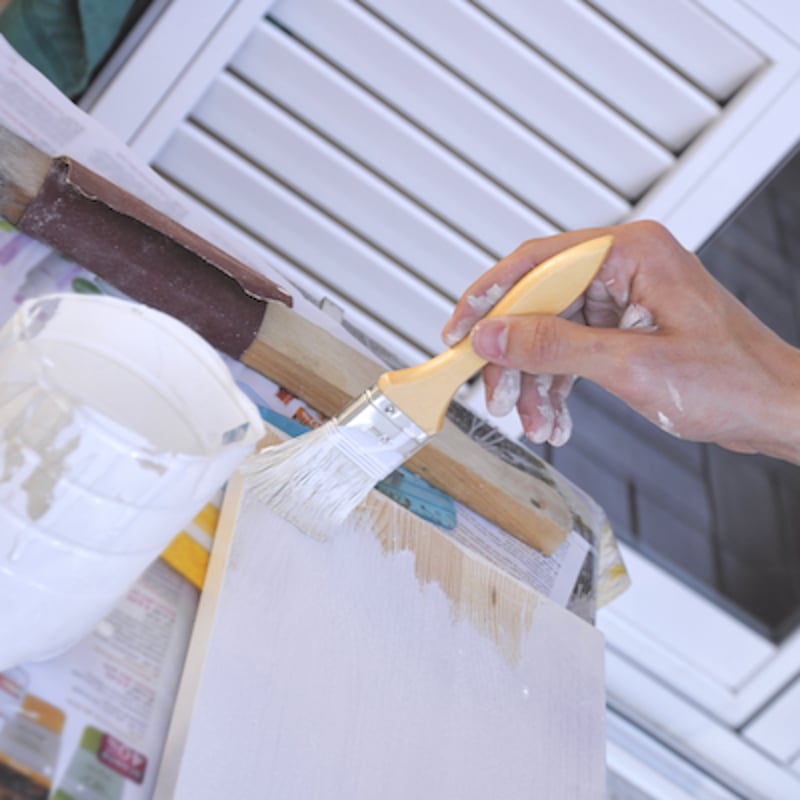
Bricolage is the creation or construction of a piece of art using materials that are readily available to the artist. The term is French and roughly translates to do-it-yourself. This approach became popular when materials were scarce, encouraging artists to improvise and repurpose everyday objects. Bricolage emphasizes creativity and resourcefulness, often resulting in artworks that reflect the unique character of the materials used.
Can't find your Answer?
Thank you! Your question has been sent — we'll get back to you shortly.
