What is minimalism?
- Show All
- Established
- Discoveries
- Show All
Artworks Related to Minimalism
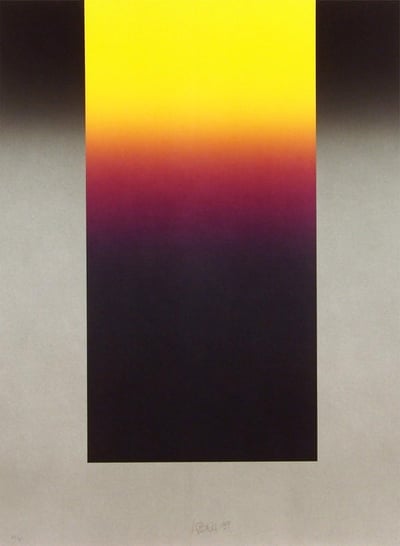
Larry Bell
Barcelona #10, 1988
Limited Edition Print
Lithograph
Currently Not Available
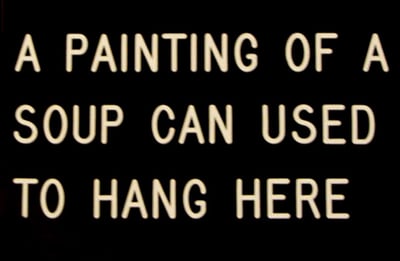
William Anastasi
A Painting of a Soup Can, 1990
Limited Edition Print
Silkscreen
USD 2,400
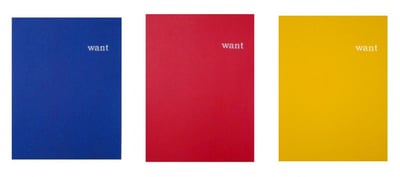
William Anastasi
The Want Portfolio (3), 1990
Limited Edition Print
Silkscreen
USD 7,800
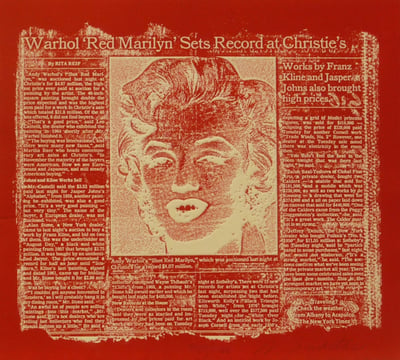
William Anastasi
Red Marilyn, 1990
Limited Edition Print
Etching
USD 3,800

Rachel Whiteread
Mike and the Modelmakers, 2008
Sculpture / Object
Object
EUR 1,300
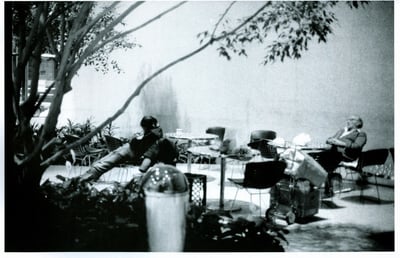
Dan Graham
Park Avenue Atrium, 1997
Photography
Photograph
Currently Not Available
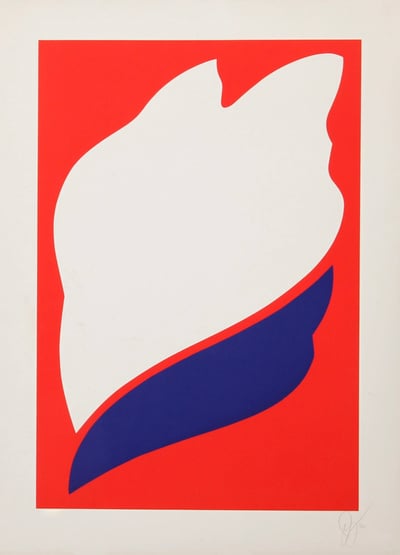
Jack Youngerman
Peace, 1973
Limited Edition Print
Silkscreen
EUR 1,700
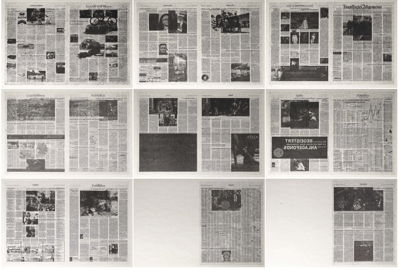
Jacob Kassay
Frankfurter Allgemeine, 2014
Limited Edition Print
Lithograph
EUR 45,000
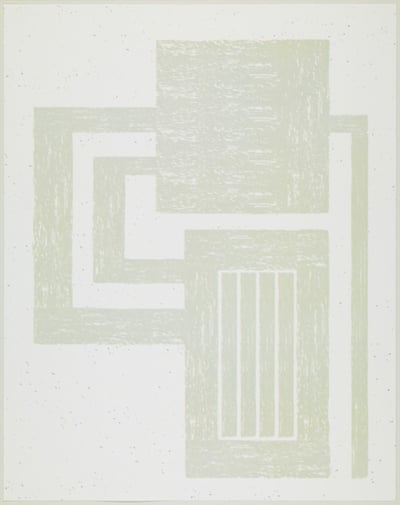
Peter Halley
Stack, 2015
Limited Edition Print
Mixed Media
EUR 3,500
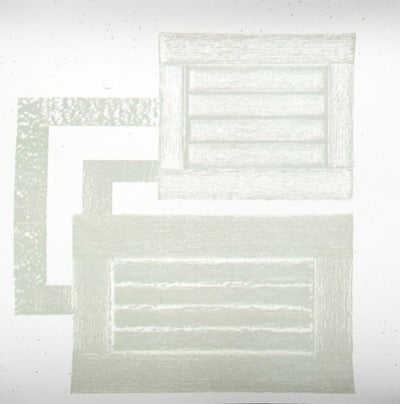
Peter Halley
Pure-Play, 2015
Limited Edition Print
Mixed Media
EUR 3,500
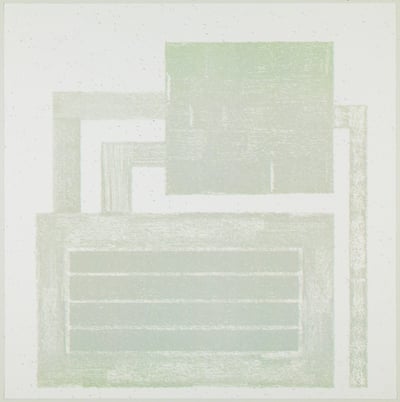
Peter Halley
Stop Word, 2015
Limited Edition Print
Mixed Media
EUR 3,500
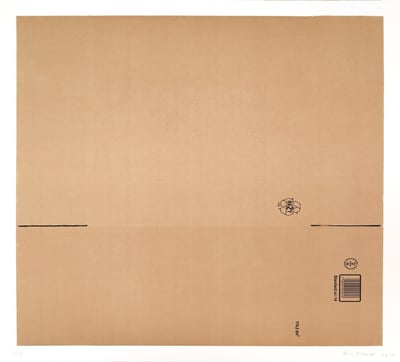
Matias Faldbakken
Box 4, 2014
Limited Edition Print
Lithograph
EUR 3,000
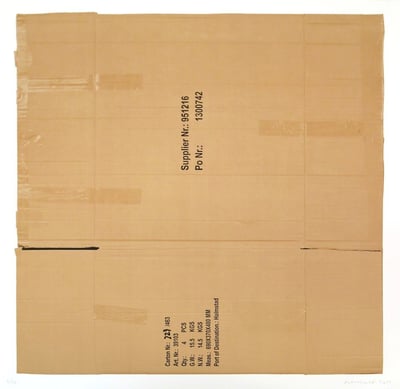
Matias Faldbakken
Box 3, 2014
Limited Edition Print
Lithograph
EUR 3,000
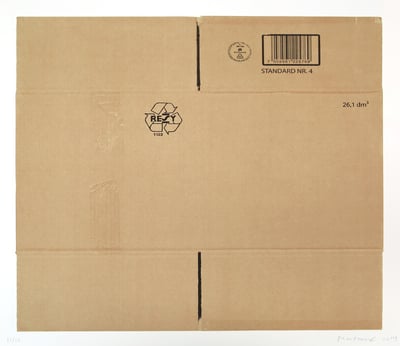
Matias Faldbakken
Box 2, 2014
Limited Edition Print
Lithograph
EUR 3,000
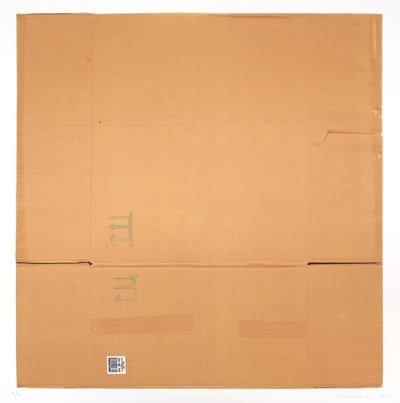
Matias Faldbakken
Box 1, 2014
Limited Edition Print
Lithograph
EUR 3,000

Matias Faldbakken
Hilux Variations 11, 2014
Limited Edition Print
Monotype
EUR 7,000
Related Articles


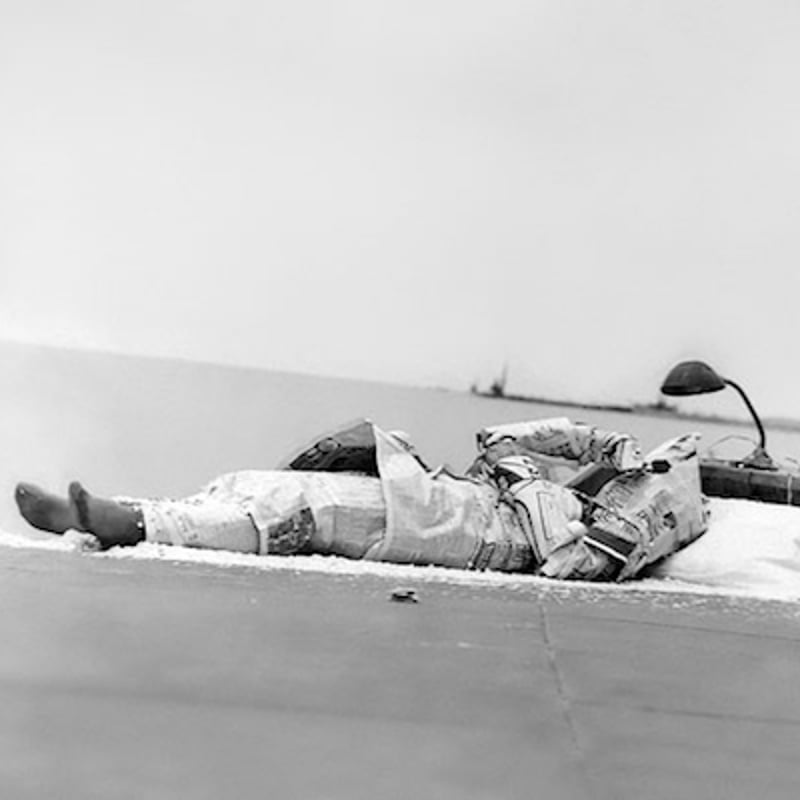
A Happening is a term used to describe artistic and theatrical events held by artists in the 1950s and 60s. These events were typically staged in gallery installations or planned environments and often involved audience participation, along with elements like lighting, sounds, and slide projections. Happenings were a precursor to performance art, which later included the active participation of the artists themselves.

Contemporary art refers to avant-garde or innovative art created in the recent past or present day. The exact starting point of contemporary art varies depending on the institution, often tied to the founding year of museums or galleries that showcase the style. Contemporary art is characterized by its focus on current ideas, diverse media, and the exploration of new concepts and techniques.
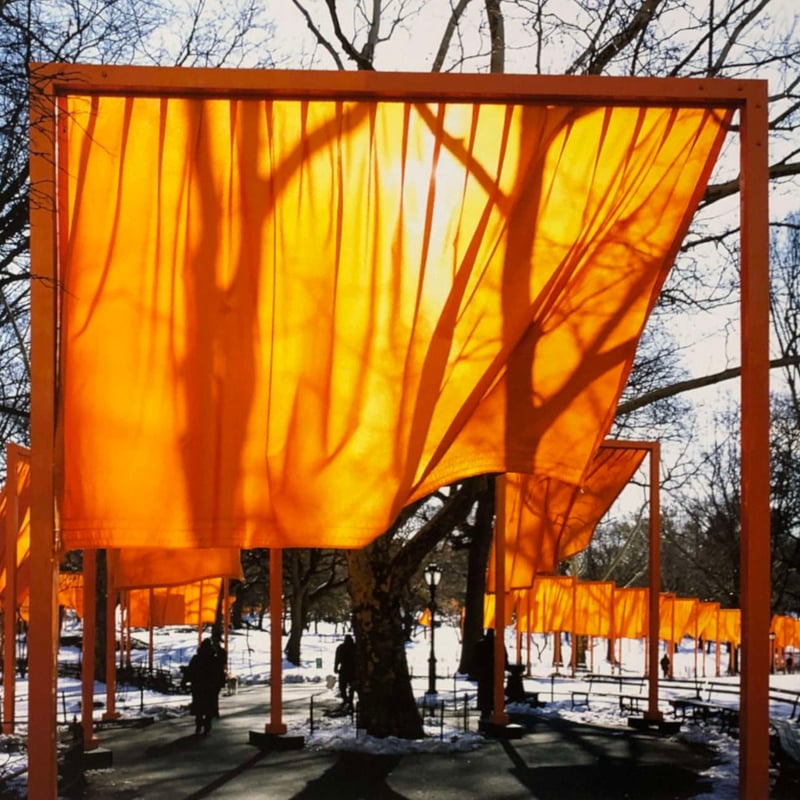
Ephemeral art is a type of art that occurs only once and typically lasts for a very short period. It cannot be displayed as a traditional work of art in a gallery or museum. Examples of ephemeral art include performances, happenings, sound sculptures, flyers, and mass-produced items. This art form emphasizes the transient nature of the experience, existing only in the moment and often leaving no lasting physical trace.
Can't find your Answer?
Thank you! Your question has been sent — we'll get back to you shortly.
