
What is Lettrism?
- Show All
- Established
- Discoveries
- Show All
Artworks Related to Lettrism
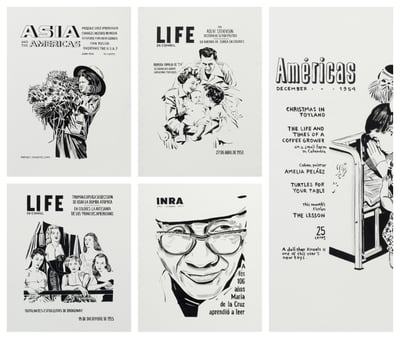
Fernando Bryce
Portfolio INRA, 2009
Limited Edition Print
Lithograph
EUR 3,000
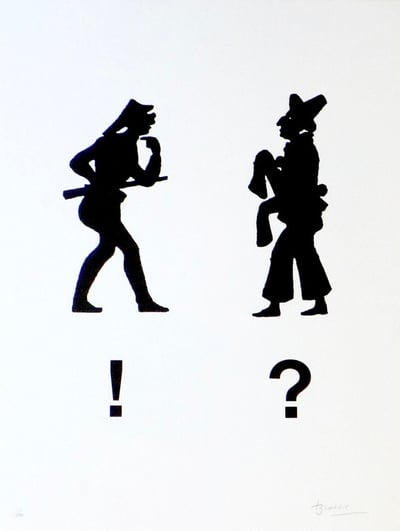
Joan Brossa
Diàleg, 1989
Limited Edition Print
Lithograph
EUR 1,000
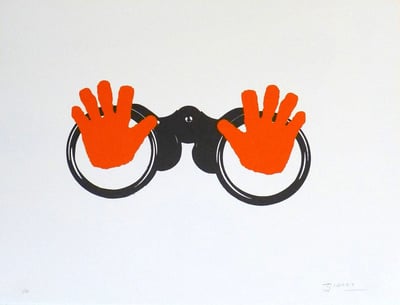
Joan Brossa
Poema visual 16, 1989
Limited Edition Print
Lithograph
EUR 1,000
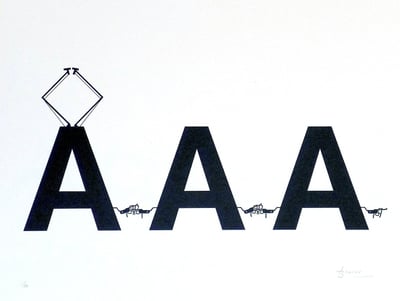
Joan Brossa
Comboi, 1989
Limited Edition Print
Lithograph
EUR 1,000
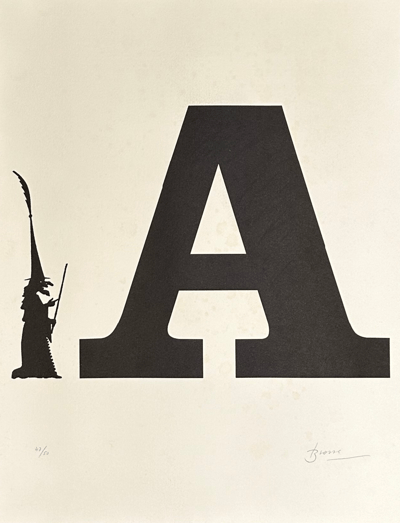
Joan Brossa
Poema visual 5, 1989
Limited Edition Print
Lithograph
EUR 1,000
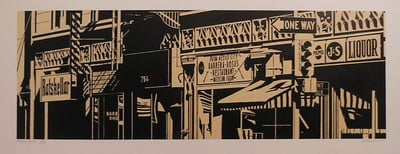
Robert Cottingham
Barrera-Rosa's, 1986
Limited Edition Print
Linocut
Currently Not Available
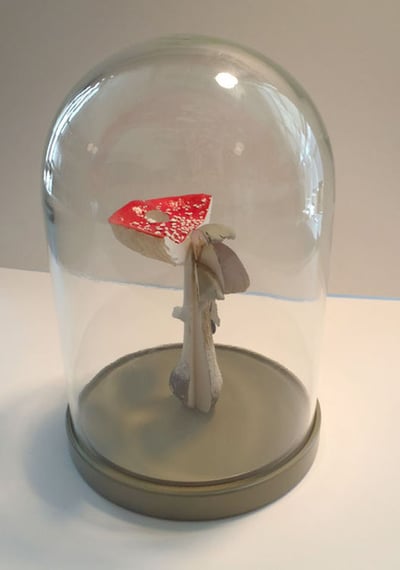
Carsten Holler
Multiple Mushroom Dome , 2012
Sculpture / Object
Mixed Media
Currently Not Available

Richard Hamilton
I'm dreaming of a black Christmas, 1971
Limited Edition Print
Screen-print
Currently Not Available
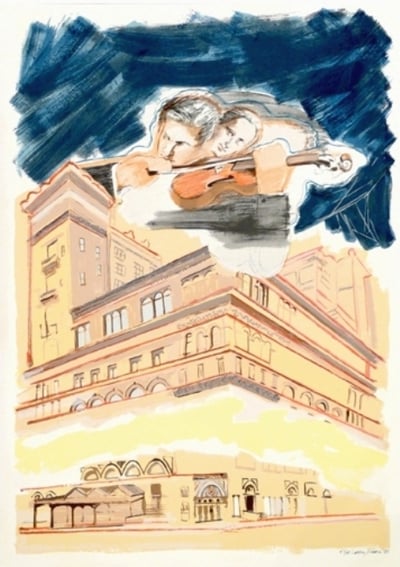
Larry Rivers
Sky Music Over Carnegie Hall, 1990
Limited Edition Print
Screen-print
USD 1,875
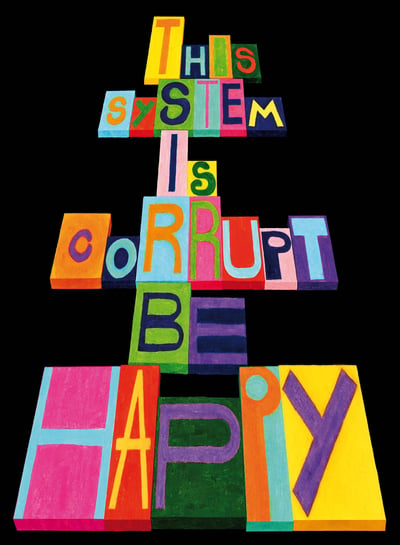
Delphine Boel
This System is Corrupt Be Happy...The Dark Side, 2007
Limited Edition Print
Lithograph
Currently Not Available
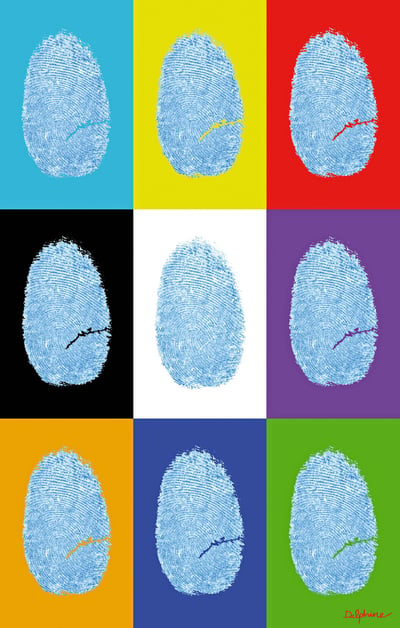
Delphine Boel
Source of Identity, 2003
Limited Edition Print
Lithograph
Currently Not Available

Jack Pierson
Stardust, 2012
Photography
C-Print
EUR 900
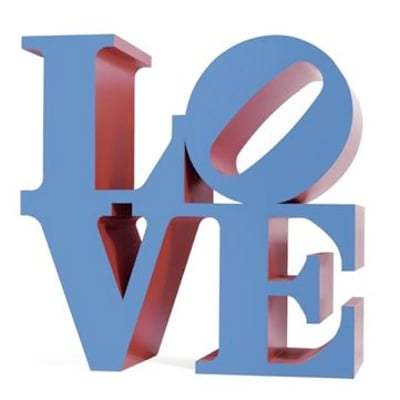
Robert Indiana
Love (monument), 1966 - 1999
Sculpture / Object
Mixed Media
Currently Not Available
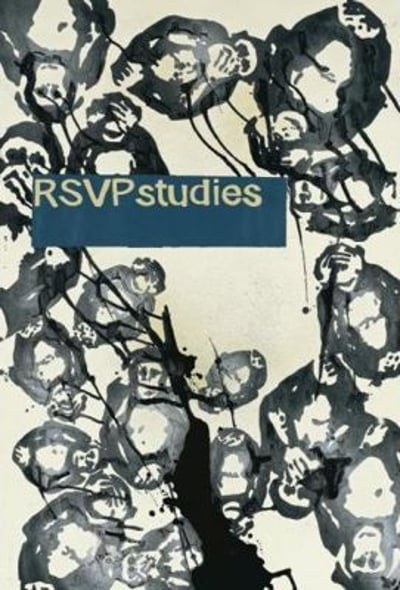
Jitish Kallat
RSVP Studies - 3, 2005
Painting
Gouache
EUR 12,000
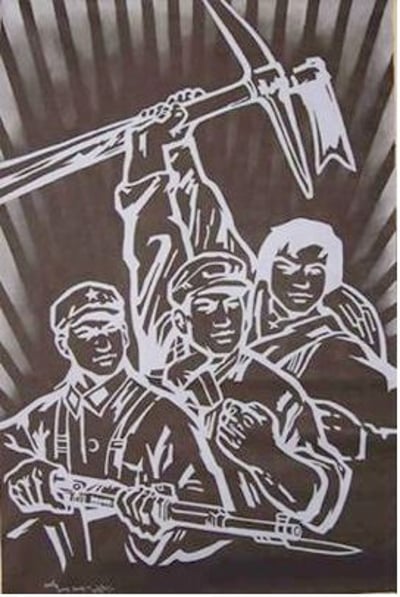
Wang Guangyi
Eternal Halo, 2004
Painting
Oil on canvas
Inquire For Price

Thierry De Cordier
Crucifictions, no more, 2005
Limited Edition Print
Etching
Currently Not Available
Related Articles

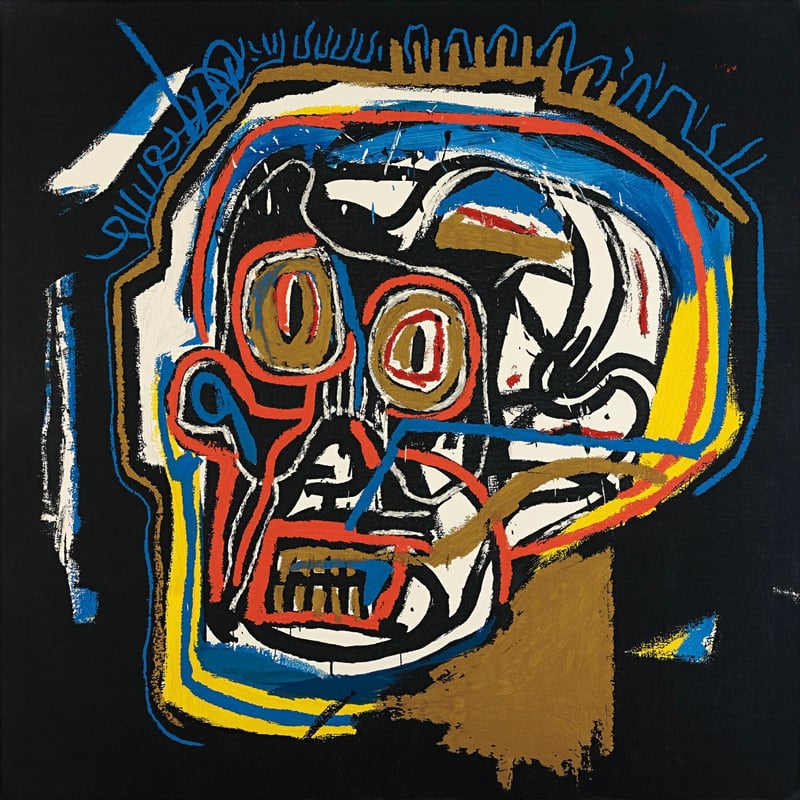
Generative art refers to art that is wholly or partly created through an autonomous system. This system can be independent or non-human, capable of determining features that would otherwise be decided by the artist. The generative system can act as the creator or as a collaborator with the artist. Generative art often refers to works generated algorithmically by computers, where the system plays a significant role in the creation process.
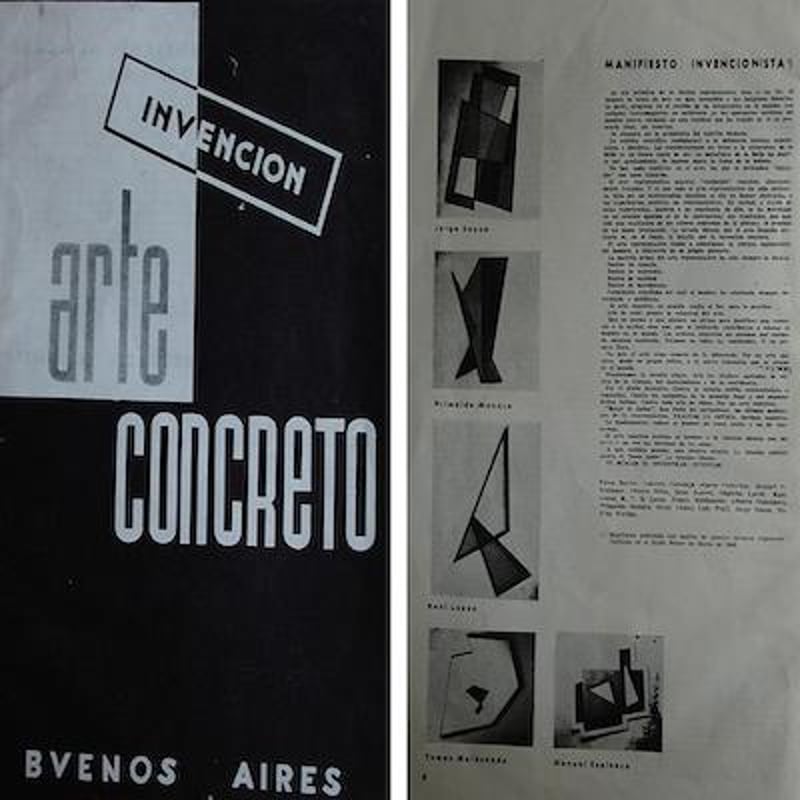
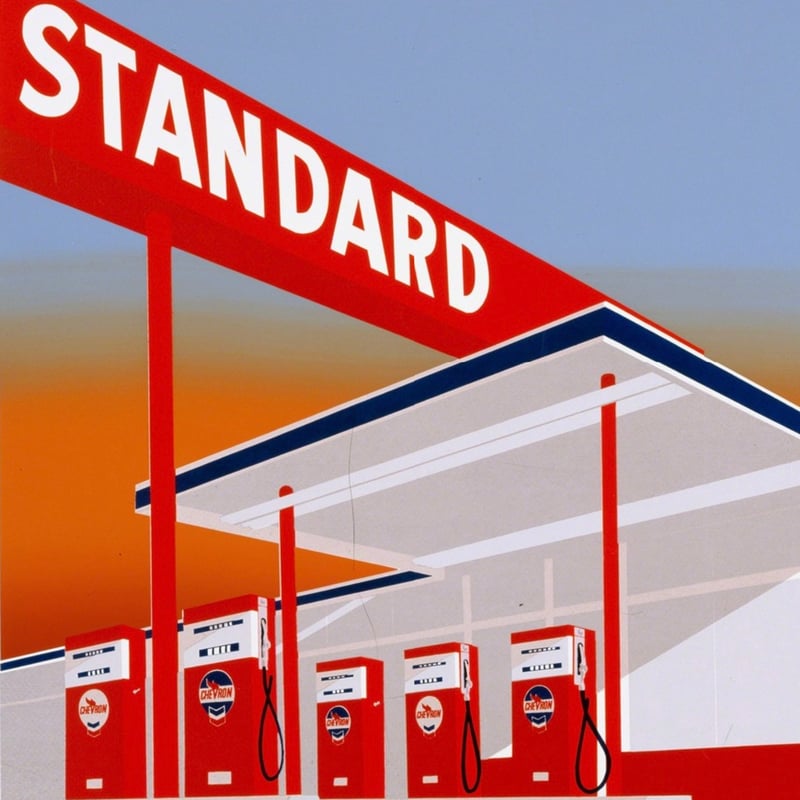
The Manifesto Invencionista was published in 1946, marking the beginning of the concrete art movement in Buenos Aires, Argentina. Written by artist Tomás Maldonado and published by the Asociación Arte Concreto-Invención, the manifesto announced the principles of Concrete Art. Concrete art is purely abstract, with no reference to visual reality, emphasizing geometric forms and the materiality of the artwork itself.
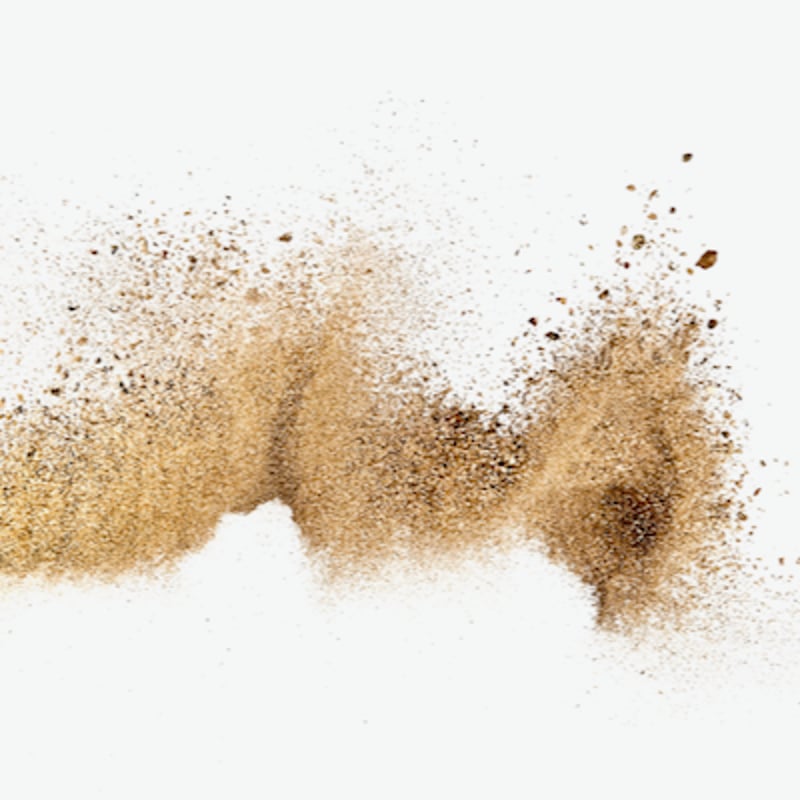
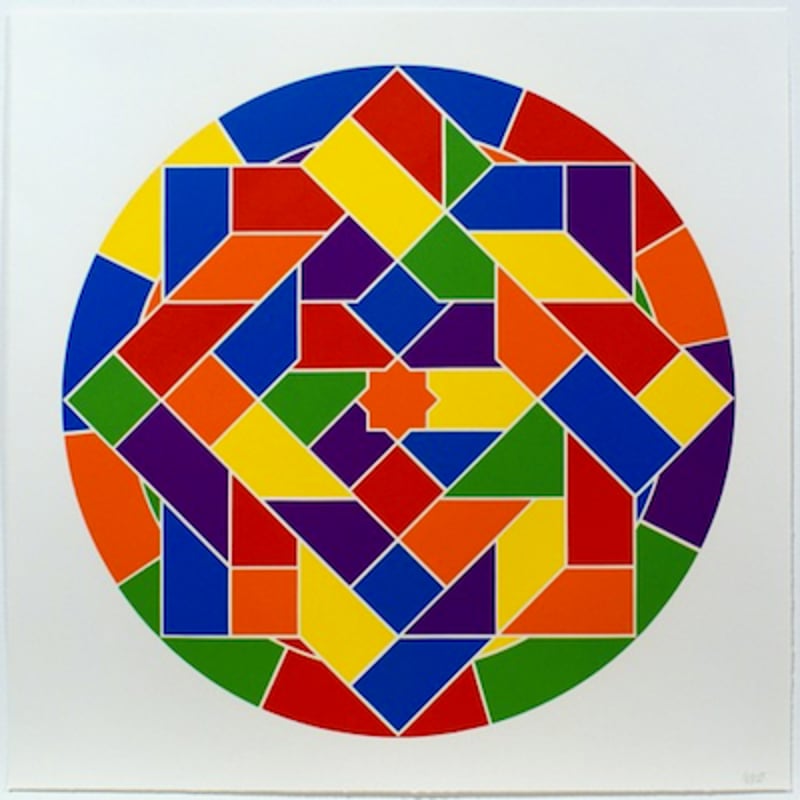
Sand consists of loose grains of material primarily made up of minerals like quartz, mica, and feldspar, as well as small fragments of rocks. Sand paintings are created by pouring colored sand into intricate designs, often for cultural rituals or special celebrations. These designs can take many days to complete and are traditionally brushed away after the ceremony, emphasizing the impermanence of the artwork.
Can't find your Answer?
Thank you! Your question has been sent — we'll get back to you shortly.
