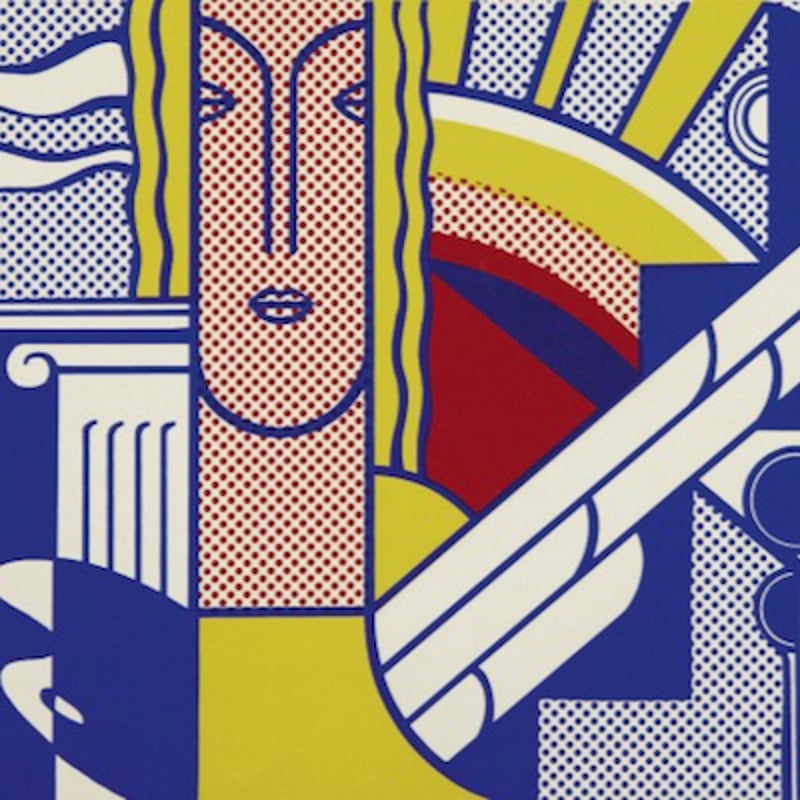
What is late modernism?
- Show All
- Established
- Discoveries
- Show All
Artworks Related to Late modernism
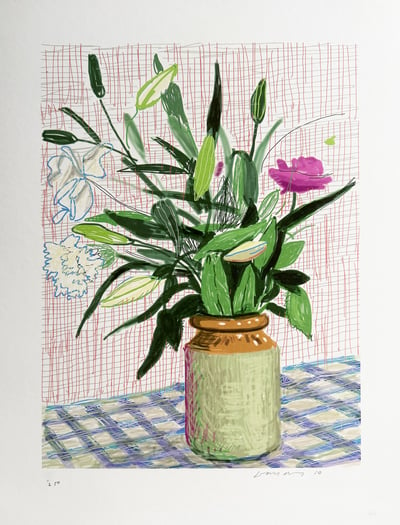
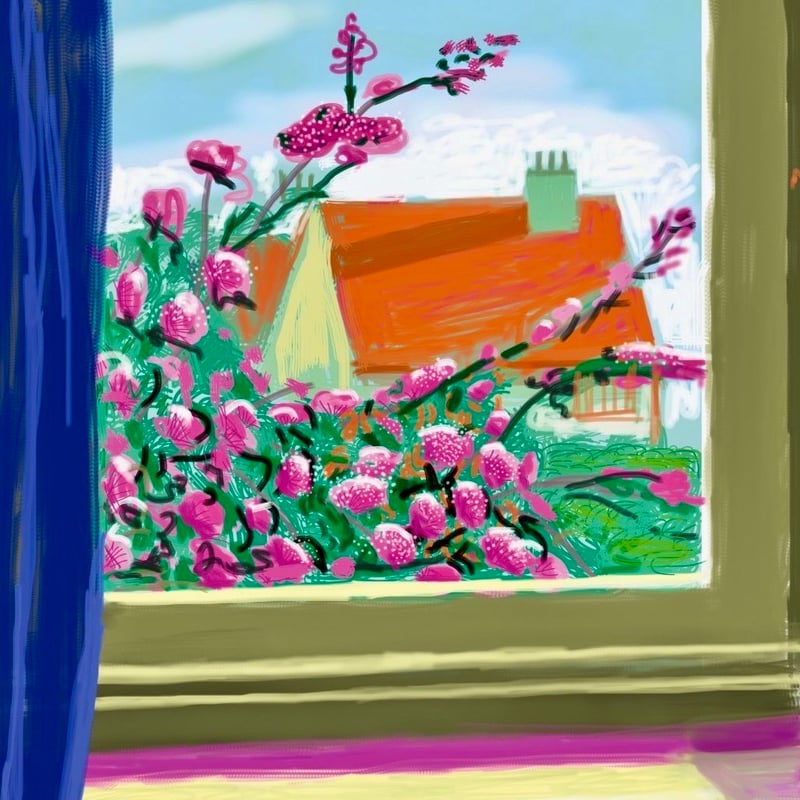
David Hockney
Untitled No. 516, 2010-2016
Limited Edition Print
Digital Print on paper
USD 60,000 - 70,000
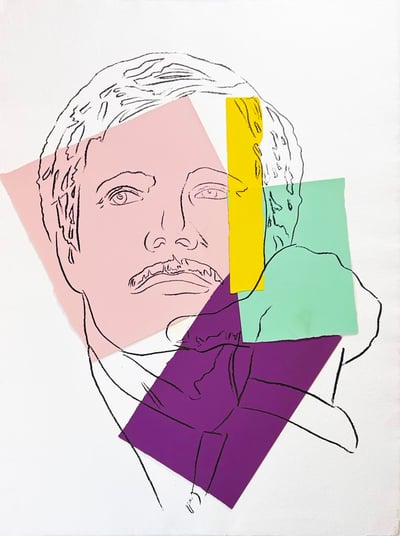
Andy Warhol
Ted Turner, c. 1986
Limited Edition Print
Collage
USD 36,000 - 45,000
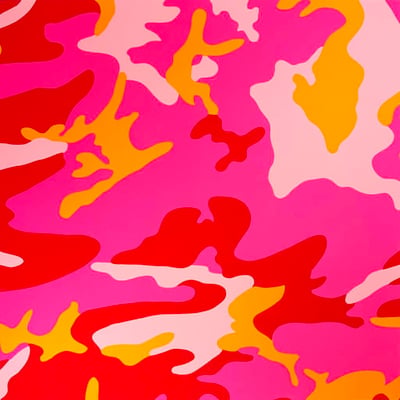
Andy Warhol
Camouflage, II.408, 1987
Limited Edition Print
Screen-print
Inquire For Price
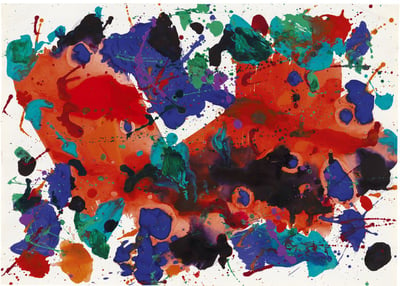
Sam Francis
Untitled (SF82-263), 1982
Painting
Acrylic on paper
Inquire For Price
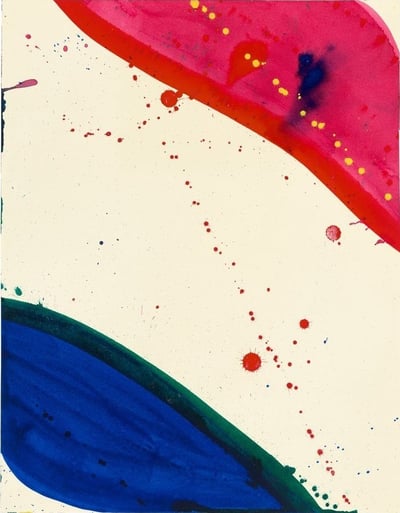
Sam Francis
Vert Francaise, 1963
Painting
Acrylic on paper
Inquire For Price
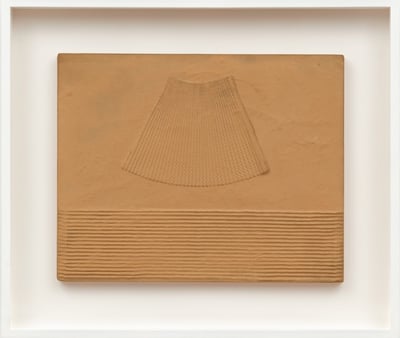
Heinz Mack
Sandflügel, 1976
Sculpture / Object
Mixed Media
Inquire For Price
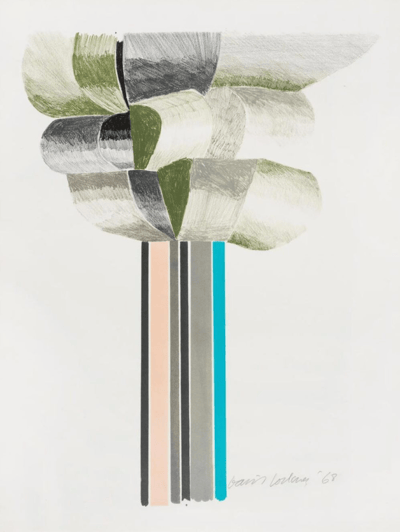
David Hockney
Trees, 1968
Limited Edition Print
Lithograph
Inquire For Price
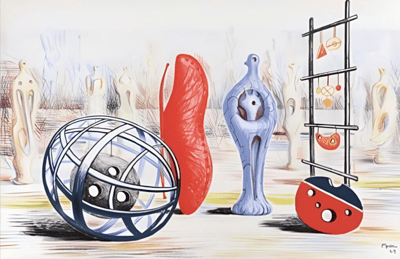
Henry Moore
Scultpural Objects School, 1949
Limited Edition Print
Lithograph
Inquire For Price
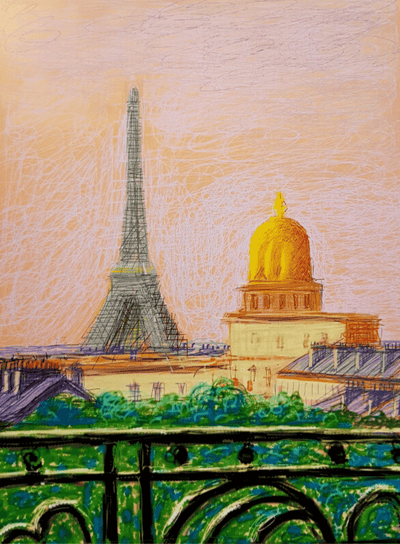
David Hockney
Eiffel Tower (by day), 2010
Limited Edition Print
Digital Print on paper
Inquire For Price
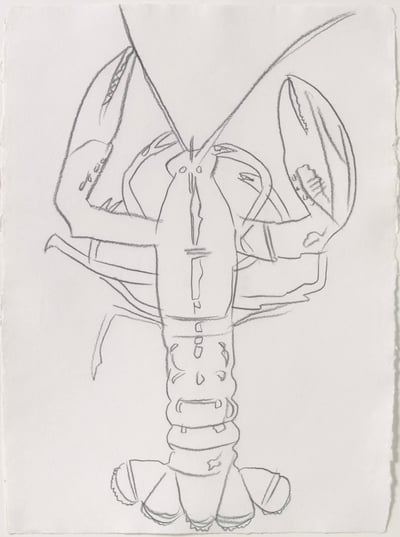
Andy Warhol
Lobster, 1979
Drawing / Watercolor
Graphite
Inquire For Price
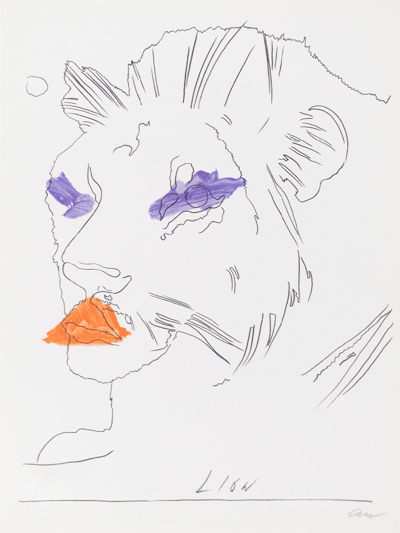
Andy Warhol
The Lyon, 1975
Limited Edition Print
Mixed Media
EUR 4,000
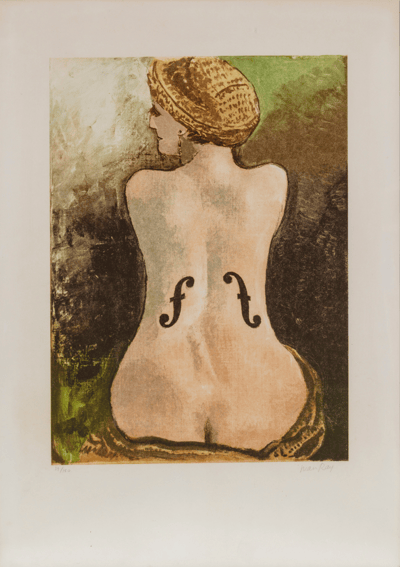
Man Ray
Le Violon d'Ingres, 1968
Limited Edition Print
Lithograph
EUR 5,000
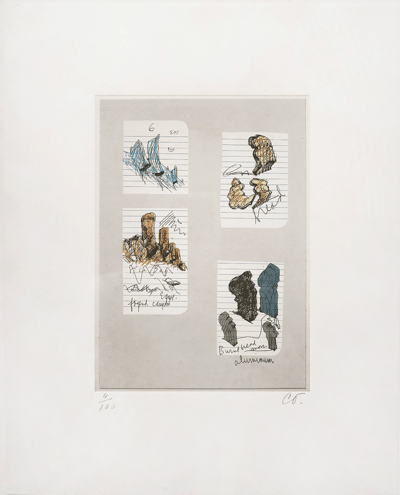
Claes Oldenburg
Notes in Hand, from the Notes in Hand Portfolio, 1972
Limited Edition Print
Offset Print
EUR 2,000
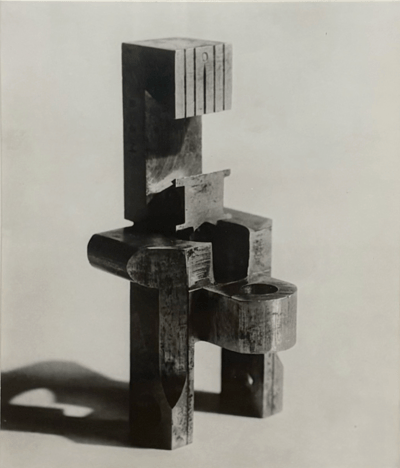
Man Ray
The Rebus, 1926
Photography
Gelatin Silver Print
EUR 6,500
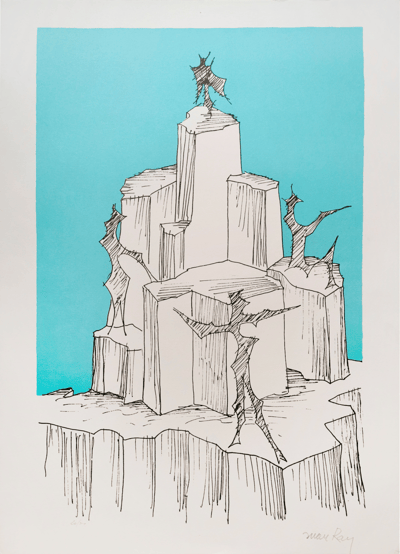
Man Ray
La Montagna di Cristallo, 1971
Limited Edition Print
Lithograph
EUR 2,400
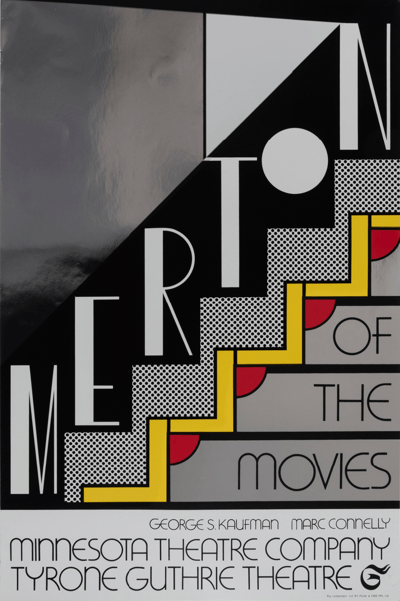
Roy Lichtenstein
Merton at the Movies, 1968
Limited Edition Print
Silkscreen
EUR 6,500
Related Articles

Carborundum is the trademark name for silicon carbide crystals, an abrasive material commonly used in sandpaper, cutting tools, and grinding wheels. Originally, artists used carborundum for grinding lithography stones. In collagraph printmaking, it is applied to plates to create texture and tone gradients, adding depth and contrast to the prints.
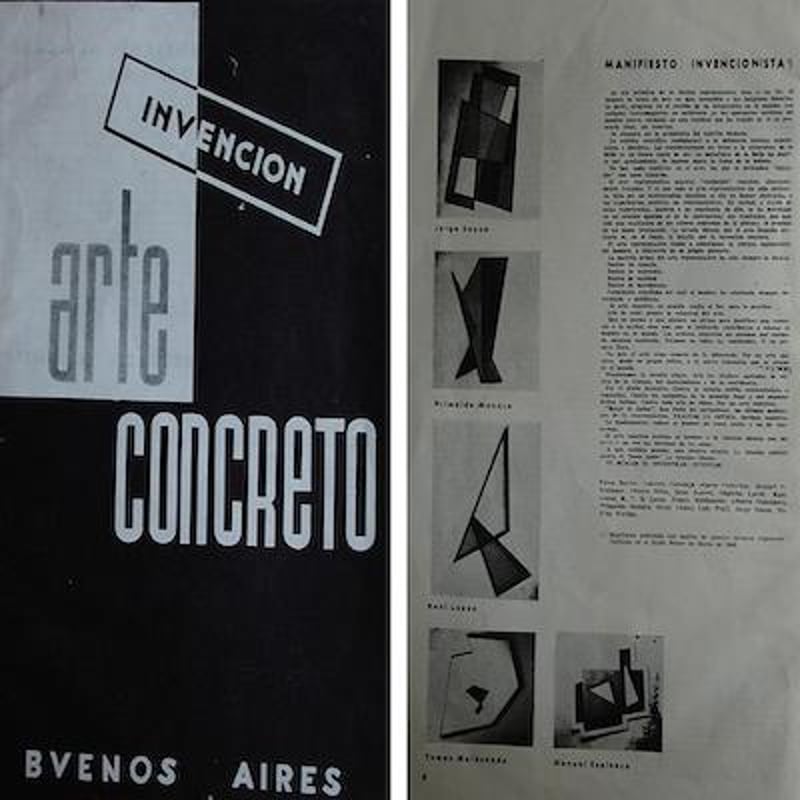
The Manifesto Invencionista was published in 1946, marking the beginning of the concrete art movement in Buenos Aires, Argentina. Written by artist Tomás Maldonado and published by the Asociación Arte Concreto-Invención, the manifesto announced the principles of Concrete Art. Concrete art is purely abstract, with no reference to visual reality, emphasizing geometric forms and the materiality of the artwork itself.
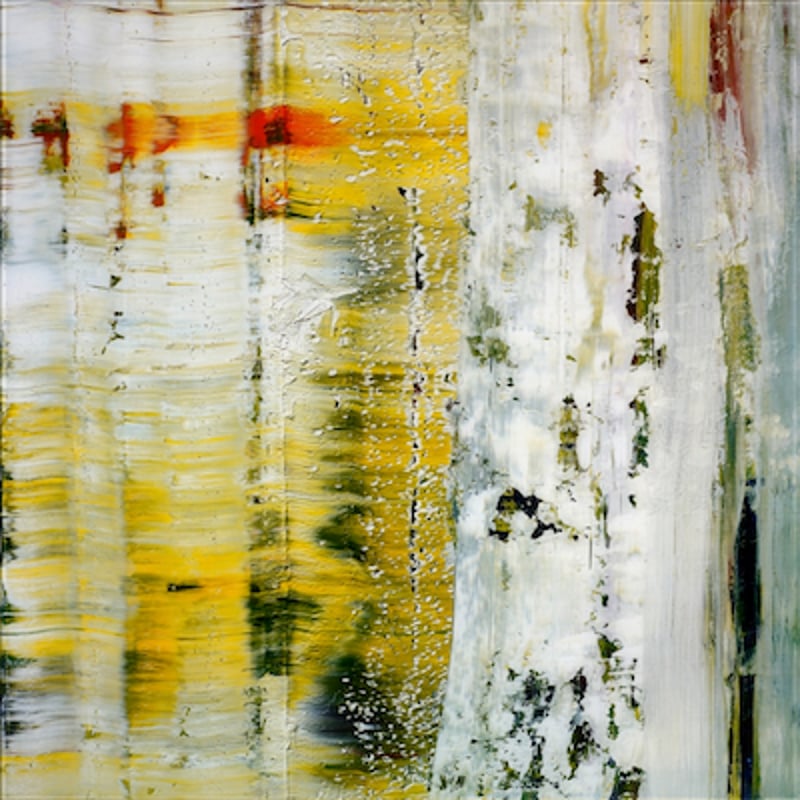
Capitalist Realism is a German form of political pop art that emerged in Cold War-era Berlin in 1963. It sought to challenge the dominance of American pop art in the Western world. The movement blended the ideologies of both pop art and socialist realism, offering a critique of consumer culture and political power.
Can't find your Answer?
Thank you! Your question has been sent — we'll get back to you shortly.
