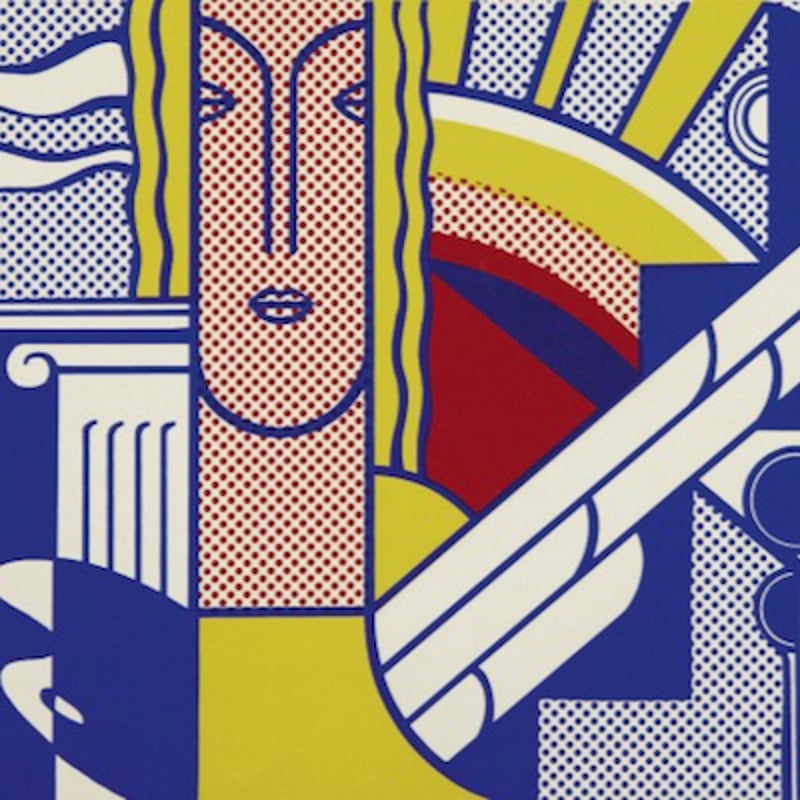
What is late modernism?
- Show All
- Established
- Discoveries
- Show All
Artworks Related to Late modernism
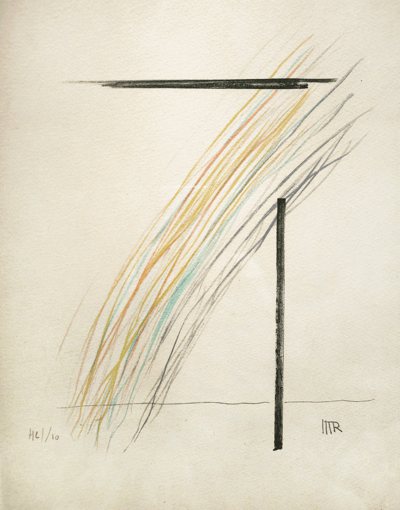
Man Ray
Invasion de l'espace, 1974
Limited Edition Print
Lithograph
EUR 2,300
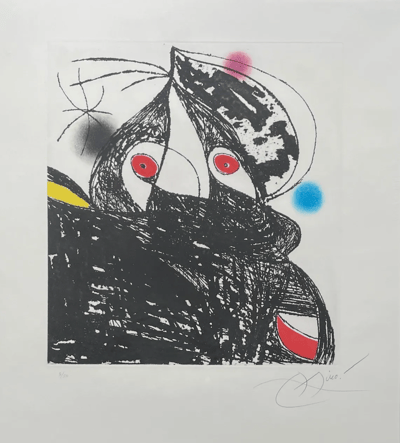
Joan Miró
Personnage Romantique, 1975
Limited Edition Print
Etching and Aquatint
EUR 9,000
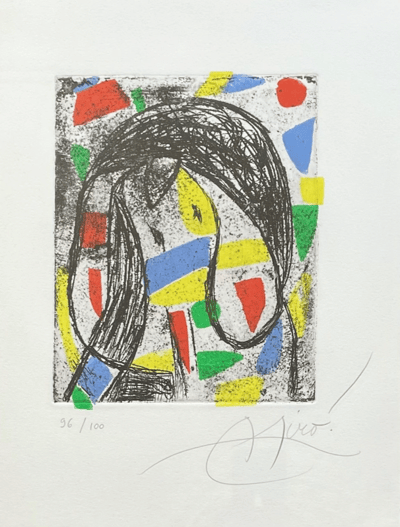
Joan Miró
La Revolte des Caracteres, 1982
Limited Edition Print
Etching
EUR 7,800
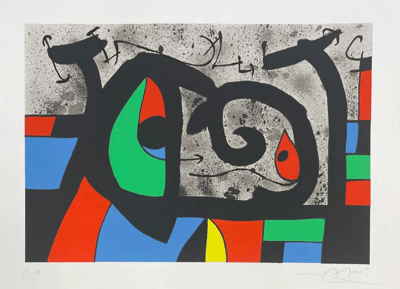
Joan Miró
Le Lezard aux Plumes D'or, 1971
Limited Edition Print
Lithograph
EUR 6,700
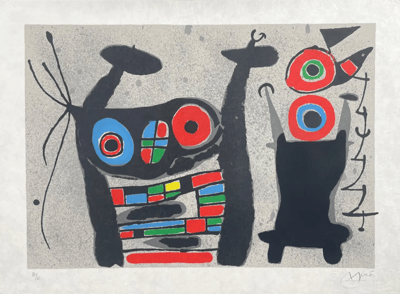
Joan Miró
Le Lezard aux Plumes D'or, 1971
Limited Edition Print
Lithograph
EUR 7,200
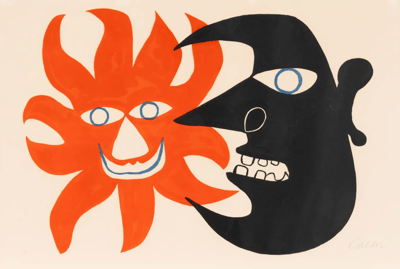
Alexander Calder
Black Moon and Red Sun, ca. 1970
Limited Edition Print
Lithograph
USD 6,900
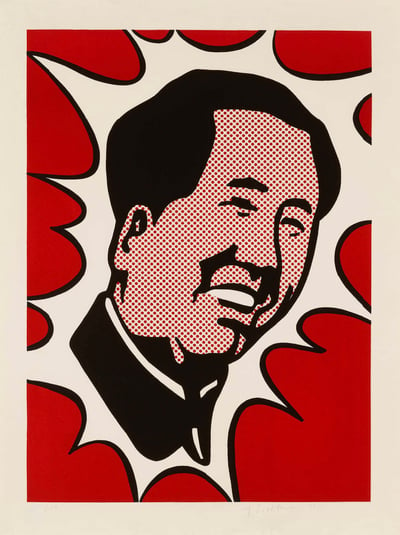
Roy Lichtenstein
Mao, 1971
Limited Edition Print
Lithograph
Artwork On Hold
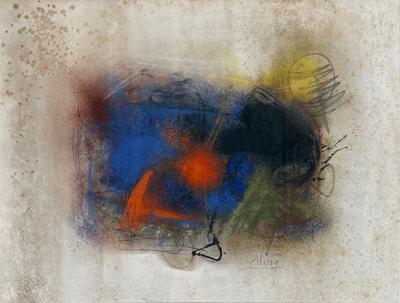
Joan Miró
Untitled (Cosmic Bloom)
Drawing / Watercolor
Mixed Media
USD 17,000 - 21,000
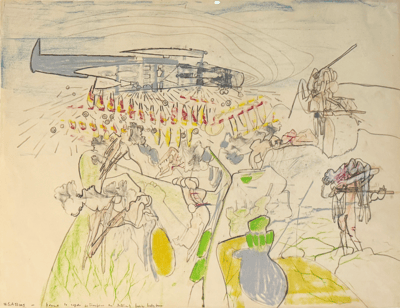
Roberto Matta
U.S. Assasins, 1962
Drawing / Watercolor
Crayon
Inquire For Price

Rufino Tamayo
Untitled (Textile), 1960s
Tapestry
Tapestry
Inquire For Price
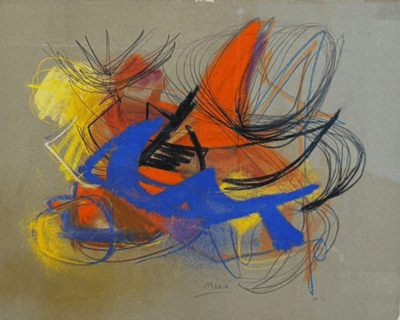
Joan Miró
Untitled (Chromatic Scribble)
Drawing / Watercolor
Mixed Media
USD 17,000 - 21,000
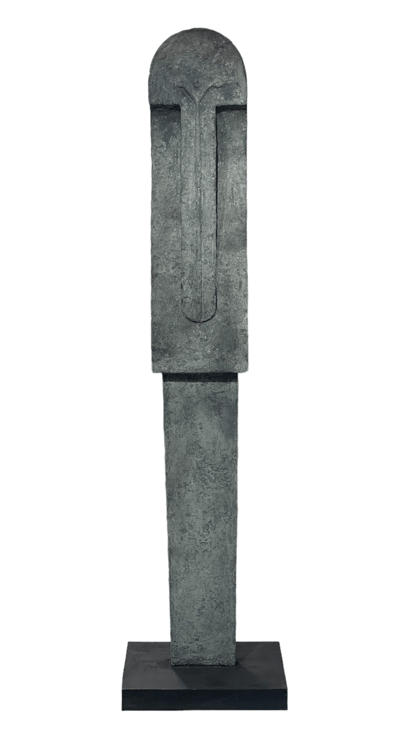
Rufino Tamayo
Monolito, 1981
Sculpture / Object
Mixed Media
Inquire For Price
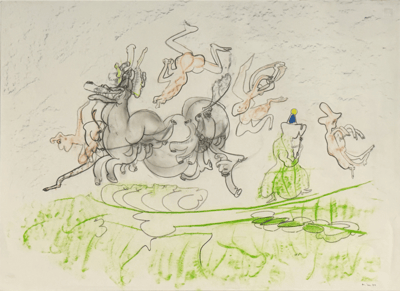
Roberto Matta
Le Cirque, 1969
Drawing / Watercolor
Crayon
Inquire For Price
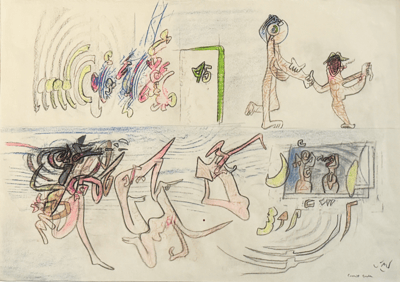
Roberto Matta
Covent Garden, 1977
Drawing / Watercolor
Crayon
Inquire For Price
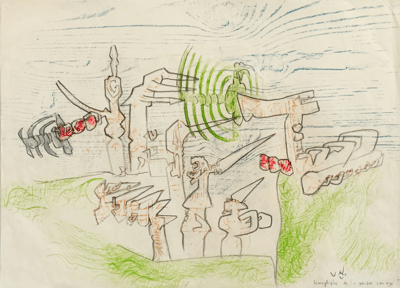
Roberto Matta
Hieroglyphe De La Pen See, 1975
Drawing / Watercolor
Crayon
Inquire For Price
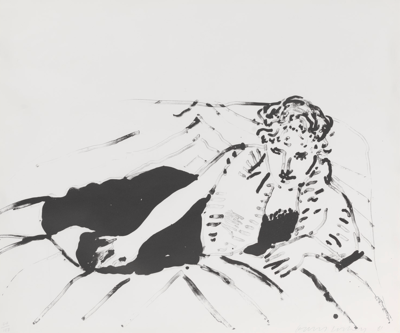
David Hockney
Big Celia Print #1, 1982
Limited Edition Print
Lithograph
USD 65,000 - 75,000
Related Articles
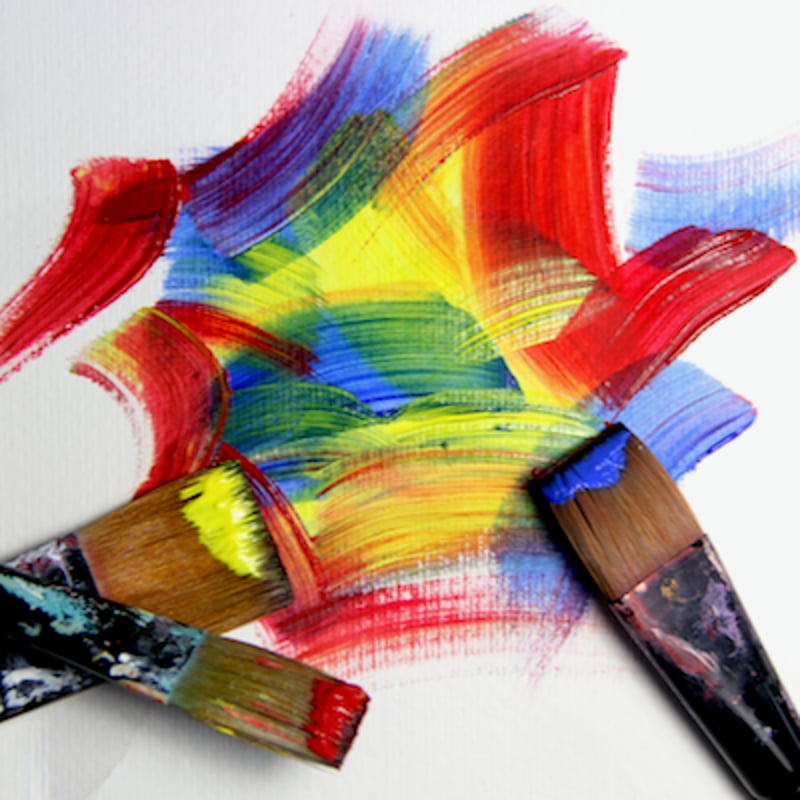
Oil on paper is a technique that allows painters to use economical paper without needing to apply a primer before painting. Artists can combine oil paints with solvents to achieve effects similar to watercolor, such as color washes, spattering, and mingling of colors with thinned paint.
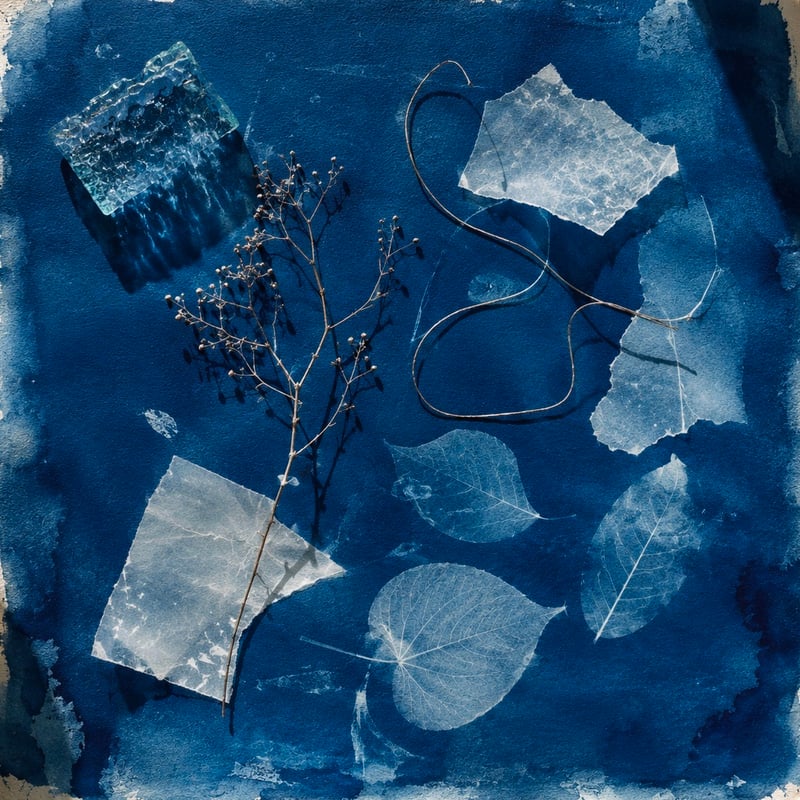
Cyanotype is a photographic technique that creates images in shades of blue, commonly known as blueprints. It involves coating a surface with a mixture of two chemicals, typically ferric ammonium citrate and potassium ferricyanide. When exposed to UV light and then washed in water, the process produces white images on a deep blue background.
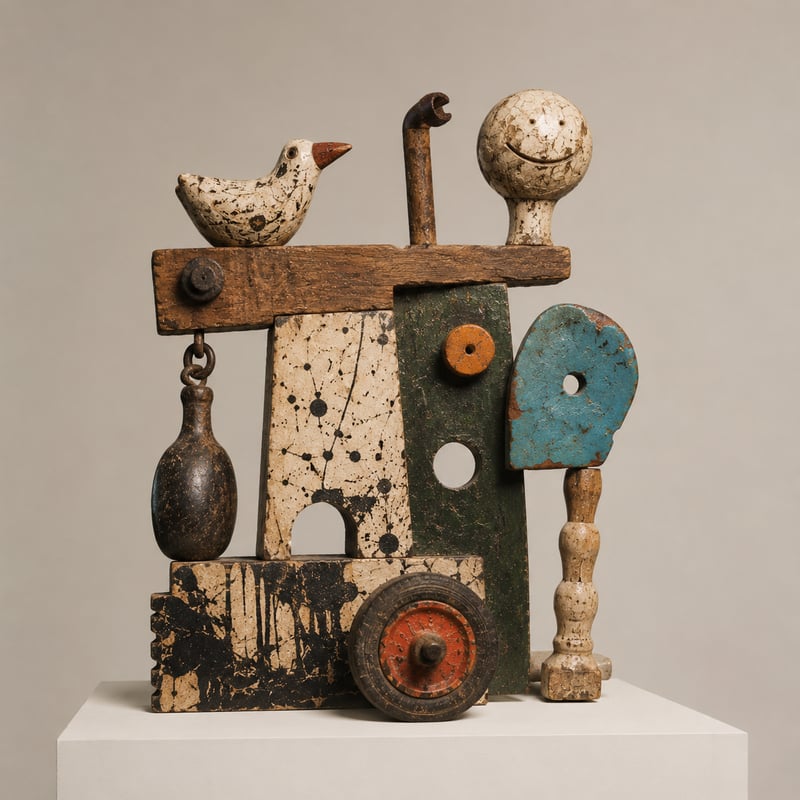
In the 1960s, Funk Art emerged as a reactive movement against Abstract Expressionism. It was widely known as an anti-establishment movement, with the name derived from the jazz term funky. This term carried both positive and negative connotations: in the jazz world, it described passion, quirkiness, and sensuality, but it could also refer to a foul odor. Funk Art was particularly popular in the California Bay Area. While the artists of the Funk Art era shared similar attitudes and styles, they did not see themselves as part of a formal group or movement.
Can't find your Answer?
Thank you! Your question has been sent — we'll get back to you shortly.
