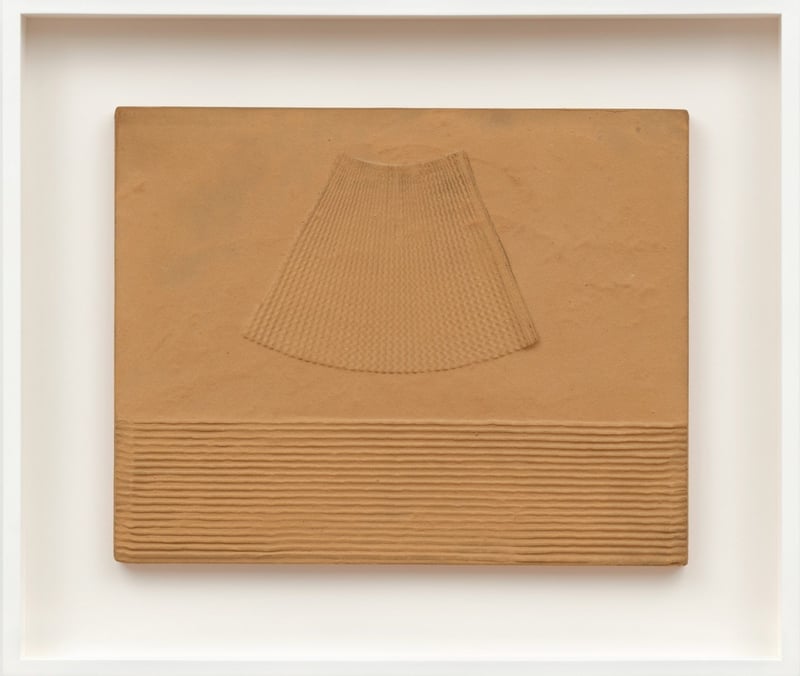
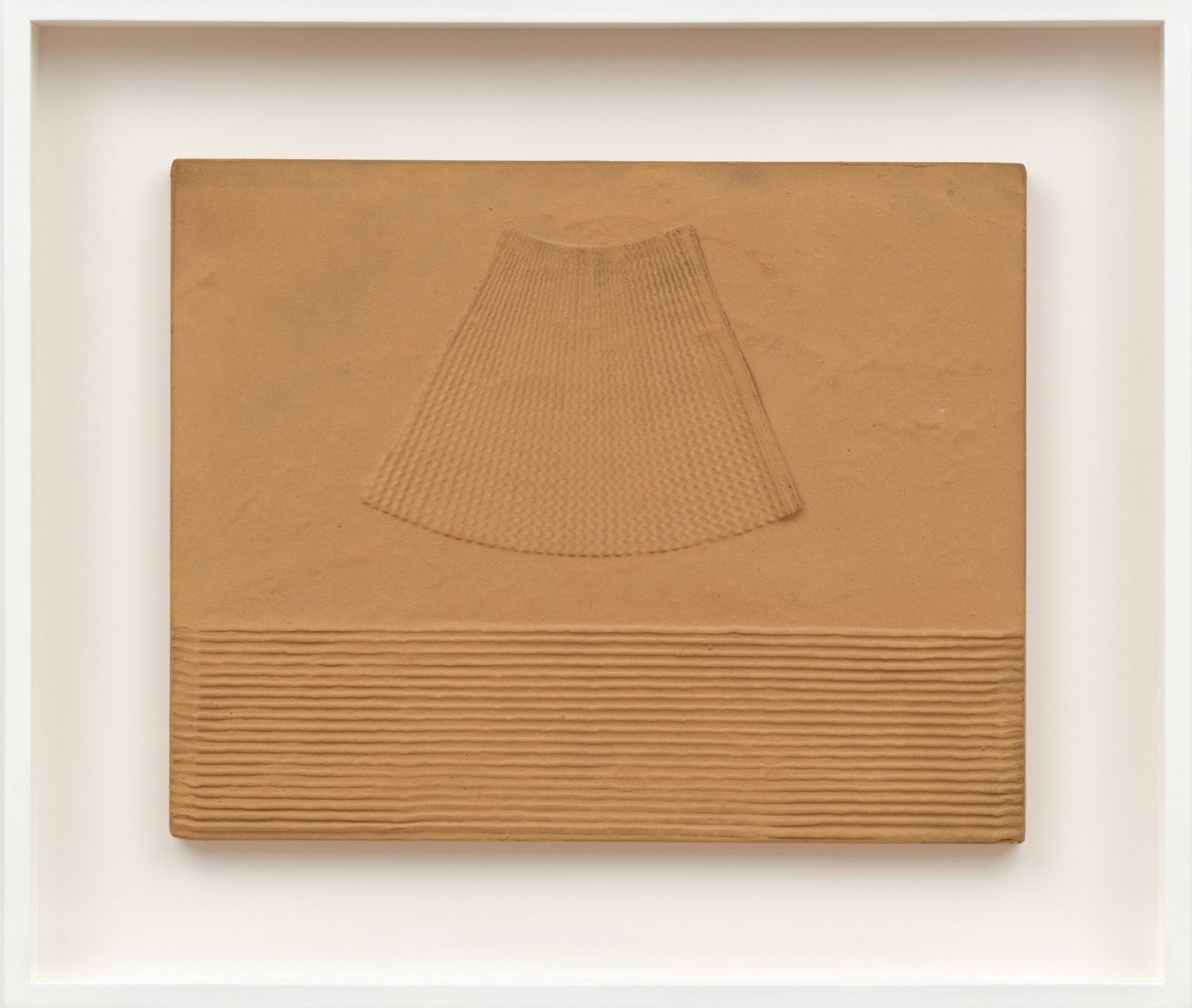
Sandflügel, 1976
Form
Medium
Size
- Inches
- Centimeters
Edition
Price
- Authenticity Guaranteed
- Insured Shipping
- Online Since 2005
Heinz Mack
Sandflügel, 1976
Sculpture / Object
Mixed Media
Inquire For Price
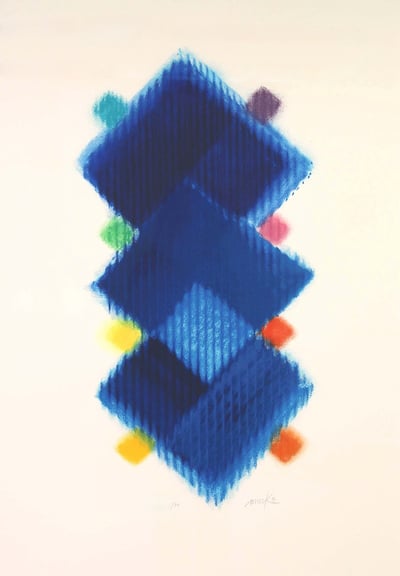
Heinz Mack
Kleiner Dreiklang, 1994
Limited Edition Print
Silkscreen
EUR 6,970
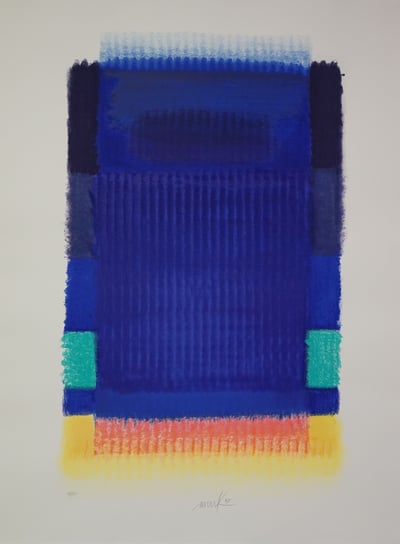
Heinz Mack
Blaues Feld mit Rosa, 1997
Limited Edition Print
Silkscreen
EUR 5,800
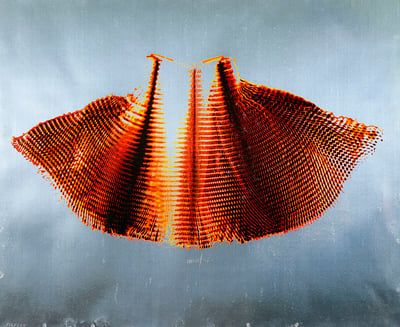
Heinz Mack
Silberflügel, Roter Fächer, 1973
Limited Edition Print
Screen-print
Currently Not Available
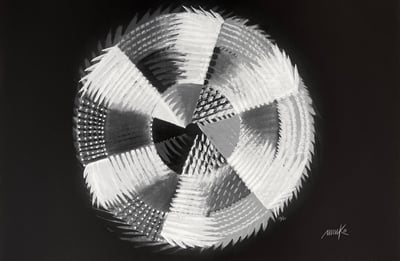
Heinz Mack
Terzett (against black), 2021
Limited Edition Print
Screen-print
Currently Not Available
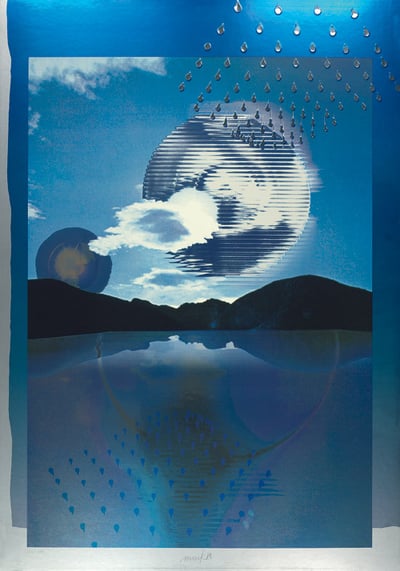
Heinz Mack
Kunst im Jahr 2000, 1986
Limited Edition Print
Screen-print
Currently Not Available
Related Artists

Related Articles
Popular, Artists, Art Movements, Collecting - August 23, 2026
The ZERO Movement: Collecting Günther Uecker and the Art of a New Beginning
Explore the ZERO Movement and learn how to collect Günther Uecker editions, from embossed prints and sand works to multiples, provenance and condition.Read More
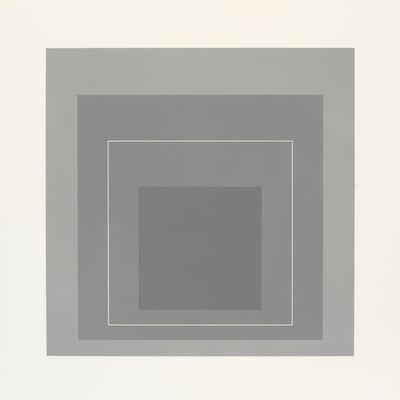
What is concrete art?
Concrete Art is an art movement founded by the Dutch artist Theo van Doesburg in the 1930s. The movement emphasizes pure abstraction, focusing on geometric shapes and colors without any reference to the natural world or symbolic meaning. Unlike other forms of abstract art, Concrete Art is entirely non-representational and is based on mathematical principles and precise execution. It aims to create universal, timeless works by using simple, clear forms that emphasize objectivity and clarity.

Heinz Mack
Sandflügel, 1976
51 x 65 x 3 cm


