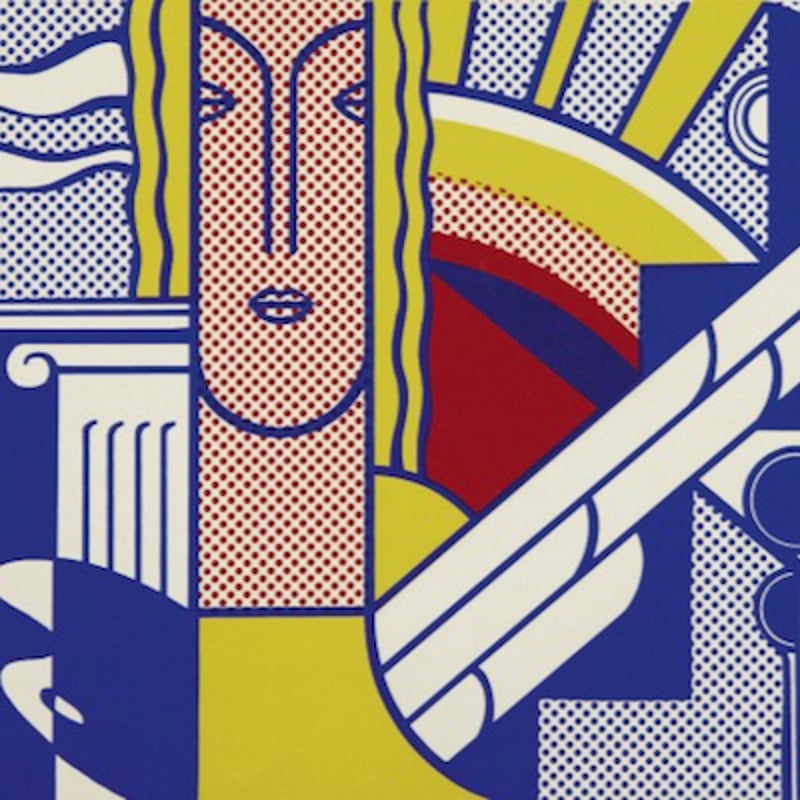
What is late modernism?
- Show All
- Established
- Discoveries
- Show All
Artworks Related to Late modernism
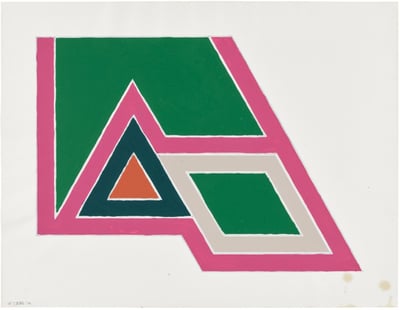
Frank Stella
Untitled (study for Sanbornville, from Eccentric Polygons), 1970
Drawing / Watercolor
Mixed Media
Inquire For Price
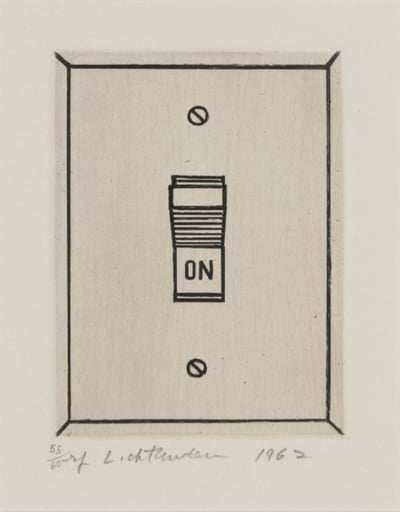
Roy Lichtenstein
On, 1962/64
Limited Edition Print
Etching
USD 25,225
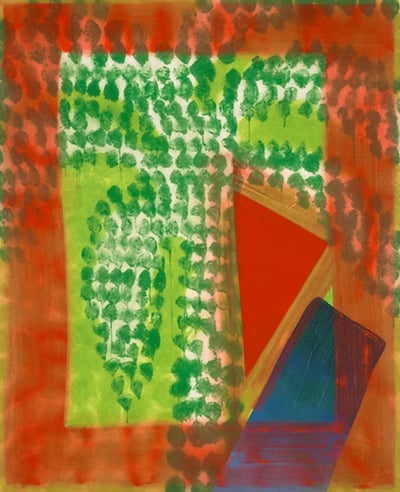
Howard Hodgkin
Street Palm, 1990
Limited Edition Print
Mixed Media
GBP 12,500 - 16,200
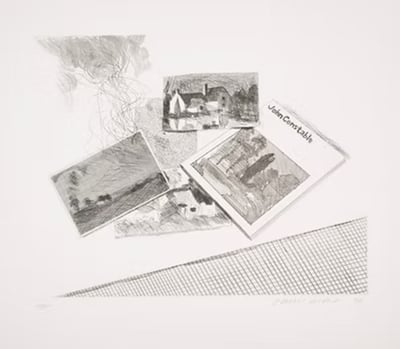
David Hockney
For John Constable, 1976
Limited Edition Print
Etching and Aquatint
GBP 9,500 - 12,300
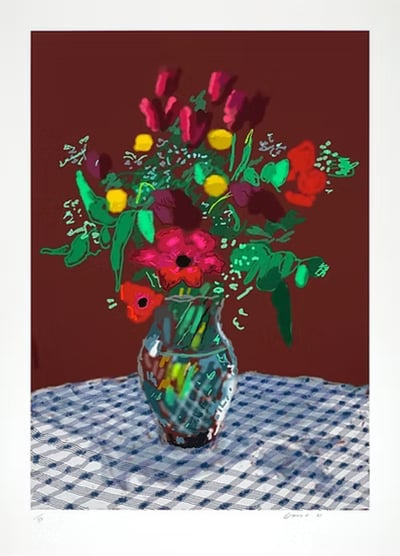
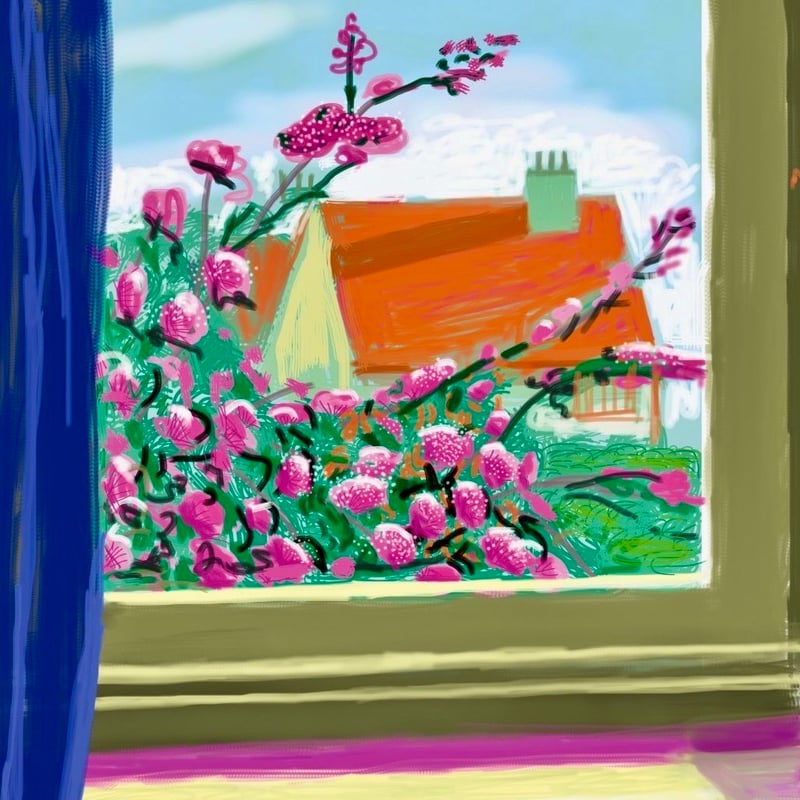
David Hockney
16th February 2021, More Flowers In A Glass Vase, 2022
Limited Edition Print
Mixed Media
GBP 85,000 - 110,000
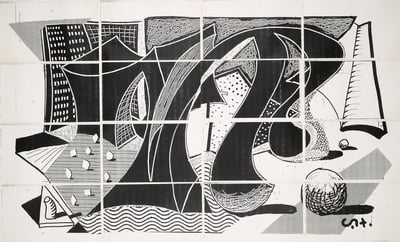
David Hockney
Hotel By The Sea, 1989
Limited Edition Print
Mixed Media
GBP 18,000 - 23,400
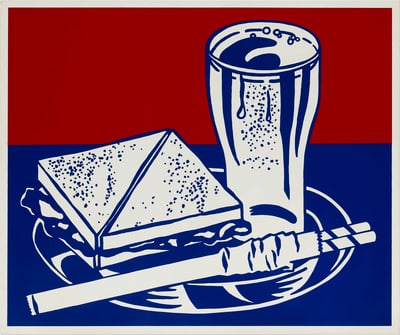
Roy Lichtenstein
Sandwich and Soda, 1964
Limited Edition Print
Screen-print
USD 19,500
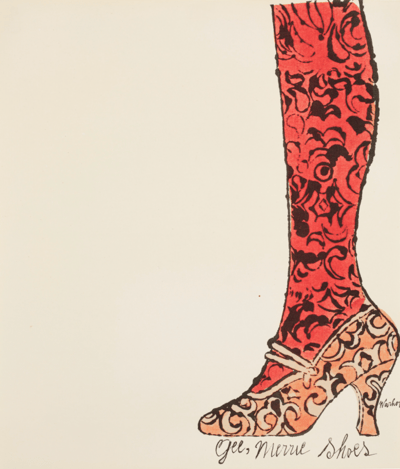
Andy Warhol
Gee, Merrie Shoes, 1956
Limited Edition Print
Mixed Media
GBP 19,000
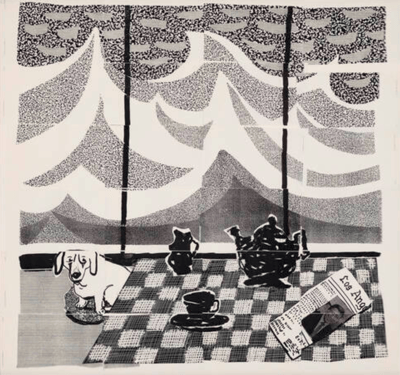
David Hockney
Breakfast with Stanley in Malibu, 1989/1994
Limited Edition Print
Monoprint
GBP 23,000
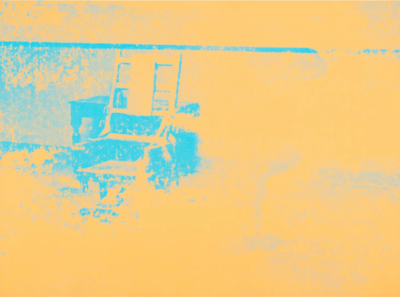
Andy Warhol
Electric Chair, 1971
Limited Edition Print
Screen-print
GBP 22,000
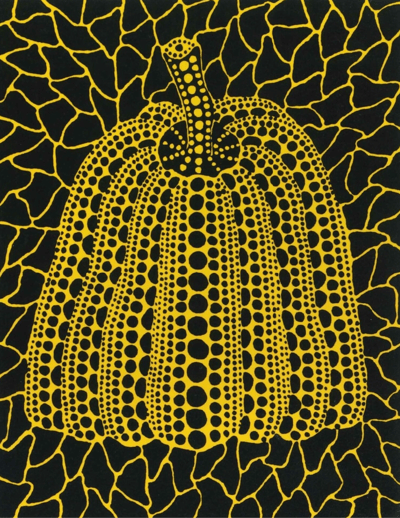
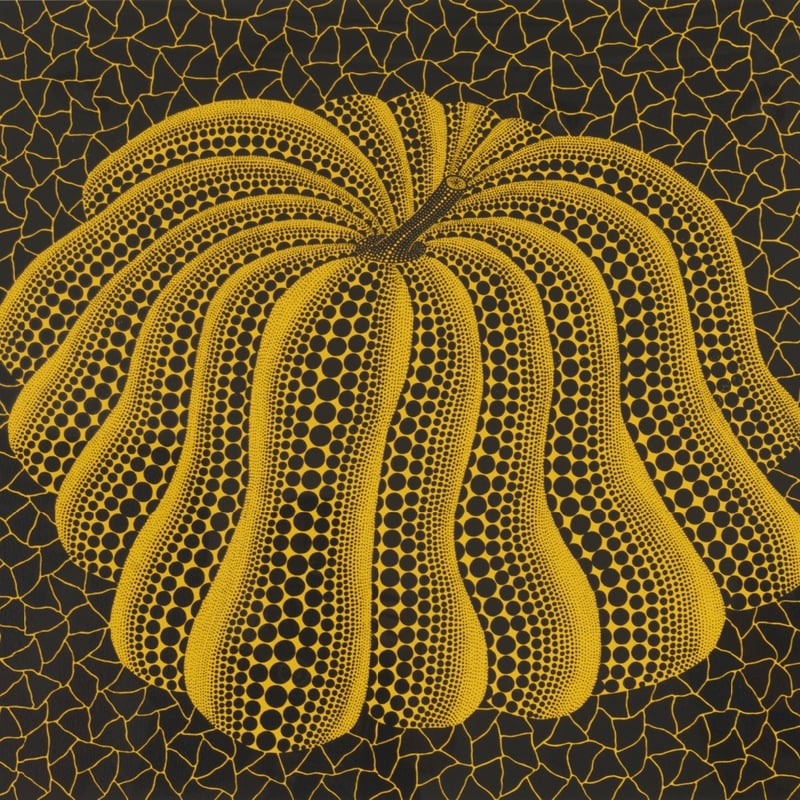
Yayoi Kusama
Pumpkin (S), 1992
Limited Edition Print
Screen-print
GBP 37,500
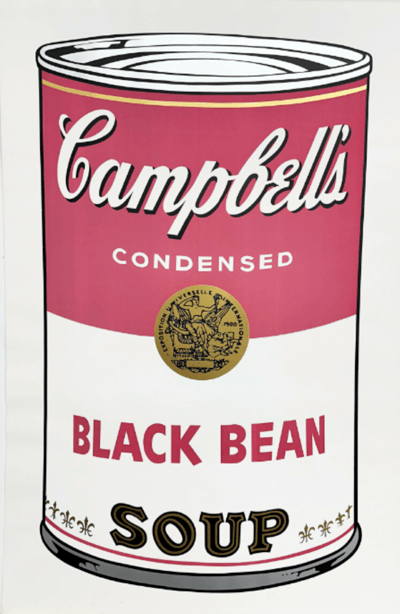
Andy Warhol
Campbell's Soup Can I: Black Bean, 1968
Limited Edition Print
Screen-print
GBP 65,000
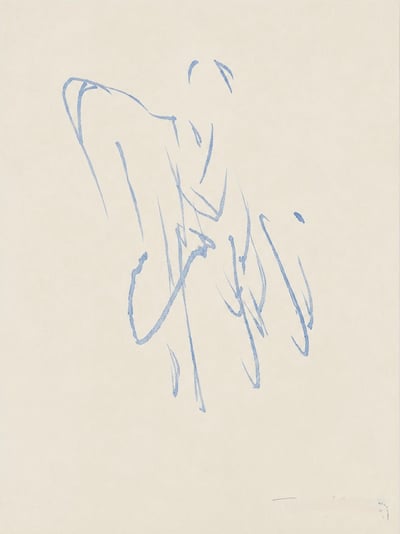
Jean Tinguely
Meta – Matic N9, 1960
Drawing / Watercolor
Pen and ink
EUR 500
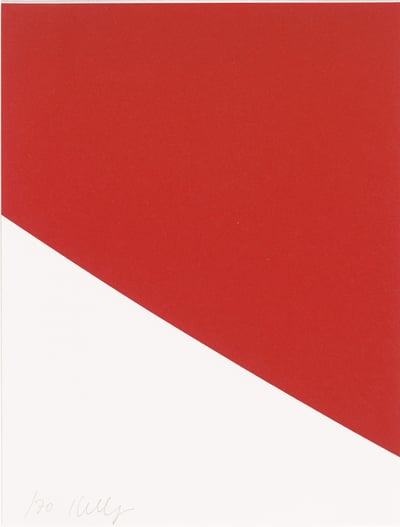
Ellsworth Kelly
Red Curve, 1999
Limited Edition Print
Lithograph
USD 16,000
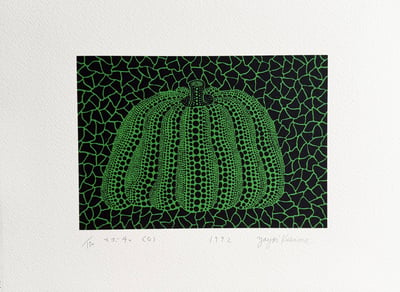
Yayoi Kusama
Pumpkin (G), 1992
Limited Edition Print
Screen-print
USD 45,750
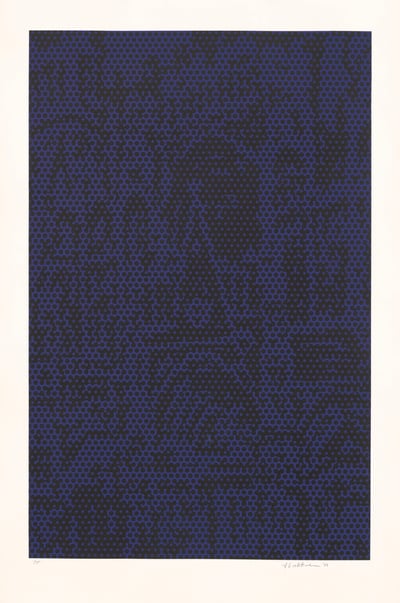
Roy Lichtenstein
Cathedral #6, 1969
Limited Edition Print
Lithograph
USD 21,200
Related Articles
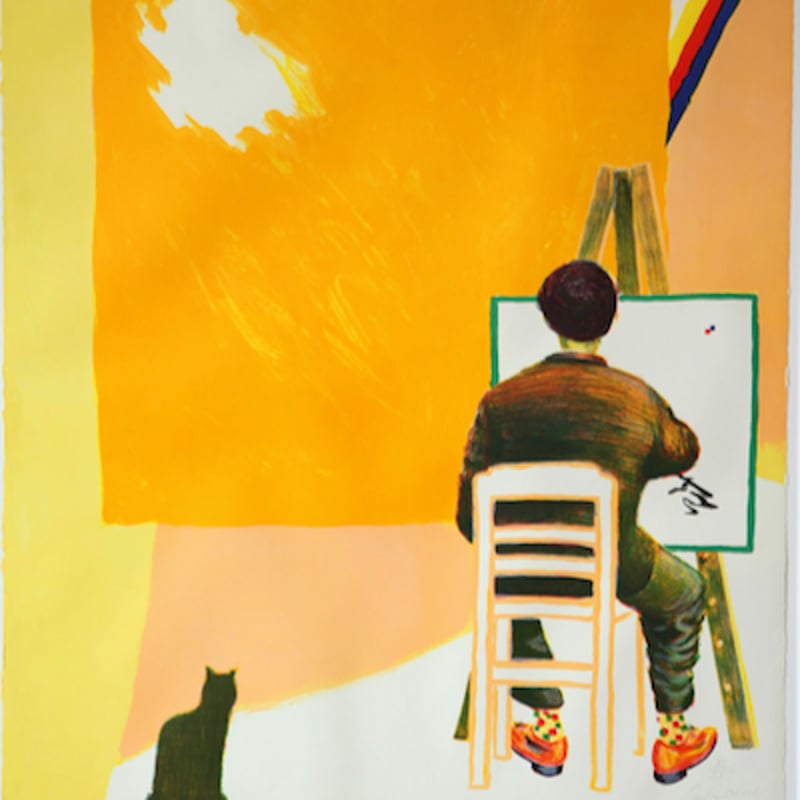
Neo-Figurative Art is a collective term that refers to the revival of figurative art in America and Europe during the 1960s, following a period dominated by abstraction. Michel Ragon, a French art critic, argued that this resurgence of figuration occurred during a critical time of social and political upheaval in both regions.

Épreuve d'Artist refers to the artist's proofs in a limited edition of prints. These are a small number of prints reserved by the artist for personal use and are typically marked with the abbreviation E.A. (épreuve d'artist) or AP (artist's proof). Artist’s proofs are usually identical to the regular edition but are often considered more valuable due to their limited quantity.
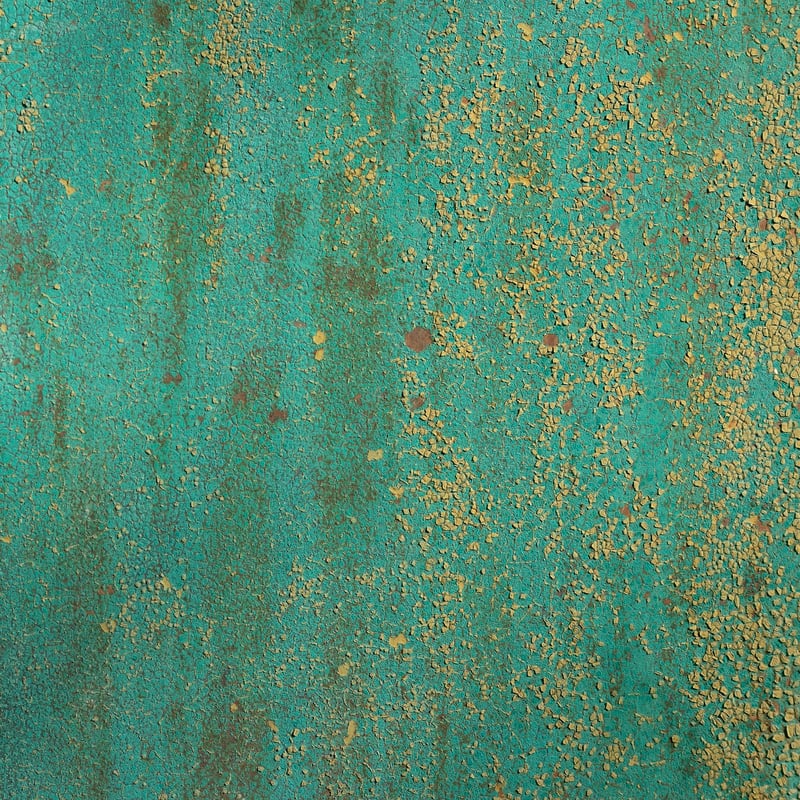
Patina is the distinctive greenish surface that bronze develops over time due to exposure to air and humidity. Artists can also apply chemicals to bronze to artificially create patina. Alternatively, bronze can be polished to reveal its natural rich gold color. Patina is not exclusive to bronze; it can also occur on other metals like copper and even on wood and stone, enhancing the material's character over time.
Can't find your Answer?
Thank you! Your question has been sent — we'll get back to you shortly.
