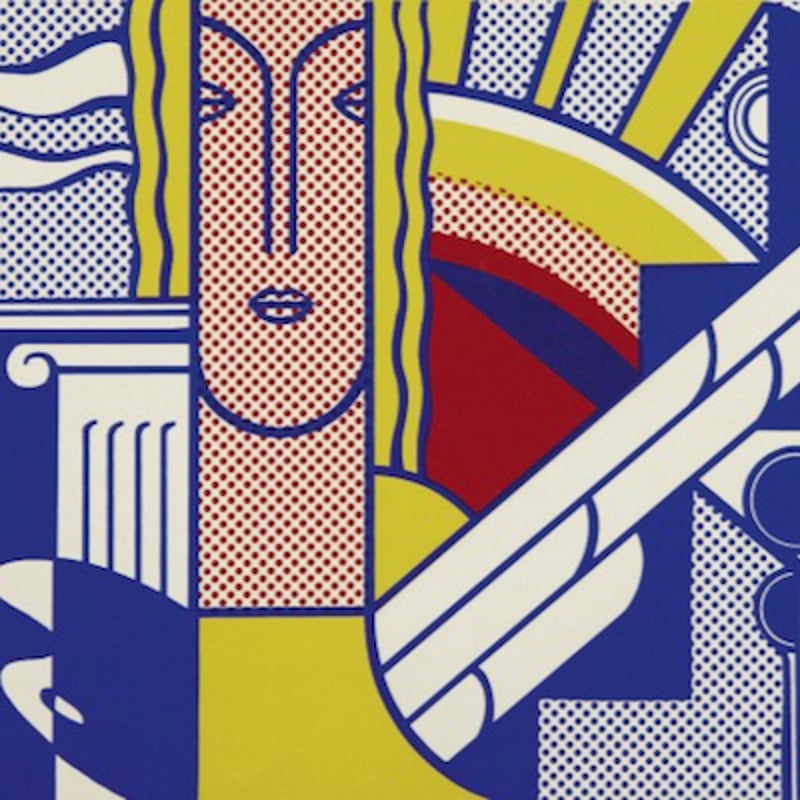
What is late modernism?
- Show All
- Established
- Discoveries
- Show All
Artworks Related to Late modernism
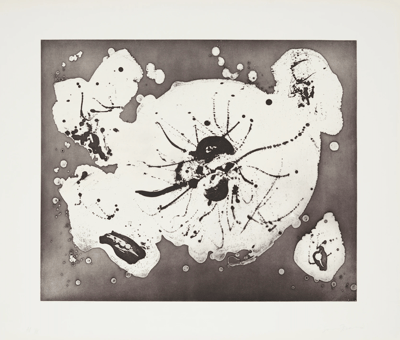
Sam Francis
Island Plate, 1973
Limited Edition Print
Etching and Aquatint
Inquire For Price
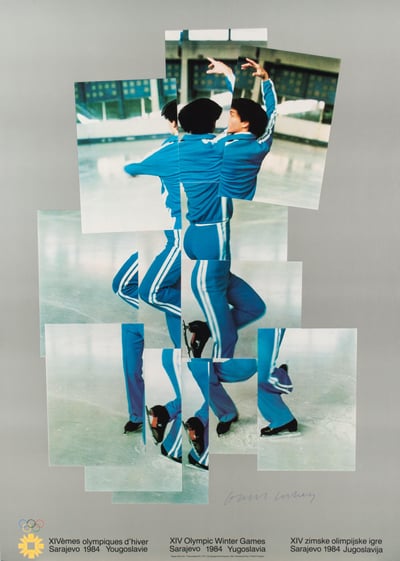
David Hockney
Skater, 1983
Limited Edition Print
Lithograph
EUR 2,400
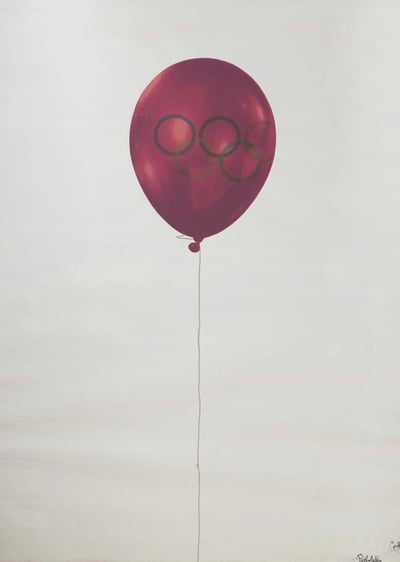
Michelangelo Pistoletto
Balloon, 1983
Limited Edition Print
Silkscreen
Inquire For Price

Piero Dorazio
La Ribambelle Des Gobelins II, 1992
Limited Edition Print
Silkscreen
EUR 1,750

Piero Dorazio
La Ribambelle Des Gobelins I, 1992
Limited Edition Print
Silkscreen
EUR 1,750

Piero Dorazio
Ellisse blu, 1989
Limited Edition Print
Silkscreen
EUR 2,400

Piero Dorazio
La Ribambelle Des Gobelins IV, 1992
Limited Edition Print
Silkscreen
EUR 1,750

Piero Dorazio
La Ribambelle Des Gobelins V, 1992
Limited Edition Print
Silkscreen
EUR 1,750

Piero Dorazio
Pink Abstract, 1992
Limited Edition Print
Silkscreen
EUR 1,750

Victor Vasarely
Olla, 1988
Limited Edition Print
Silkscreen
Inquire For Price

Victor Vasarely
Thez I, 1986
Limited Edition Print
Silkscreen
Inquire For Price

Victor Vasarely
Metagalaxie, 1989
Limited Edition Print
Silkscreen
Inquire For Price

Victor Vasarely
Di.am, ca. 1980
Limited Edition Print
Silkscreen
Inquire For Price

Victor Vasarely
Niels Bohr, 1981
Limited Edition Print
Silkscreen
Inquire For Price

Victor Vasarely
Sann (Benavides 891), 1981
Limited Edition Print
Screen-print
Inquire For Price

Victor Vasarely
Dagg 2, 1981
Limited Edition Print
Screen-print
Inquire For Price
Related Articles
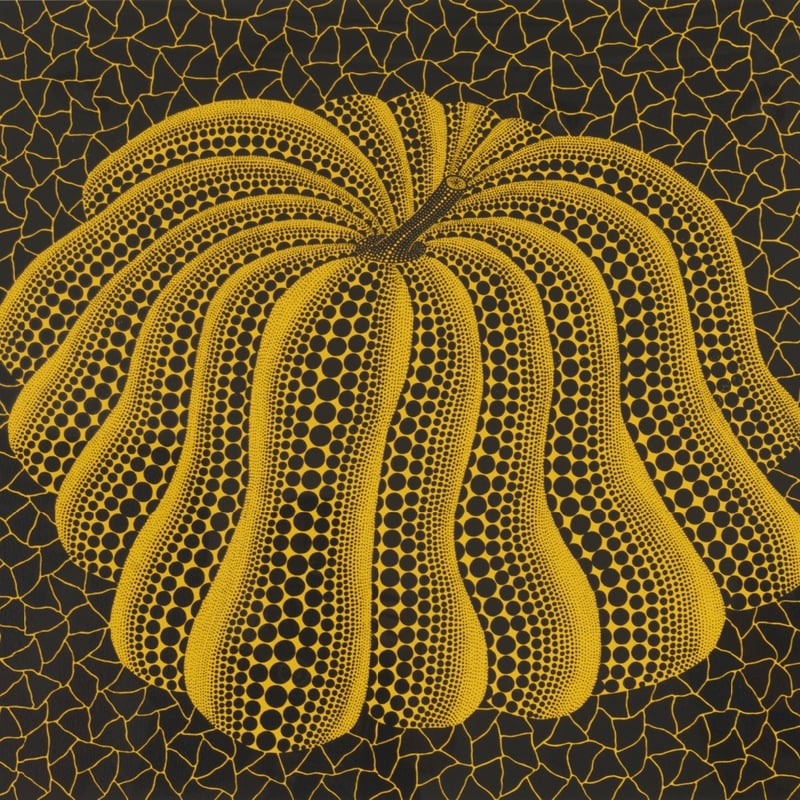


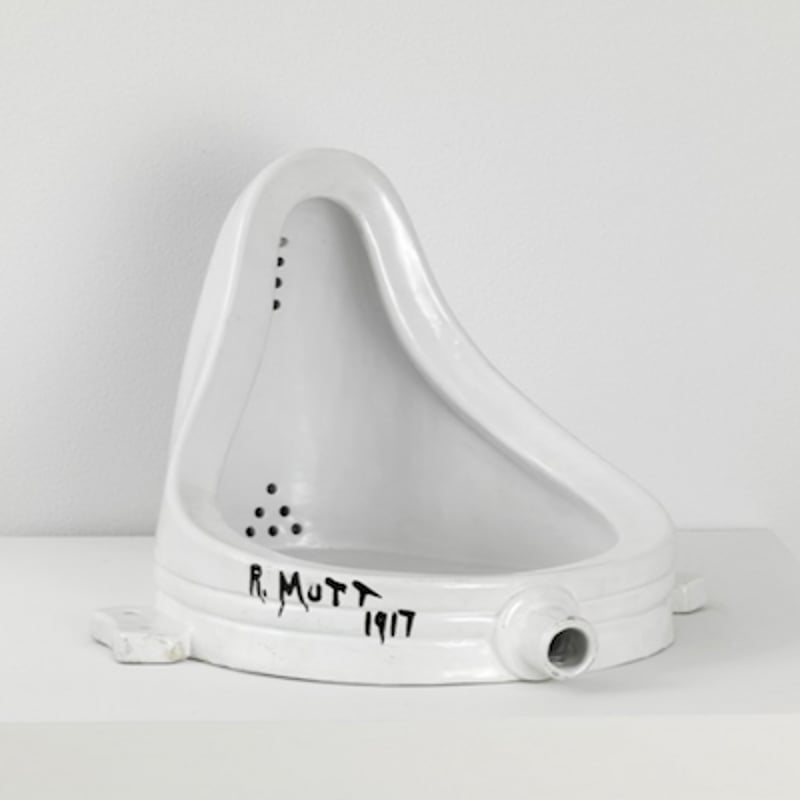
Anti-Art refers to artwork that challenges traditional definitions of art. The term is often attributed to artist Marcel Duchamp, who pioneered the use of readymades—everyday objects presented as art. These works defied conventional expectations that art should adhere to traditional or high art standards.

Bronze is a metal alloy made primarily of copper and tin, with a typical modern composition of 88% copper and 12% tin. Over time, bronze develops a patina, a surface color that often turns deep green due to oxidation. Large bronze objects, such as sculptures, are typically made in foundries. Bronze is valued for its durability and has been widely used throughout history for art, tools, and weapons.

Metalcut was a relief printing technique used primarily in Europe from around 1450 to 1540. The technique involved using thin metal plates. One method involved cutting or hammering away parts of the plate that were not intended to print, while the other method used engraving to create white lines on a black background.
Can't find your Answer?
Thank you! Your question has been sent — we'll get back to you shortly.
