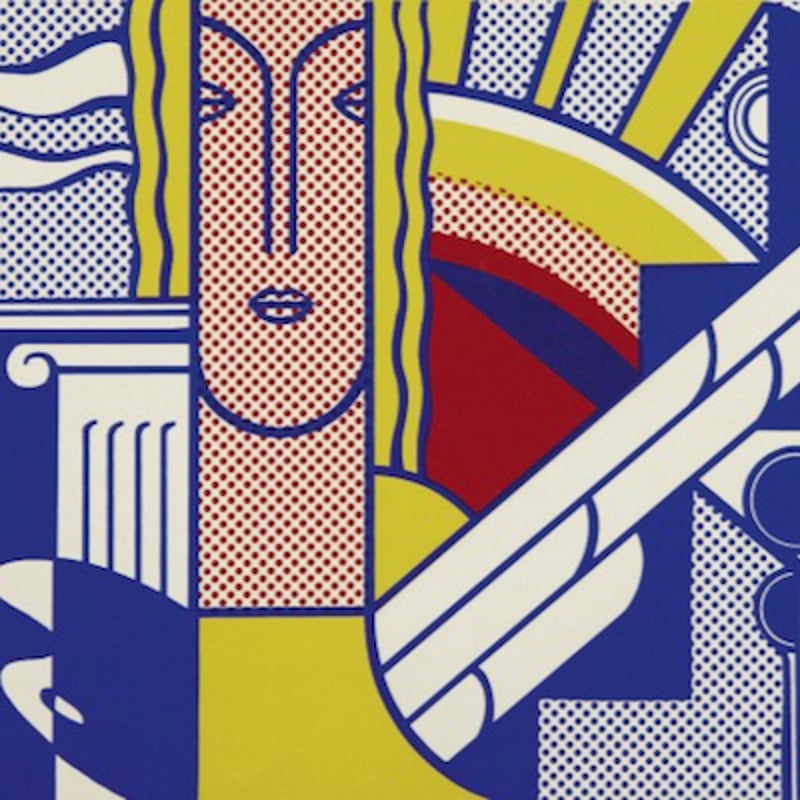
What is late modernism?
- Show All
- Established
- Discoveries
- Show All
Artworks Related to Late modernism
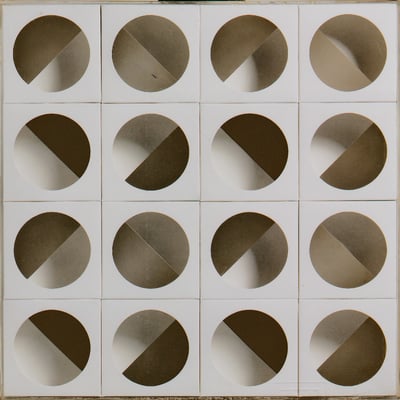
Paolo Scheggi
Inter-Ena Cubo, 1965
Sculpture / Object
Mixed Media
Currently Not Available
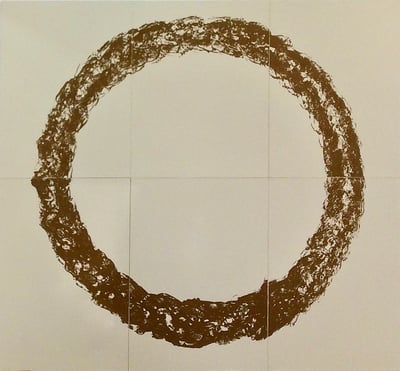
Gunther Uecker
Ouroboros (natural sand), 2018
Limited Edition Print
Screen-print
EUR 22,000
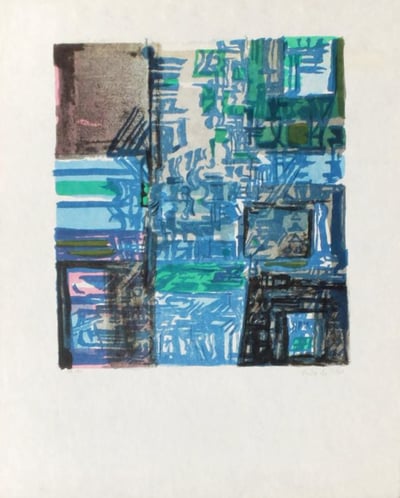
Helena Vieira da Silva
Faïence, 1971
Limited Edition Print
Lithograph
Currently Not Available
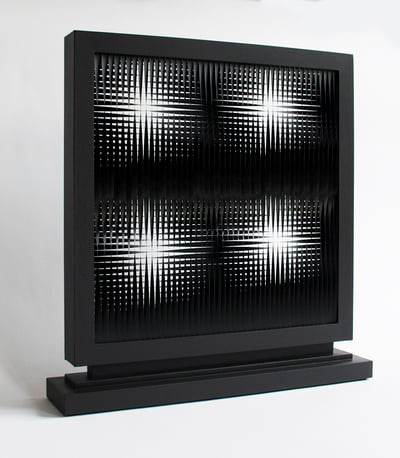
Alberto Biasi
Torsioni Sovrapposte Noir, 2017
Sculpture / Object
Mixed Media
EUR 3,000
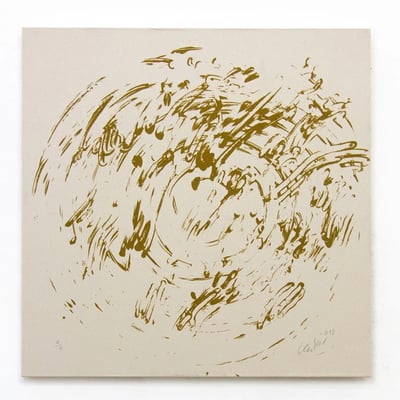
Gunther Uecker
Ouroboros #11, 2018
Limited Edition Print
Sand
EUR 8,000
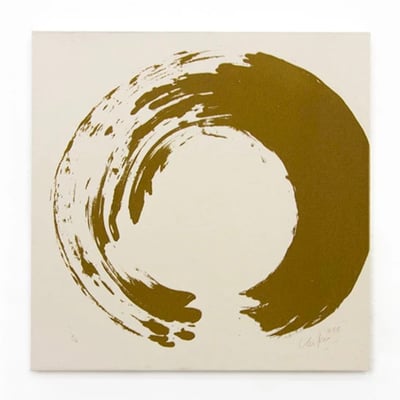
Gunther Uecker
Ouroboros #10, 2018
Limited Edition Print
Sand
EUR 8,000
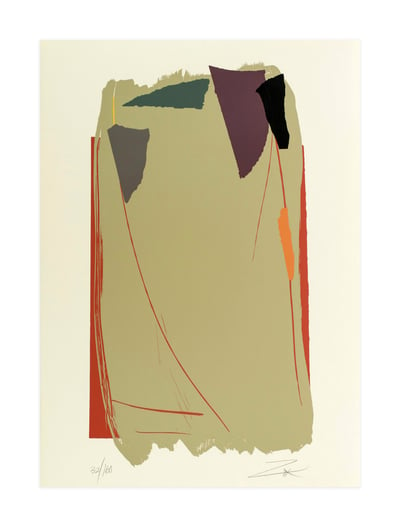
Larry Zox
Grey Sweep I, 1979
Limited Edition Print
Serigraph
Currently Not Available
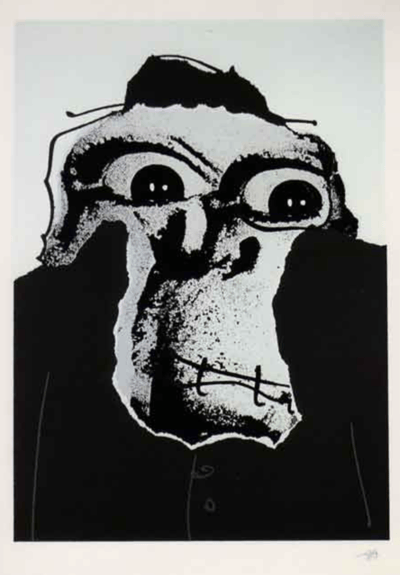
Antonio Saura
Moi, Planche 12, 1976
Limited Edition Print
Serigraph
EUR 1,880
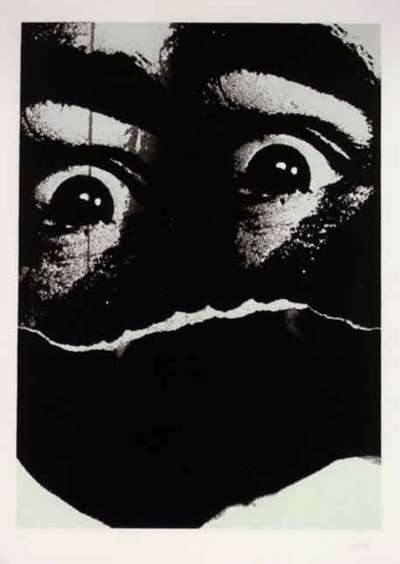
Antonio Saura
Moi, Planche 14, 1976
Limited Edition Print
Serigraph
EUR 2,650
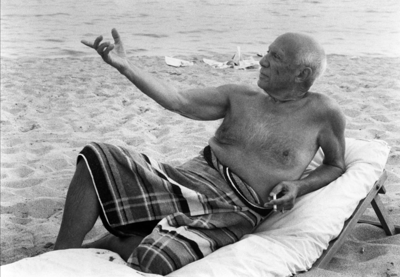
Lucien Clergue
Picasso En La playa, 1965
Photography
Photograph
EUR 3,125
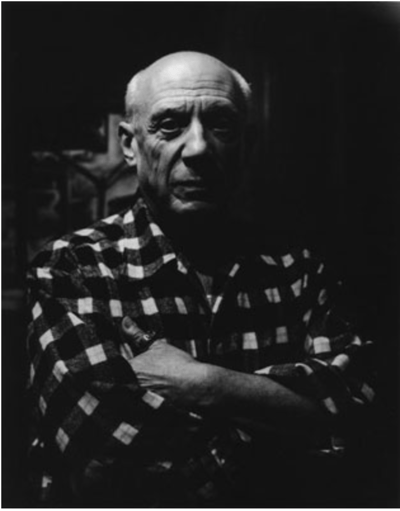
Lucien Clergue
Picasso , 1956
Photography
Photograph
EUR 3,125
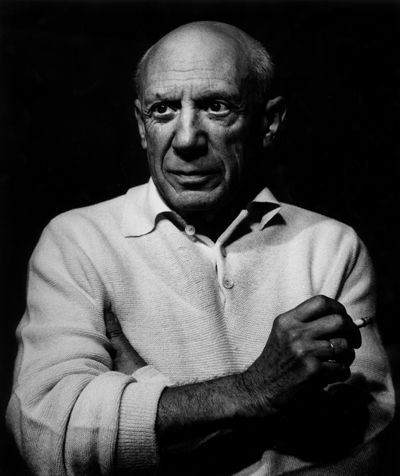
Lucien Clergue
Picasso con un cigarro, 1956
Photography
Photograph
EUR 3,125
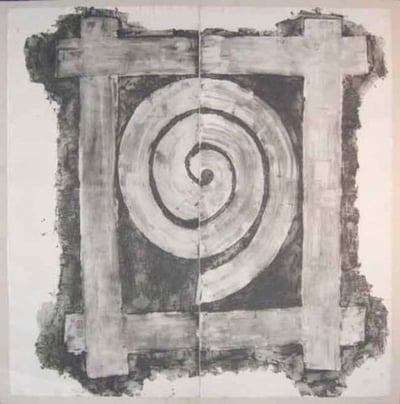
Martin Chirino
Obra Gráfica, 1973
Limited Edition Print
Etching and Aquatint
EUR 6,250
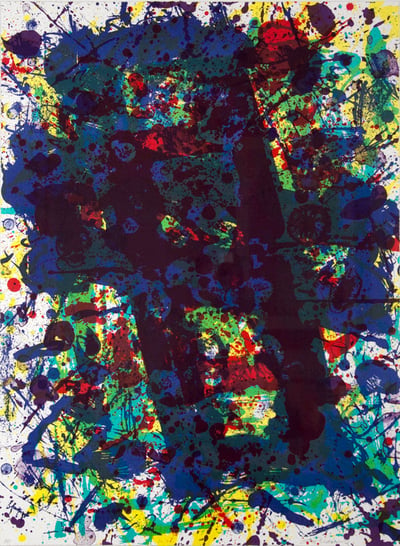
Sam Francis
Untitled from the Papierski Portfolio, 1992
Limited Edition Print
Lithograph
EUR 6,000
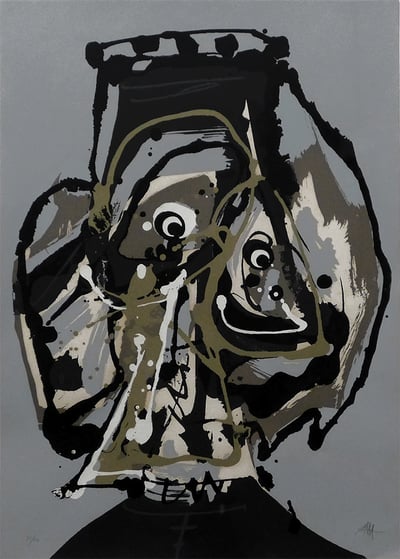
Antonio Saura
Atal, 1983
Limited Edition Print
Silkscreen
EUR 2,100
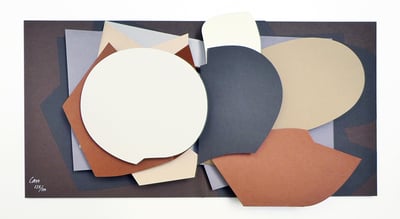
Anthony Caro
Leaf Pool, 1996 - 2000
Limited Edition Print
Assemblage
EUR 2,500 - 4,000
Related Articles
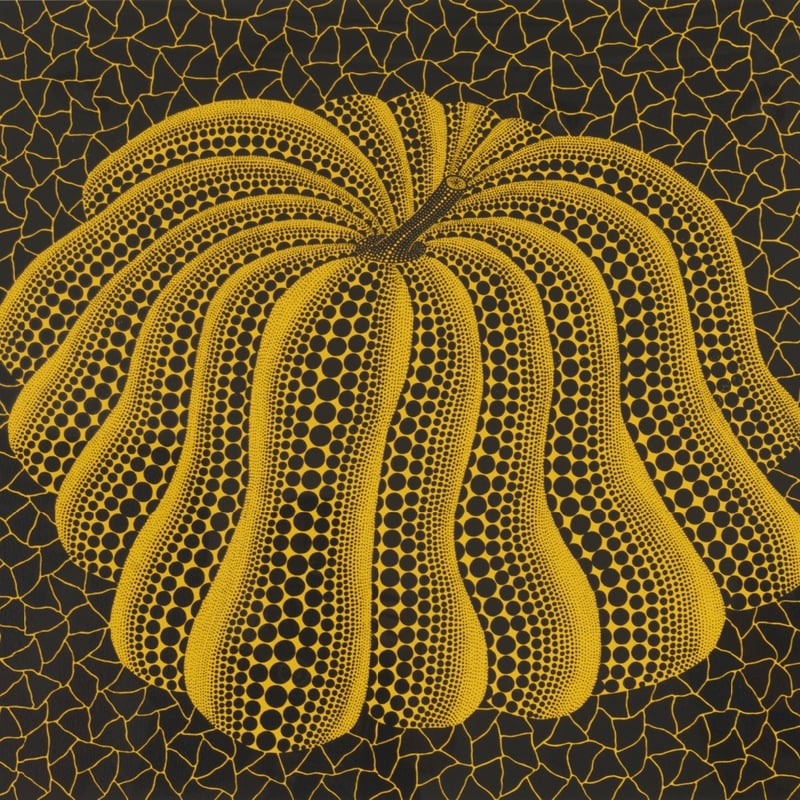
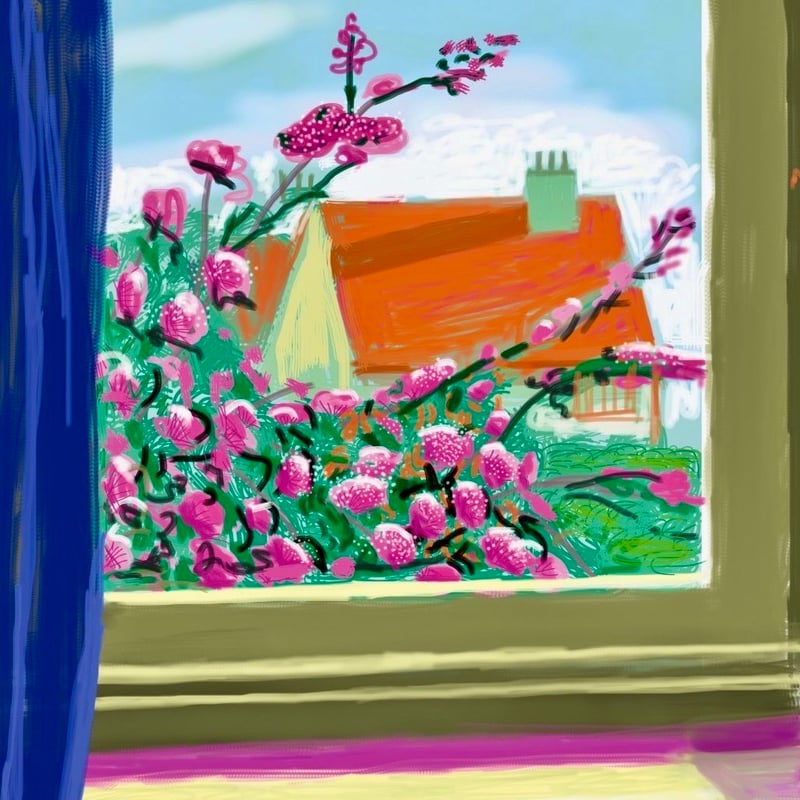
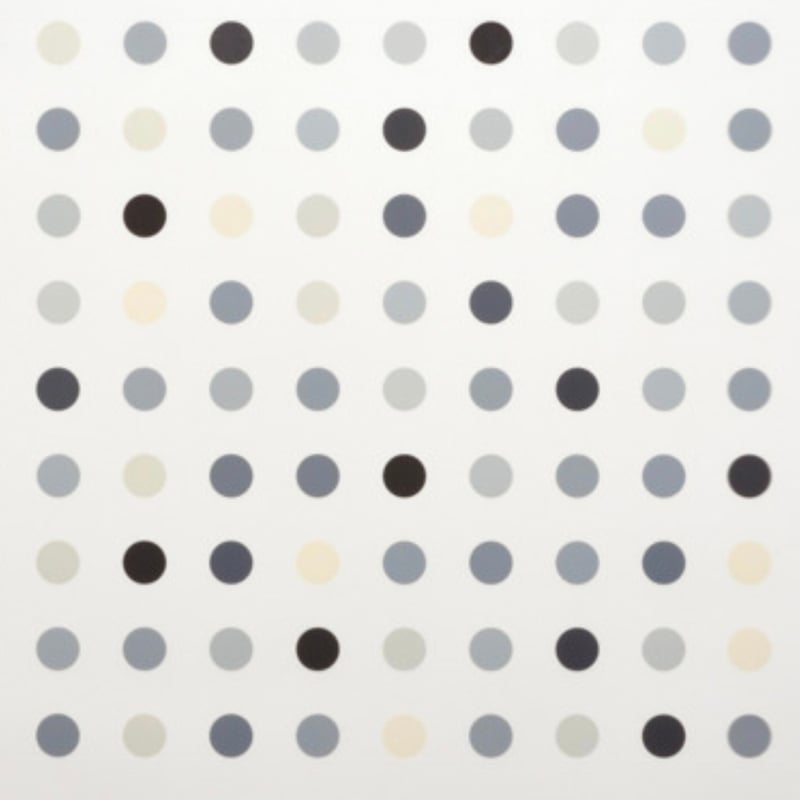
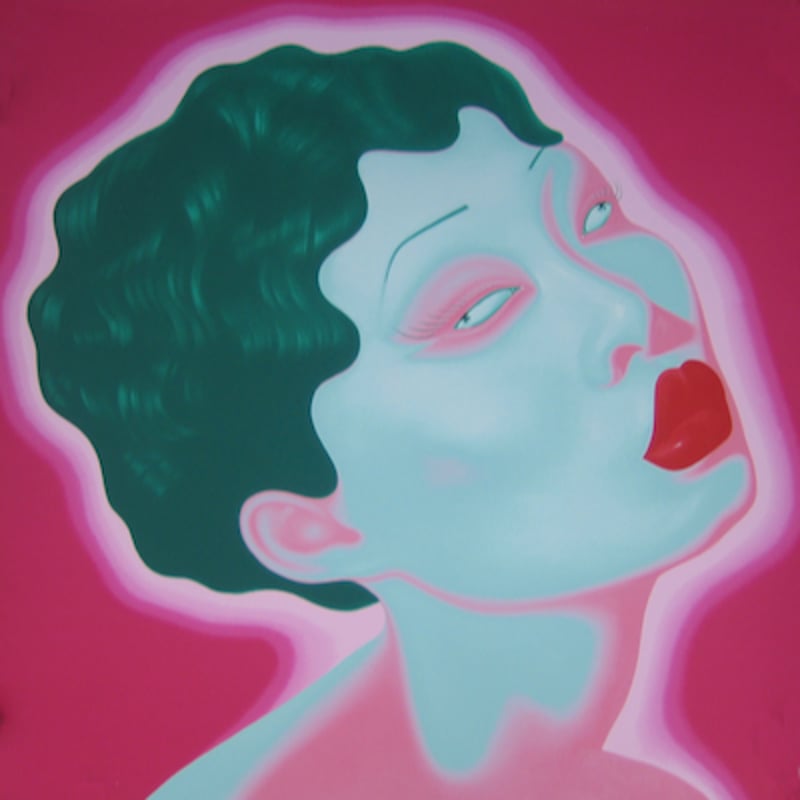
Chinese Contemporary Art is marked by a wide range of styles and experimental approaches. In the 1980s, avant-garde exhibitions were often shut down by government officials. The 1990s saw the rise of political pop and cynical realism, while China's One-Child Policy influenced artists to explore the individual as a subject matter.
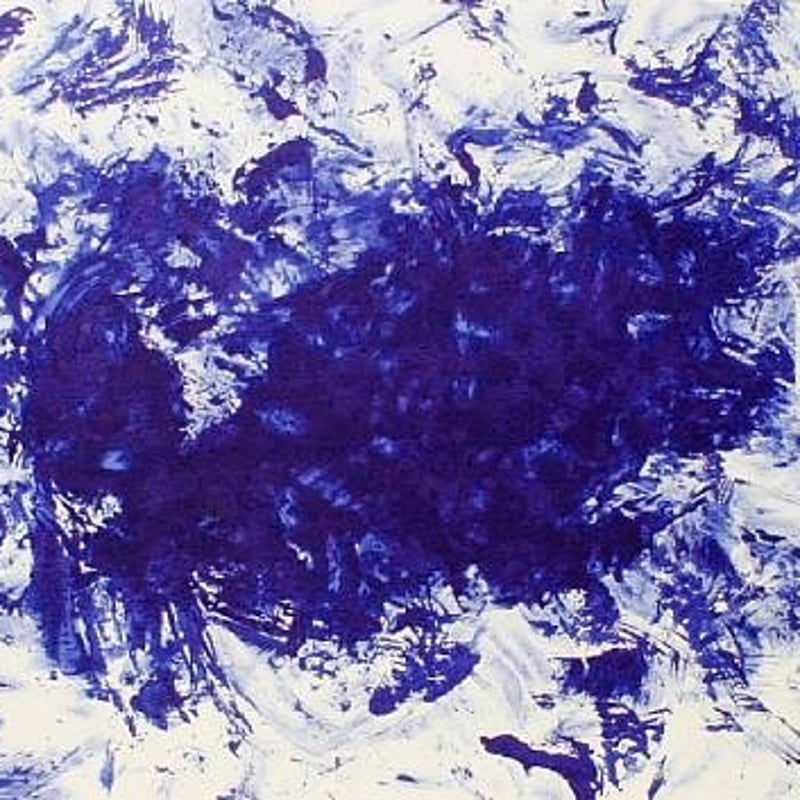
Body art involves creating art directly on or with the human body. Common forms include body piercings and tattoos, but it also encompasses practices like branding, scarification, scalping, body painting, full-body tattoos, body shaping, and sub-dermal implants. Body art can also refer to a subcategory of performance art where the artist's body is central to the artwork.
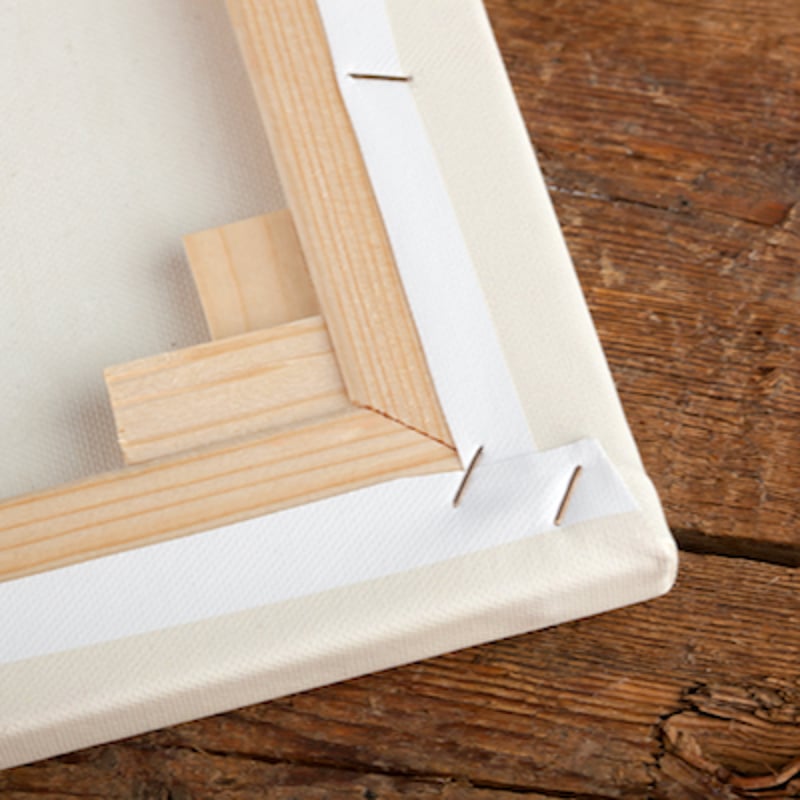
Recto and verso are terms used to describe the right and left pages of an open book, or the front and back of a sheet of paper. In both cases, recto refers to the right-hand page or the front of the paper, while verso refers to the left-hand page or the back of the paper. These terms are commonly used in bookbinding, printmaking, and art to distinguish between the two sides of a sheet.
Can't find your Answer?
Thank you! Your question has been sent — we'll get back to you shortly.
