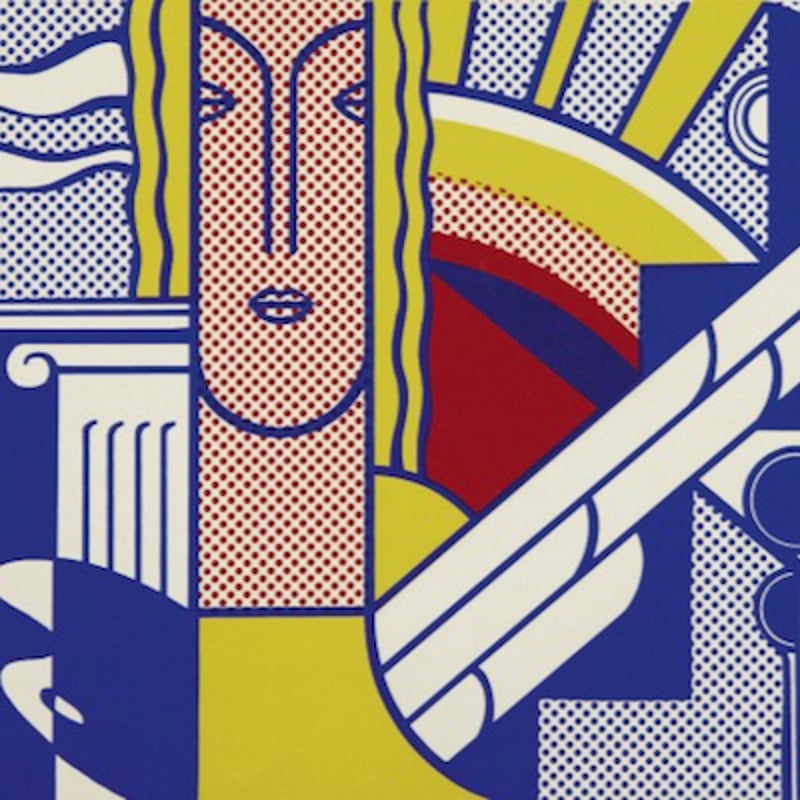
What is late modernism?
- Show All
- Established
- Discoveries
- Show All
Artworks Related to Late modernism
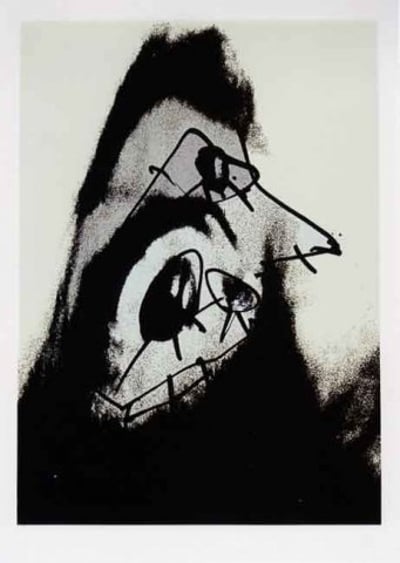
Antonio Saura
Moi, Planche 8, 1976
Limited Edition Print
Serigraph
EUR 2,650
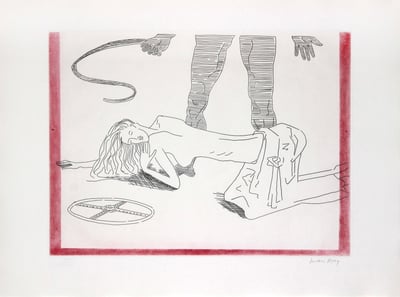
Man Ray
Donna, 1970
Limited Edition Print
Etching
EUR 2,750

Man Ray
Le Concert, 1970
Limited Edition Print
Etching
EUR 2,750
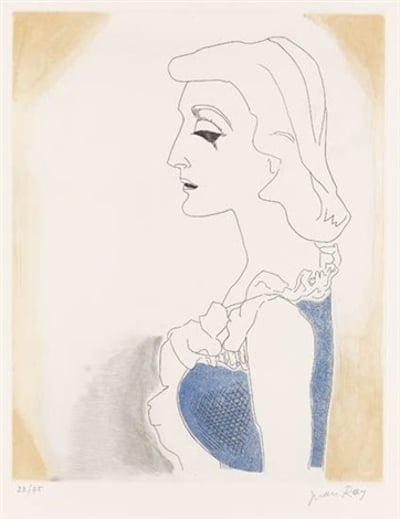
Man Ray
La ballade des dames hors du temps, 1970
Limited Edition Print
Etching and Aquatint
EUR 2,750
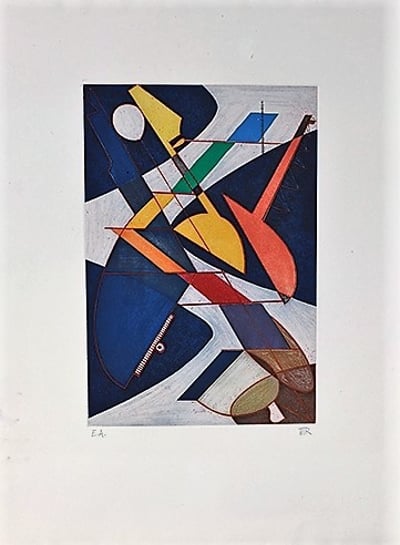
Man Ray
Symphony ou Orchestra, 1970
Limited Edition Print
Etching and Aquatint
EUR 4,375
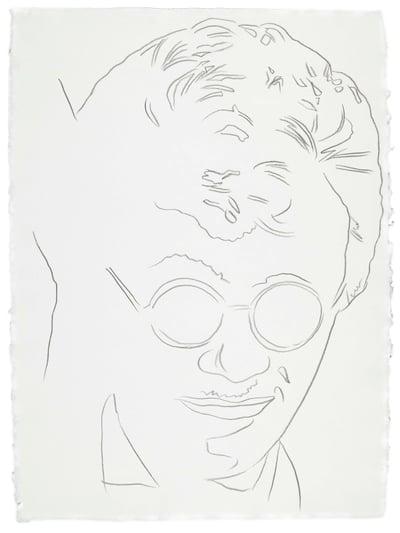
Andy Warhol
Rats and Star Band Member #2 , 1983
Drawing / Watercolor
Pencil
EUR 32,000
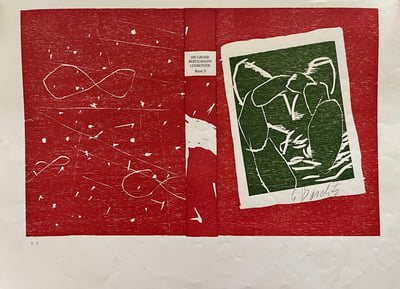
Georg Baselitz
Die Grosse..., 1992
Limited Edition Print
Serigraph
EUR 1,550
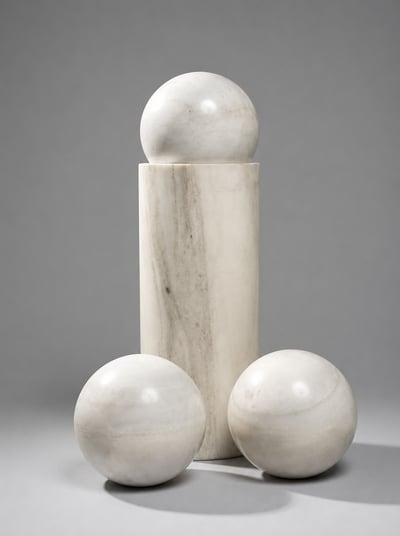
Man Ray
Pynape, 1975
Sculpture / Object
Marble
Currently Not Available

Joan Mitchell
Tree I, 1990
Limited Edition Print
Lithograph
Currently Not Available
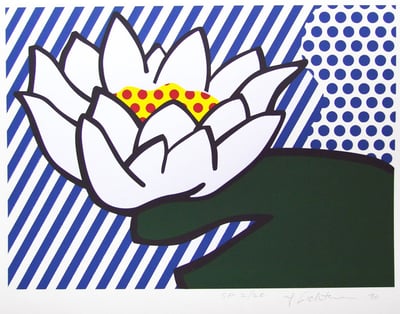
Roy Lichtenstein
Water Lily, 1993
Limited Edition Print
Screen-print
Currently Not Available
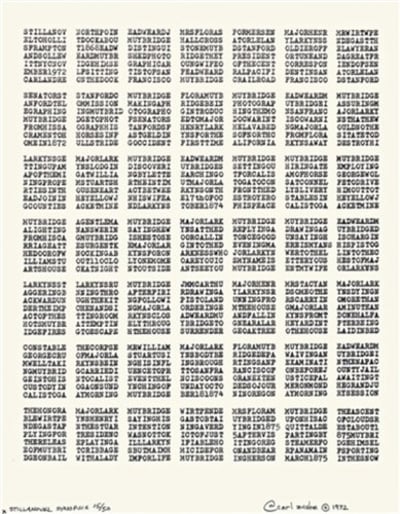
Carl Andre
Still Novel Synopsis, 1972
Limited Edition Print
Inkjet print
Currently Not Available

Gert & Uwe Tobias
Ohne Titel - portfolio (18), 2008
Limited Edition Print
Drypoint
EUR 10,800
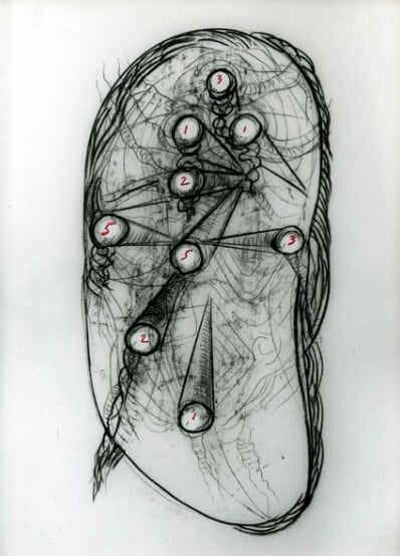
Mario Merz
Ohne Titel
Limited Edition Print
Lithograph
Currently Not Available
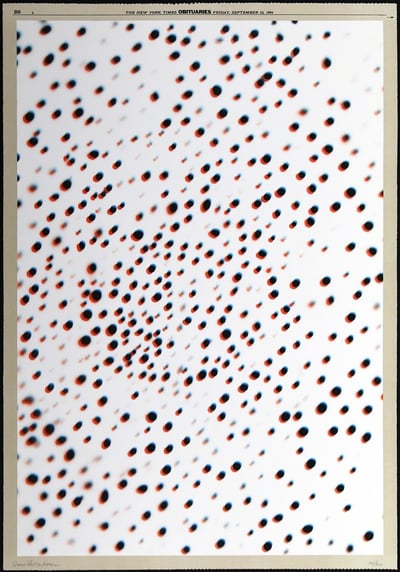
Ross Bleckner
September 23rd, 2016
Limited Edition Print
Lithograph
EUR 1,800
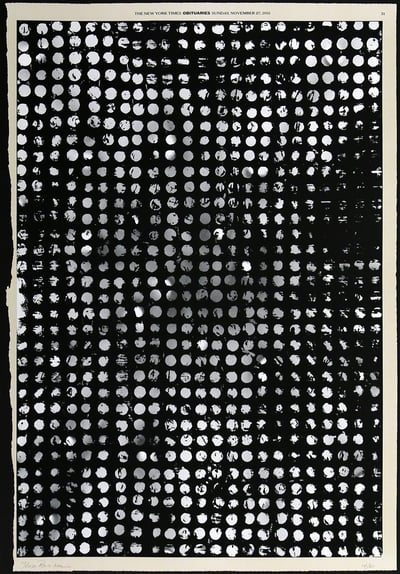
Ross Bleckner
November 27th, 2016
Limited Edition Print
Lithograph
EUR 1,800

Ross Bleckner
November 29th, 2016
Limited Edition Print
Lithograph
EUR 1,800
Related Articles

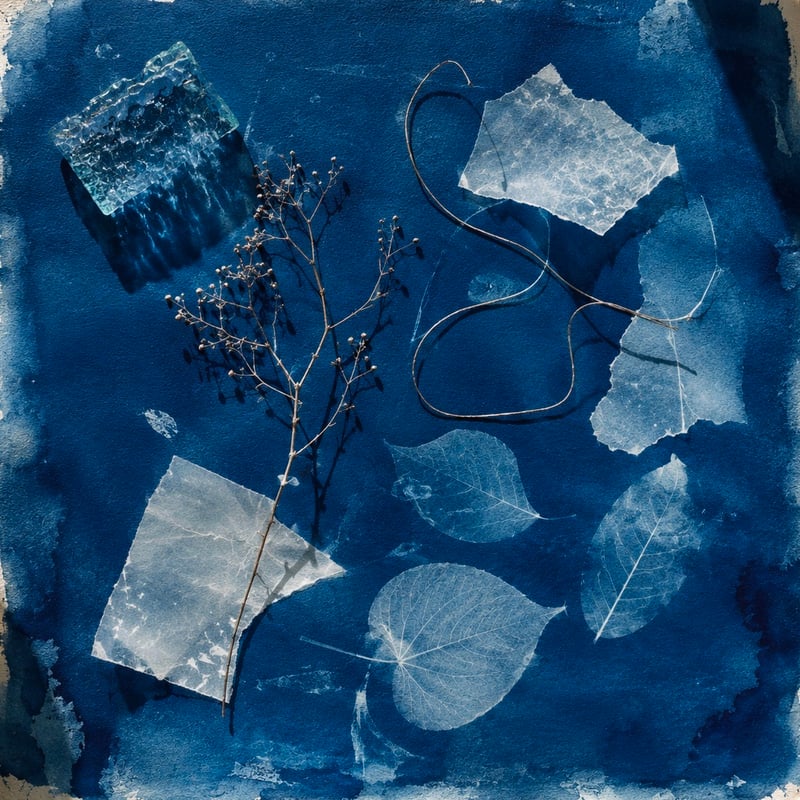
Cyanotype is a photographic technique that creates images in shades of blue, commonly known as blueprints. It involves coating a surface with a mixture of two chemicals, typically ferric ammonium citrate and potassium ferricyanide. When exposed to UV light and then washed in water, the process produces white images on a deep blue background.
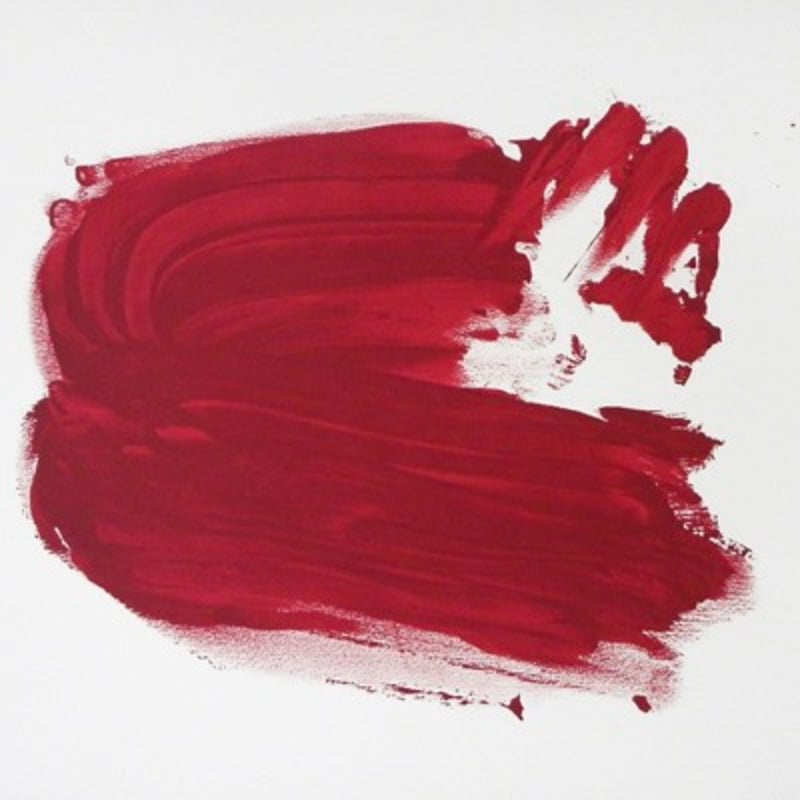
Dau Al Set was an artistic movement that sought to express both the conscious and unconscious mind through art. Initially an offshoot of Surrealism, it evolved into a distinct movement over time. Founded in Catalonia post-World War II, Dau Al Set was the first artistic movement in the region after the war. The name Dau Al Set translates to the seventh face of the dice in Catalan, symbolizing the movement's unique and unconventional character.
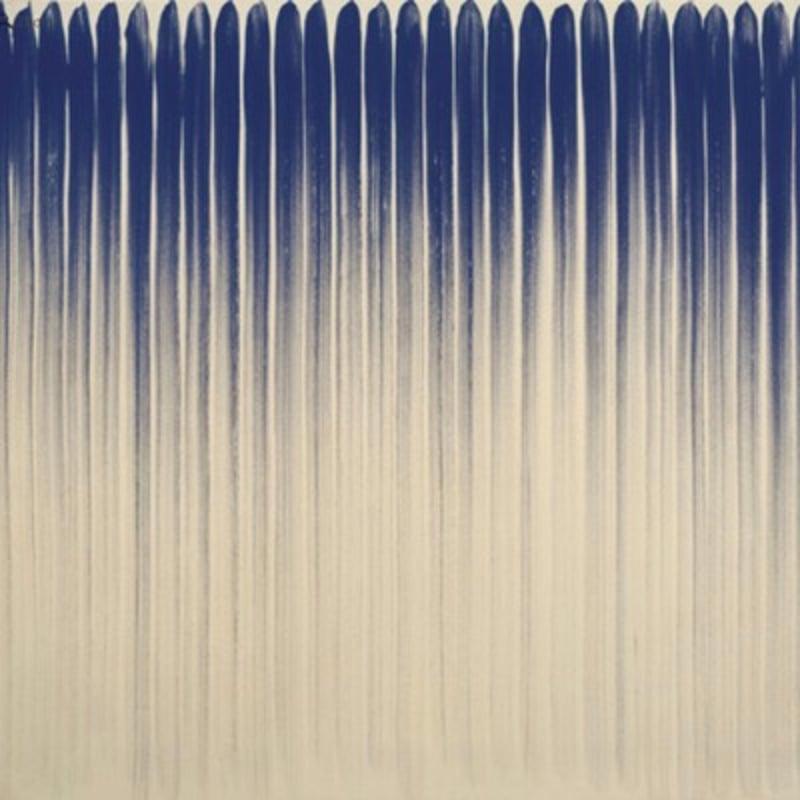
Meaning School of Things, Mono-ha originated in Tokyo in the mid-1960s. Instead of creating traditional artwork, the artists of Mono-ha used different materials and their natural properties to express dismay at the industrialization taking place in Japan at the time. The movement gained international attention and is now a widely respected form of art, known for its emphasis on the relationship between materials and their environment.
Can't find your Answer?
Thank you! Your question has been sent — we'll get back to you shortly.
