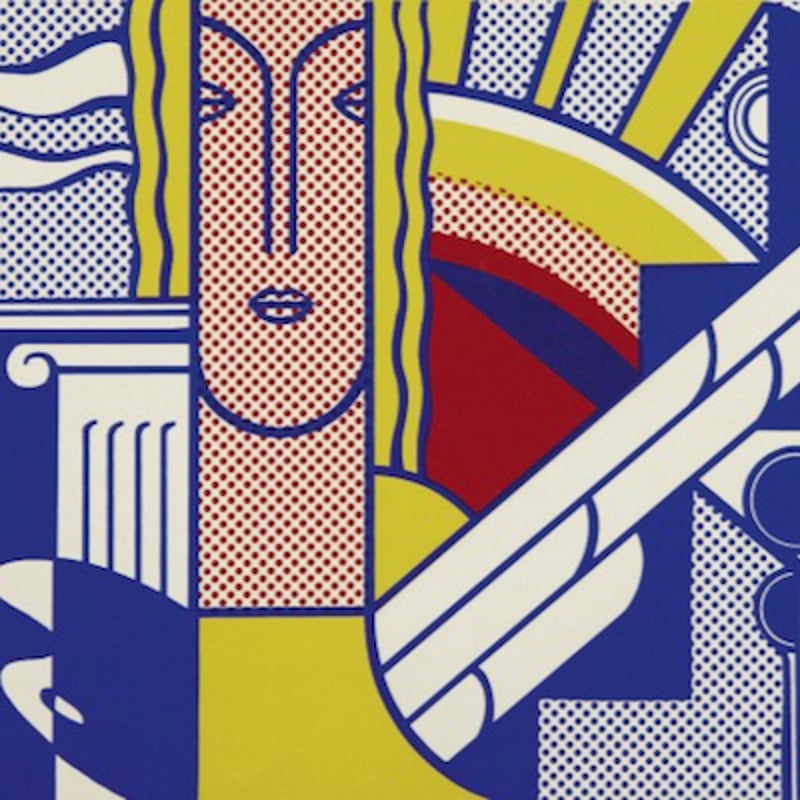
What is late modernism?
- Show All
- Established
- Discoveries
- Show All
Artworks Related to Late modernism
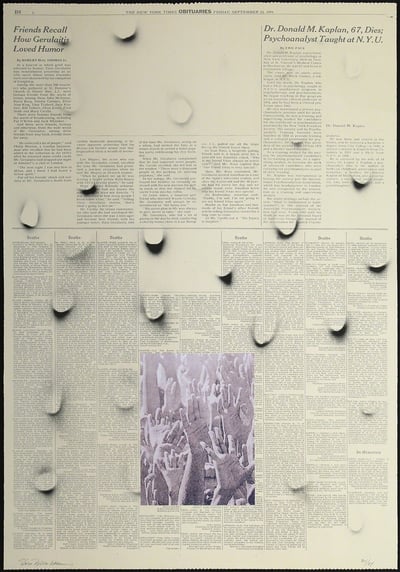
Ross Bleckner
September 23rd bis (variant 1), 2016
Limited Edition Print
Lithograph
Currently Not Available

Ross Bleckner
September 23rd bis (variant 4), 2016
Limited Edition Print
Lithograph
EUR 1,800
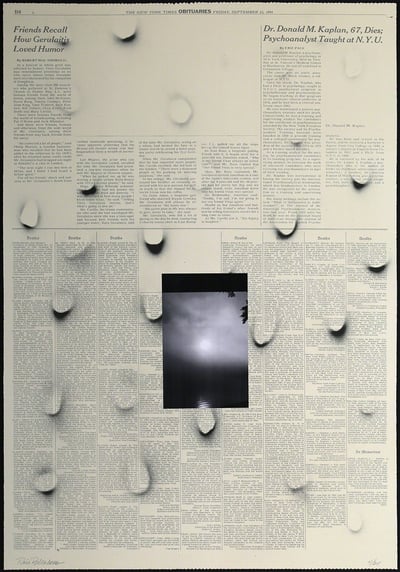
Ross Bleckner
September 23rd bis (variant 5), 2016
Limited Edition Print
Lithograph
EUR 1,800

Ross Bleckner
September 23rd bis (variant 6), 2016
Limited Edition Print
Lithograph
EUR 1,800

Ross Bleckner
September 23rd bis (variant 3), 2016
Limited Edition Print
Lithograph
EUR 1,800

Robert Rauschenberg
One lioner, 2000
Limited Edition Print
Lithograph
Inquire For Price
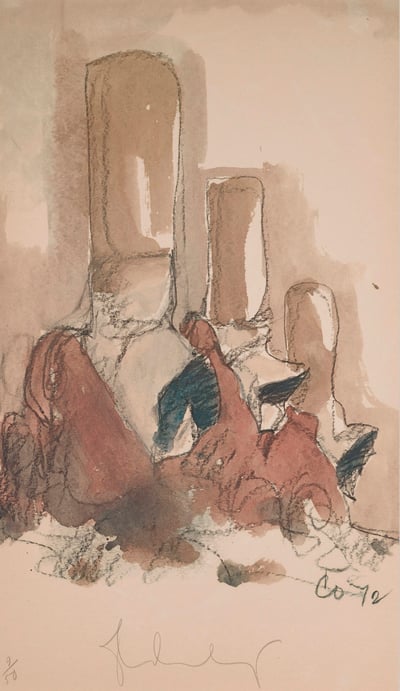
Claes Oldenburg
Fagends Carved in Rock Fagend Canyon, 1975
Limited Edition Print
Offset Print
Inquire For Price

Victor Vasarely
Attila, 1990
Limited Edition Print
Screen-print
EUR 1,900
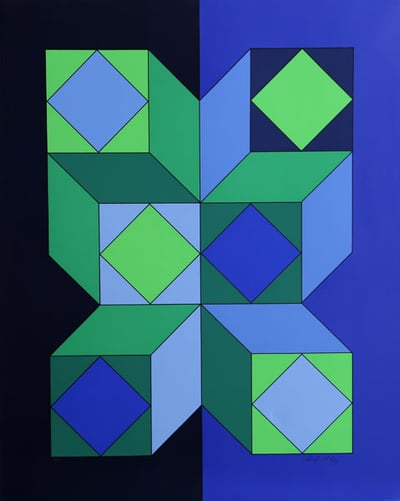
Victor Vasarely
VY-29-C, 1973
Limited Edition Print
Serigraph
EUR 2,200
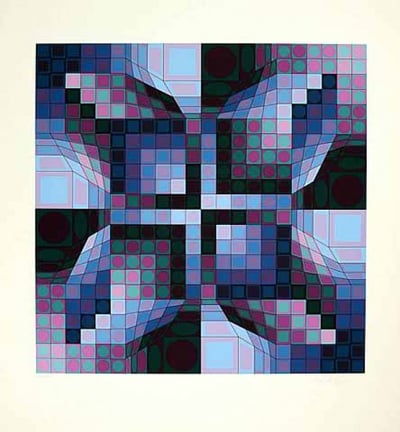
Victor Vasarely
Firka
Limited Edition Print
Silkscreen
EUR 1,700

Victor Vasarely
Gordes Nives, 1971
Limited Edition Print
Lithograph
EUR 1,400

Victor Vasarely
XLV
Limited Edition Print
Silkscreen
EUR 2,200

Victor Vasarely
Kat-Zag, 1980
Limited Edition Print
Lithograph
EUR 1,980

Red Grooms
Ruckus Taxi (Mini), 2004
Limited Edition Print
Lithograph
USD 1,450
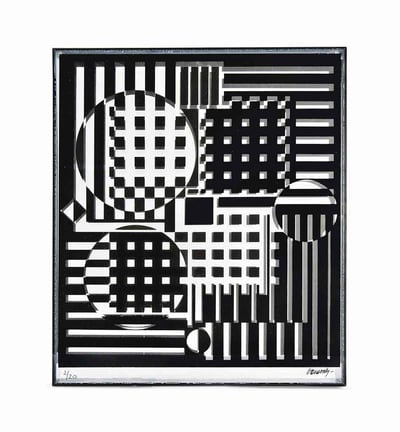
Victor Vasarely
Pleionne, 1990
Sculpture / Object
Acrylic sculpture
Currently Not Available
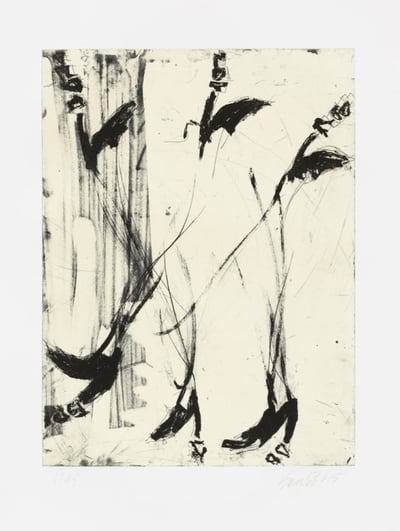
Georg Baselitz
Sono sei piedi, 2015
Limited Edition Print
Etching and Aquatint
Currently Not Available
Related Articles


Photorealism is a genre of art or artistic movement that involves drawing, painting, and other graphic media in which the artist carefully studies a photograph and attempts to reproduce it as realistically as possible in another medium. While the term can broadly describe any artwork created in this manner, it specifically refers to a group of painters and paintings in the U.S. art movement that emerged in the late 1960s and early 1970s.

Emulation is the process of recreating digital art to ensure it remains accessible and functional, even when the original technology used to create it becomes obsolete. This is done by using newer technology to replicate the experience and functionality of the original artwork, preserving art made with early cameras, software, and computers.

A plate is a broad, primarily flat vessel used for serving food, but it can also serve ceremonial or decorative purposes. Plates are typically circular, though they can be any shape and made from various water-resistant materials. Most plates have raised edges, either by curving upward or featuring a wider lip. Vessels without a raised edge or with a more rounded profile are often considered bowls or dishes, while very large, plate-shaped vessels might also be classified as dishes.
Can't find your Answer?
Thank you! Your question has been sent — we'll get back to you shortly.
