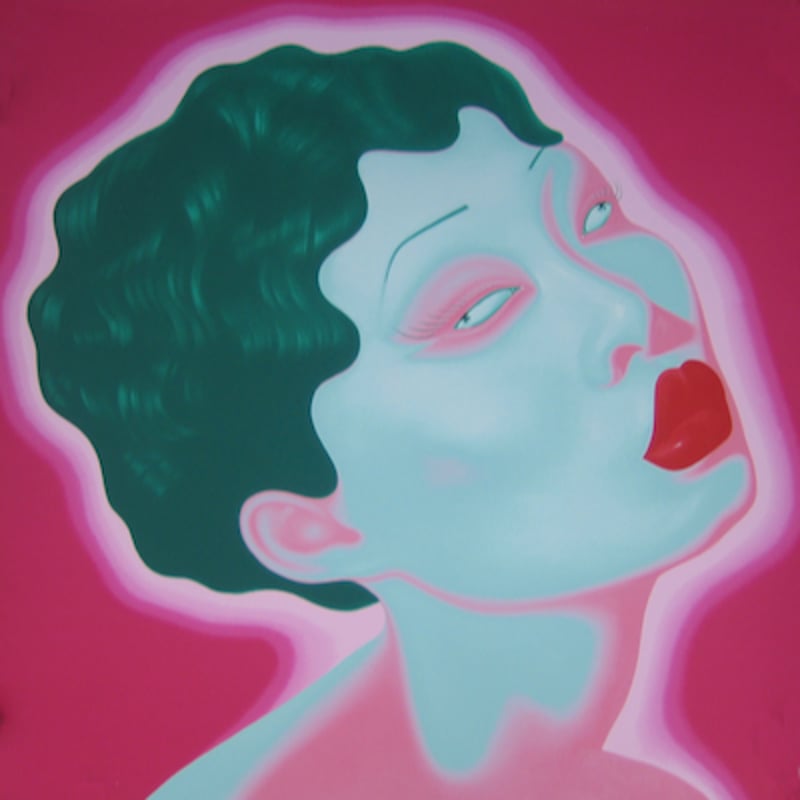
What is Chinese contemporary art?
- Show All
- Established
- Discoveries
- Show All
Artworks Related to Chinese Contemporary art
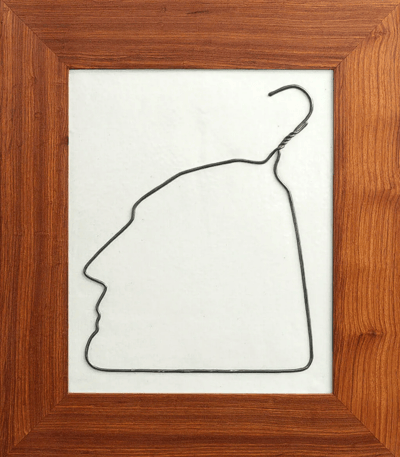
Weiwei Ai
Hanging Man in Porcelain, 2009
Sculpture / Object
Mixed Media
Inquire For Price
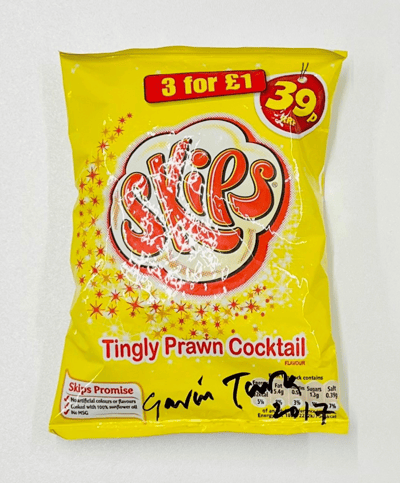
Gavin Turk
Transubsantiation, 2017
Sculpture / Object
Mixed Media
Inquire For Price

Zao Wou-Ki
Untitled (A. 246A), 1974
Limited Edition Print
Etching and Aquatint
EUR 4,500 - 6,000

Zao Wou-Ki
sonnets de Shakespeare II, 1994
Limited Edition Print
Etching
EUR 2,800

Zao Wou-Ki
Sonnets de Shakespeare I, 1994
Limited Edition Print
Etching
EUR 2,800
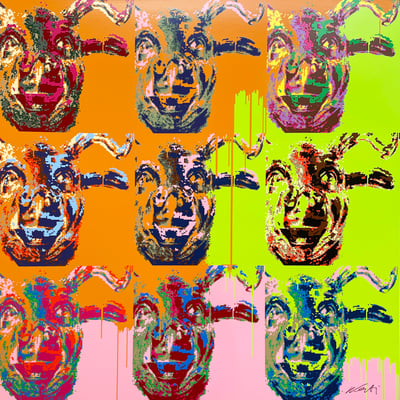
Weiwei Ai
Year of the Ox, 2021
Limited Edition Print
Screen-print
Inquire For Price
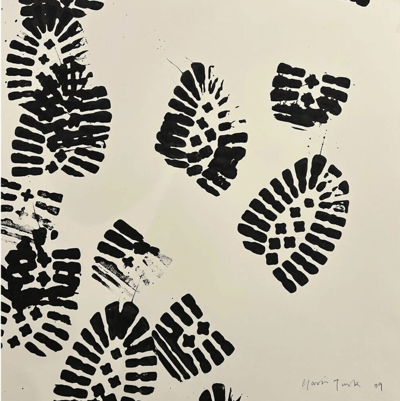
Gavin Turk
Boot, 2009
Painting
Acrylic on paper
Inquire For Price
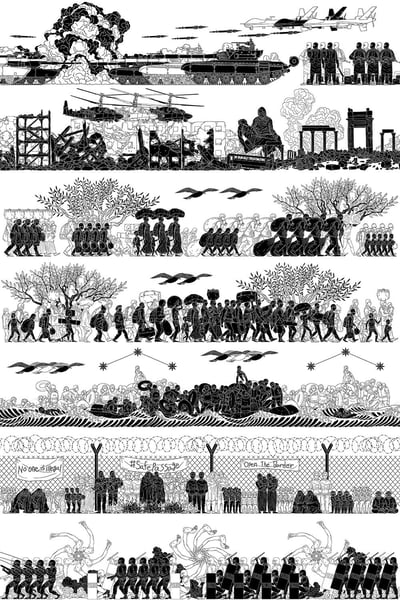
Weiwei Ai
The Odyssey, 2017
Limited Edition Print
Offset Print
EUR 1,550
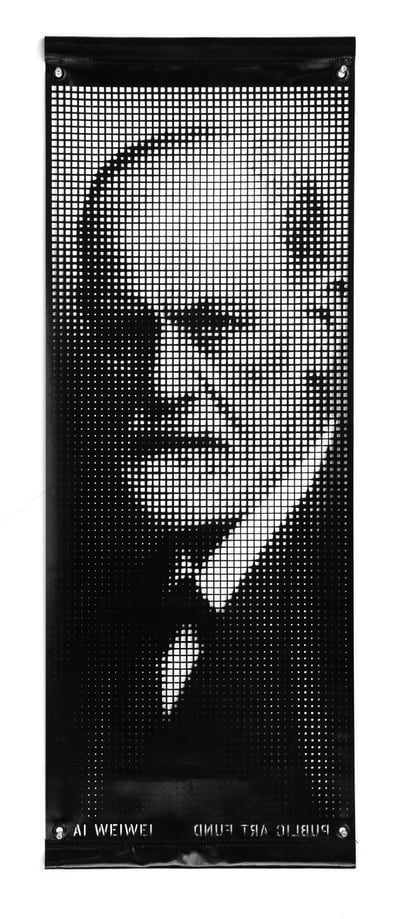
Weiwei Ai
Freud Banner, 2018
Limited Edition Print
Mixed Media
EUR 1,350

Gavin Turk
Merlot Damask, 2011
Limited Edition Print
Mixed Media
Inquire For Price

Gavin Turk
Knob, 1997
Limited Edition Print
Silkscreen
GBP 5,000 - 8,000
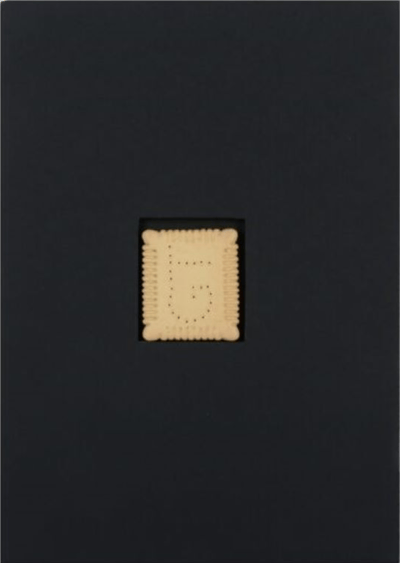
Gavin Turk
GT Biscuit, 2015
Sculpture / Object
Resin
Inquire For Price
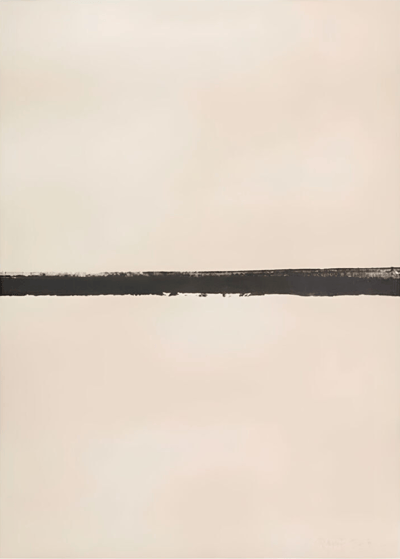
Gavin Turk
Cycle Line, 2018
Limited Edition Print
Mixed Media
GBP 2,100
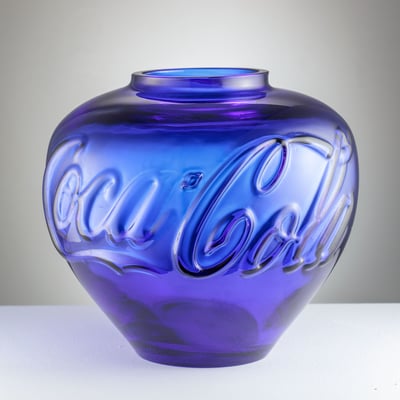
Weiwei Ai
Vase (Blue), 2024
Sculpture / Object
Glass
EUR 4,500
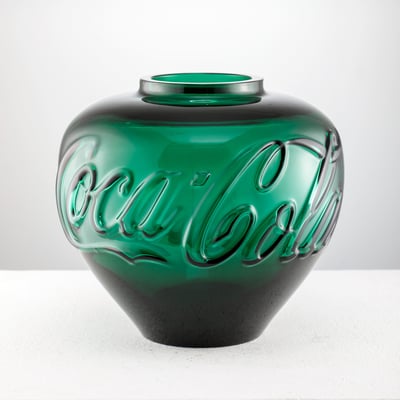
Weiwei Ai
Vase (Green), 2024
Sculpture / Object
Glass
Currently Not Available
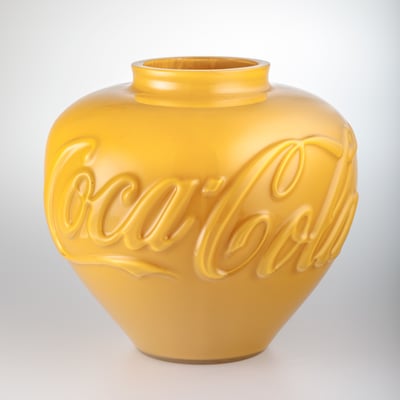
Weiwei Ai
Vase (Mustard), 2024
Sculpture / Object
Glass
EUR 4,500
Related Articles

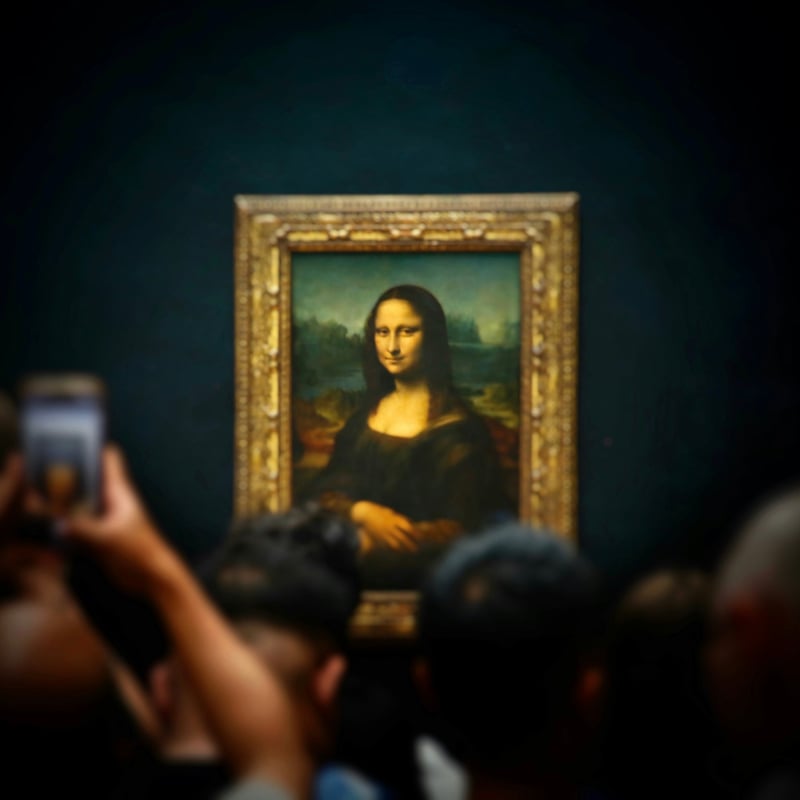
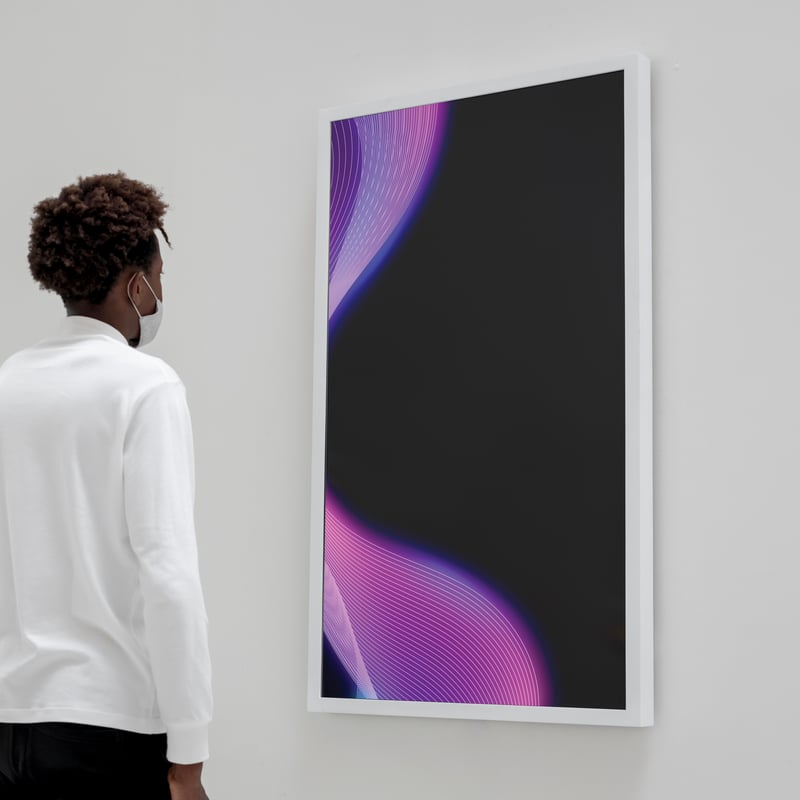
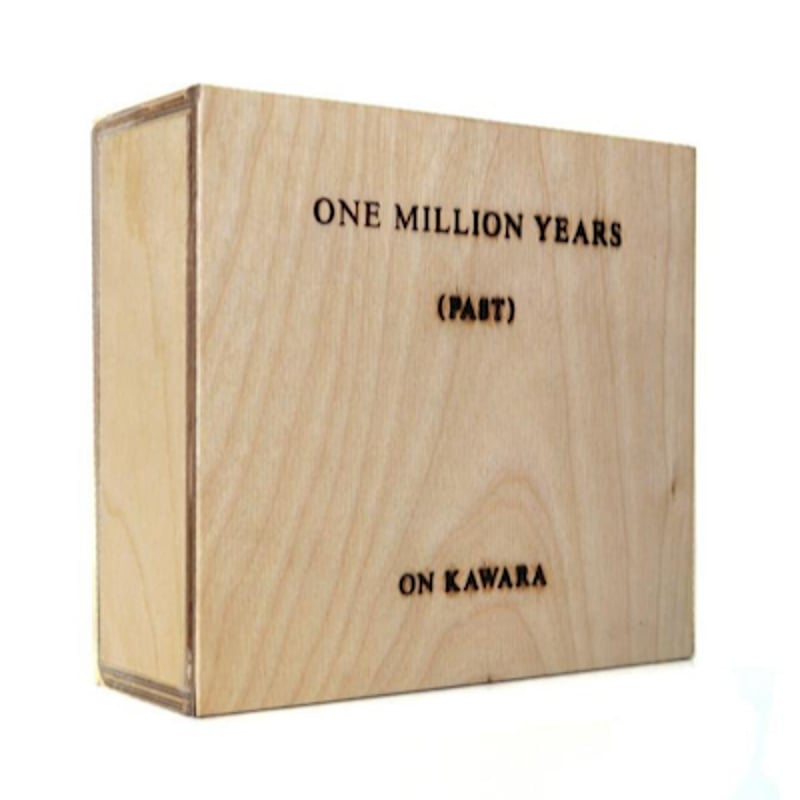
Mail Art is a populist art movement centered on the creation and exchange of small-scale artworks through the postal service. It developed out of the Fluxus movement in the 1950s and 1960s and has since evolved into a global art movement. Ray Johnson is recognized as the first mail artist, and his New York School is considered the first network of mail artists. Mail artists rely heavily on a network to exchange their works, often creating a community of artists connected through the postal system.

Action Painting is a style of painting where the physical act of creating art—such as gestural brushstrokes, splashing or dripping paint, or moving and dancing while applying paint—is considered essential to the artwork itself. This approach emphasizes the artist's movement and spontaneity as integral to the creative process.
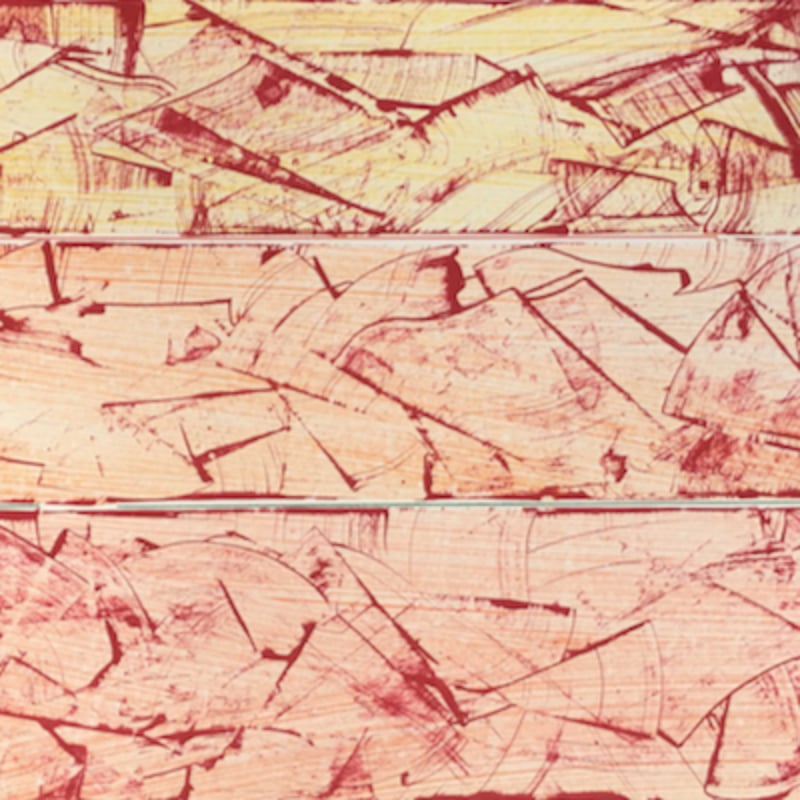
Systems Art refers to a group of artists who, during the late 1960s and early 1970s, used the frameworks of conceptualism and minimalism to create art that was responsive to its environment. Rejecting traditional art themes, they embraced aesthetic systems and experimented with diverse media. Systems Art often connected with contemporary political movements of the time, emphasizing the interrelationship between the artwork, its context, and the broader social and political environment.
Can't find your Answer?
Thank you! Your question has been sent — we'll get back to you shortly.
