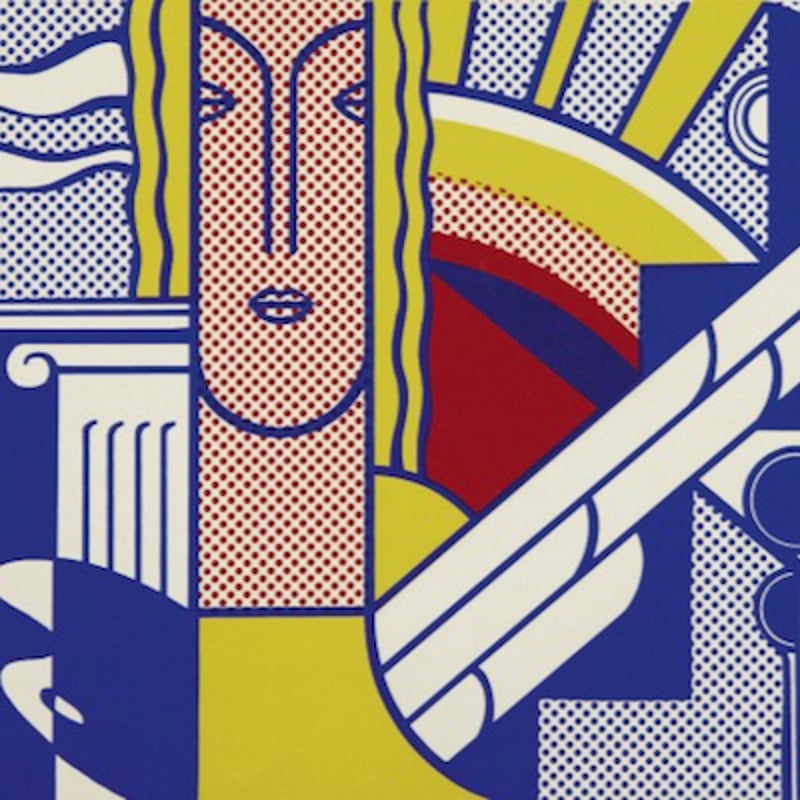
What is late modernism?
- Show All
- Established
- Discoveries
- Show All
Artworks Related to Late modernism
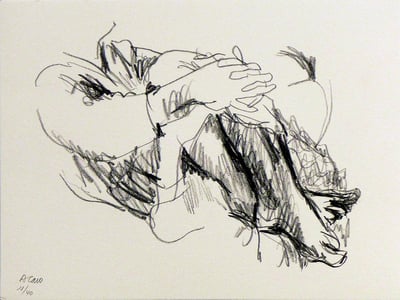
Anthony Caro
Untitled (Human Figure), 2003
Limited Edition Print
Lithograph
EUR 1,600
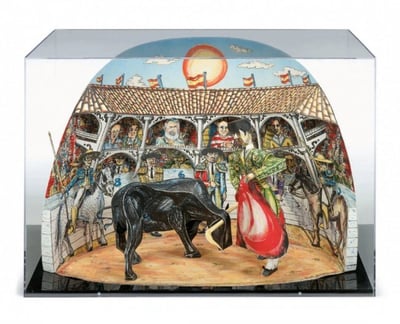
Red Grooms
Los Aficionados , 1990
Sculpture / Object
Mixed Media
USD 5,800
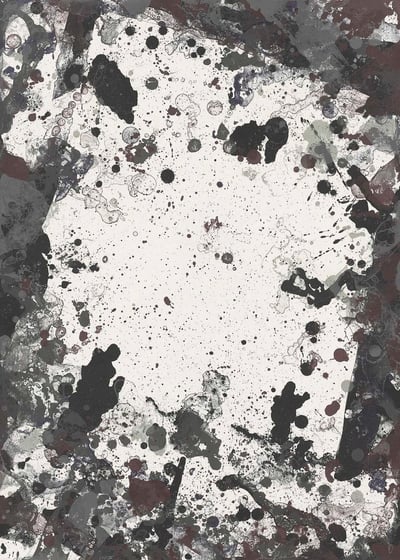
Sam Francis
Metal Line, 1971
Limited Edition Print
Lithograph
USD 8,500
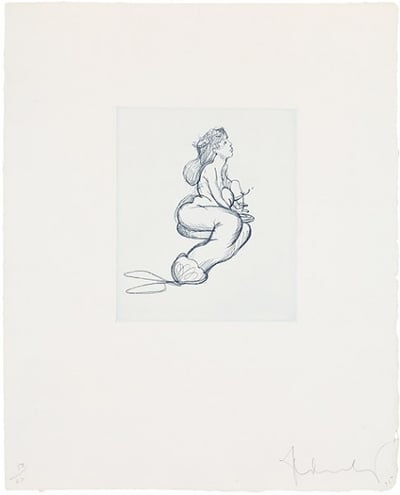
Claes Oldenburg
Mermaid, 1975
Limited Edition Print
Etching
EUR 2,400
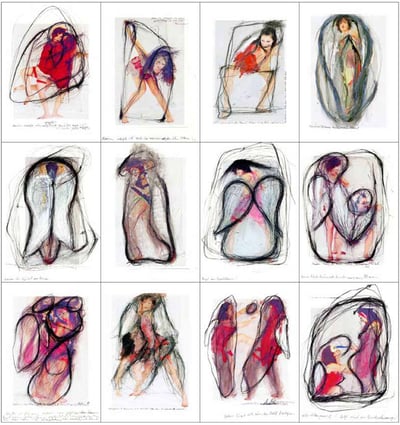
Arnulf Rainer
Unfinished Into Death II (12), 2011
Photography
Photograph
EUR 7,100
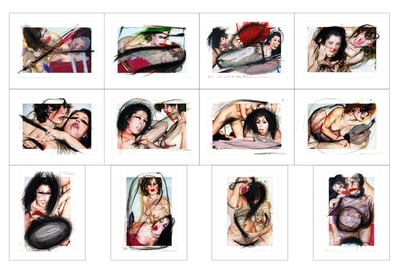
Arnulf Rainer
Unfinished Into Death ( 12), 2011
Photography
Photograph
EUR 7,100
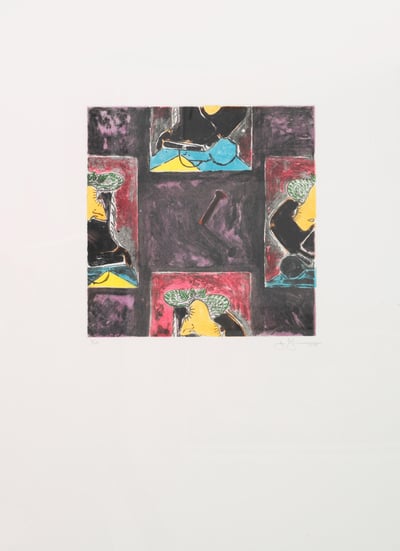
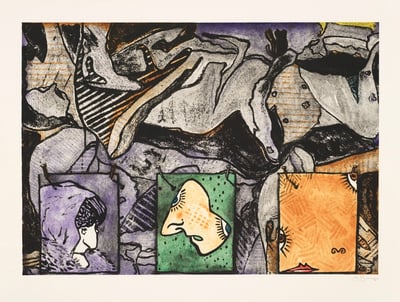
Jasper Johns
Untitled (Faces on purple), 1988
Limited Edition Print
Carborundum
USD 21,000 - 30,000
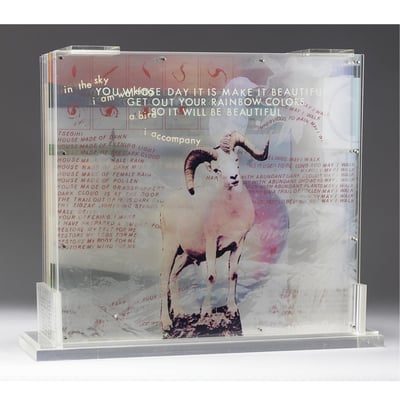
Jasper Johns
Untitled - Faces (ULAE 243), 1988
Limited Edition Print
Carborundum
USD 41,000 - 45,000
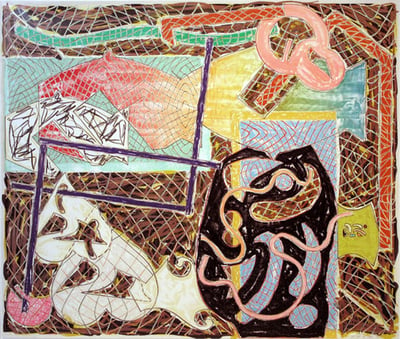
Robert Rauschenberg
Opal Gospel, 1971
Sculpture / Object
Screen-print
USD 13,000 - 15,000
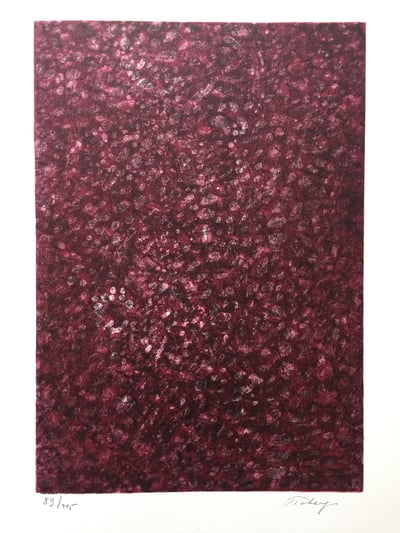
Frank Stella
Shards II, 1982
Limited Edition Print
Lithograph
USD 19,500
Mark Tobey
Jean Cassau
Limited Edition Print
Lithograph
Currently Not Available
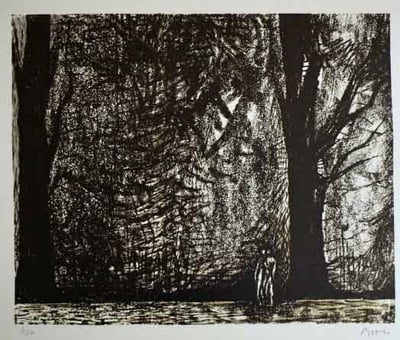
Henry Moore
Figures In A Forest, 1976
Limited Edition Print
Lithograph
EUR 1,650
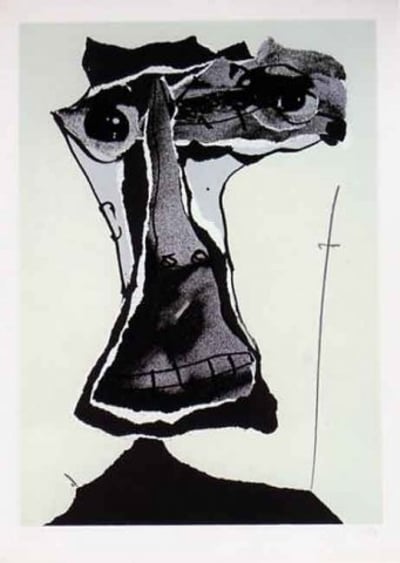
Antonio Saura
Moi, Planche 2, 1976
Limited Edition Print
Serigraph
EUR 1,880
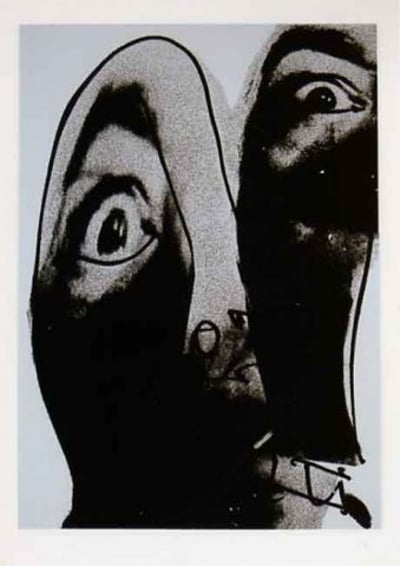
Antonio Saura
Moi, Planche 4, 1976
Limited Edition Print
Serigraph
EUR 1,875
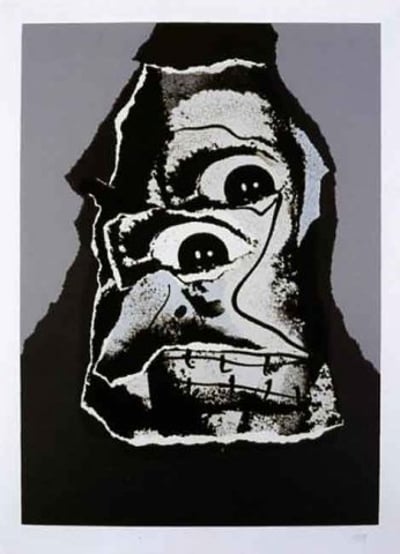
Antonio Saura
Moi, Planche 5, 1976
Limited Edition Print
Serigraph
EUR 2,650
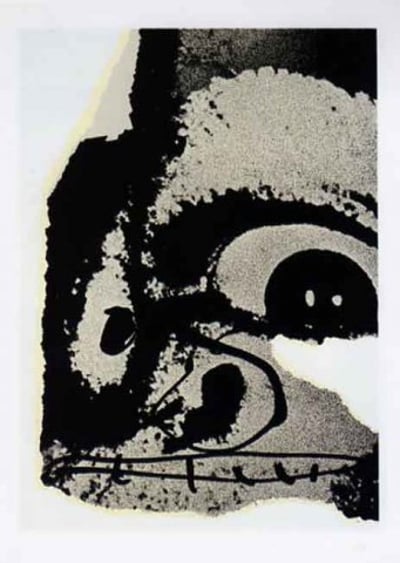
Antonio Saura
Moi, Planche 6, 1976
Limited Edition Print
Serigraph
EUR 1,875
Related Articles
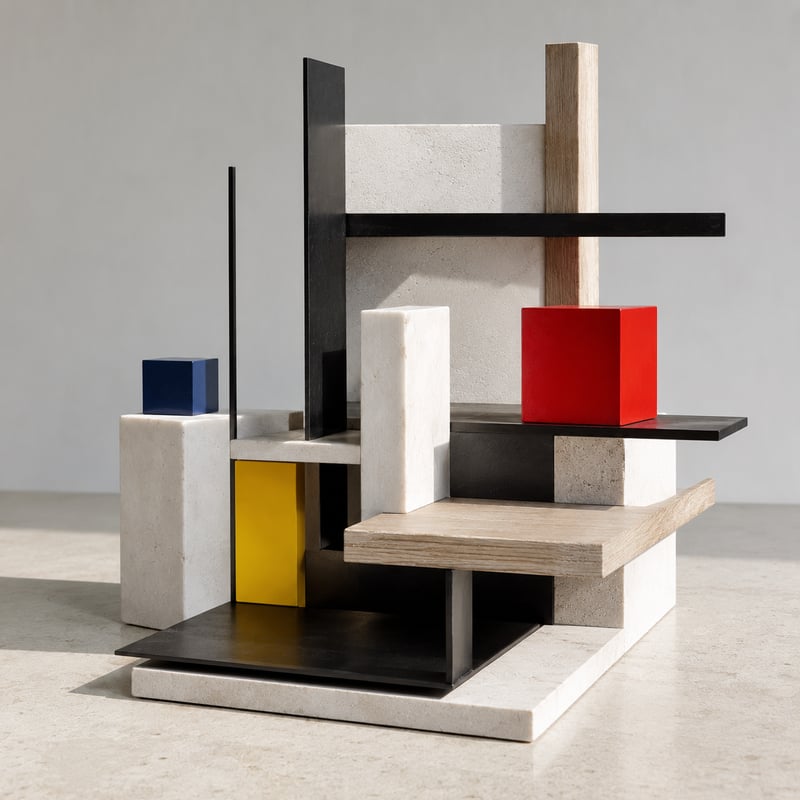
De Stijl, meaning The Style, was a group of Dutch artists who created abstract art based on strict adherence to vertical and horizontal geometry. The group was founded by Piet Mondrian and Theo van Doesburg in 1917. Mondrian eventually left De Stijl when Van Doesburg began incorporating diagonal geometry into his work, which Mondrian felt deviated from the group's principles.
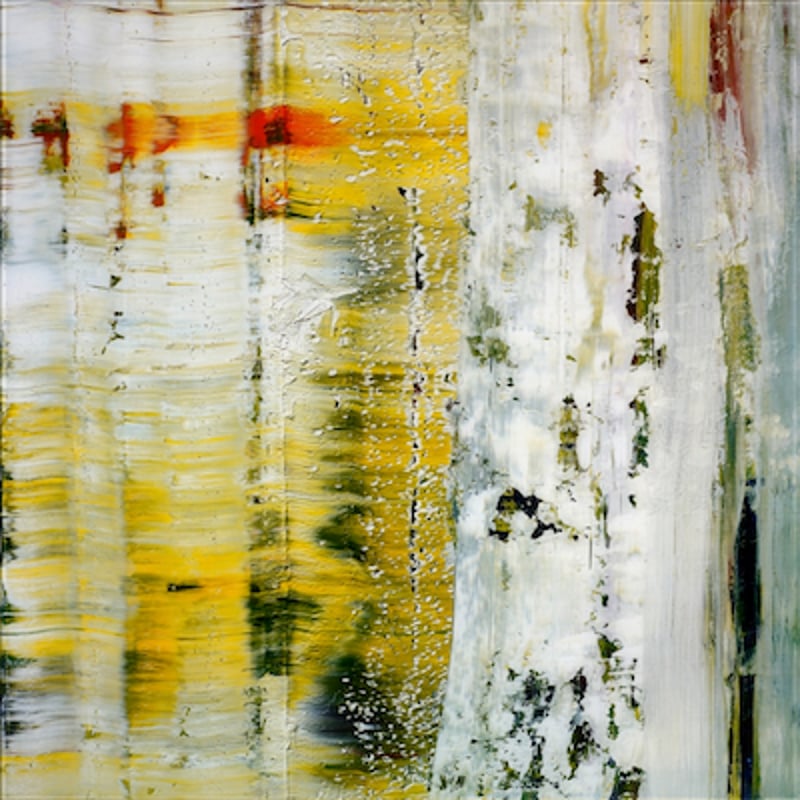
Capitalist Realism is a German form of political pop art that emerged in Cold War-era Berlin in 1963. It sought to challenge the dominance of American pop art in the Western world. The movement blended the ideologies of both pop art and socialist realism, offering a critique of consumer culture and political power.
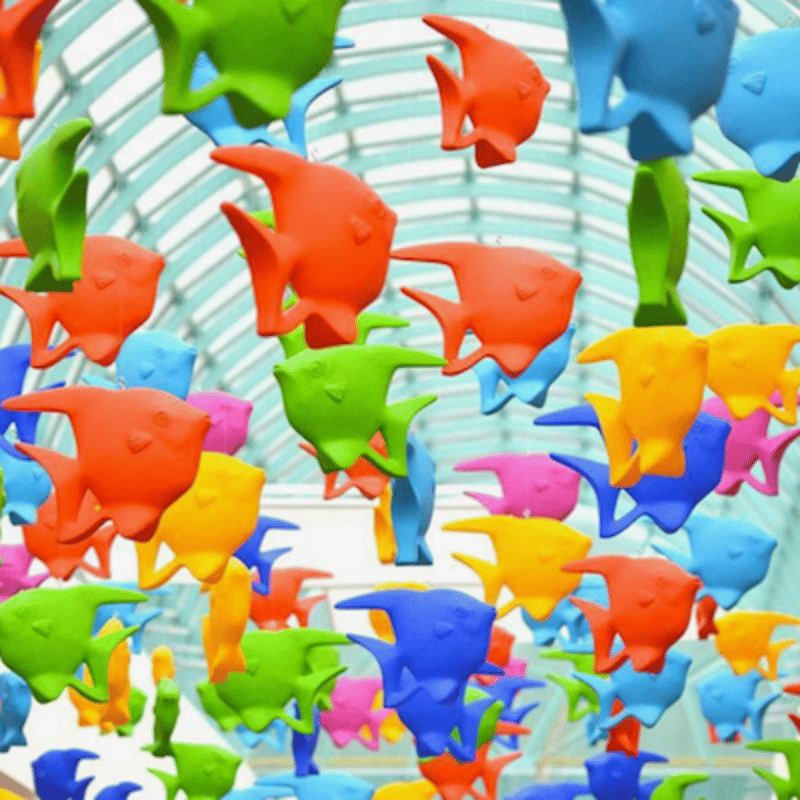
This Italian art movement includes artists from Italy, Belgium, and France who are known for creating public installations using recyclable plastic to craft massive animal sculptures. The artwork explores the rupture between the synthetic and natural worlds, with the plastic construction symbolizing the synthetic, and the animal forms representing the natural world.
Can't find your Answer?
Thank you! Your question has been sent — we'll get back to you shortly.
